Moldova moves closer to establishing its first Human Milk Bank
UNICEF study shows that Moldova is ready to launch its first Human Milk Bank, an essential service for the care of premature and vulnerable newborns

The Republic of Moldova is taking a step towards establishing its first Human Milk Bank, a service that can save the lives of the most vulnerable newborns. A feasibility study conducted by UNICEF, in partnership with the Ministry of Health and the Institute of Mother and Child, shows that Moldova is ready to establish its first Human Milk Bank, a service that can transform the standard of care for premature and sick newborns.
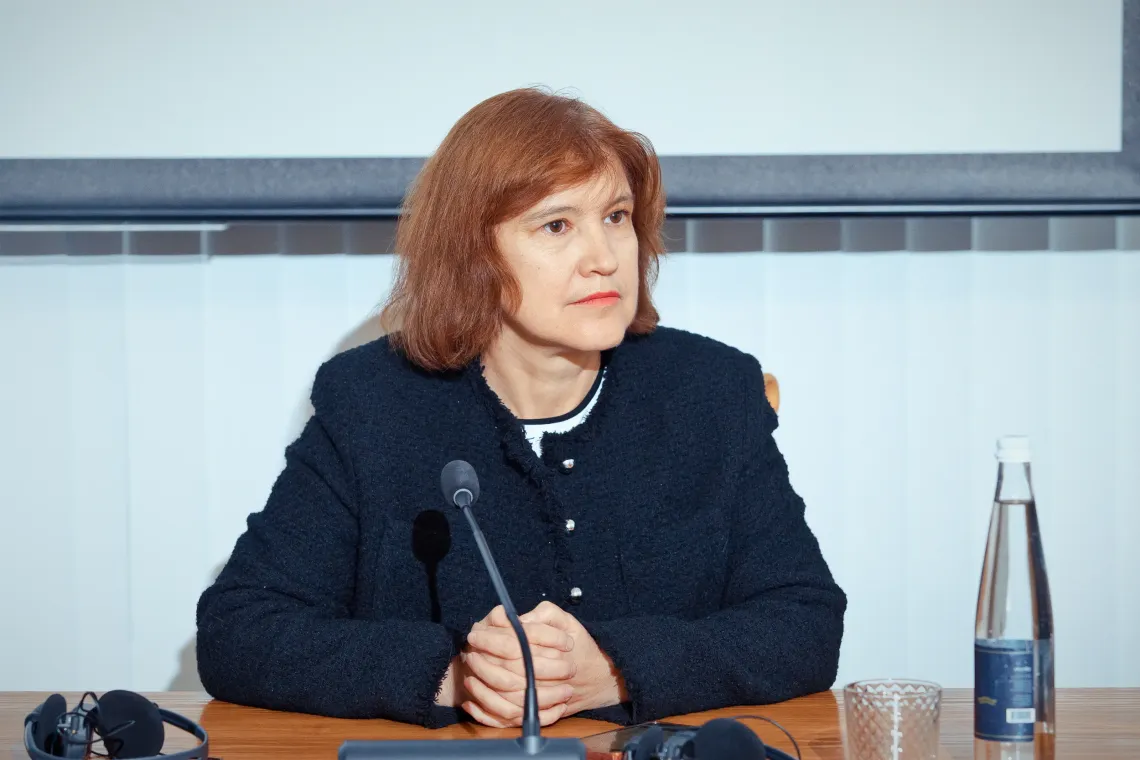
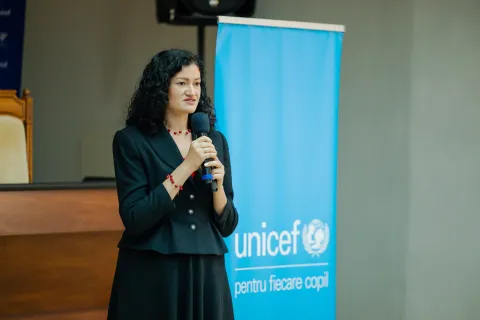
„For a premature baby, the most important question in the first days of life is not whether they will be breastfed, but whether they will receive breast milk or breast-milk substitute. The first Human Milk Bank will help ensure that the answer is increasingly breast milk”, says Angela Capcelea, Health Specialist at UNICEF.
Approximately 1,800 babies are born prematurely in the Republic of Moldova every year.
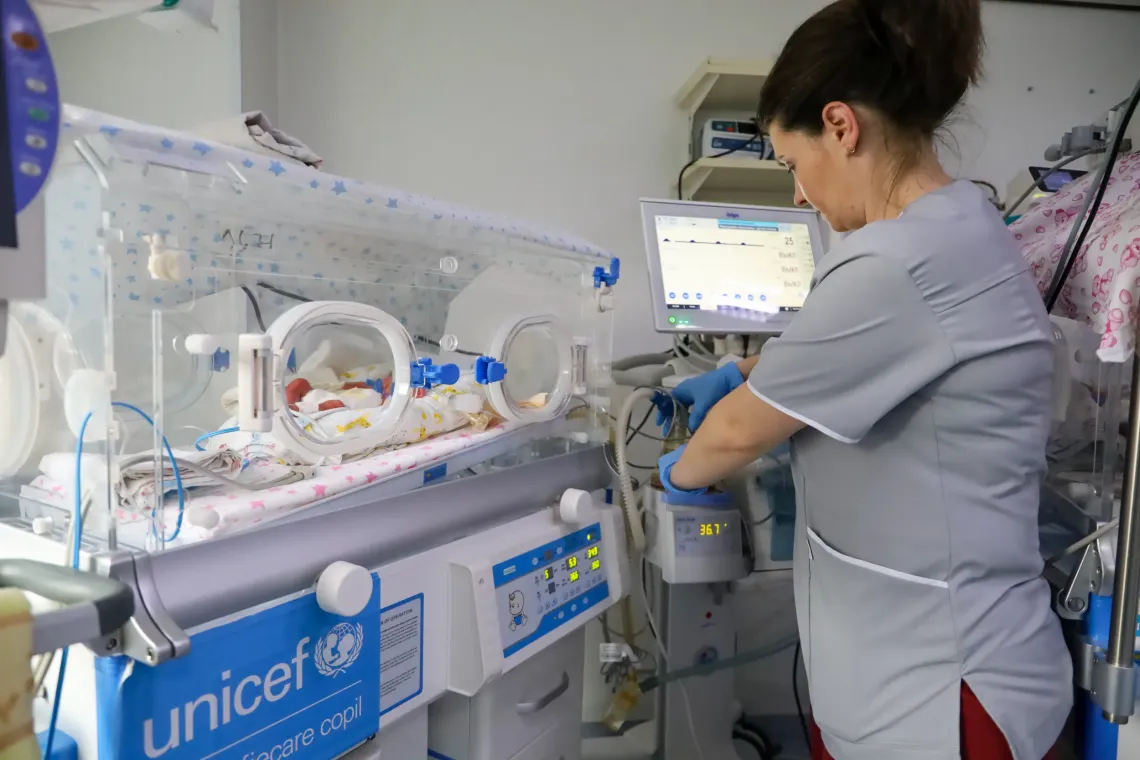
Babies born prematurely are often too fragile to feed on their own and may require enteral feeding through a tube during the first days or even weeks of life. At the same time, it may take time for the mother’s milk supply to become established. During this critical period, a Human Milk Bank provides access to donated breast milk until the mother is able to feed her own baby.
Establishing a Human Milk Bank means more than equipping a hospital with new equipment. It changes medical practice. Today, when a mother’s own milk is unavailable, breast-milk substitute is often the only alternative. Once the bank becomes operational, doctors will have access to donated breast milk that has been pasteurized and tested.
„This is an important step towards modernizing neonatal care in the Republic of Moldova. But the success of this project depends on a collective effort. Experience from other countries shows that the involvement of companies, philanthropists and citizens can accelerate the transformation of a medical initiative into a life-saving service”, Angela Capcelea added.
International experience shows that such projects can become a whole-of-society effort. In Croatia, UNICEF and its partners helped establish the country’s first Human Milk Bank by mobilizing citizens, companies and philanthropists. Although the Ministry of Health was the main funder, UNICEF’s contribution came largely from private donations. This model demonstrates that private-sector engagement can accelerate the development of health services with nationwide impact and complement public investment.
The project will be implemented by the Ministry of Health and the Institute of Mother and Child, with methodological support, expertise and co-financing from UNICEF. At the same time, the continued development of the service will require investment in specialized equipment, breast pumps for milk collection, monitoring systems, staff training and breastfeeding support services.
The benefits of donated breast milk are scientifically proven. The most recent Cochrane review, which included 12 studies and more than 2,200 premature newborns, shows that using breast milk instead of breast-milk substitute reduces the risk of necrotizing enterocolitis, one of the most serious complications of prematurity, by 47 per cent.
Moldova’s first Human Milk Bank will be established within the Institute of Mother and Child, where most of the country’s high-risk newborns are treated. Mothers who may become donors if they have a surplus of breast milk and meet the medical eligibility criteria are also hospitalized there. This model enables the service to be launched quickly and reduces logistical requirements, as both recipients and potential donors are in the same location.
World Breastfeeding Week is observed annually from 1 to 7 August in more than 170 countries, at the initiative of the World Health Organization and UNICEF. The 2026 theme, „Breastfeeding for a sustainable start in life: strengthening interventions that work”, promotes the expansion of interventions that have proven effective in protecting the health of mothers and children.
In the Republic of Moldova, 94 per cent of mothers initiate breastfeeding, yet only 49 per cent of children under six months of age are exclusively breastfed, while just 15 per cent of one-year-old children continue to be breastfed.