Schools learn how to keep sanitation facilities safe and functional
With support from the Government of Germany, UNICEF is helping turn investments in water, sanitation and hygiene into safe and sustainable services for children

For a school, building or renovating a sanitation facility is only the beginning. A system that is not checked regularly, a broken tap, a blocked sewerage system or a lack of hygiene supplies can quickly turn an important investment into a service that no longer meets children’s needs. This is why day-to-day management and preventive maintenance are just as important as the infrastructure itself.
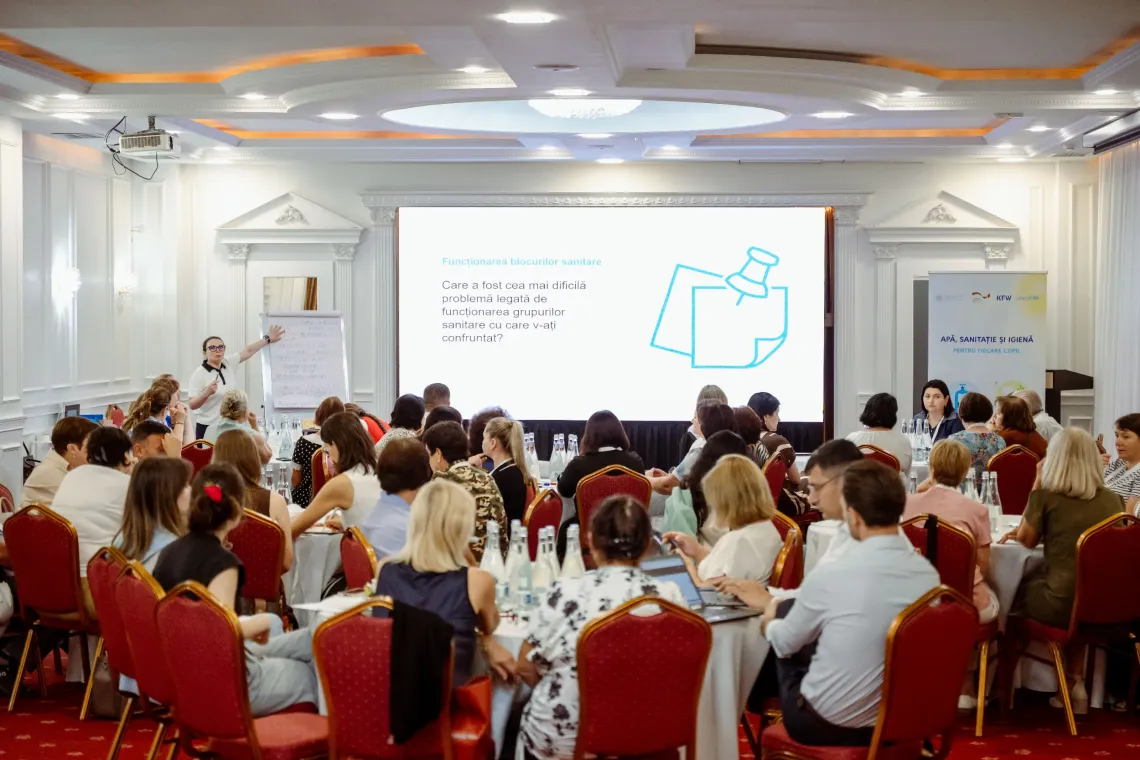
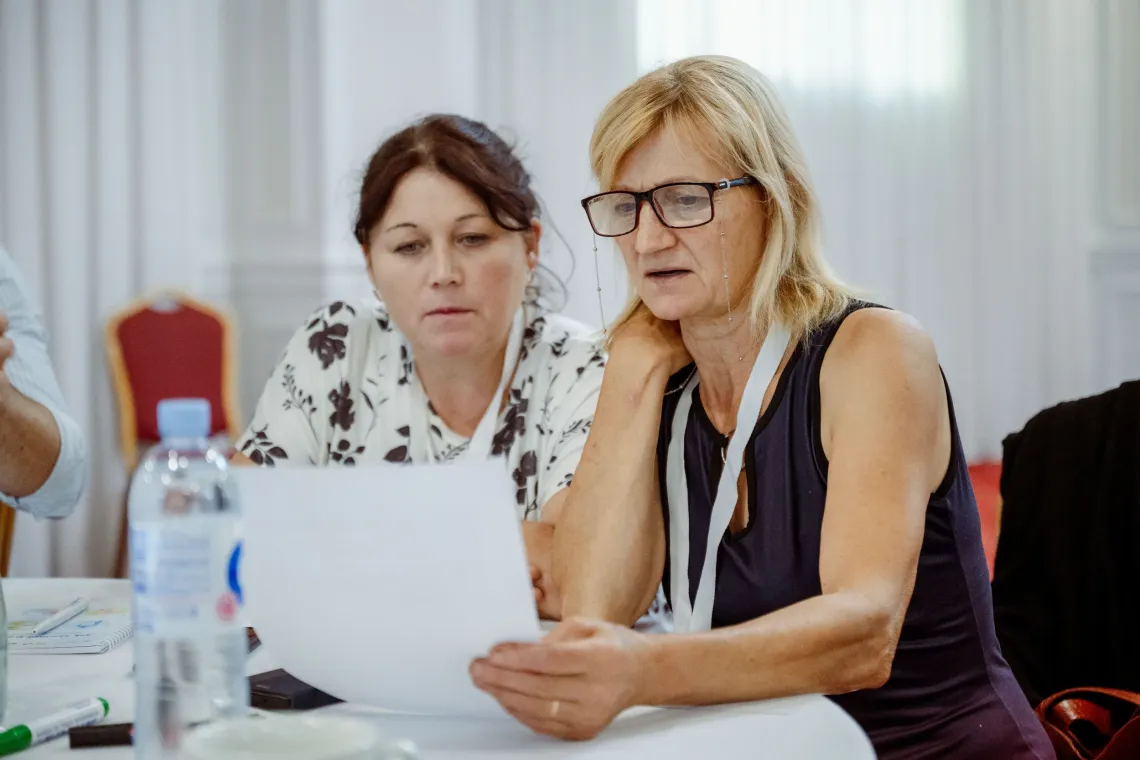
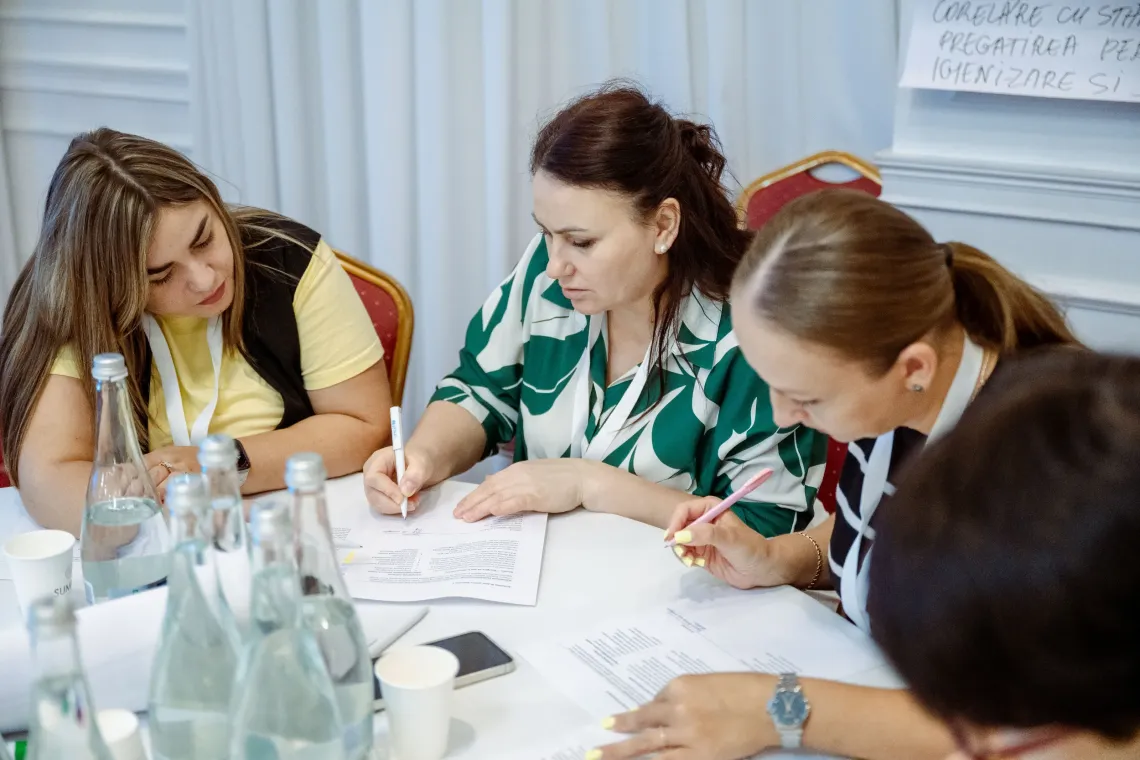
More than 80 school principals and deputy principals, facility managers, teachers, nurses and other school staff took part in the workshop „Effective Management of Sanitation Facilities in Educational Institutions” to learn how to keep new water, sanitation and hygiene facilities clean, safe and functional over the long term.
Participants discussed how to organize daily and periodic inspections, properly clean and disinfect facilities, identify faults early, carry out preventive maintenance, ensure the availability of supplies, and clearly define responsibilities between school management and technical staff.
Beyond infrastructure: what a school day looks like through a child’s eyes
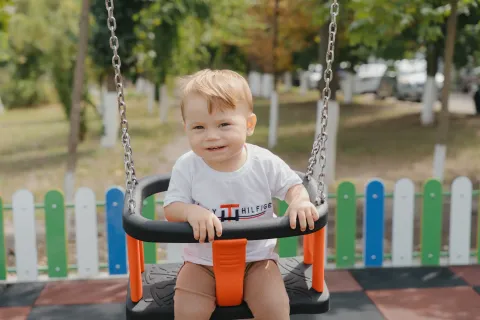
In a school, access to water, sanitation and hygiene means more than simply having the infrastructure in place. It means that a child can use the toilet safely, wash their hands and does not have to leave the school building on cold days or in bad weather.
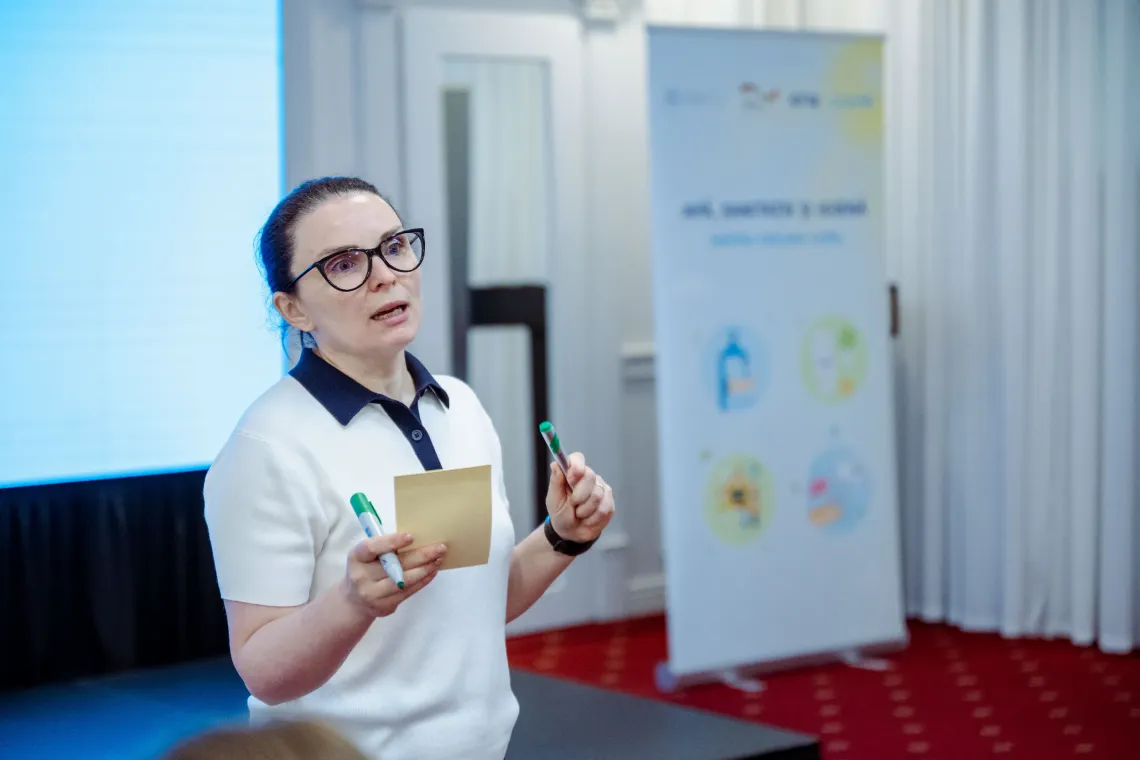
Corina Andronic, UNICEF Water, Sanitation and Hygiene Officer, emphasizes that the impact must be viewed from the child’s perspective: „To truly understand water, sanitation and hygiene services in schools, we need to look beyond infrastructure statistics and see the school day through a child’s eyes. For a student, a school without safe and functional water, toilets and handwashing facilities does not simply mean ‘faulty infrastructure’; it is a daily source of physical discomfort.”
The situation in schools across the Republic of Moldova shows why investments in infrastructure need to be accompanied by proper management and maintenance. An assessment of water, sanitation and hygiene facilities, initiated by UNICEF and the Ministry of Education and Research and conducted between October 2023 and February 2024, covered 968 educational institutions, more than 80 per cent of the country’s schools, including 751 in rural areas. The assessment found that, at the time, students in 88 schools had access only to outdoor toilets, 63 institutions reported interruptions in their water supply, and in 167 institutions the water provided was not safe for drinking. The findings also highlighted the need not only to modernize infrastructure, but also to strengthen schools’ capacity to manage and maintain these facilities over the long term.
Voices from schools: from everyday challenges to practical solutions
For Svetlana Glibiciuc, Deputy Principal of „Mihai Eminescu” Gymnasium in Baimaclia, Cantemir district, having a sanitation facility inside the school is, first and foremost, an investment in children’s health and well-being.
„It was a problem because they had to go outside, especially the younger children, in winter and in the cold. Many of them would get sick because of this. If the sanitation facility is inside the school, it will be warm and comfortable. I believe this is genuinely a health issue that will be resolved.”
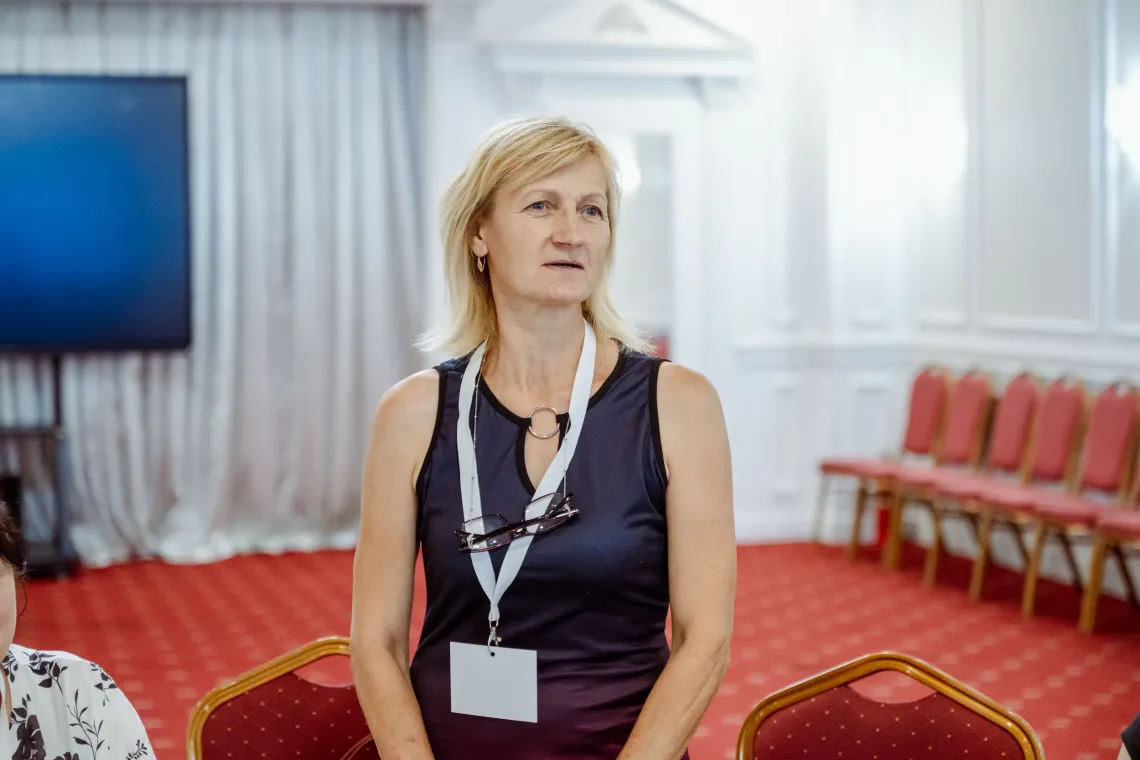
At the school in Baimaclia, hard water periodically affects pipes and fixtures, while the lack of a centralized sewerage system poses another challenge. For Svetlana, however, new facilities also need to be accompanied by education: children need to learn how to use them properly and develop healthy hygiene habits.
At „Constantin Stamati-Ciurea” Theoretical Lyceum in Caracușenii Vechi, Briceni district, one of the challenges is periodic disruption of the water supply. Until recently, the indoor sanitation facility served only the primary grades, while such facilities were lacking in the building used by lower- and upper-secondary students.
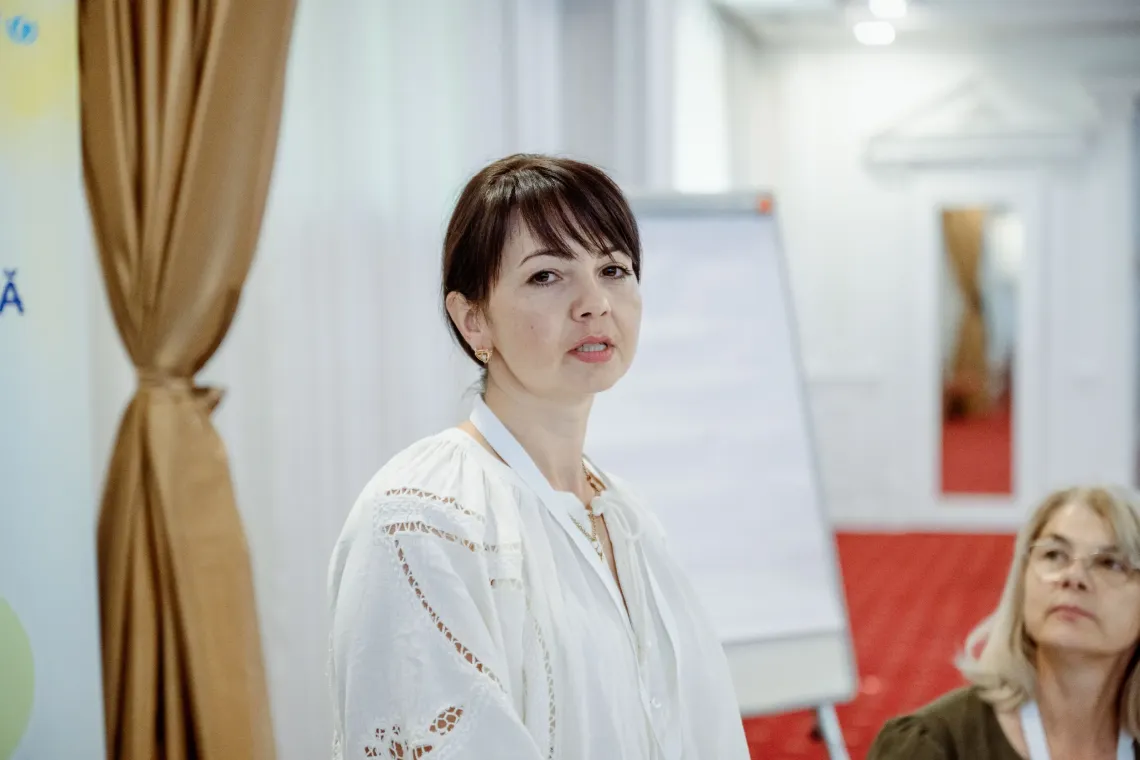
For Victoria Timoftica, Deputy Principal, the workshop provided information that can be immediately applied in the school’s day-to-day work: „I think we will put all the information into practice because it is useful. Our role is to monitor and be involved. If we notice a problem, we need to be proactive and intervene.”
The importance of prevention is also emphasized by Lidia Bonari, Facility Manager at „Ștefănești” Gymnasium, Florești district. For her, good infrastructure needs to be accompanied by continuous monitoring of how facilities are cleaned, maintained and used.
„We need to continuously monitor hygiene conditions, how staff carry out their work and how students use the sanitation facilities. Problems need to be prevented and addressed while they are still small.”
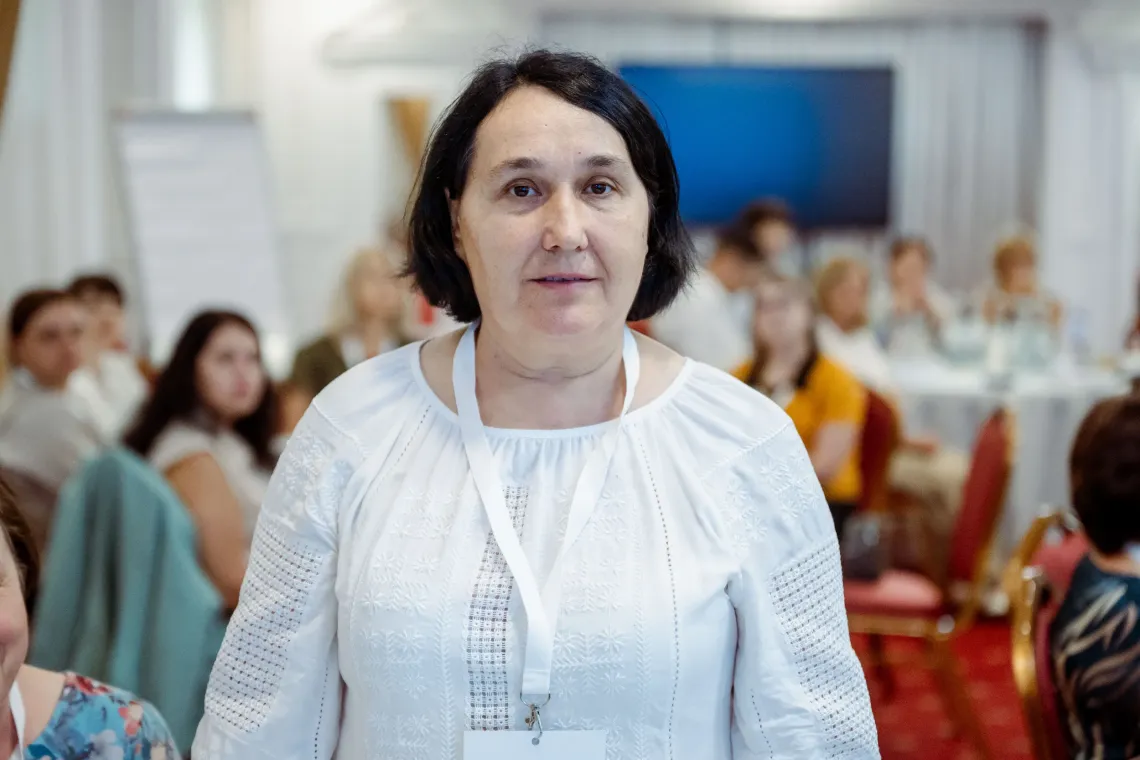
Ultimately, however, the impact is seen in children.
„First and foremost, it is about their well-being and their health, which is a priority for us, for teachers, for parents and, of course, for the students themselves”, says Lidia.
At „Vasile Alecsandri” Gymnasium in Mărculești, Florești district, the challenges are very concrete: sewerage blockages, damaged taps and the effects of hard water on the infrastructure. Olga Pădureţ, the school principal, says that one of the most useful aspects of the workshop was precisely its focus on preventing faults rather than only responding once they occur.
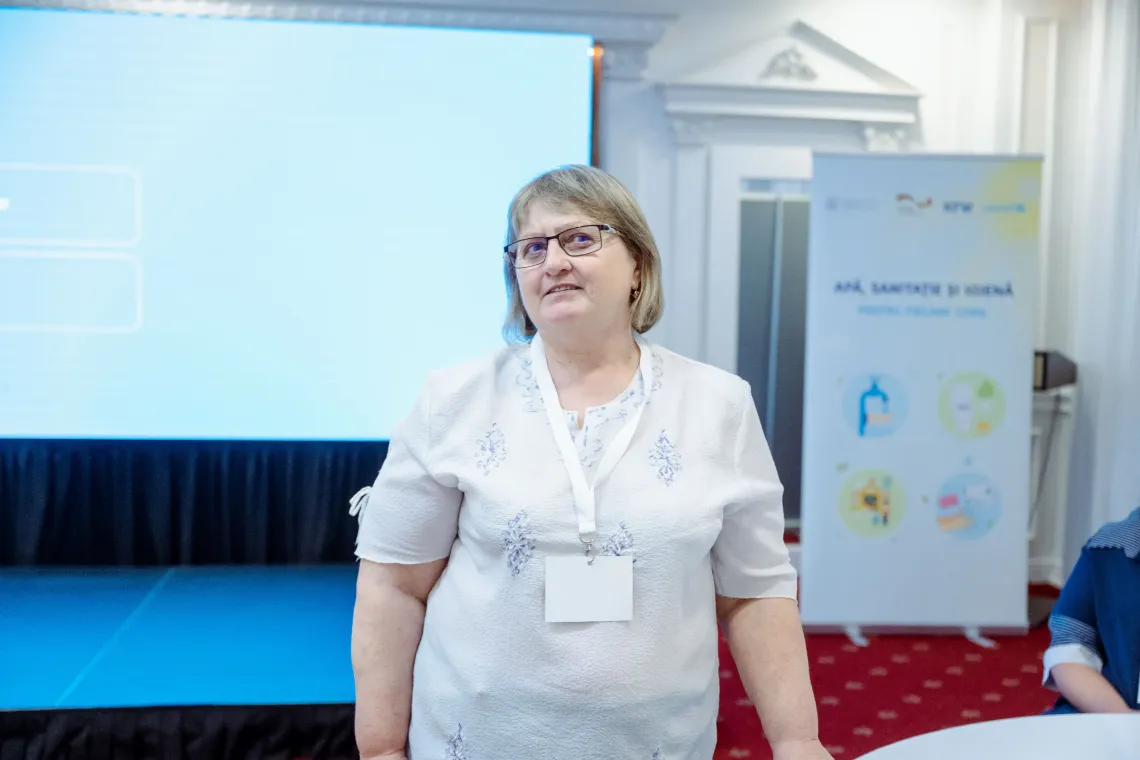
„It was very useful to discuss how daily and periodic cleaning should be carried out and the responsibilities of staff. We received information about maintaining sanitation facilities, working with staff, preparing them and ensuring the necessary supplies are available. These are things we can use in our work.”
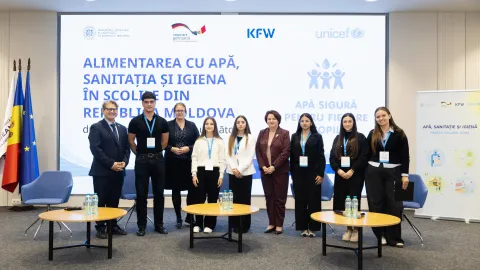
The workshop is part of the UNICEF project „Strengthening Social Services and National Systems for Vulnerable and Refugee Children in the Republic of Moldova”, funded by the German Federal Ministry for Economic Cooperation and Development (BMZ) through an EUR 11.5 million grant provided via the German Development Bank (KfW).
Under this partnership, investments in water, sanitation and hygiene infrastructure are complemented by efforts to strengthen the capacities of those who will manage these facilities every day. The national assessment explicitly recommends both training students and teachers on the proper use and maintenance of sanitation facilities and strengthening capacities to manage and maintain water supply, sanitation and hygiene infrastructure and services.
Regular inspections, cleaning and disinfection in accordance with sanitary standards, preventive interventions, budget planning and clearly defined responsibilities help prevent major breakdowns and extend the lifespan of equipment. In this way, an investment in infrastructure becomes a sustainable investment in children’s health, dignity and education.
These efforts take on particular significance in the context of World Water Week, held from 23 to 27 August under the theme „Water for People and Progress”. This year’s theme places water security and access to safely managed drinking water and sanitation services at the centre of the discussion as fundamental elements of development, health and resilience.
In schools, this idea translates into something very concrete. Progress does not simply mean building a new sanitation facility or installing a tap. It means ensuring that water is available when a child needs it, that the toilet is clean and safe, and that the facilities built today continue to function for years to come.
For every child, access to water, sanitation and hygiene is a basic condition for health, dignity and learning. And for schools, responsible management of these services is what turns infrastructure into real progress.