Jacqueline and her family face the devastation caused by Cyclone Gezani
After the intense tropical cyclone Gezani, Kambana Jaqueline and her children found refuge at the Salazamay shelter. With their home partially destroyed, she remains hopeful for her family's future.

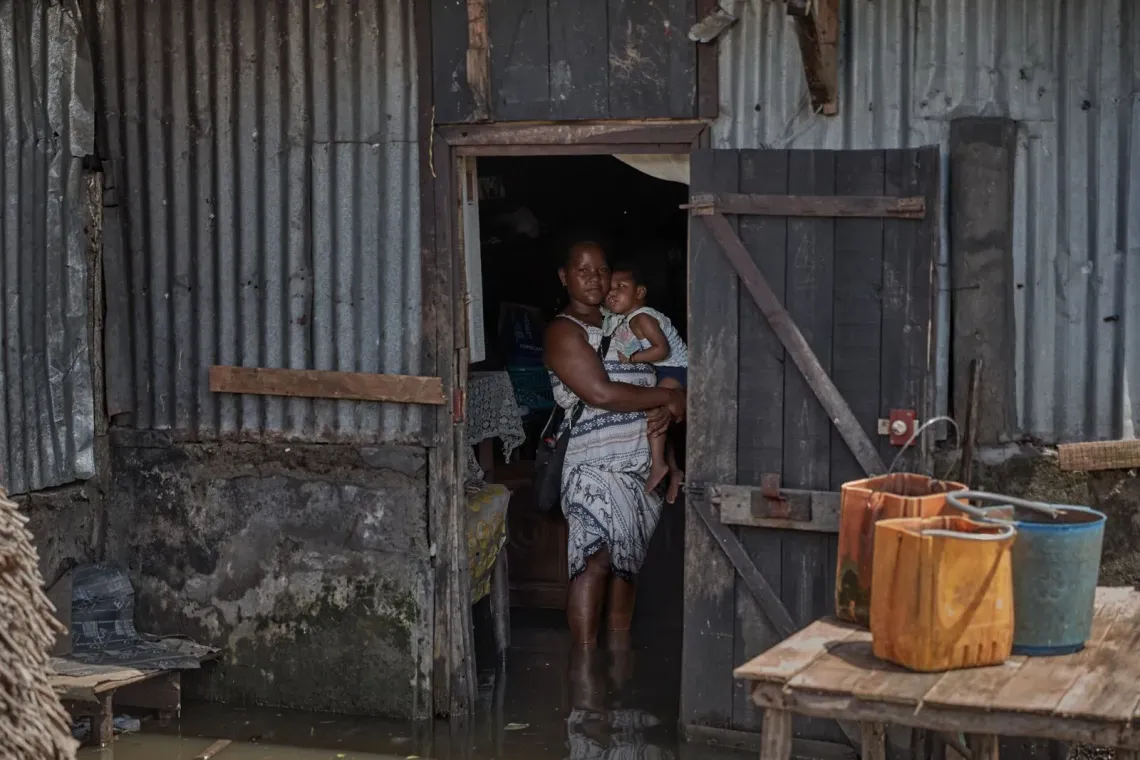
At the Salazamay shelter in the city of Toamasina in east of Madagascar, the premises are crowded. Entire families have sought refuge there after Cyclone Gezani struck on the night of February 10, 2026. In the midst of the crowd, Kambana Jaqueline holds her two children close: her one-and-a-half-year-old baby and 13-year-old Jean de Dieu. Married, she is currently not working because her youngest child has a disability and requires constant attention.
Having heard the warnings announcing the arrival of the cyclone, the family initially chose to stay at home. Around 3 p.m., when the first rains began to fall, they realized that the situation could quickly worsen. An hour later, faced with the intensifying storm and concerned for the safety of their children, they decided to go to the nearest shelter.
At around 5 p.m., they carried a few essential items to the center. Shortly afterwards, the wind began to blow with great violence. Since then, the family has remained at the shelter.
“I was very scared when the cyclone hit the city because the winds were extremely strong. What's more, my husband wasn't with us because he works as a night watchman. He only helped us carry a few belongings to the shelter, then he left for work as usual. That didn't reassure me.”
A long night for the family
The night was particularly trying. Between worrying about the father, who had stayed at his post, and the anxiety of finding their home damaged, the hours seemed endless.
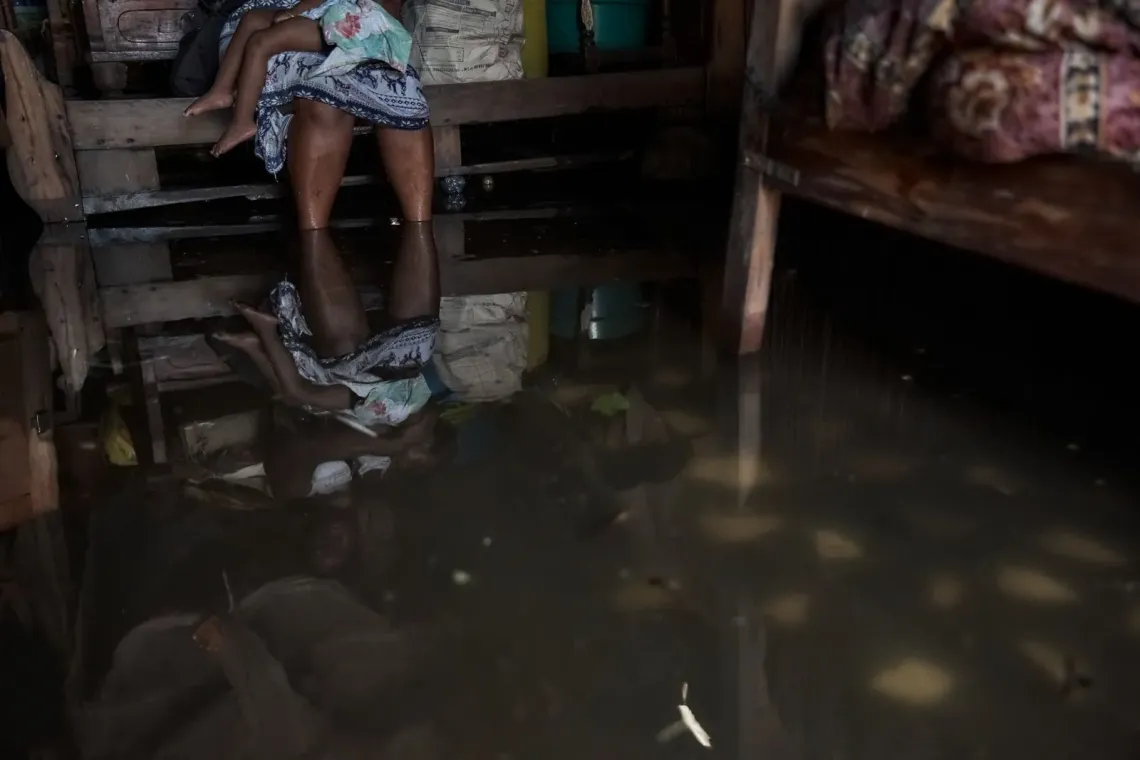
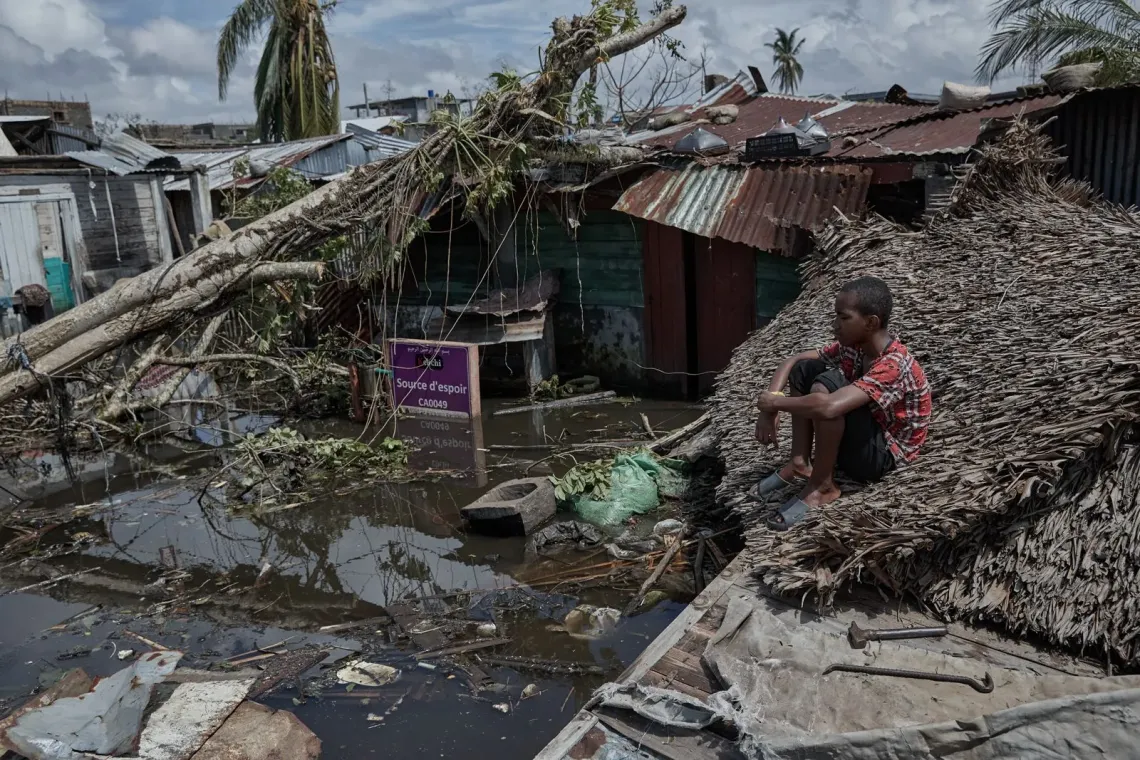
The next morning, after the cyclone had passed, the family returned to their home. The damage was extensive: the house had been ravaged and was still partially under water. The roof of their main house had been torn off by the wind.
“The school is closed for now. I would like to go back to school, but I don't know when that will be possible because my school was also damaged. Some of my school supplies were washed away, although we were able to save a few by bringing them to the shelter.”
Despite everything, Jaqueline remains hopeful. She is still convinced that her family will be able to get back on its feet, and she continues to nurture hopes for a better future for her children.
Following the devastating passage of intense tropical cyclone Gezani, a national state of emergency was declared on February 11, 2026.
More than 250,000 people have been affected across the country. Women and children are the most affected.
UNICEF is on the ground alongside authorities and humanitarian partners. Initial aid is being distributed: drinking water, hygiene kits, emergency tents for temporary schools and health facilities. This is to enable affected families to cope with the emergency and protect the health, safety, and dignity of children. In a context of increased vulnerability, every action counts when it comes to protecting children.
Note: Emergency responses, including anticipatory activities, are funded by the United Nations Central Emergency Response Fund (UN CERF).