Emmanuel, protector of water and agent of change
In the village of Behara Poste, access to clean water is becoming a real catalyst for change, thanks to the active involvement of the community. This initiative is helping to improve hygiene and health and is contributing to better living conditions.
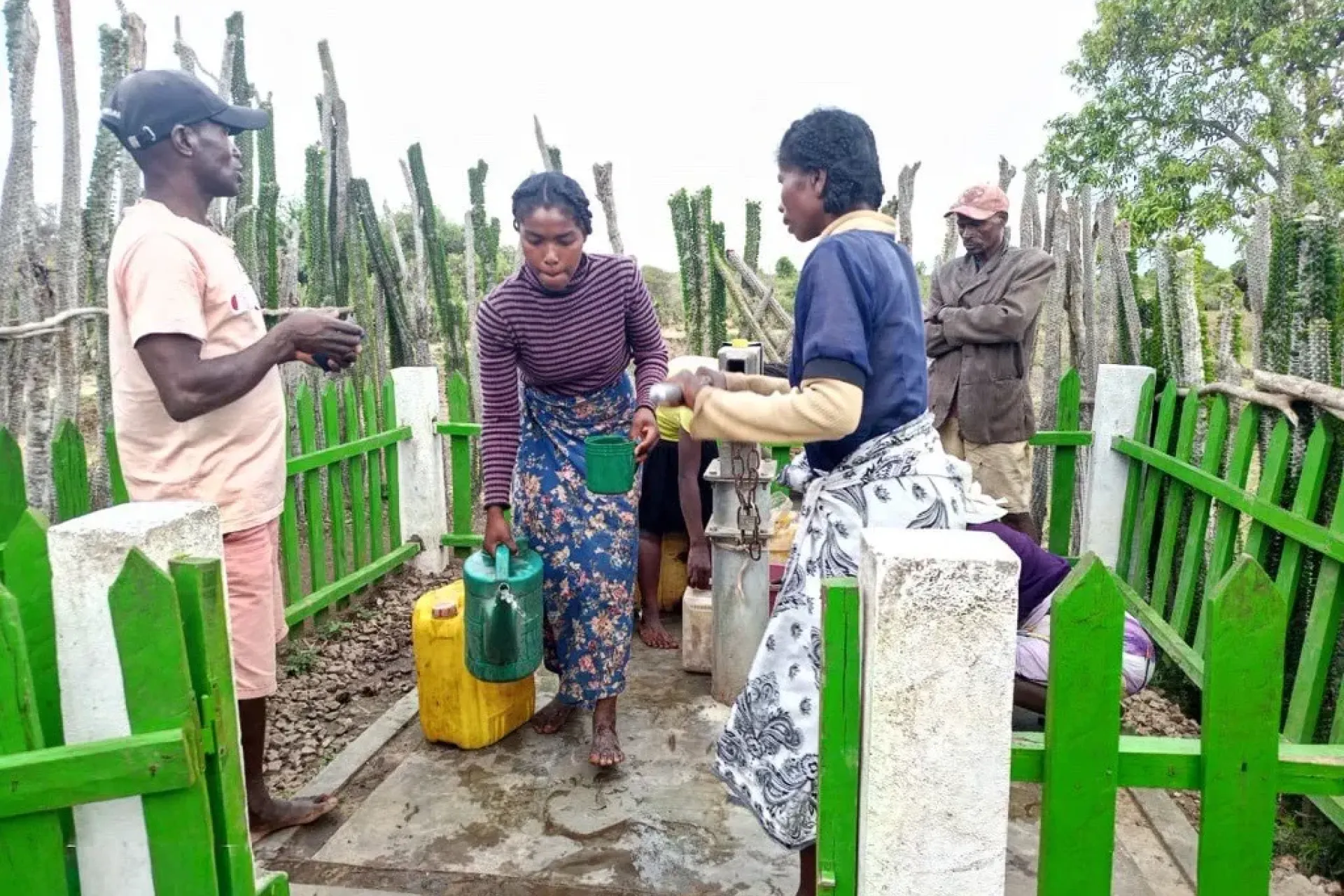
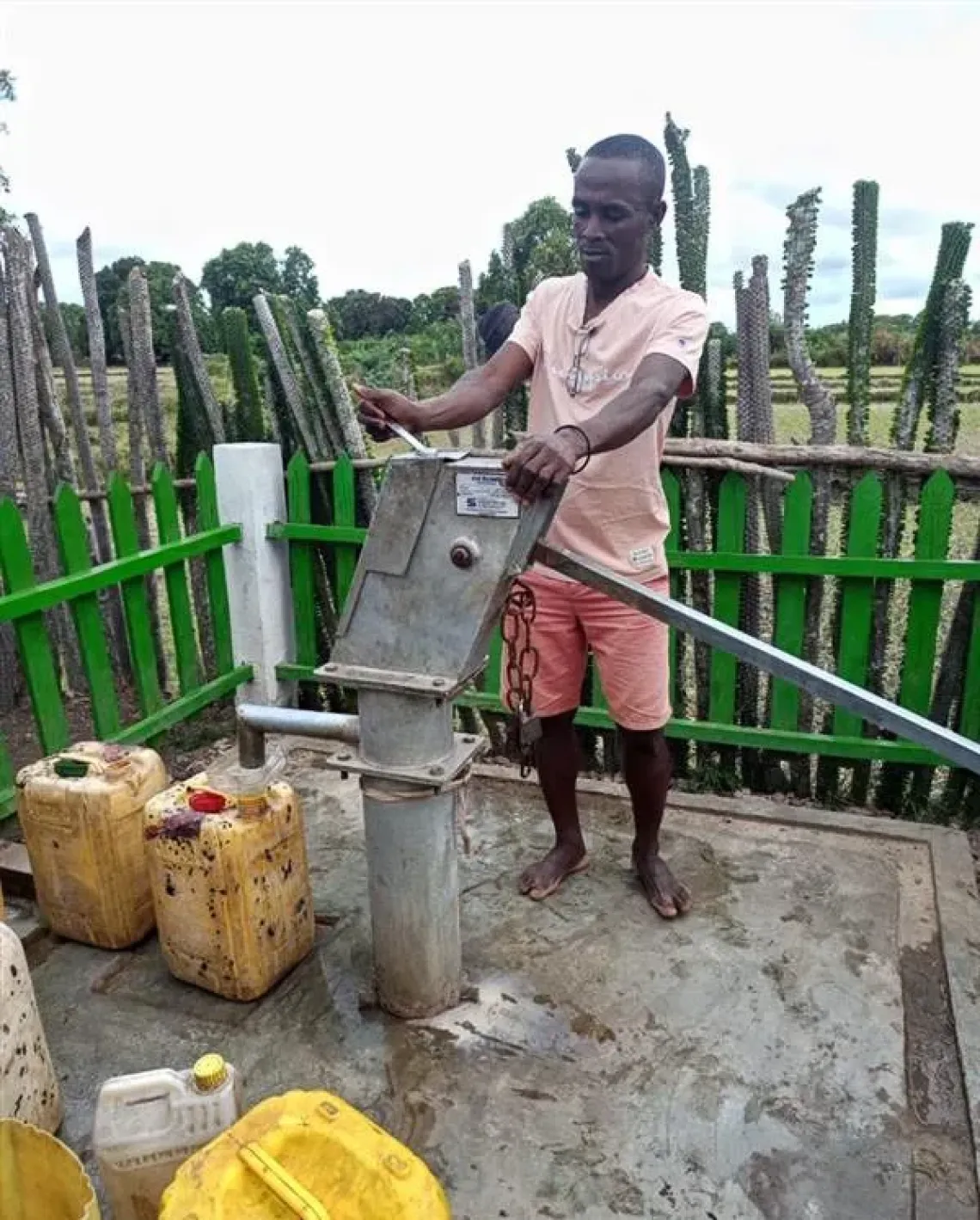
In the village of Behara Poste, situated in the arid plains of Madagascar's Great South, access to safe drinking water remains a daily struggle. For families, the lack of safe drinking water has long meant walking for miles in sweltering heat and facing constant exposure to waterborne diseases. It is against this backdrop of extreme vulnerability that UNICEF is rolling out the MANARANO project to transform the lives of communities. Today, Fegnandro Emmanuel, aged 46 and father of six, plays a vital role in his village. As a member of the local management committee, he ensures proper functioning of the water system, thereby helping to shield his community from a lack of water.
Thanks to the MANARANO project, which involves far more than simply installing a well, Emmanuel has received specialist training and the right tools to manage, maintain and repair a community water point. He now has several responsibilities: water user, repair technician and member of the local management committee. Every day, he ensures that water remains accessible, safe and sustainable for everyone.
“As a repair technician, my main responsibility is to take care of the well. Thanks to the training and tools I received from the MANARANO project, I make sure the well is always in working order for the people in my community.”
A key figure in behavioural change
Beyond his technical skills, Emmanuel plays a vital role in raising awareness. He knows that changing behaviour is often harder than repairing a pump. He has therefore taken on a social mission, introducing strict hygiene rules—such as a ban on wearing shoes near the water point—as well as safety and solidarity measures. In particular, he has introduced a community contribution system to finance repairs.
This approach, whilst necessary, is not always unanimously accepted. Some residents see it as a constraint, and Emmanuel faces criticism: “They say I have connections and that I’m too strict, so they criticise me for these rules.”
Despite this resistance, he remains determined. Aware that change takes time, he continues to raise awareness with conviction: “MANARANO brings much more than water; it brings life,” he asserts, confident in the project’s benefits.
Tangible impacts on the lives of families
In his own family, the effects are already clearly visible. His wife no longer has to spend her days fetching water, and his children fall ill less often. The family can now devote more time and resources to building a better future. “Our way of life has changed; we pay more attention to cleanliness in our home. ” he says.
At the village level, Emmanuel has become a model of local leadership. His commitment shows that, with the right support, a water point can become the starting point for lasting change. His story clearly illustrates that investing in water means investing in the health, resilience and future of the most vulnerable communities.
Between April 2024 and December 2025, the MANARANO project benefited 76,364 people

Note: These activities were made possible by the MANARANO project, funded by the BMZ (German Federal Ministry for Economic Cooperation and Development) through the fund dedicated to the climate. The project is implemented by UNICEF and carried out jointly by Welthungerhilfe, PAH and TATIRANO in the Anosy, Androy and Atsimo Andrefana regions.