COP30 : acting today to build tomorrow's climate and the future of our children
As the world prepares to host the COP30 in Brazil, from November 10 to 21, 2025, UNICEF reminds us of an essential truth: the climate crisis is also a crisis for children's rights.

As the world prepares to host the 30th United Nations Climate Change Conference (COP30) in Belém, Brazil, from November 10 to 21, 2025, UNICEF reminds us of an essential truth: the climate crisis is also a crisis for children's rights, and it is imperative that this summit marks a turning point by placing children at the heart of global climate action.
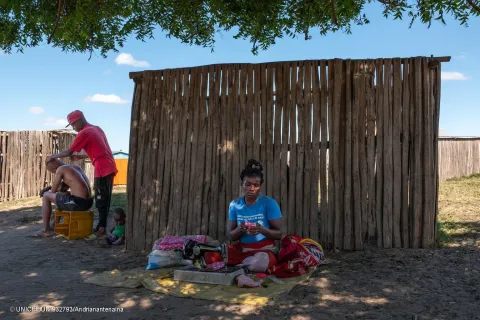
Around the world, children are already suffering the consequences of climate change and dramatic climate upheavals. And in Madagascar, one of the most vulnerable countries, these impacts are already a daily reality.
CLIMATE CHANGE THREATENS CHILDREN'S LIVES AND FUTURES
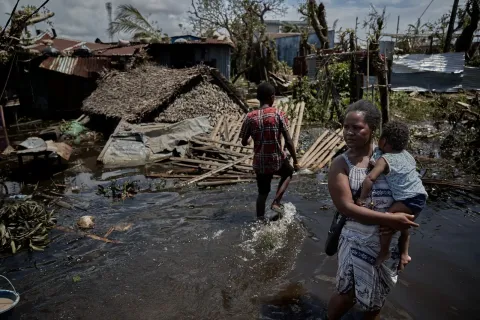
Storms, floods, droughts, extreme heat waves... These climatic phenomena are becoming more frequent and affect young people and children first. They destroy schools, interrupt education, exacerbate malnutrition, and endanger children's health and safety.
According to UNICEF, nearly one billion children worldwide live in areas at extremely high climate risk.
Without urgent action, an additional 28 million children could suffer from acute malnutrition by 2050.
The consequences begin at birth: every additional degree of global warming increases the risk of premature birth or stillbirth by 5%. The climate crisis is therefore not a distant issue, but an immediate threat to the lives, health, and well-being of children.

MADAGASCAR, ON THE FRONT LINE OF THE CLIMATE CRISIS
With a score of 7.9 out of 10 on the Child Climate Risk Index (CCRI), Madagascar ranks among the ten most exposed countries to the impacts of climate change. The country faces more intense cyclones, prolonged droughts, growing food insecurity, and economic losses estimated at over $1 billion.
From the drought-stricken south to the cyclone-prone east, Madagascar's children are on the front line of climate change. Over the past 20 years, the country has experienced 45 cyclones, 18 floods, and 7 severe droughts, affecting more than 5 million children (UNICEF, 2024).
The consequences on children's rights are numerous:
Health :
- More than 2.9 million cases of malaria were recorded in 2023, exacerbated by heat and stagnant water.
- Children are exposed to increasing risks of diseases linked to air and water quality.
Nutrition : 24% of Malagasy children suffer from severe food poverty.
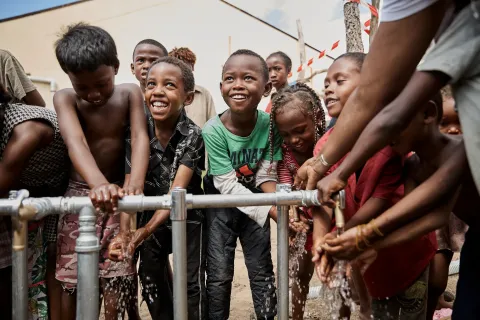
Water and sanitation : In Madagascar, 58% of the population has access to at least one basic drinking water service, while only 12% has access to basic sanitation services. Regarding this emergency, it is imperative to build a resilient future for every child, especially in Madagascar—a country where every school, health center, and essential service is resilient to climate shocks. In light of this, and with the support of UNICEF, the country is stepping up initiatives to protect children, strengthen community resilience, and build a more sustainable future :
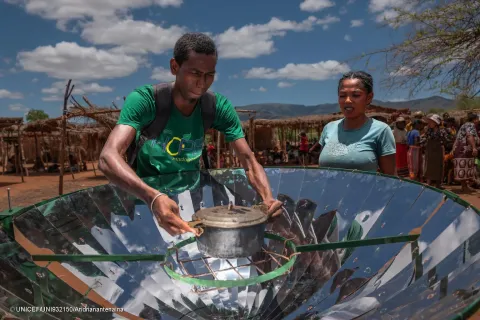
- Eco-villages promote an integrated approach focused on climate resilience, access to water, solar energy, and economic self-sufficiency.
- The Green Rising project mobilizes more than 35,000 young people for reforestation, environmental education, and sustainable management of natural resources.
- Green Schools transform schools into ecological learning spaces, where students and teachers take concrete action for the environment.
- Community Wellness Spaces strengthen the resilience of vulnerable families through sustainable agricultural practices, green micro-enterprises, and social protection.
- The YUNGA badge raises awareness of environmental issues among children and young people through fun and educational activities. By earning this badge, young people become “agents of change” committed to protecting biodiversity, combating climate change, and promoting sustainable development.
At the same time, in 2024, the Malagasy government signed the Declaration on Children, Youth and Climate Action and is preparing a National Climate Finance Strategy, with the support of UNICEF.
With COP30, UNICEF reminds us that Madagascar has a unique opportunity to lead by example by placing children and young people at the center of climate policies. By making Madagascar a country where every child has access to safe drinking water, quality education, sustainable food systems, and a safe home.

COP30: THREE PRIORITIES FOR PROTECTING CHILDREN
At COP30, UNICEF calls on world leaders to put children at the heart of all climate decisions and to move from promises to concrete action.
More than 60,000 participants from 200 countries, including heads of state, scientists, NGOs, and youth delegates, will gather to, among other things:
- Review and strengthen climate commitments for 2026–2030 to accelerate the implementation of the Paris Agreement.
- Highlight climate inequalities and protect vulnerable populations, particularly children and young people.
- Strengthen climate finance for developing countries, including adaptation, mitigation, and loss and damage mechanisms.
- Accelerate a just and sustainable energy transition, promoting clean energy and ecological solutions.
- Promote the preservation of biodiversity and ecosystems to support communities and resilience to climate impacts.
- Climate policies must guarantee their rights to health, education, protection, and participation. When children are placed at the heart of climate action, society as a whole becomes more resilient and fairer.
Three priorities emerge :
- Protect children and the essential services they depend on (health, education, water, food) by strengthening climate financing and infrastructure resilience.
- Drastically reduce emissions to keep temperature rises below 1.5°C and prevent the worst impacts of global warming.
- Give children and young people a voice by enabling them to actively participate in climate negotiations and decisions.

YOUNG PEOPLE, AGENTS OF CHANGE
In Madagascar, young people are already taking action, following the example of Tania Lemainty and Lova Renée, UNICEF child advocates for climate change, who are speaking out on behalf of their generation in international forums.
Their message is clear: children's future cannot wait. Governments and business organizations must act now to reduce emissions, invest in sustainable solutions, and build a safer and more equitable world for all. Young people also have a role to play; they can and must participate in discussions and debates to influence decisions related to climate action.
This year, young people from all over Madagascar were actively consulted through a series of workshops, focus groups, and online surveys to share their views on climate action.
Their contributions will play a crucial role in guiding and reviewing Madagascar's Third Nationally Determined Contribution (NDC3), ensuring that the priorities, concerns, and innovative ideas of the country's youth are fully integrated into national climate policies and strategies.
Act together, now. COP30 must be a pivotal point: the moment we take action. As protecting the climate means protecting children—their health, their education, their future. A better future is still possible, provided we act collectively here and now.