Sustainable cooking solutions for the well-being of children and communities
4000 households in the ecovillages of southern Madagascar received improved cookstoves, helping to protect children’s health and the environment.
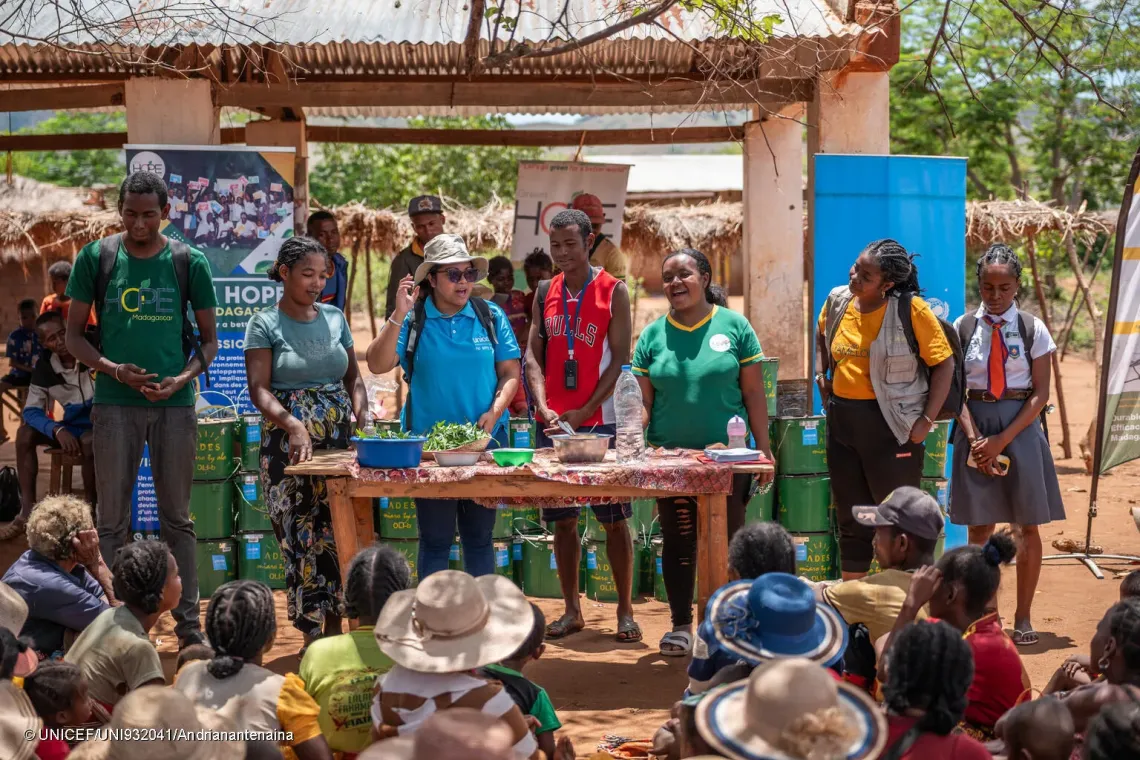
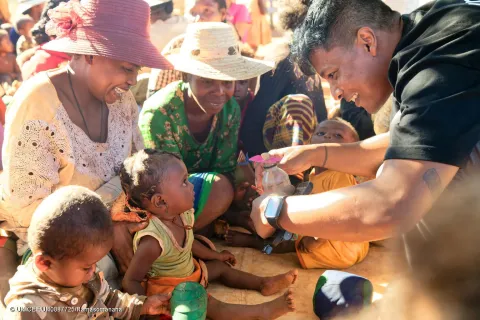
Ankilitelo Ecovillage - UNICEF Nutrition Specialist Sitraka Randrembason, together with partners, sensitizes the community on good nutritional practices before the distribution of the improved cookstoves.
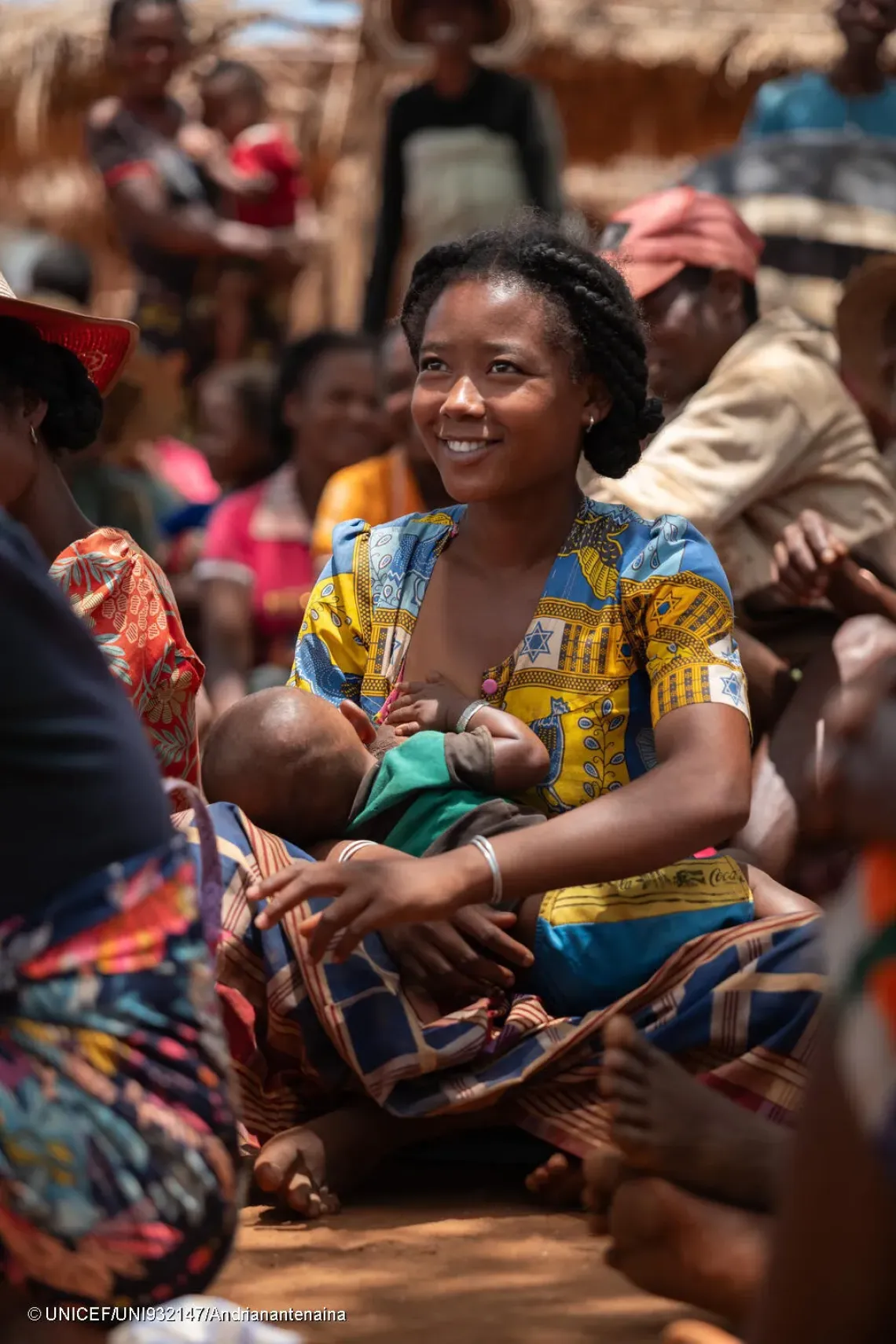
One of the villagers, who continues to breastfeed her child, follows the advice shared by the visitors with great attention.
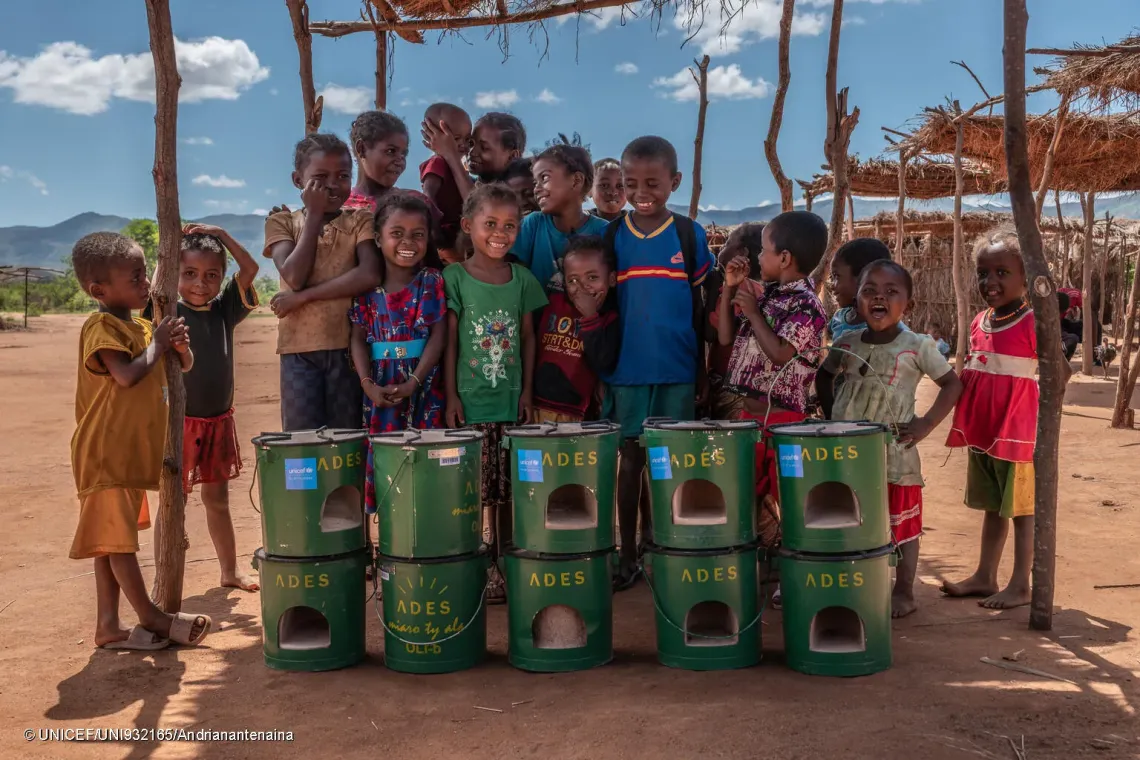
The children sit next to the materials, curious and impatient to receive the share intended for their household.
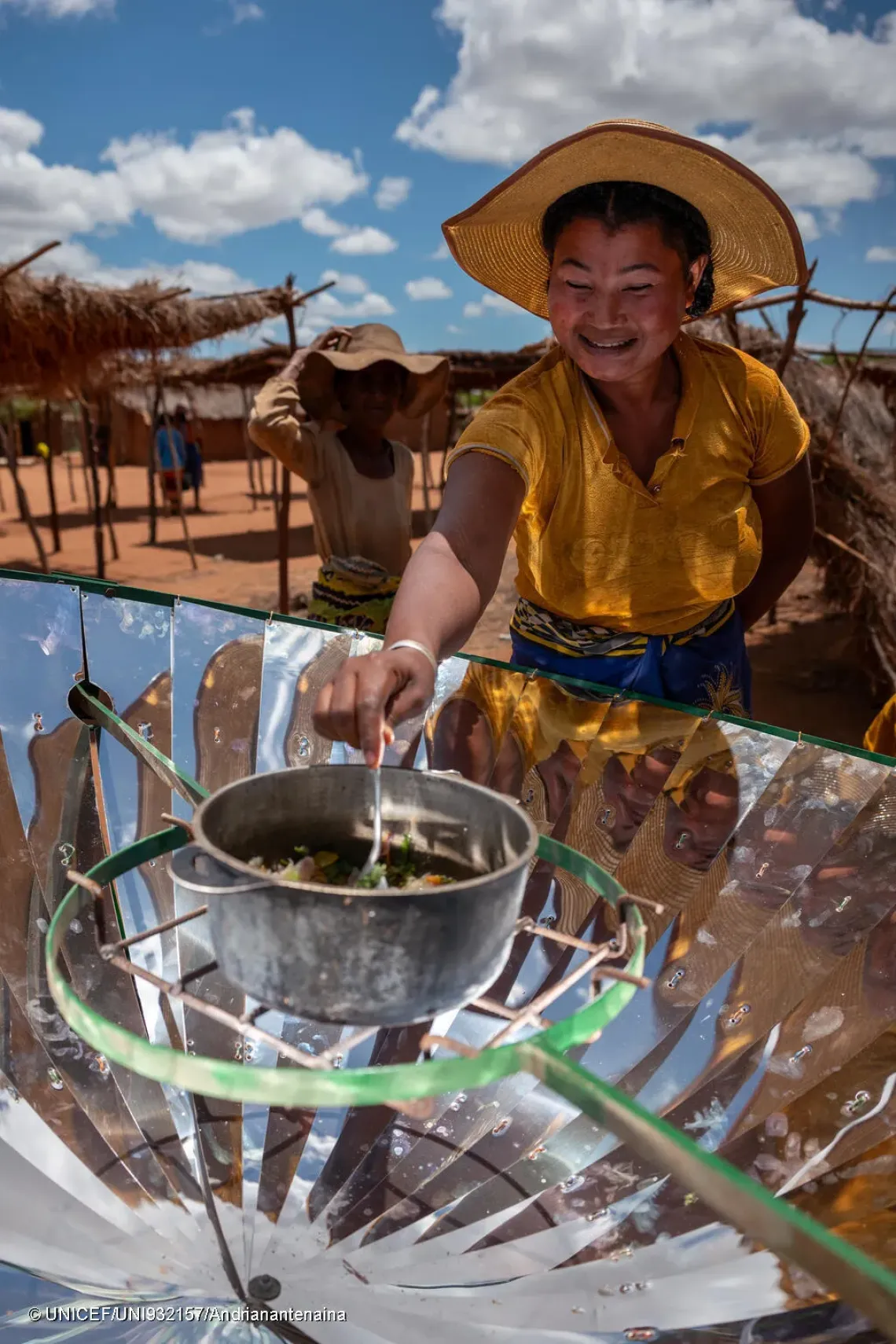
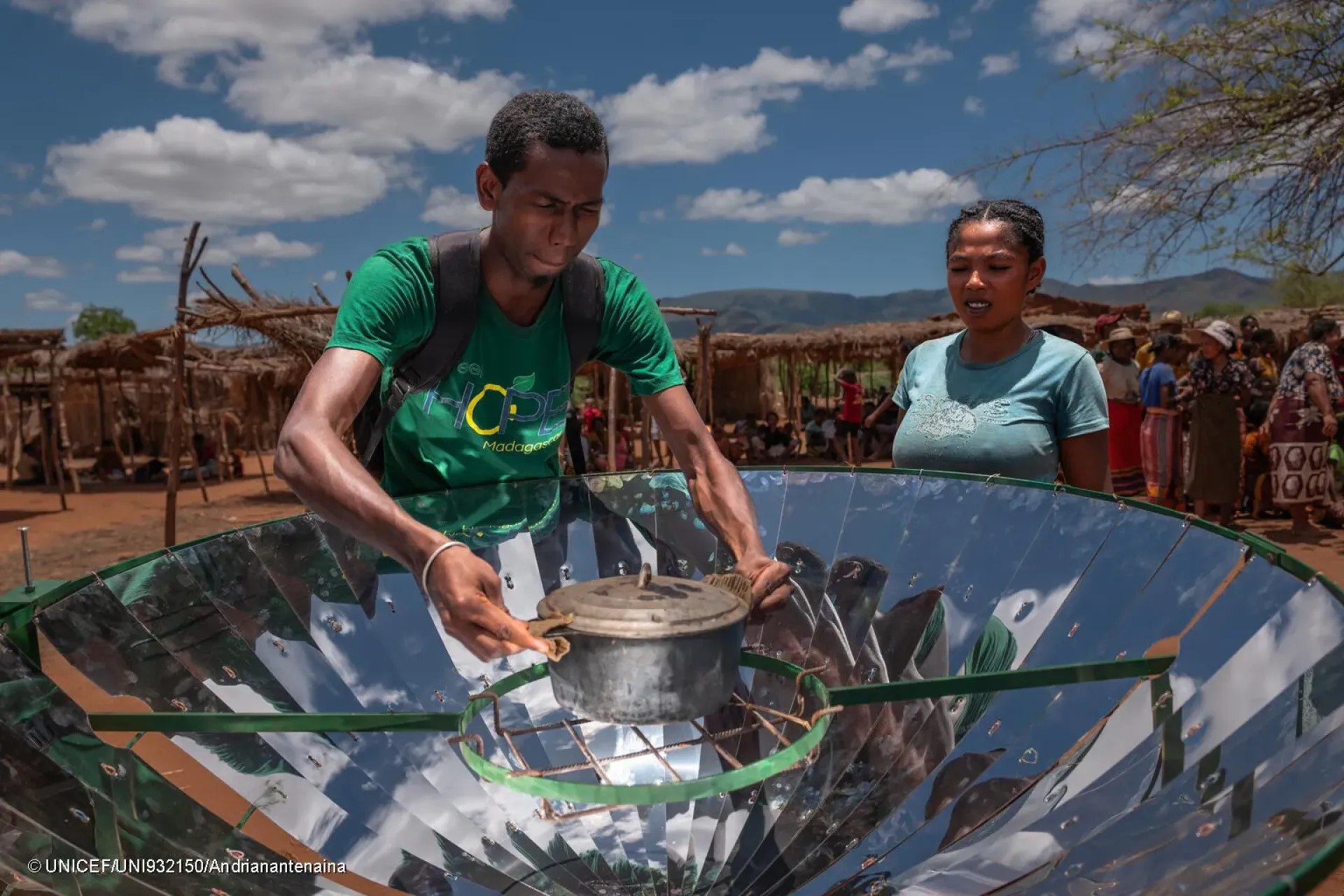
One of the residents checks the cooking of the vegetables, prepared especially for a demonstration with the solar fireplace.
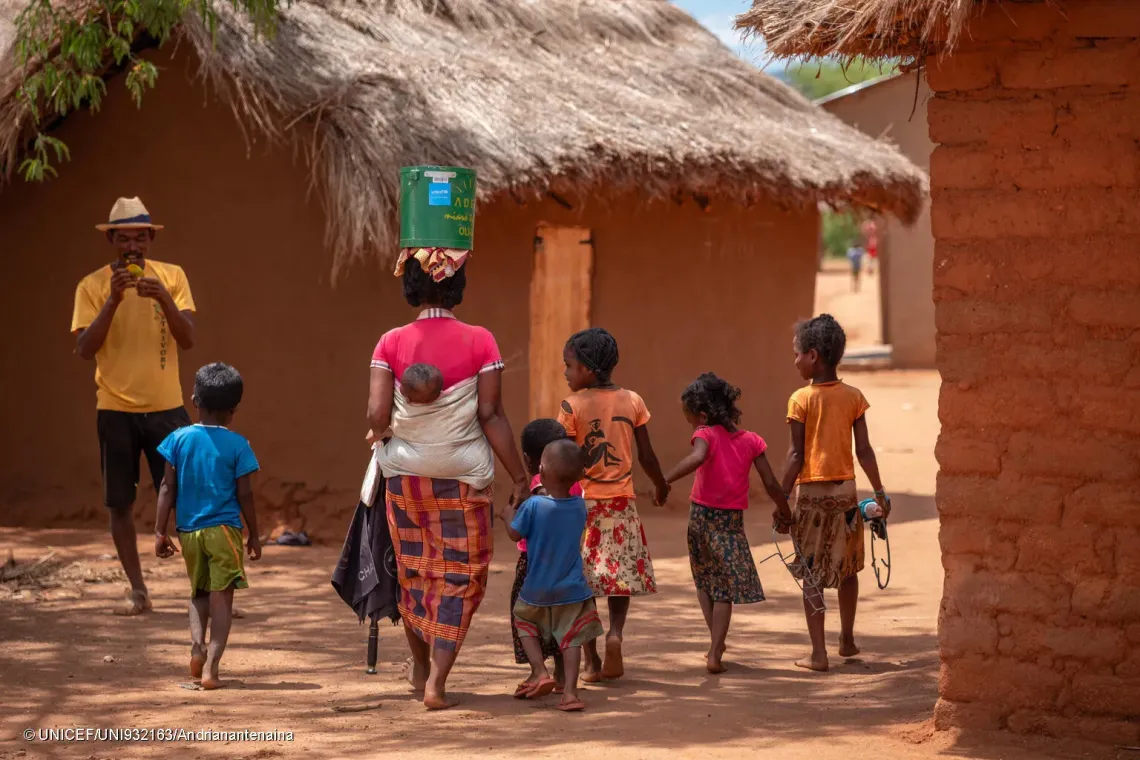
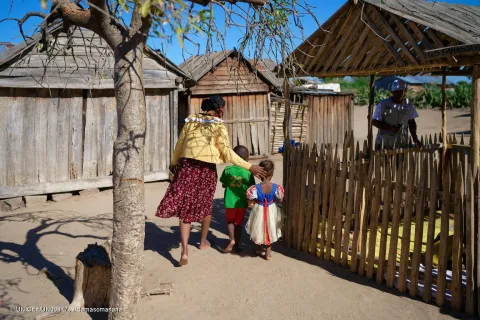
After the distribution, households go home happy and proud of their new and improved home.
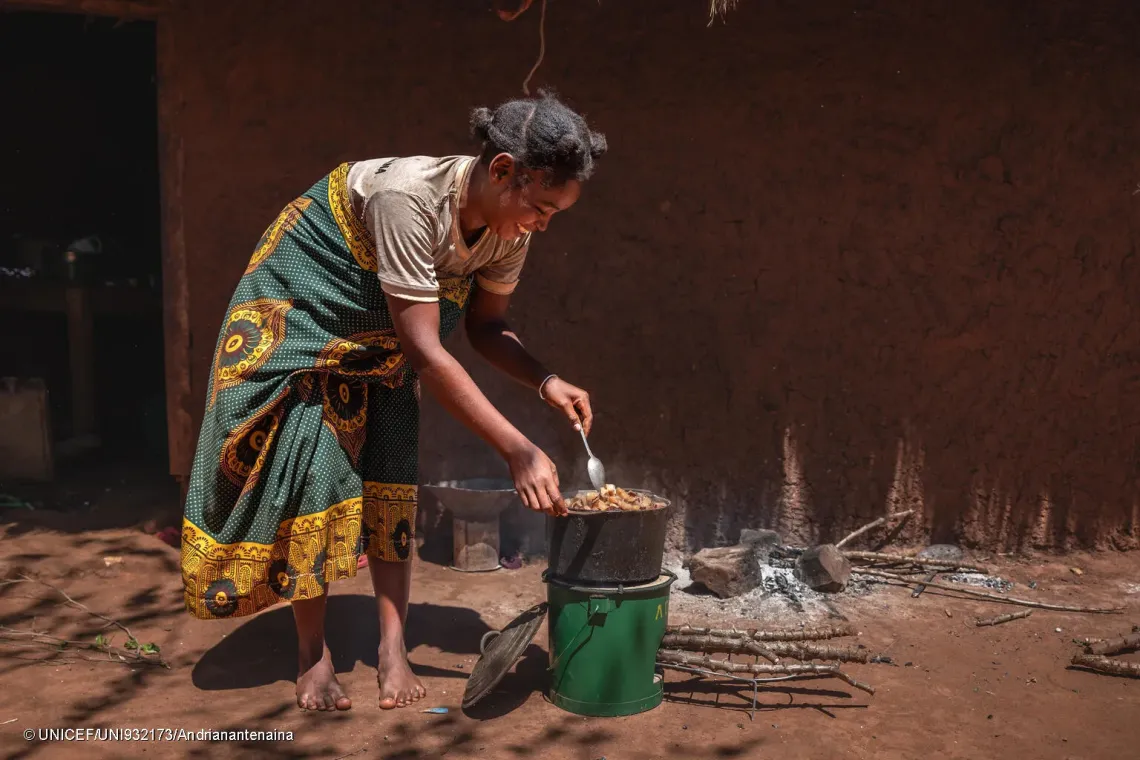
Among them, Navoaky, a mother of three, prepares cassava using the improved stove. "After trying it, I found that it cooks faster and more evenly. Cassava even tastes better," she says.
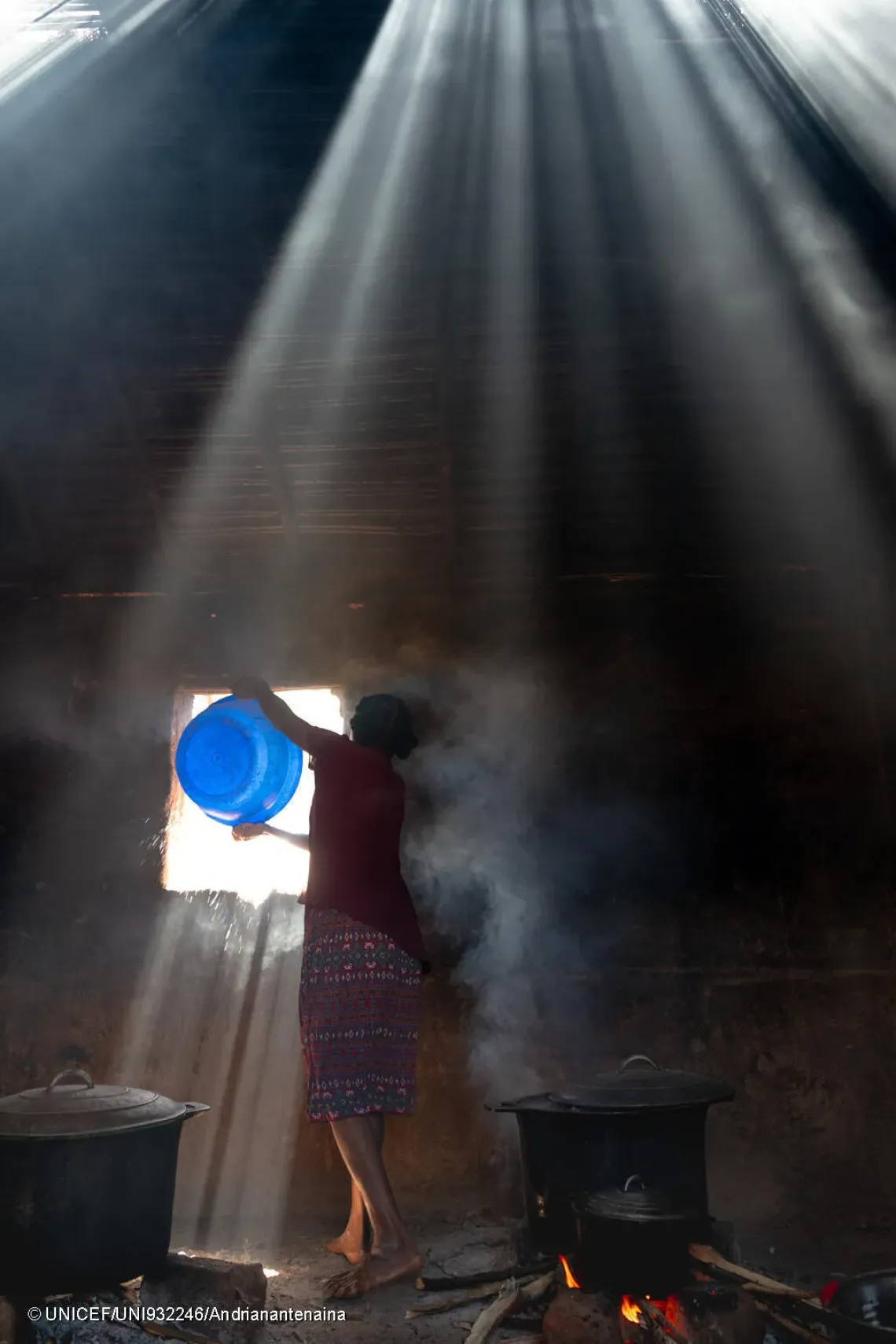
The use of traditional stoves produces a lot of smoke that is harmful to health, especially for young children.
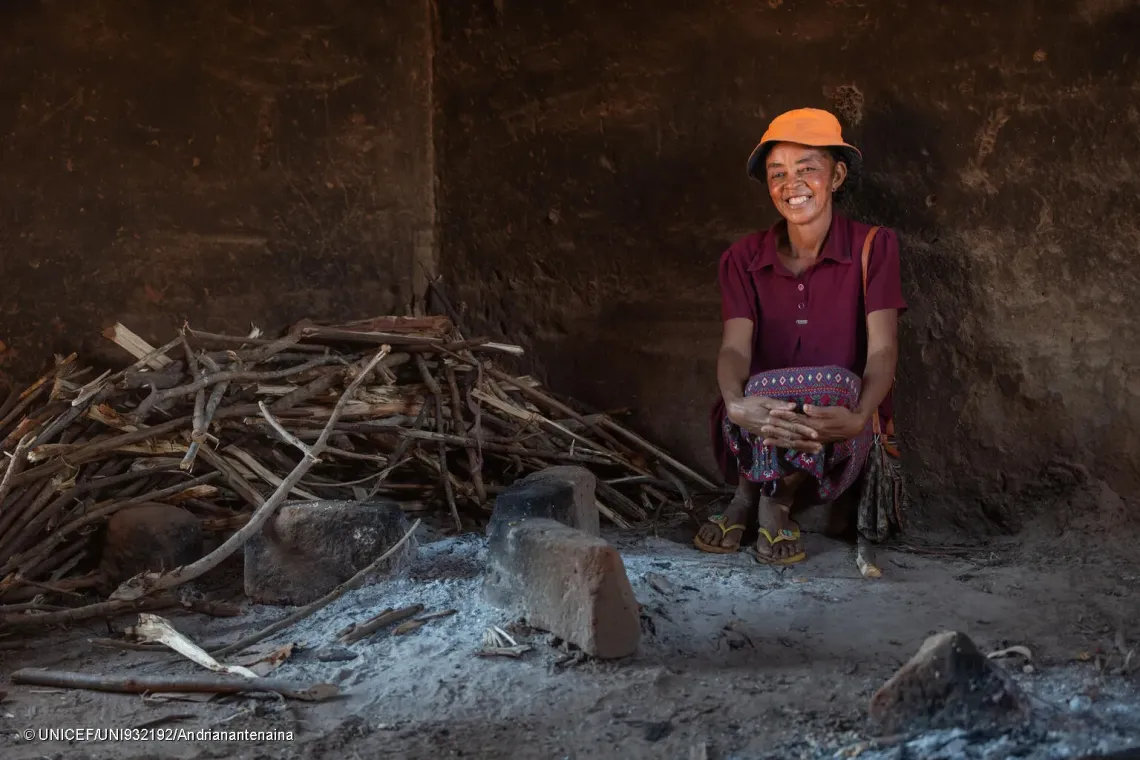
Mary, who volunteers as a cook in the school's school canteen, says the smoke is unbearable and traditional homes use a lot of wood.
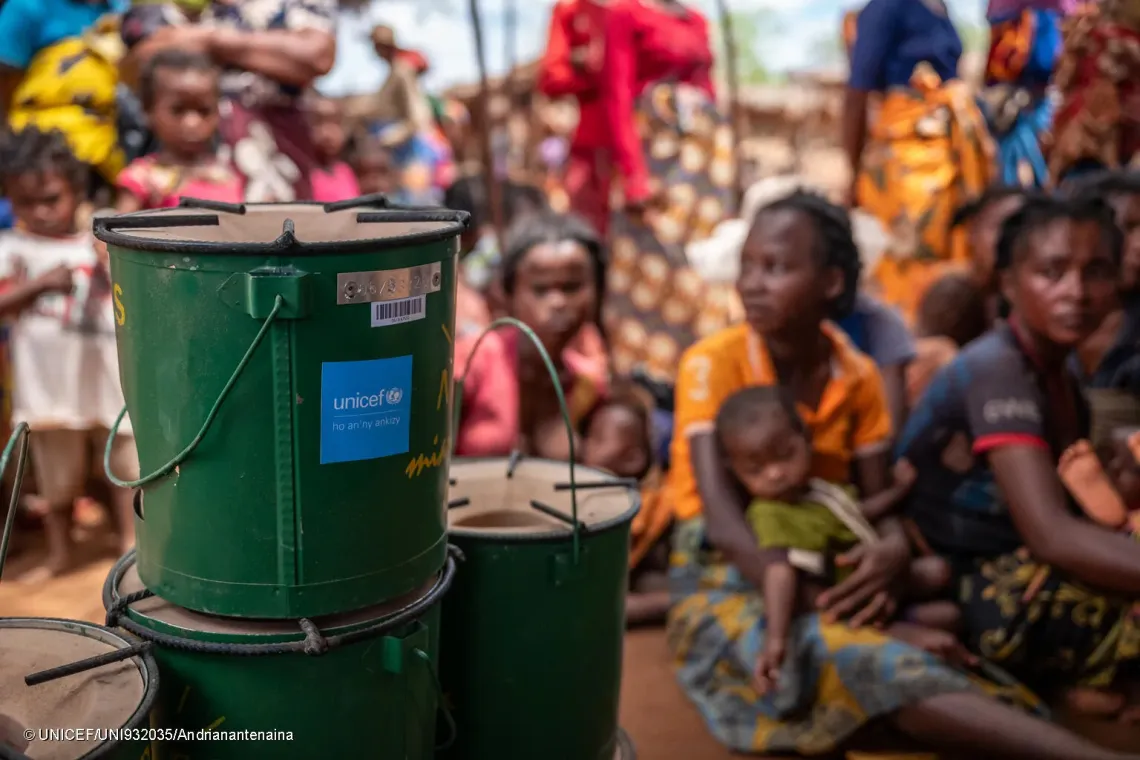
These improved stoves, which are less smoking and more economical with wood, allow parents to no longer spend their time looking for wood and to devote more time to their children.
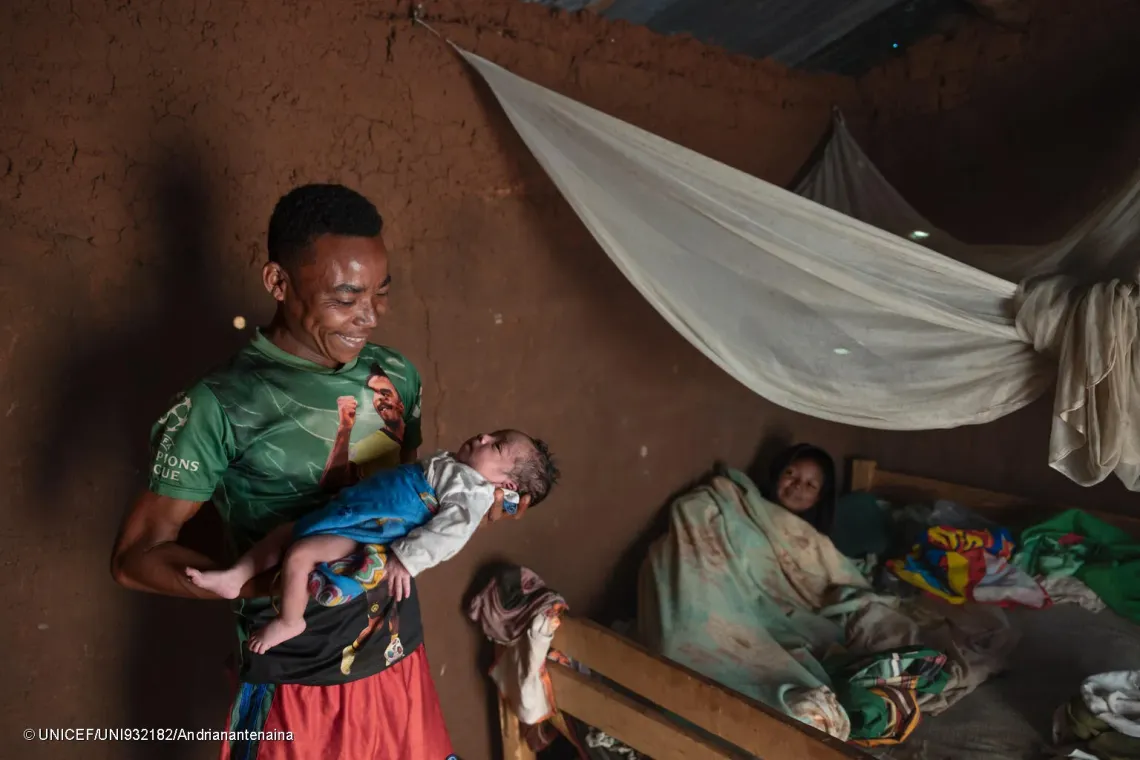
Faholo holds her two-week-old child in her arms, her eyes filled with pride. Her family recently received an improved home. "We are really happy, it helps us a lot on a daily basis," he says, relieved to be able to devote more time to his family.
Note: The Clean Cooking programme is funded by the Korean National Committee for UNICEF.
Note: This ecovillage concept is funded by the National Committees for UNICEF in Belgium, the Netherlands, the United Kingdom (Moondance and Eleva foundations), France, Andorra, Korea, Germany and Norway (Kiwi).