Ministry of Public Health and partners call to protect every child through vaccination despite ongoing crisis in Lebanon

- English
- العربية
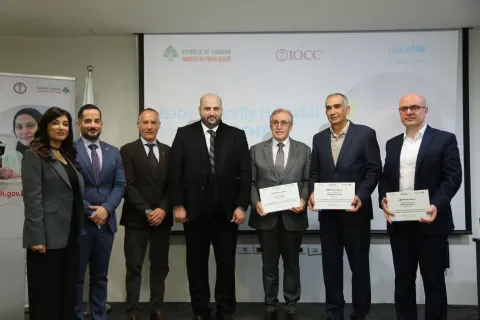
Beirut, 22 April 2026 - Amid ongoing crises, the Ministry of Public Health (MoPH), together with the European Union, UNICEF, WHO, the Lebanese Red Cross and Gavi, marks World Immunization Week with a renewed call to ensure that every child in Lebanon is protected through routine vaccination.
The event also marks the official launch of Lebanon’s National Immunization Strategy (NIS), a key milestone led by the Ministry of Public Health to strengthen and sustain immunization services nationwide. The Strategy sets a clear vision to improve vaccination coverage and reinforce the resilience of the national immunization system, ensuring that every child in Lebanon is reached — especially the most vulnerable.
While the ceasefire offers a critical opportunity for recovery, the impact of the recent escalation continues to affect children and families across the country. Displacement and increased vulnerabilities have placed many children at risk of missing essential vaccinations.
In this context, immunization remains a cornerstone of child survival and a critical first line of defense against disease outbreaks. Vaccines are among the most effective and cost-efficient public health interventions, protecting children from life-threatening diseases such as measles and polio, especially in fragile and crisis-affected settings.
“Despite the immense challenges Lebanon continues to face, protecting the health of our children remains a national priority. Immunization is one of the most powerful tools we have to safeguard every child against preventable diseases,” said the Minister of Public Health Dr Rakan Nasereddine. “We are committed to ensuring that vaccination which serve as the entry point to the essential services at the PHC centers, remain accessible to all, especially the most vulnerable, and we call on parents and caregivers to make sure their children are up to date with their vaccines. By working together with our partners, we can protect the future of our children.”

“Immunization is one of the most effective tools we have to save lives, prevent disease and protect communities,” said Alessandra Viezzer, Head of Cooperation of the EU Delegation to Lebanon. “At a time when Lebanon is facing yet another difficult moment, the European Union is proud to support vaccination efforts and primary healthcare centres across the country. Investing in immunization means investing in stronger health systems, greater stability, and a healthier future for every child”.

“Families in Lebanon have endured weeks of hardship, displacement and uncertainty and we understand how overwhelming this moment is. But protecting children from preventable diseases is critical,” said Andrea Berther, UNICEF Deputy Representative in Lebanon. “Vaccines save lives and protect children from diseases that can cause severe illness or death. When immunization coverage declines, highly contagious diseases can quickly re-emerge, putting all children at risk.

"Vaccines have saved more than 150 million lives over the past five decades,” said Dr. Gabriel Novelo Sierra, Health Emergencies Program team lead at WHO Lebanon. “Funding cuts to global health have put these hard-won gains in jeopardy. Outbreaks of vaccine-preventable diseases are increasing around the world, putting lives at risk and exposing countries to increased costs in treating diseases and responding to outbreaks. Countries with limited resources must invest in the highest-impact interventions – and that includes vaccines.”

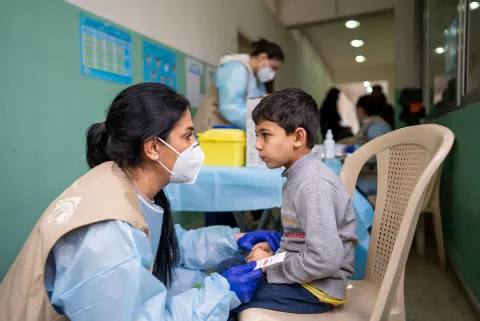
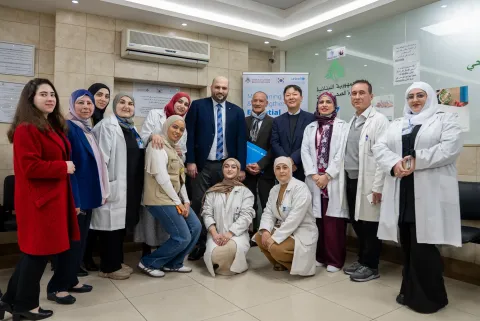
Vaccination services continue to be provided free of charge through Primary Health Care Centres (PHCs) across the country, with funding support from the European Union and Gavi. As the backbone of Lebanon’s immunization programme, PHCs serve as the main platform for delivering routine vaccination services nationwide, ensuring continuity of care and access for children and families despite ongoing challenges. Under the leadership of the Ministry of Public Health, efforts are sustained to maintain national coverage and strengthen the resilience of the health system.
Outreach activities further expand access to vulnerable populations, including displaced families in collective shelters and host communities, through initiatives such as the Ministry’s AaSalameh programme and Primary Healthcare Outreach Units (PHOUs) within UNICEF’s emergency response, helping ensure that no child is left behind.
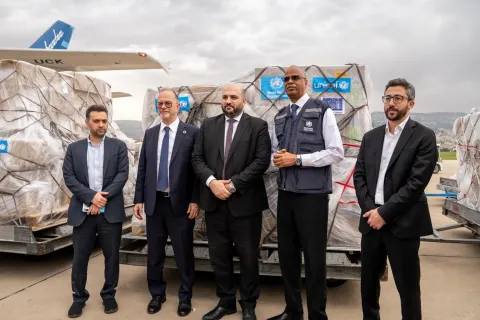
In parallel, UNICEF and WHO support the Ministry of Public Health and its partners, including the Lebanese Red Cross, by strengthening cold chain systems, supporting service delivery, and enhancing coordination and monitoring at the national level. These efforts are complemented by expanding access points to vaccination through PHCs, mobile teams, and community outreach activities, contributing to both immediate response needs and longer-term system strengthening.
As the crisis continues to place additional strain on families and health services, sustained investment in immunization remains essential to prevent disease outbreaks and protect public health. Parents and caregivers are encouraged to review their children’s vaccination records and ensure they are up to date with all recommended doses.
About UNICEF
UNICEF works in some of the world’s toughest places, to reach the world’s most disadvantaged children. Across 190 countries and territories, we work for every child, everywhere, to build a better world for everyone. For more information about UNICEF and its work for children visit www.unicef.org/lebanon/.
Follow UNICEF Lebanon on Facebook, Twitter, Instagram, LinkedIn, YouTube and TikTok.