Vaccines Continue Reaching Children Across Lebanon
Despite displacement and crisis, UNICEF, the Ministry of Public Health, the European Union, and Gavi continue ensuring children across Lebanon receive lifesaving vaccines
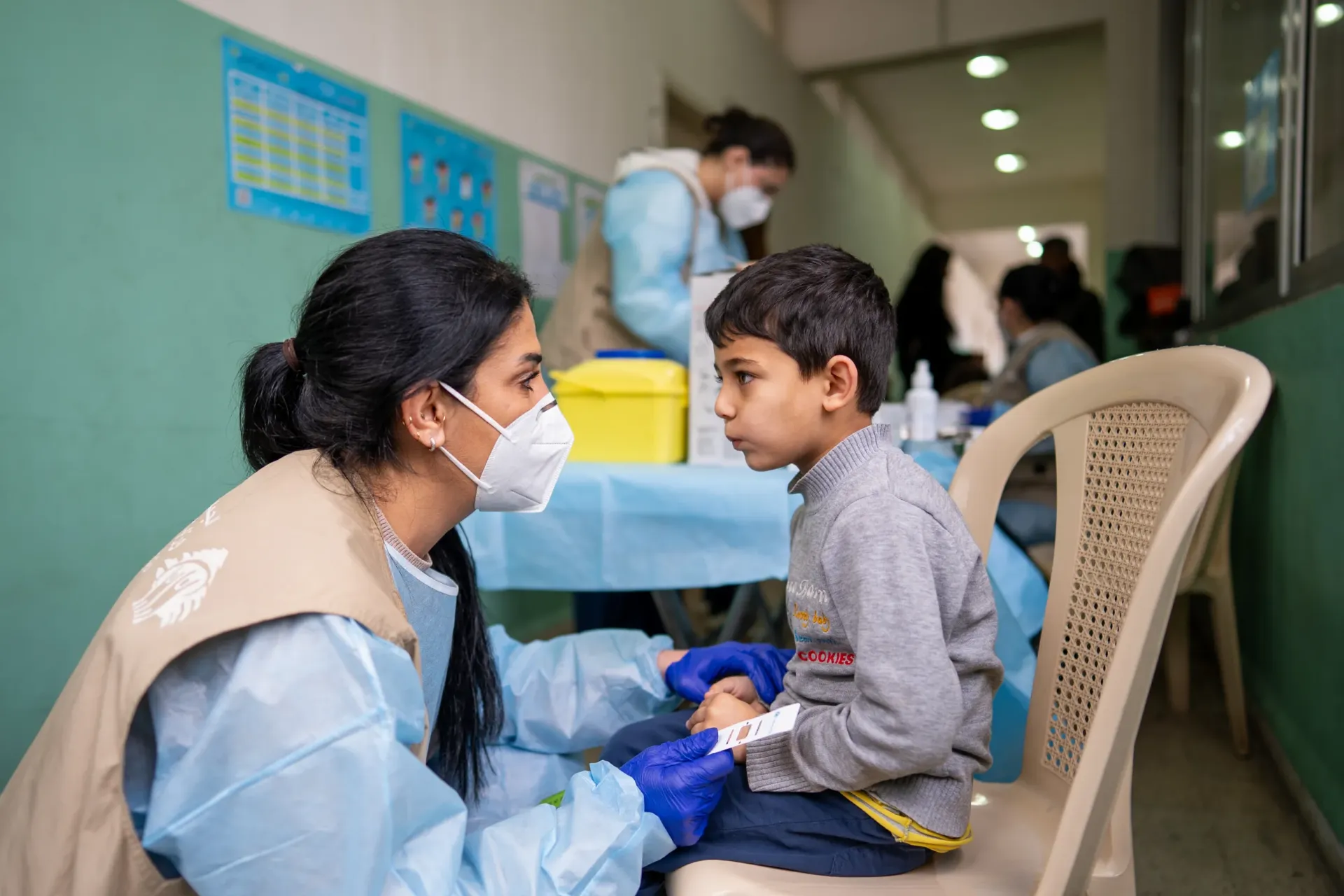
Across Lebanon, thousands of children have been displaced, their lives turned upside down by conflict and uncertainty. Many now live in collective shelters – places never meant to replace the safety of home.
Yet even here, one thing must never be interrupted: their protection from preventable diseases.
“I will never miss my daughter’s vaccines. this is the only way to protect her and others from diseases,” says Zaynab, mother of 13-year-old Lynn.
“Even if we are displaced, we will continue vaccinating our children. I encourage every parent to make sure their children are fully protected,” adds Nabil’s father, whose six-month-old son is receiving his rotavirus vaccine.
Lebanon’s children are increasingly at risk of vaccine-preventable diseases as a convergence of crises has led to a sharp decline in routine immunization.
Determined to reverse this trend, UNICEF—in partnership with the Ministry of Public Health and with the funding support of the European Union and Gavi—is delivering essential health services and routine vaccines to children in collective shelters through Aa Salameh teams.

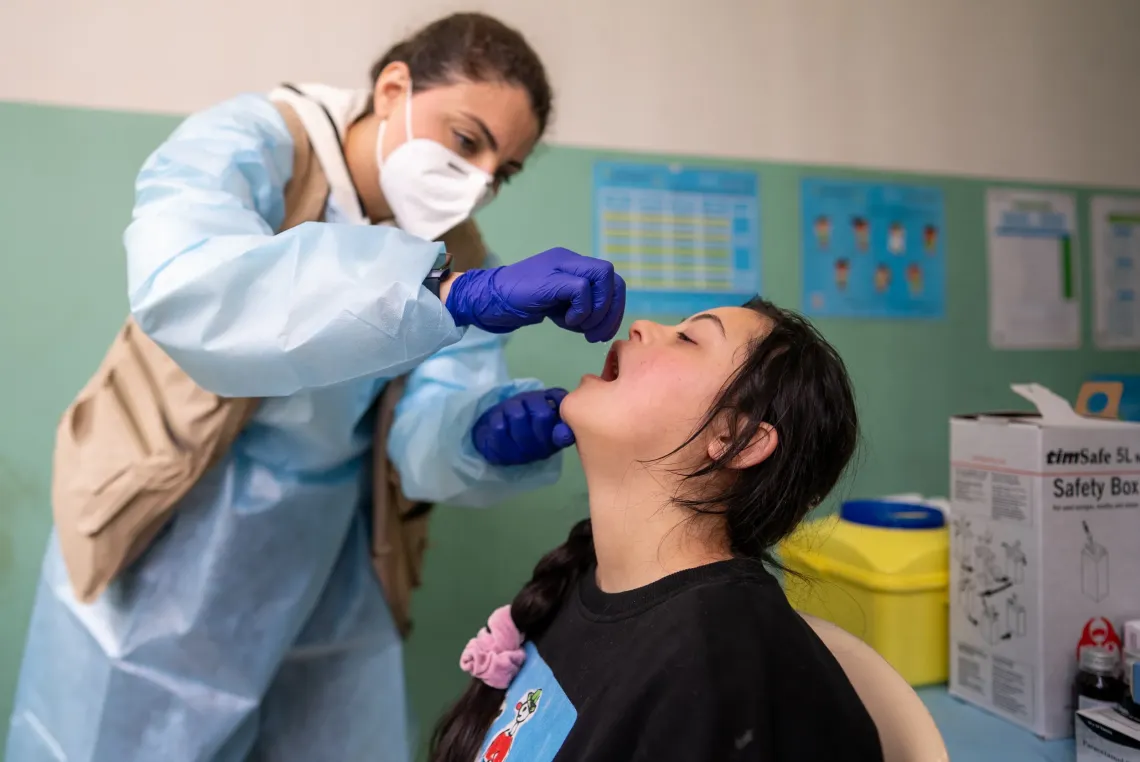

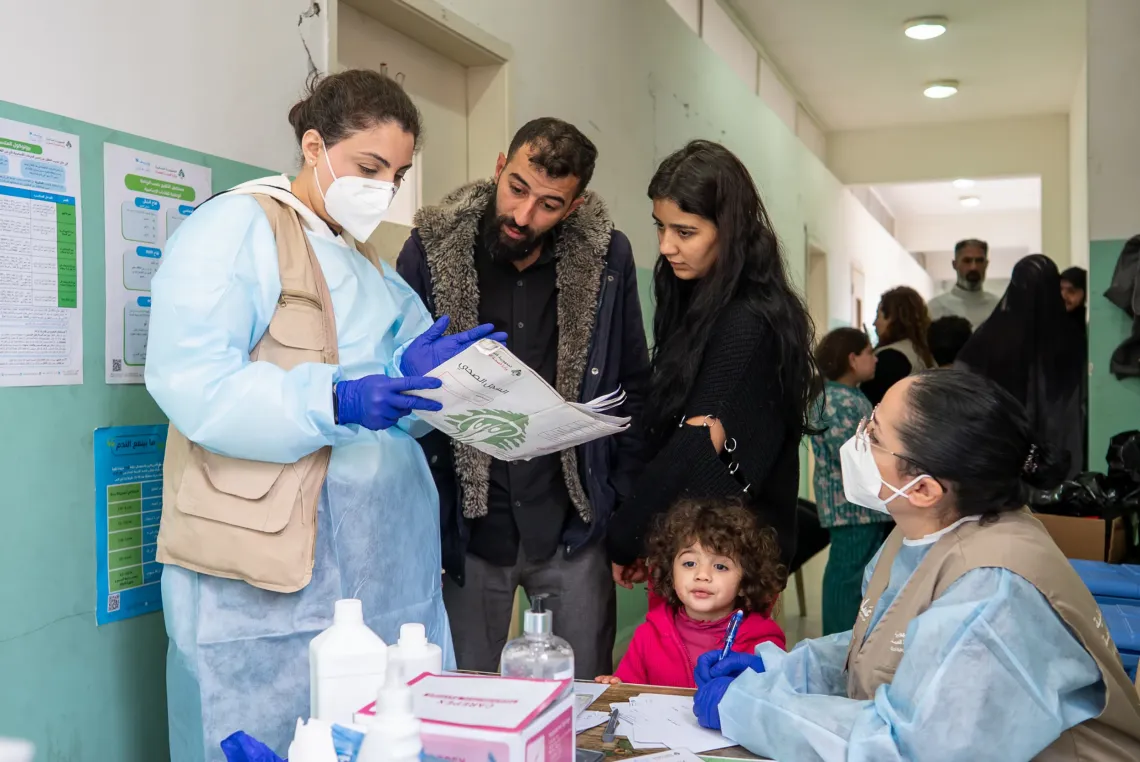

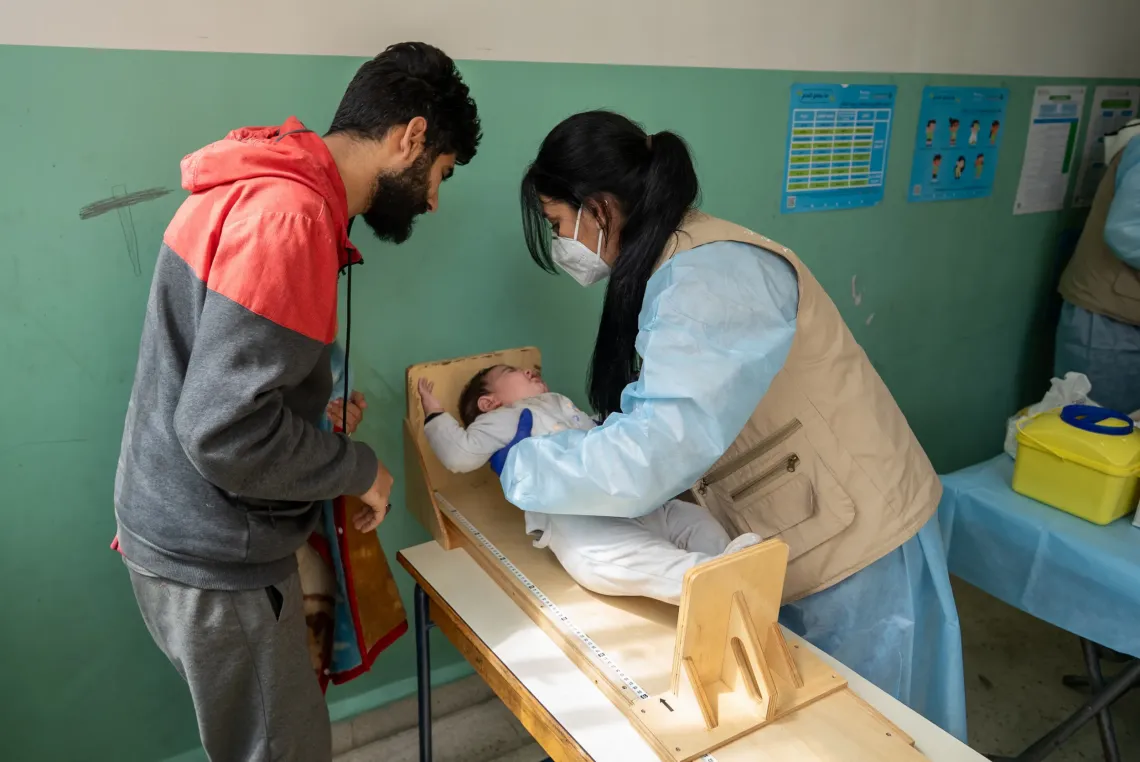
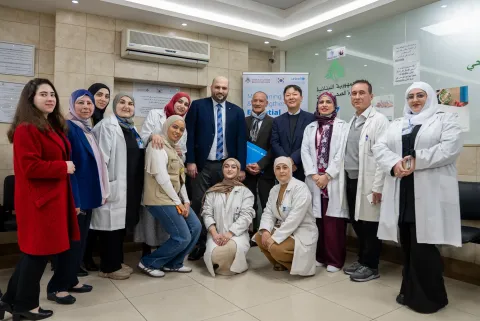
At one of the shelters that now doubles as a primary healthcare centre, Aa Salameh nurses move from child to child, ensuring no one is left behind. Even when vaccination cards are lost in the chaos of displacement, children are not. Each child is assessed. Each child is protected.
Through the Aa Salameh project, UNICEF and the Ministry of Public Health, with funding from the European Union, are supporting access to essential healthcare services for displaced children and women across Lebanon—from maternal care to vaccinations and growth monitoring—helping to protect the health and development of every child.
For families who have lost so much, these moments restore something vital: reassurance. A sense that their children are still seen, still protected, still cared for.
Because crises may disrupt lives—but they should never take away a child’s right to health.
Protecting every child, everywhere, remains a shared responsibility.