FILAC and UNICEF join forces to promote the rights of indigenous children in Latin America and the Caribbean
In the region, 9 out of 10 indigenous children and adolescents suffer some type of deprivation of their rights.

- Español
- English
Panama City, Panama. October 23, 2023.- The Fund for the Development of Indigenous People of Latin America and the Caribbean (FILAC) and the UNICEF Regional Office for Latin America and the Caribbean have signed a collaboration agreement today to promote the rights of indigenous people of the region, with special emphasis on children, adolescents and youth in different areas including having more relevant protection, education and health care.
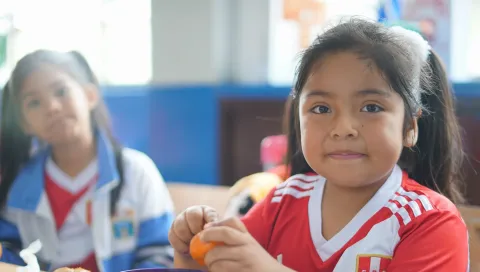
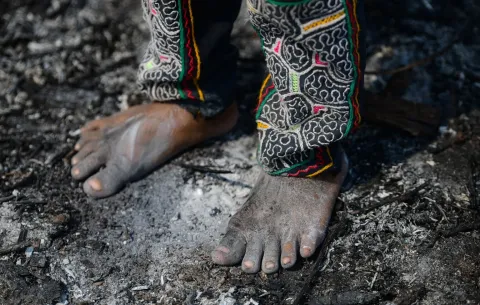
More than 15.5 million indigenous children and adolescents live in Latin America and the Caribbean. Nine out of 10 of them suffer some type of deprivation that distances them from their rights, while facing some type of discrimination derived from their ethnic condition.
To close the inequality gaps faced by indigenous children in the region, FILAC and UNICEF have been working together, especially during the COVID-19 pandemic, to reinforce indigenous intercultural bilingual education (EIB). Among the initiatives are a call to action for the governments of the region to concentrate efforts on strengthening EIB, as well as health services, food and protection against violence; generation of evidence through an EIB study and a microsite that brings together a diversity of learning materials and resources in indigenous native languages and in Spanish, both for face-to-face education and for remote learning.
Today, FILAC and UNICEF reiterate their commitment to develop training, research and advocacy actions to strengthen the capacities of indigenous leaders in promoting children's rights, relevance and quality of educational care, as well as access to essential health and nutrition services, water and hygiene, social protection and protection against violence and exploitation.
The right of participation of indigenous adolescents and young people will also be an area of work, since through their contributions, inclusive responses will be developed to the main problems that affect them, including emergency situations caused by climate change.
“Latin America and the Caribbean will never reach the goals of the 2030 Agenda if we leave indigenous children behind. Five out of 10 indigenous children under five years of age in Andean countries suffer from malnutrition. Almost 9 in 10 of the region's indigenous children are affected by poverty. Countries are investing less and less in programmes relevant to their needs. We must do more to reverse discrimination and limited opportunities for these children. Together with FILAC, UNICEF will promote intercultural and bilingual education initiatives as a first step in our joint work to expand access to all their rights,” said Garry Conille, UNICEF Regional Director for Latin America and the Caribbean.
“FILAC and UNICEF advance a strategic relationship with this agreement, which takes into consideration intersectorality, interculturality, the rights-based approach and international standards in human rights and Indigenous Peoples, with special emphasis on the fulfilment of the rights of children and adolescents as contemplated in the Convention on the Rights of the Child (CRC), ILO Convention 169, the United Nations Declaration on the Rights of Indigenous Peoples and others,” said Mirna Cunningham, Vice President of FILAC.
The collaboration agreement aims to promote public policy dialogue platforms to influence the countries' agenda regarding the right to bilingual intercultural education, access to water, sanitation and hygiene, protection, health and others, through the generation of evidence on knowledge and understanding of the situation of indigenous children and adolescents, thus adding efforts to the implementation of the Ibero-American action plan that promotes the rights of indigenous people.
Media contacts
About UNICEF
UNICEF works in some of the world's toughest places, to reach the world's most disadvantaged children. Across more than 190 countries and territories, we work for every child, everywhere, to build a better world for everyone.
For more information about UNICEF and its work for children, visit www.unicef.org/lac/en.
Follow UNICEF on Twitter and Facebook.
About FILAC
FILAC is an international organization established through a Constitutive Agreement, signed in Madrid, Spain, on July 24, 1992, with the mandate to support the processes of self-development and promotion of the rights of indigenous peoples, communities and organizations of Latin America and the Caribbean, whose governing and operating bodies are based on equal relations between States and Indigenous Peoples. Since 2017, FILAC has had the status of Permanent Observer of the General Assembly of the United Nations (UN).