Learning Across Borders: Kosovo Hosts Sub-Regional Exchange on Early Childhood Intervention
Representatives from North Macedonia and Montenegro visited Kosovo to explore how integrated, family-centred Early Childhood Intervention services are improving developmental support for young children and strengthening systems

Government representatives, health professionals and UNICEF partners from North Macedonia and Montenegro gathered in Kosovo for a two-day regional exchange on Early Childhood Intervention (ECI), exploring how integrated and family-centred services can help young children with developmental difficulties receive timely support while strengthening national systems.
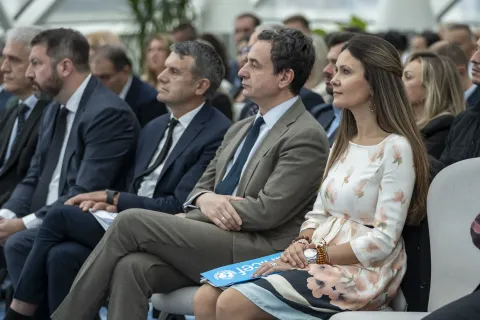
Held on 22–23 July, the exchange brought together decision-makers and practitioners from the health, education and social welfare sectors to share experiences, discuss policy reforms that Kosovo has undertaken in the past two years, and observe how ECI is being implemented in practice. Through policy discussions and field visits, participants examined how countries in the region can strengthen developmental monitoring, improve early identification and expand access to coordinated services for children and their families.
Across Kosovo, North Macedonia and Montenegro, approximately 300,000 children are under the age of six, with more than 45,000 estimated to experience developmental difficulties. Yet developmental monitoring, early identification and ECI services are not consistently available, meaning many children miss the opportunity to receive support during the years when it can have the greatest impact.
Advancing integrated Early Childhood Intervention systems
The exchange began with discussions at the Ministry of Health, where participants were introduced to Kosovo's Early Childhood Intervention Strategy 2025–2030 and ongoing efforts to integrate developmental monitoring and ECI services into the Primary Health Care system.
Participants explored Kosovo's transition from localized pilot initiatives towards institutionalized public services that bring together multidisciplinary teams of speech therapists, psychologists, physiotherapists, social workers, doctors and nurses to address the individual needs of each child and family. Discussions focused on governance, financing, workforce development and coordination across sectors, as well as the lessons emerging from the UNICEF-supported early intervention model implemented in five municipalities through partner NGOs.
The exchange also emphasized the importance of developmental monitoring and early identification. Detecting developmental difficulties as early as possible enables children and their families to receive timely support, reducing barriers to learning, participation and inclusion later in life.
Families at the centre of intervention
A defining feature of ECI is its focus on families as active partners in supporting children's development.
Rather than a medical model that focuses on center-based clinical services, family-centred and community-based intervention builds on children's everyday environments, relationships and routines. Professionals work alongside parents and caregivers to identify practical goals and support children's development through daily activities, play and meaningful participation at home, in preschool and within their communities.
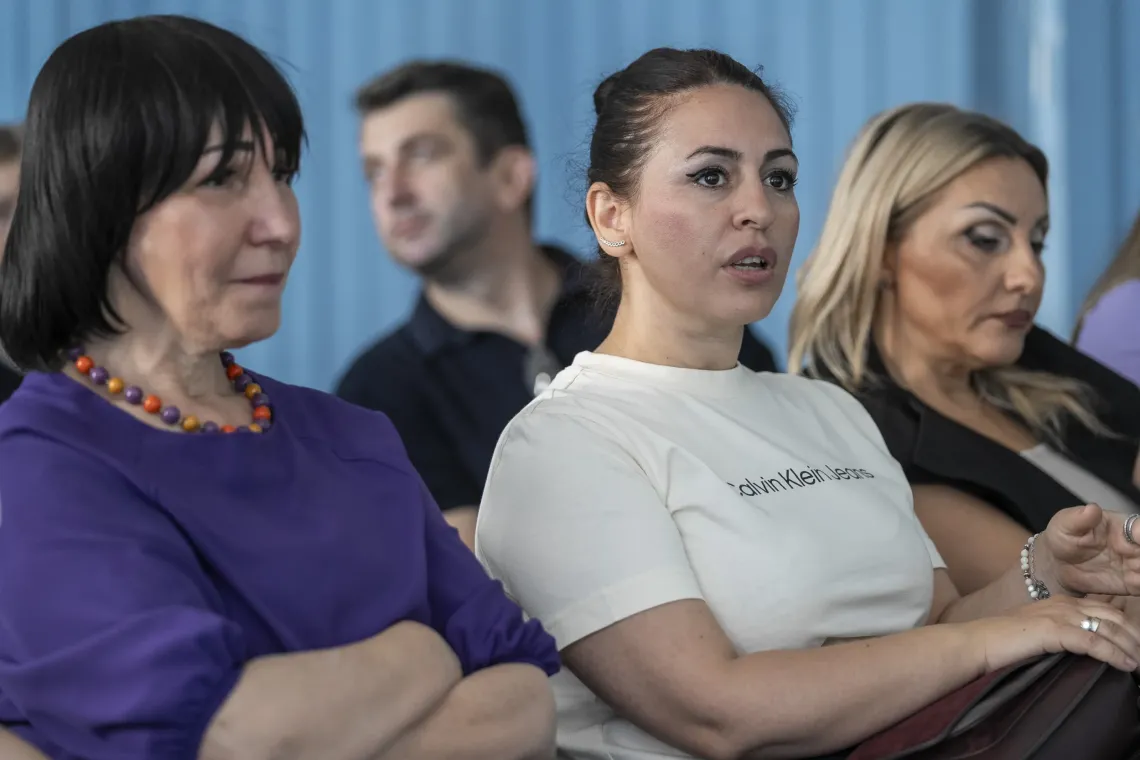
For Ms. Drita Asllani, State Advisor in the Sector of Social Services at the Ministry of Social Policy, Demography and Youth of North Macedonia, Kosovo's experience demonstrated the value of cross-sector collaboration.
"Our places share many similarities, including the way we are developing policies for children with disabilities," she said. "The Early Intervention system in Kosovo has particularly impressed us because collaboration and the exchange of experiences play a vital role in shaping policies that have an impact across the health, education and social protection sectors."
She added that Kosovo's experience offers valuable lessons as North Macedonia continues strengthening its own system.
"We are especially interested in learning how the system is being guided, piloted, budgeted and implemented. Kosovo will serve as an important reference point for us, and we look forward to continuing this exchange of experiences so that we can learn from one another and strengthen our systems together."
From policy to practice
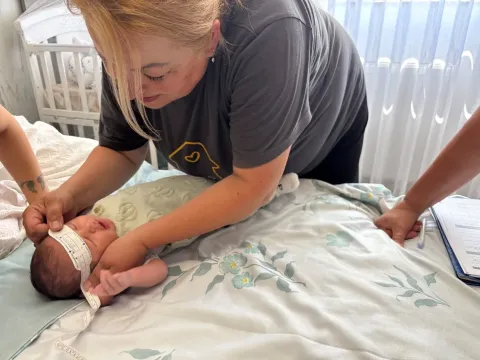
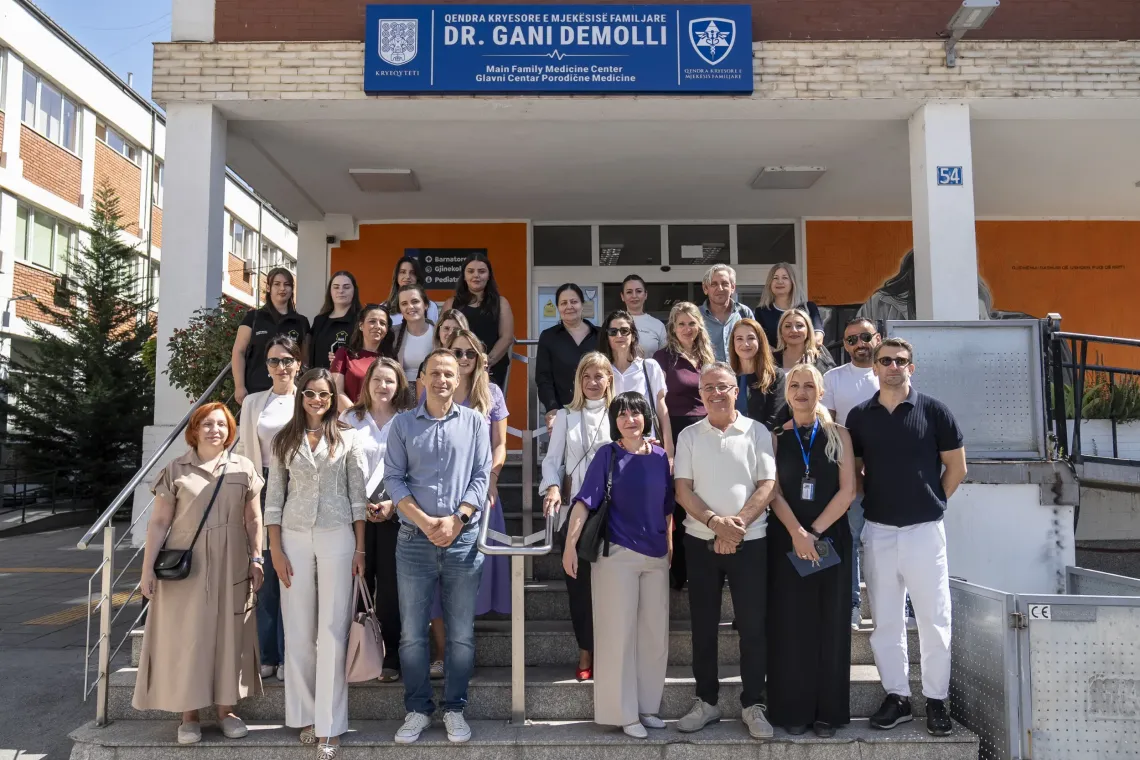
The second day of the exchange provided participants with an opportunity to observe early identification and intervention services in practice through visits to the Main Family Medicine Center in Prishtina, a preschool institution and a family who is receiving family-centered ECI services.
Meeting multidisciplinary ECI teams, participants saw how coordinated, family-centred and routine-based support are being delivered within child’s natural environments.
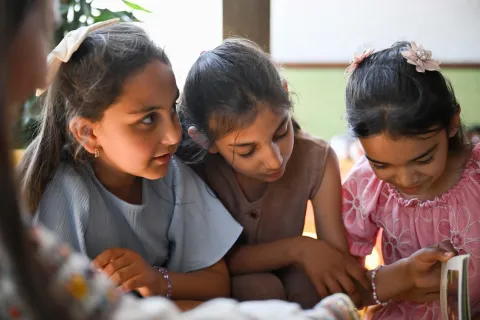
One visit to a preschool illustrated how inclusive ECI enables children to participate alongside their peers while receiving individualized support. Rather than separating children from their classmates, therapists worked through play and everyday interactions, allowing learning, participation and social inclusion to happen naturally.
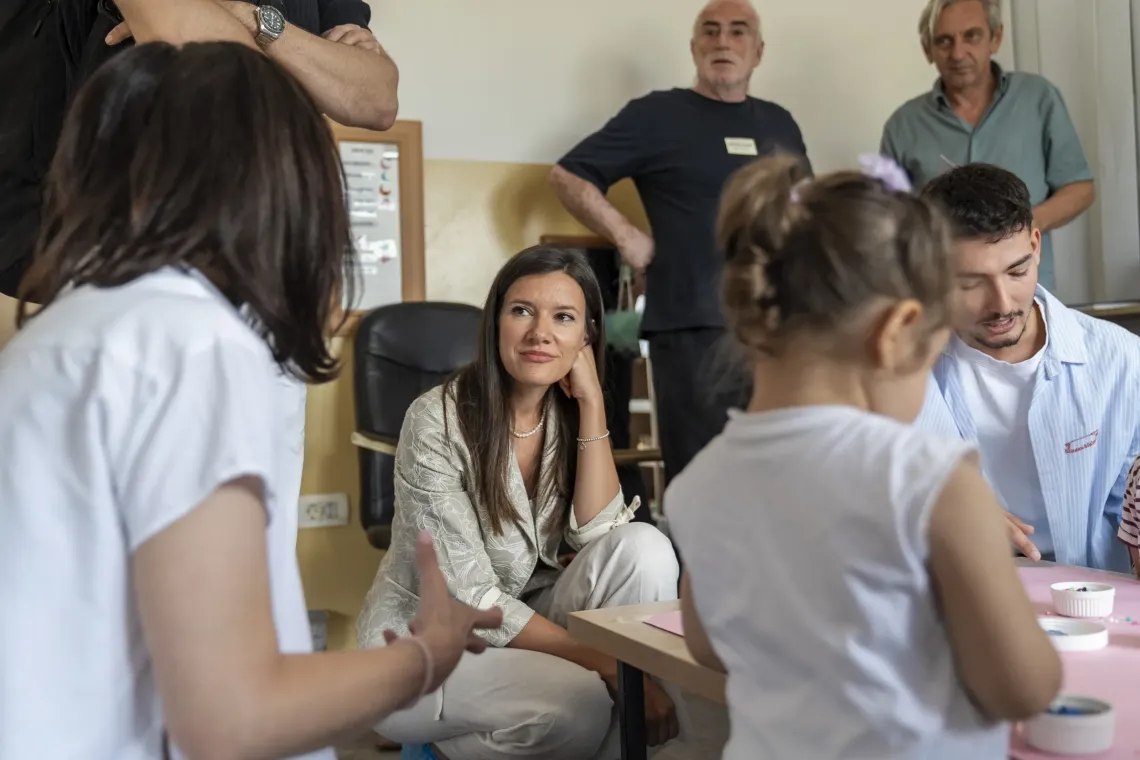
For Dr. Iva Ivanović, Child and Adolescent Psychiatrist and Director of the Center for Early Development at the Clinical Center of Montenegro, the visit demonstrated the value of embedding developmental support within children's daily environments.
"What will stay with me is seeing a child receiving support without being isolated from other children," she said. "She was playing with her friends while therapists stimulated her development through play. The little girls stayed close to their friend and were very supportive of her."
Reflecting on the broader approach, she added:
"I believe that this model of intervention, which puts the family at the centre, will succeed because families are at the heart of our common culture and our daily lives. This model is a very good fit for both Kosovo and Montenegro."
Strengthening regional cooperation
While each place is progressing at a different pace, participants agreed that many of the challenges they face are shared. Building sustainable ECI systems requires strong leadership, a skilled workforce, coordinated referral pathways and long-term investment across multiple sectors.
The exchange highlighted the importance of regional cooperation in accelerating reforms by sharing practical experience, evidence and implementation lessons rather than developing systems in isolation.
Rather than promoting a single model, the visit encouraged participants to identify approaches that could be adapted to their own institutional, financial and cultural contexts.
As Kosovo continues institutionalizing ECI services, exchanges such as this demonstrate the value of peer learning in helping countries strengthen systems that ensure every child receives the right support, at the right time and as close to home as possible.