Prime Minister Kurti, ministers and UNICEF discuss action on children’s and adolescents’ mental health
Strategic dialogue roundtable focuses on timely support and better access to services for children and young people across Kosovo.
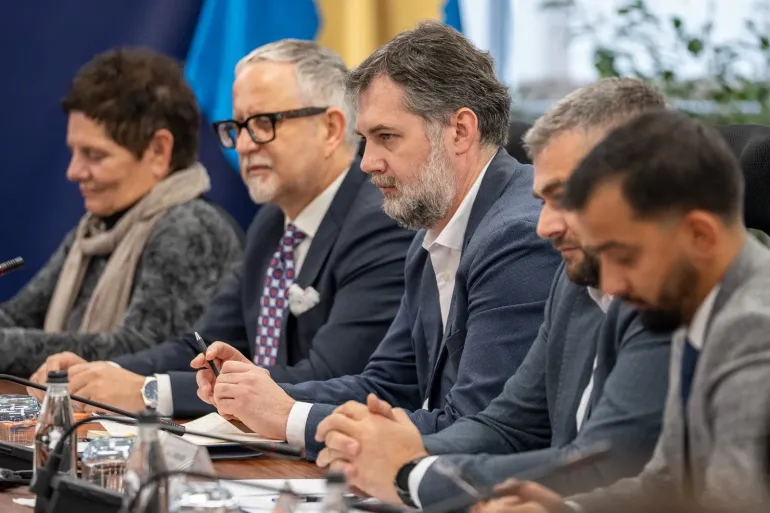
Prishtina, 4 November 2026 – Led by the Prime Minister of Kosovo, Albin Kurti, and organized by the Office of the Prime Minister in partnership with UNICEF, a strategic roundtable today brought together ministers, civil society, academia and mental health professionals to discuss how Kosovo can strengthen mental health and psychosocial support for children and young people.
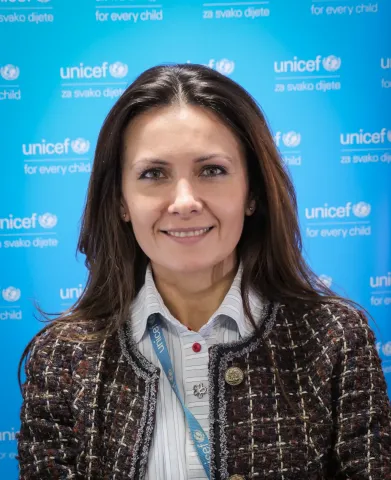
“The Prime Minister’s leadership creates an important opportunity for Kosovo to turn the mental health agenda into lasting improvements for children, adolescents and families. UNICEF is committed to supporting Kosovo in advancing a strong, coordinated and multisectoral system for mental health and psychosocial support, drawing on our global expertise and experience to help translate this commitment into sustainable action and results,” said Dr. Zeinab Hijazi, UNICEF Global Lead on Mental Health.
The dialogue follows the August launch of the “Mapping of Mental Health and Psychosocial Services for Children and Young People in Kosovo”, conducted by UNICEF in partnership with the Institute of Psychology at the University of Prishtina. The report highlights growing mental health concerns and gaps in access to coordinated, timely support.
Discussions focused on translating the findings into practical action to strengthen mental health and psychosocial support system across health, education and social protection. Immediate priorities included the establishment of a multisectoral coordination mechanism to support the development of a multisectoral action plan for mental health and psychosocial support for children and adolescents. Strengthening prevention, equipping frontline professionals and improving referrals would help children receive support earlier and closer to home.
“Children and young people need to know where to turn for help and trust that support will be there,” said Veronika Vashchenko, Head of UNICEF in Kosovo. “This means connecting services, investing in professionals and making mental health a shared priority across institutions. UNICEF stands ready to support this effort.”
Cooperation with civil society and meaningful participation by children, young people and caregivers will be essential to designing trusted services, reducing stigma and reaching those facing the greatest barriers to care.
UNICEF will continue supporting Kosovo institutions and partners to advance the report’s recommendations and build sustainable mental health support for children and families.
Media contacts
About UNICEF
UNICEF promotes the rights and wellbeing of every child, in everything we do. Together with our partners, we work in 190 countries and territories to translate that commitment into practical action, focusing special effort on reaching the most vulnerable and excluded children, to the benefit of all children, everywhere.
For more information about UNICEF and its work for children, visit www.unicef.org.