New evidence calls for healthier food in and around Kosovo schools
In a single day, 96 per cent of students surveyed consumed soft drinks, sugary products or salty processed foods.
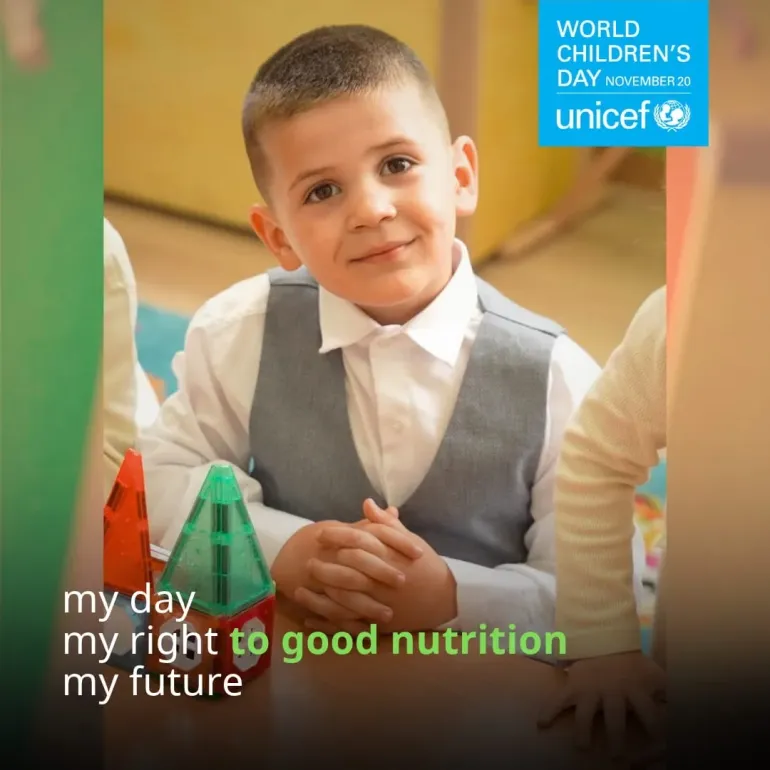
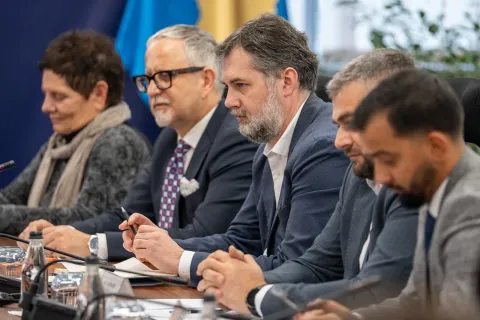
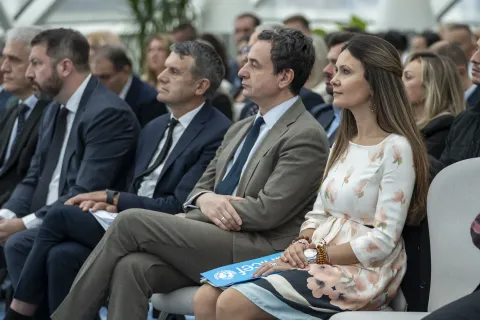
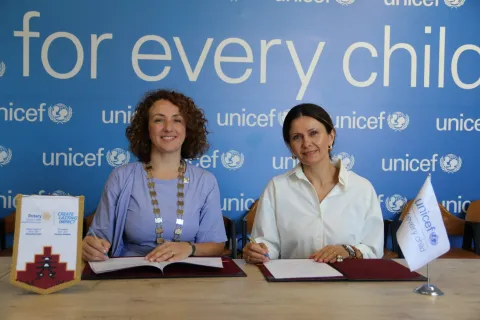
Prishtina, 20 November 2026 – Unhealthy food and drinks were widely available near schools in Kosovo, and school meals were limited, according to a new assessment launched by UNICEF Kosovo and the National Institute of Public Health of Kosovo on World Children’s Day. Most participating schools allowed students to leave during the school day to buy food and drinks. Few schools sold food on site. Where they did, unhealthy options predominated.
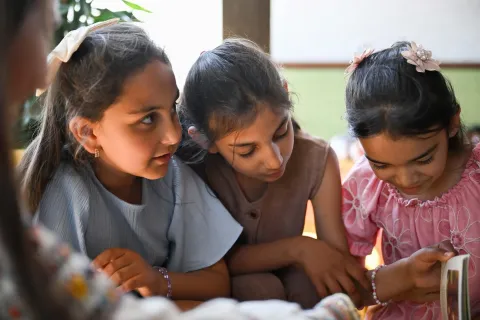
Using the Nutrition Environment Assessment Toolkit for Schools (NEAT-S), the assessment covered 59 schools and 1,803 students. Among the students assessed, 96 per cent consumed at least one soft drink, more than one sugary food or drink, or more than one salty ultra-processed food or processed meat in the previous 24 hours.
Only 29 per cent of participating schools provided nutrition education. Almost all met curriculum requirements for organised physical activity, while 44 per cent had sufficient space and equipment for physical activity that all students could access. Access to safe drinking water also varied. One school piloting full-day schooling showed how schools can provide healthy meals and snacks to children across compulsory grades.
The report calls for a policy and legal framework to improve school nutrition. Its recommendations include gradually introducing a publicly funded school meal or snack programme, setting mandatory nutrition standards for food and drinks served or sold in schools, and restricting the sale and marketing of unhealthy products in and around schools.
The report also recommends strengthening nutrition education, ensuring access to safe drinking water, investing in accessible spaces for physical activity, and setting clear procedures for schools to refer students to primary health care. As Kosovo acts on these findings, the report recommends tracking progress nationally and using students’ experiences to assess whether school conditions are improving.
Media contacts
About UNICEF
UNICEF promotes the rights and wellbeing of every child, in everything we do. Together with our partners, we work in 190 countries and territories to translate that commitment into practical action, focusing special effort on reaching the most vulnerable and excluded children, to the benefit of all children, everywhere.
For more information about UNICEF and its work for children, visit www.unicef.org.