UNICEF-backed femtech startups gain ground in women’s health
Midway through their investment journey, the inaugural cohort of 11 startups from Africa and Asia, supported by UNICEF Femtech Ventures, shares what it takes to build frontier tech for girls and women

During their first six months of UNICEF funding and mentorship, the inaugural Femtech Ventures startups have made notable progress developing their solutions.
Several startups are working to establish government partnerships. This is gradual, critical work as it helps secure widespread buy-in for their public good solutions addressing equitable access to health, wellbeing and sexual and reproductive health and rights (SRHR) for girls and women.
The founders are also learning from each other. A challenge solved by one startup – a regulatory hurdle cleared, a testing approach that worked – becomes a shortcut for the next.
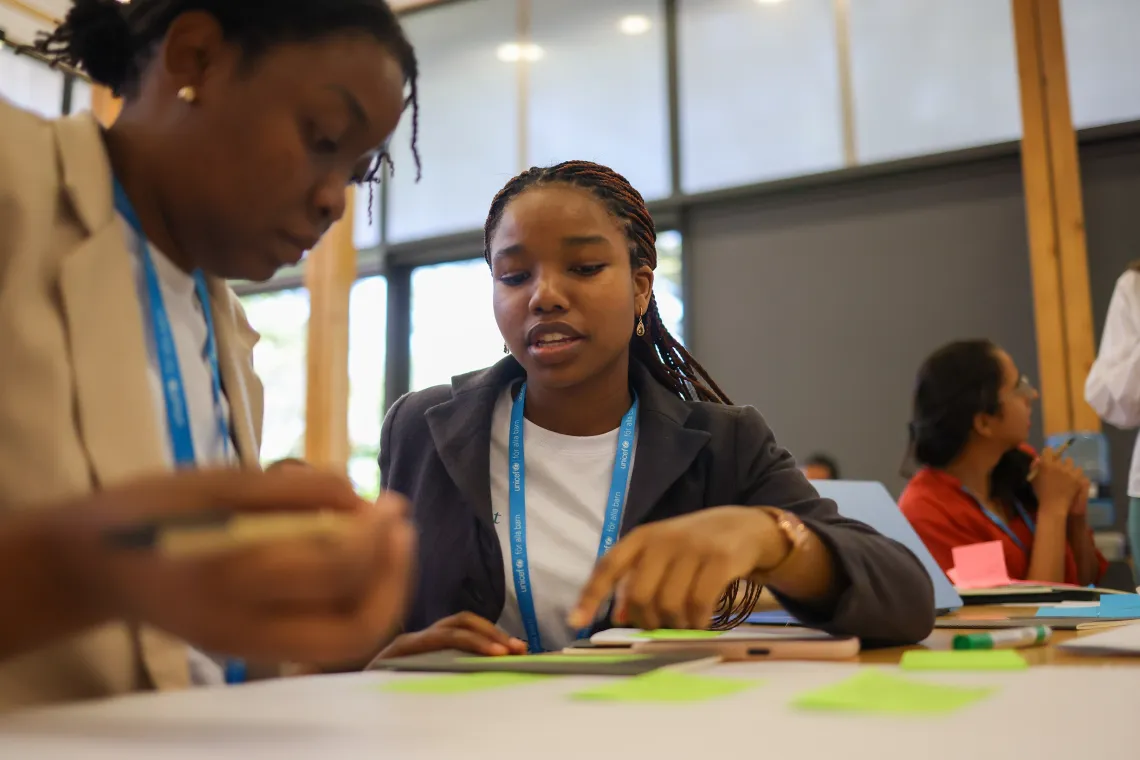
User research is reshaping products in real time. Founders building AI tools have run into a challenge: training large language models (LLMs) to understand multilingual users who move between dialects and languages mid-sentence. Solving it means building for how girls and women speak, not how datasets assume they do.
Distribution brings its own trade-offs. Users are already on Facebook and WhatsApp, but meeting them there means weighing data privacy and the costs these platforms may carry down the line.
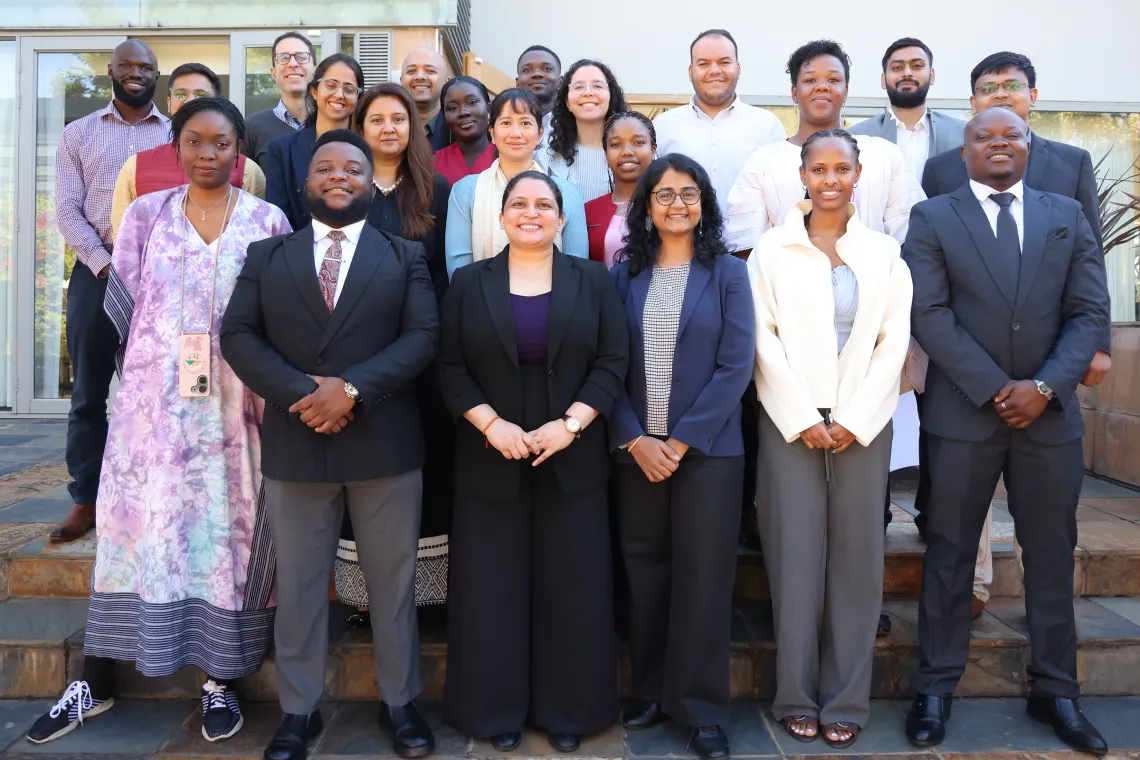
Lessons learned by one strengthen the whole. That is the purpose of Femtech Ventures: growing an ecosystem of frontier tech businesses through investment, mentorship and community.
Read on to find out how the start-ups are gaining traction and making progress.

Africa






Asia





UNICEF Femtech Ventures is supported by the Government of Sweden and Temasek Foundation, partners investing in frontier tech founders so that more girls and women can access health, wellbeing and SRHR solutions designed around their lives. This cohort builds what that backing makes possible.