Advancing health and opportunity for girls and women
UNICEF announces its first Femtech Ventures cohort, backing frontier tech founders across Africa and Asia to expand equitable access to health, wellbeing and sexual and reproductive health and rights
- English
- Français
For millions of girls and women, access to quality care, trusted health information, safe mobility and digital economic opportunity remains uneven or out of reach. The inaugural Femtech Ventures cohort marks a deliberate shift – from documenting equity gaps to backing the entrepreneurs closing them.
Each selected startup will receive up to US$100,000 in equity-free capital, alongside technical support to test, strengthen and validate solutions leveraging artificial intelligence (AI), data science and blockchain.
"Girls and women deserve health systems, digital tools and economic pathways designed for their realities. Femtech Ventures backs solutions that help bridge access gaps and expand opportunity. By pairing catalytic capital with technical rigour, we strengthen promising startups so they can grow responsibly and deliver lasting impact.”
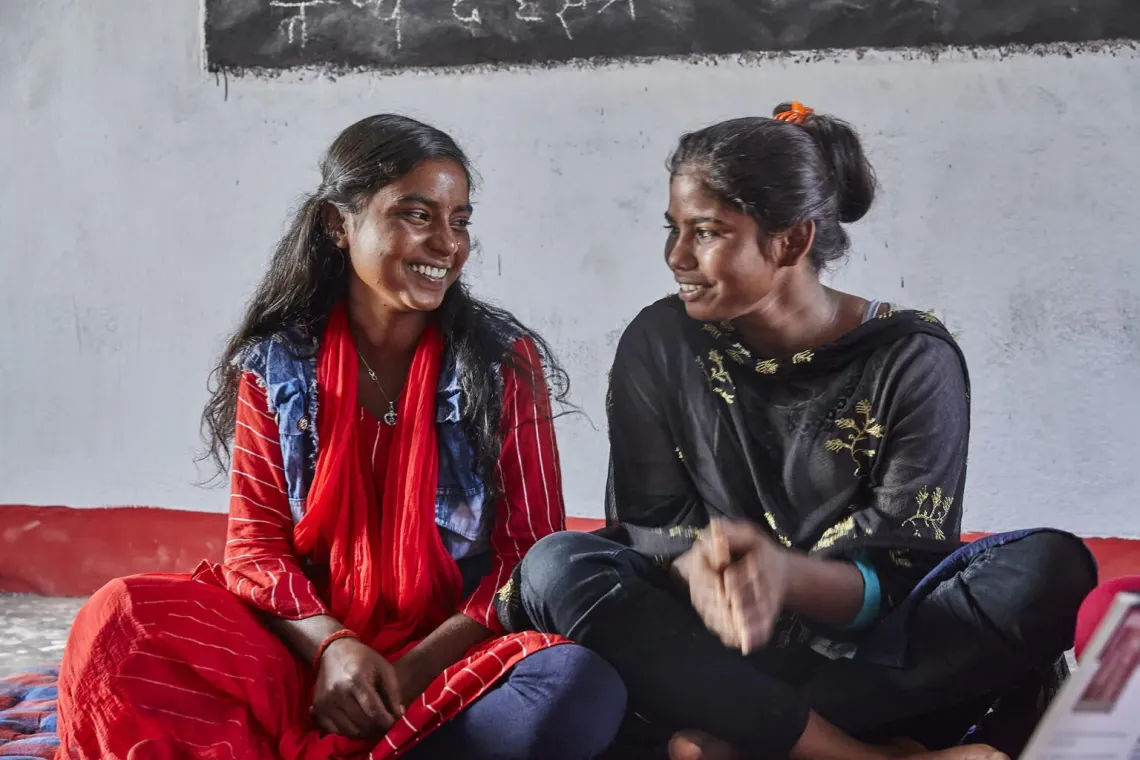
10 solutions, 7 countries, 1 purpose
Since 2014, the UNICEF Venture Fund has invested in 92 early-stage startups across emerging markets, providing equity-free capital – in both fiat and cryptocurrency. These ventures have reached over 114 million people and raised 12.4 times the initial capital invested. Close to half of the startups are woman-led.
With support from founding partners, Sweden and Temasek Foundation, Femtech Ventures builds on that foundation with a five-year (2025-2030) focus on the potential of the femtech market to power possibility-driven innovation through a series of tailored calls for funding applications.
The first Femtech Call received over 1,100 submissions from 85 countries – more than half from Africa – proving the hidden strength of this growing market.
“Sexual and reproductive health and rights (SRHR) are improving globally, meaning more lives are being saved thanks to the right knowledge and appropriate care, but there is still more to do. Investing in cutting-edge startups backs groundbreaking innovation and helps build an ecosystem of support around girls and women."
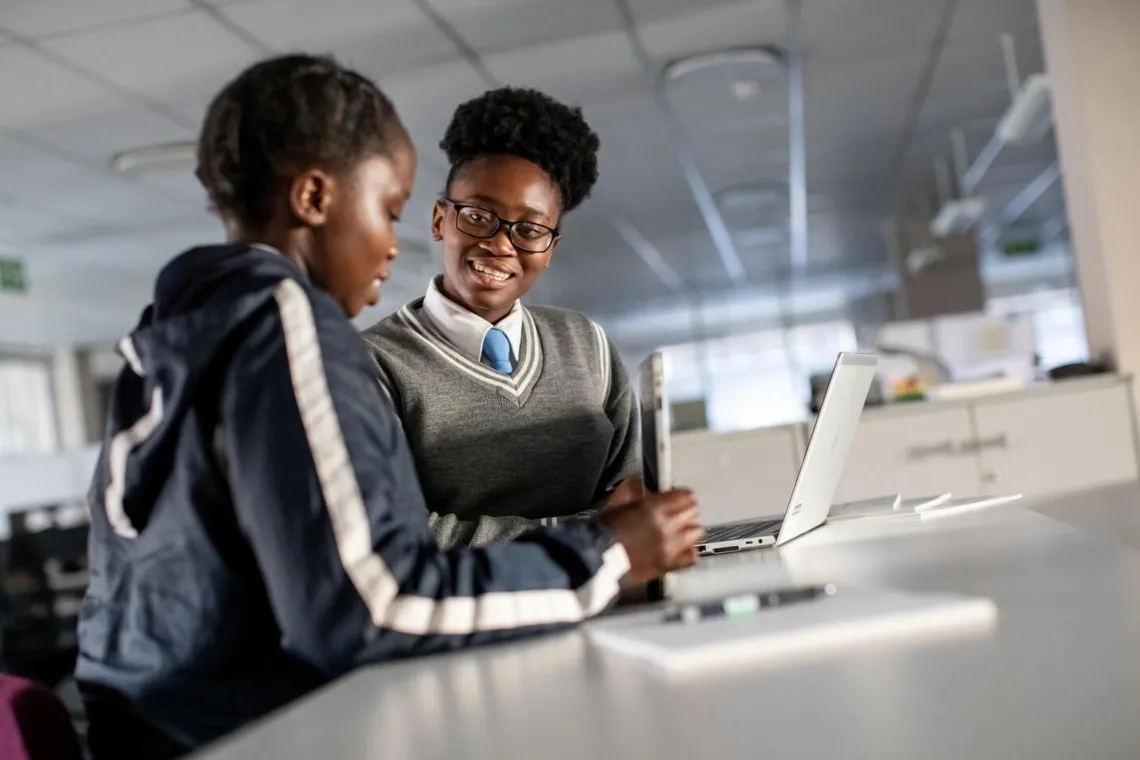

Selected from a shortlist of 151 startups (89 per cent of which were woman-led) from 53 countries, the 10 startups are creating a range of innovative solutions:

Startups
Dotoh uses low-bandwidth voice and video teleconsultations, asynchronous audio chat, geolocation-based referrals, encrypted digital health records and AI-enabled messaging to address gaps in access for women, adolescents and youth in underserved areas.
FemHealth Data Collaborative, by Civic Data Lab, uses data analytics, AI and machine learning, to build an open, standardized, gender-responsive data ecosystem and actionable insights for governments and civil society groups.
Nurtura, by Doto, is designed for low- and middle-income countries. It continuously monitors maternal vitals and fetal parameters, automates partograph plotting and cardiotocography interpretation, and uses risk-stratification algorithms to trigger real-time alerts and differentiated care pathways.
Uli, by Tattle, monitors users’ social media feeds. By combining a recognized digital public good (DPG), a large crowdsourced multilingual abuse dataset and AI-based detection systems, it offers a technically grounded and socially relevant approach to identifying abuse and connecting users to support networks.
VivaMama provides structured, evidence-based AI-powered support during the critical months after childbirth, delivering accessible, culturally contextual care, helping women manage lactation, recovery and general wellbeing.
Bahasa Ibu, by Ibu Punya Mimpi, engages mothers to record, annotate and validate everyday local language, building culturally grounded data while creating dignified digital work, making AI more inclusive and expanding women’s participation in the digital economy.
SafeRide, by Esheria, addresses safety gaps for women in public transport through an offline-first, privacy-preserving assistant that enables structured reporting and safer referrals.
HLlama, by Umbaji, is an open-source multilingual WhatsApp chatbot, using speech recognition, translation and AI-generated content in local languages to deliver antenatal and maternal health guidance, financial tools and help with civil registration processes.
Feel by Luna allows users to privately record symptoms in French, Arabic or Tunisian, which are transcribed and structured into a clear clinical timeline that healthcare providers can act on.
DawaMom, by Dawa Health, is an AI-enabled solution designed to reach women in underserved African communities by combining a multilingual chatbot with community health worker outreach, last-mile logistics and secure digital records to support antenatal, postnatal and cervical cancer prevention service.
Kairos is a social media monitoring tool to detect misinformation on gender rights and reproductive health.
These solutions are designed and built in the markets where the need is greatest – addressing structural barriers with locally grounded technology.
Through this first Femtech Ventures cohort, UNICEF and partners are working with entrepreneurs in Africa and Asia to de-risk future investment by directing catalytic capital towards locally built innovation. It is an investment to imagine, redesign and deliver the future of women’s health, with frontier technology.
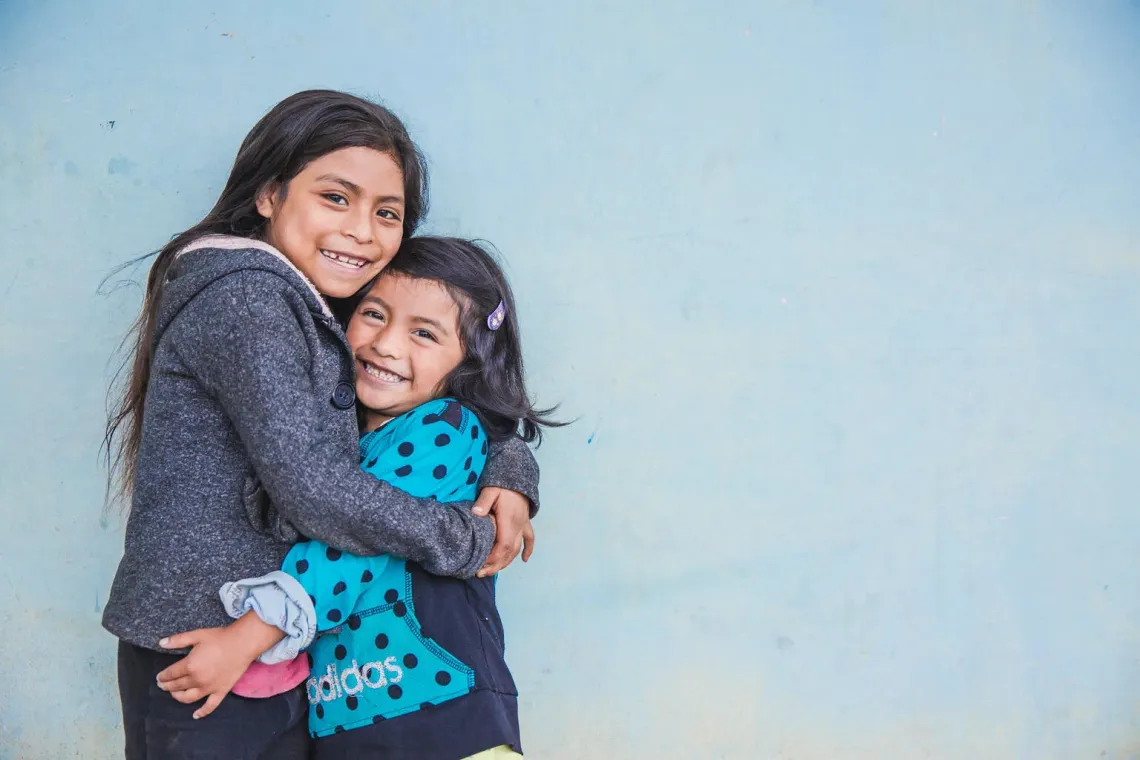
“Across Asia, there is tremendous innovation emerging to address the health and wellbeing of girls and women, yet many promising solutions still lack the support to grow and scale. Through our partnership with UNICEF on Femtech Ventures, Temasek Foundation hopes to catalyze more of these innovations – backing entrepreneurs who are developing practical, locally grounded technologies that can expand access to care and opportunity for women across the region.”