Indonesia has more than 700 languages and 1,300 ethnic groups, yet the AI we know is centralized around Western culture and context. When Laksmi, a mother from Demak district, Indonesia, wants to ask AI how best to repair a fishing boat in Javanese, current AI solutions give her an overly lengthy answer, written in formal terminology that leaves her more confused. This happens to millions of people across Indonesia every day.
To solve this gap, Ibu Punya Mimpi – a social enterprise dedicated to empowering Indonesian women, with a network of over 90,000 mothers – is building Baibu.id, an AI-powered digital assistant and crowdsourcing platform designed specifically for Indonesian women. It works in two ways:
- As a practical digital assistant, it helps mothers streamline daily micro-business operations, family tasks and practical challenges using natural, local contexts.
- As a crowdsourcing data engine, it creates a vital new income stream by paying mothers as data contributors to train AI on authentic local dialects, idioms and regional wisdom.
Our team bridges the gap between technology and human empathy. Co-founded by Marisa Paramita, a tech leader with over 20 years’ experience, and Fathya Artha Utami, a psychologist and social education specialist with over a decade of community-building experience, Baibu.id is built by mothers, for mothers. We aren't just building a digital tool; we are creating a world where a mother's local knowledge is valued, recognised and monetized fairly.
Identifying needs and barriers
Being part of the UNICEF Femtech Ventures cohort has allowed us to test Baibu.id in the places that need it most, such as Timbulsloko, a coastal village in Demak district, where chronic tidal flooding has swallowed roads and left houses half-submerged.
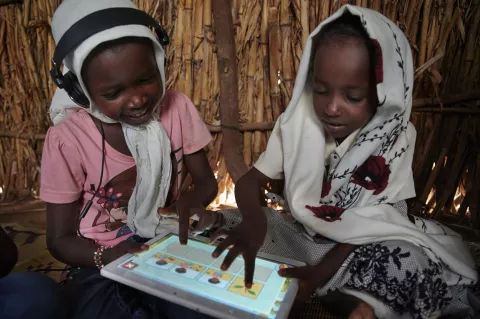
We spent time with local fisherwomen from the Puspita Bahari community. We brought Baibu.id to women who spend their days fighting coastal erosion and economic uncertainty, introducing a digital tool that respects their reality and pays them for their valuable knowledge as AI trainers. We sat down with mothers, listened to their everyday struggles and built something that fits them and genuinely lifts them up.
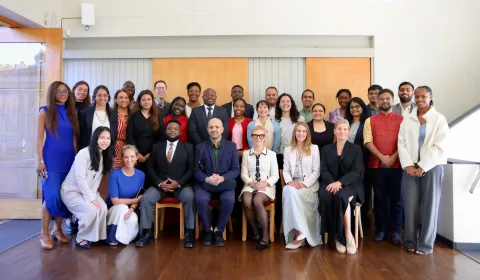
Through cohort mentorship, technical guidance and global connections, we have refined our technology so it directly serves real mothers' lives.
We envision a world where every woman – whether living in a busy city or a remote fishing village – has equal access to technology and economic opportunity. During our field research and pilot programmes in rural communities, we learned that bridging the digital divide isn't as simple as handing over a smartphone app. It requires understanding the real hurdles mothers face every single day, including shared phones, limited data, busy schedules and low tech literacy.
Baibu.id offers lightweight, low-bandwidth interactions and an intuitive design that easily passes the Mum Test (we literally tested it on mum).
How mothers teach AI
Global technology promises to connect the world, but hyper-local voices like Laksmi's are frequently left behind. Baibu.id changes that equation by turning grassroots participation into a powerful economic asset. By paying mothers to teach AI their native local languages and regional contexts, we give technology a human heart while putting extra cash directly into women's hands.
We have onboarded nearly 400 mothers and discovered a trend: mental health and finances are the top two topics women discuss on Baibu.id. Combining these platform insights with what we learned during our community field visits, we are strategically sharpening our focus around these core pillars of maternal wellbeing.
To turn these insights into real-world impact, we are currently exploring strategic partnerships with healthcare organisations, and mission-aligned enterprises to deliver tailored support, digital safety nets and targeted information directly to mothers who need it most.