Ethics resources for practitioners
Tools and guidance for researchers, evaluators and others working on data collections and analyses involving children and their families
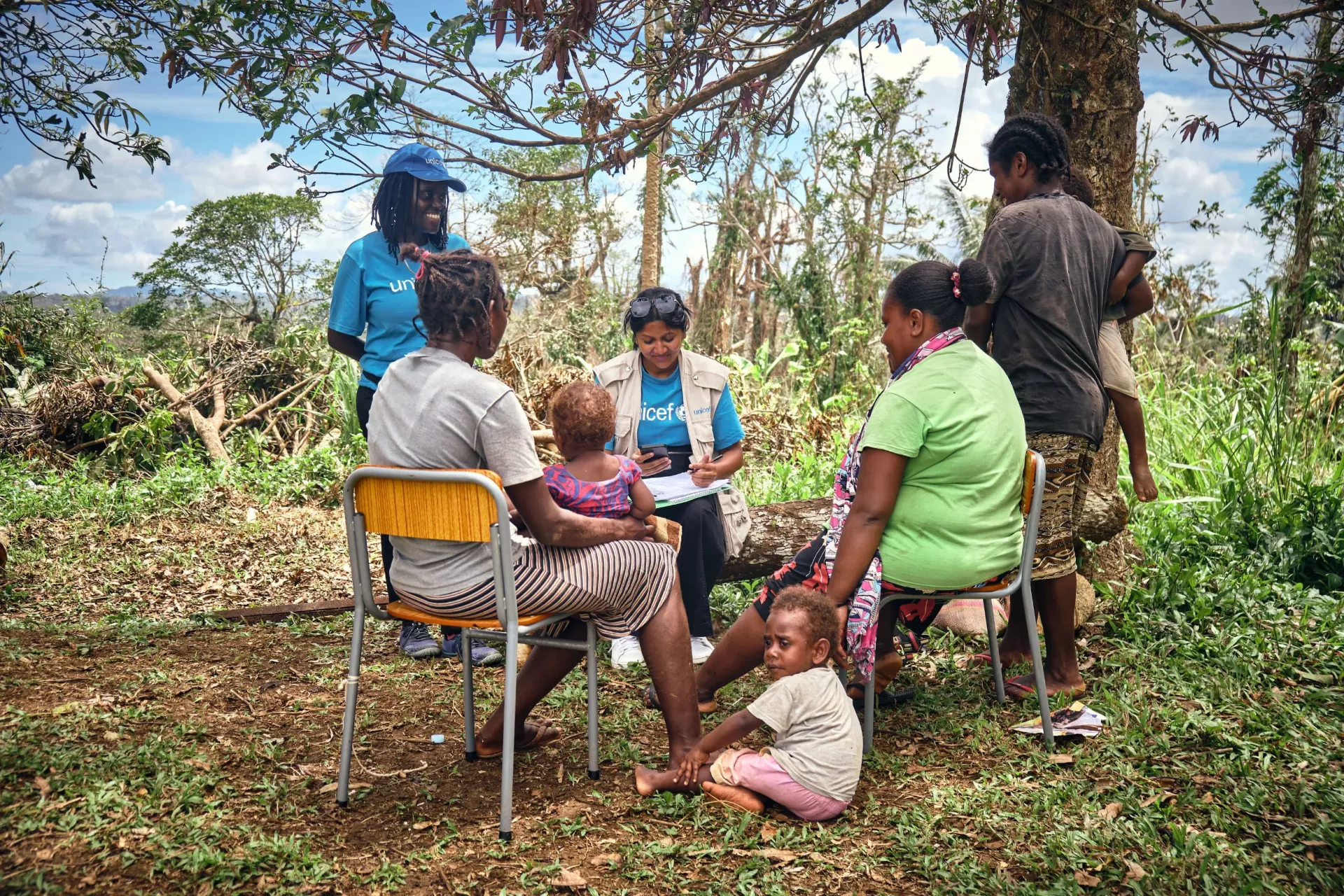
Reliable evidence is essential to drive change for children. However, special care is required when undertaking evidence activities, such as research, foresight, evaluation or other data collections, to uphold ethical principles and children’s rights. This is especially true when working directly with children on sensitive and emerging topics and in fragile or less developed settings.
UNICEF takes this responsibility seriously. Our Ethics in Evidence Activities function is hosted at UNICEF Innocenti – Global Office of Research and Foresight and is supported by multiple divisions across UNICEF, including the Division of Data Analytics, Planning and Monitoring and the Office of Evaluation.
We work to ensure that UNICEF Innocenti’s own work in research and foresight adheres to the highest ethical standards. More broadly across UNICEF, we set standards for ethics in evidence activities, explore and engage with emerging ethical challenges, build capacity and provide ethics support and advice across all stages of the project lifecycle.
Beyond UNICEF, we advocate for child rights by advancing ethical standards and supporting good practice in research, evaluation and other evidence activities involving children. This includes supporting global dialogue on good practice, identifying and examining emerging challenges to better understand the risks and potential solutions, and creating and supporting networking opportunities for those working in the field. We also make our own materials and working resources available as examples for other practitioners. Our goal is to ensure that children's voices and concerns are reflected and heard through appropriate and relevant research and related activities, while ensuring that their rights are not inadvertently undermined in the evidence creation process.
The range of resources featured on this page are freely available for use by anyone engaging with children, their families or communities to undertake research, evaluation, monitoring or other evidence activities, including those not working for UNICEF. It includes materials intended for a public audience, as well as internal documents that are shared as a public good.
Resources
Latest events
Watch our recent webinar about managing risk, distress and trauma while researching sensitive topics involving children.