Starting Solids Right: Nourishing Your Baby Beyond the First Six Months
From the first golden hour to two years and beyond, how to balance breastmilk and wholesome home-cooked foods for lifelong health
- English
- हिंदी
Starting Solids Right — The Golden Journey of Baby Nutrition
The foundation of a child’s health begins within the very first hour of life. Early initiation of breastfeeding — within that “golden hour” — followed by exclusive breastfeeding for the first six months, is the most natural and powerful start parents can give their child. During this period, babies need no water, no animal milk, and no packaged substitutes. Breastmilk alone provides complete nutrition and immunity support.
Read More
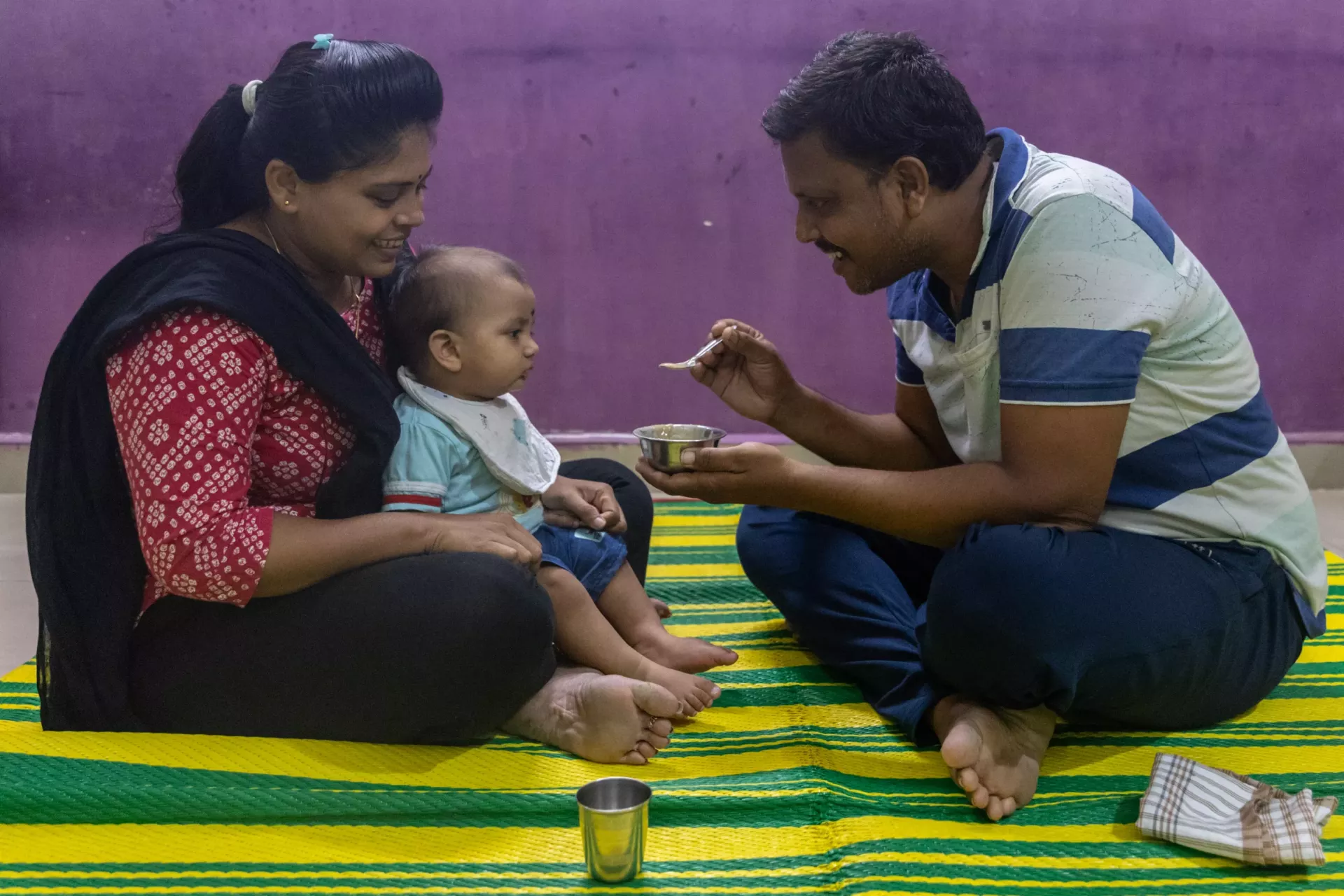
At six months, let every spoonful be soft, safe, and full of goodness — breastmilk stays, but the world of food begins.
The goal is to transition your child toward a balanced, varied diet while keeping the bond and benefits of breastfeeding intact until at least two years of age. From mashed fruits and vegetables to soft cereals and pulses, every meal can be a stepping stone toward healthy eating habits for life.
In essence: Start right, feed right, and keep the journey nourishing — because what begins in the first hours can shape health for years to come.
Exclusive Breastfeeding: 0–6 Months
From birth to six months, your baby’s diet should consist solely of breastmilk. This means no additional liquids or solids — not even water. Avoid bottle feeding, which can increase the risk of infections and interfere with breastfeeding.
Exclusive breastfeeding during this stage not only nourishes but also strengthens the immune system, protecting against illnesses.
Complementary Feeding: 6 Months–2 Years
At six months, your baby’s growing body needs more than breastmilk alone. This is when complementary feeding begins — the gradual introduction of soft, semi-solid, and home-cooked foods.
Aim for a diverse mix of food groups, served in age-appropriate textures and quantities, alongside continued breastfeeding.