India’s Youth and Climate Change
As climate crisis drags on, a generation rises, young, informed, and unwilling to stay silent against the slow-burning threat of global warming
- English
- हिंदी
When an unstoppable force meets an immovable object, we get the story of our time: the slow-burning crisis of climate change. For decades, the global response has been marked by denial, delay, and distraction. But standing at the fault line of this crisis is a new generation, young, aware, and increasingly unwilling to stay silent.
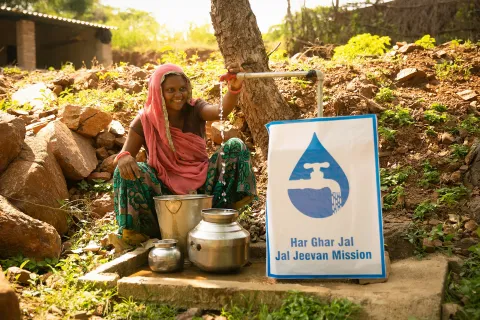
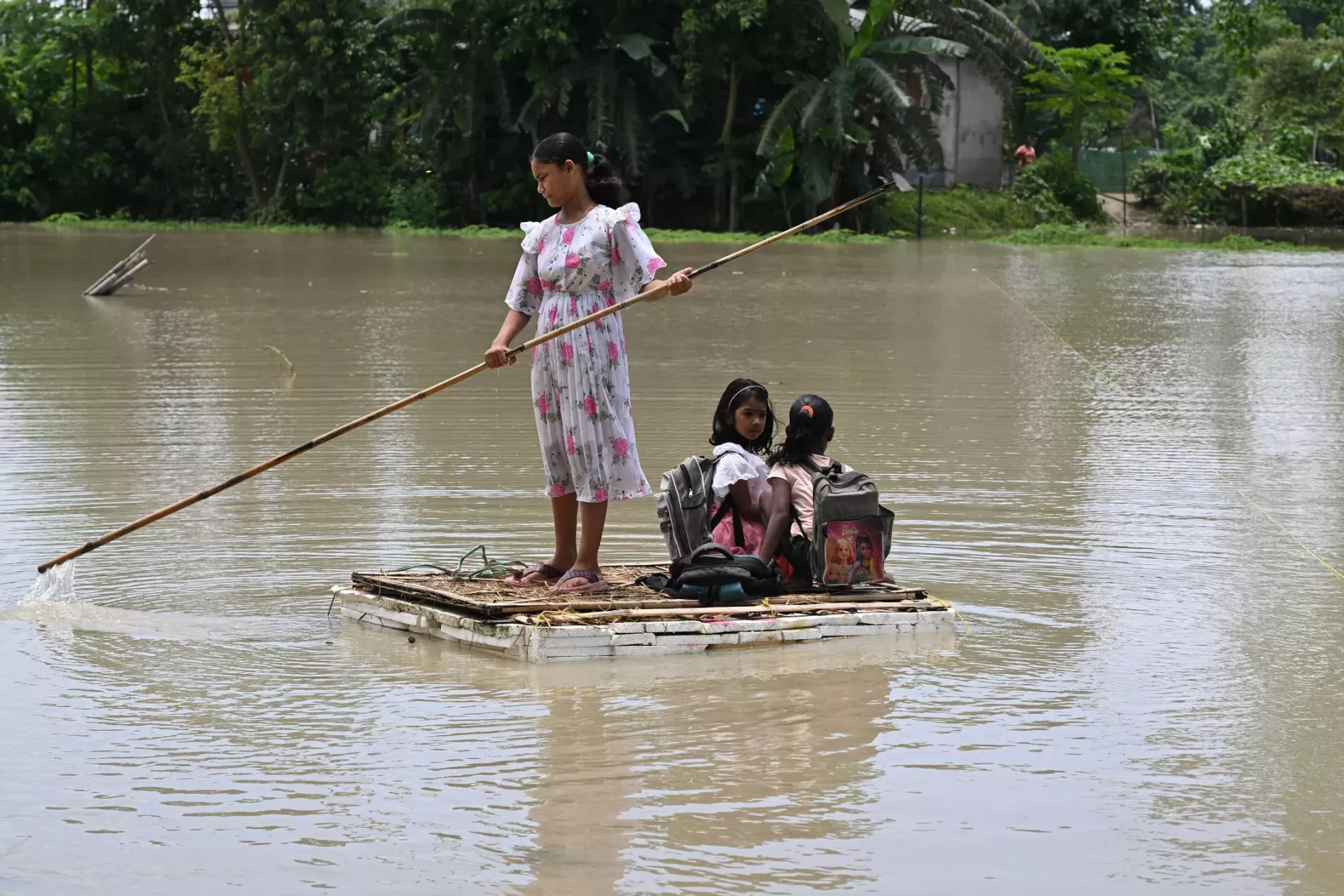
Across India, climate change is no longer a distant threat. It’s here. Record-breaking heatwaves in Delhi and Hyderabad. Erratic rainfall is threatening crops in Maharashtra and Bihar. Dwindling water tables, floods, and pollution are choking daily life. For millions of young Indians, the crisis is deeply personal.
They’re not thinking about polar bears. They’re talking about breathing issues, school closures due to heat, and anxiety about an unstable future.
What sets this generation apart is not just awareness. It is action.
In courtrooms, classrooms, neighbourhoods, and online platforms, young Indians are rising. They’re not waiting for permission or perfect plans. At nine, Ridhima Pandey petitioned the Indian government for failing to act on climate change.
Garvita Gulhati, through her initiative Why Waste?, has mobilised millions of students around water conservation. And Licypriya Kangujam, now a teen, started campaigning at six and continues to push for environmental education and laws nationwide.
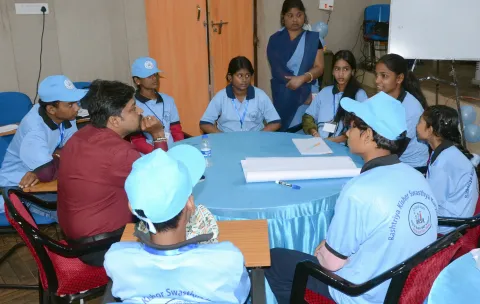
These are not exceptions. Across states and cities, youth are cleaning rivers, planting trees, leading climate strikes, filing petitions, and creating platforms for collective action. They are forcing the conversation and backing it with sustained commitment.
Yet this passion comes at a cost. Many young climate advocates report eco-anxiety, a persistent fear about the planet’s future. Some speak of guilt over personal consumption, others of isolation or ridicule from peers. A few have had to seek therapy or step back from activism due to burnout. For many, caring deeply can be overwhelming.
Still, for most, the burden of knowledge becomes a catalyst for change. From sustainable lifestyle shifts to community campaigns and legal action, they are choosing resistance over resignation. They know this is not a temporary movement. It is the defining challenge of their lives.
Support is growing. The Indian government’s Mission LiFE has recorded over 20 million citizen pledges, many by youth, to adopt eco-conscious habits. MY Bharat eco-clubs have taken climate awareness to schools in over 130 cities, encouraging students to lead local actions around clean air, energy use, and waste reduction.
But challenges remain. Young activists face online harassment, pressure to stay apolitical, limited funding, and inadequate mental health resources. Infrastructure to support youth-led work is still developing. Yet their determination is unmistakable. For them, this is not about trends or popularity. It is about survival.
This generation understands that climate change will shape and may even shorten their adulthood. Their activism is a form of self-preservation. They aren’t just hoping for a better future. They are building it, day by day.
If climate change is the unstoppable force, India’s youth may well be the immovable object that pushes back. And in that resistance lies our greatest hope.
If you’re a young Indian, your voice and actions matter. Join an eco-club, start a conversation, or support a local initiative. Climate change won’t wait and neither should we. It’s time to act, together.
About the Author
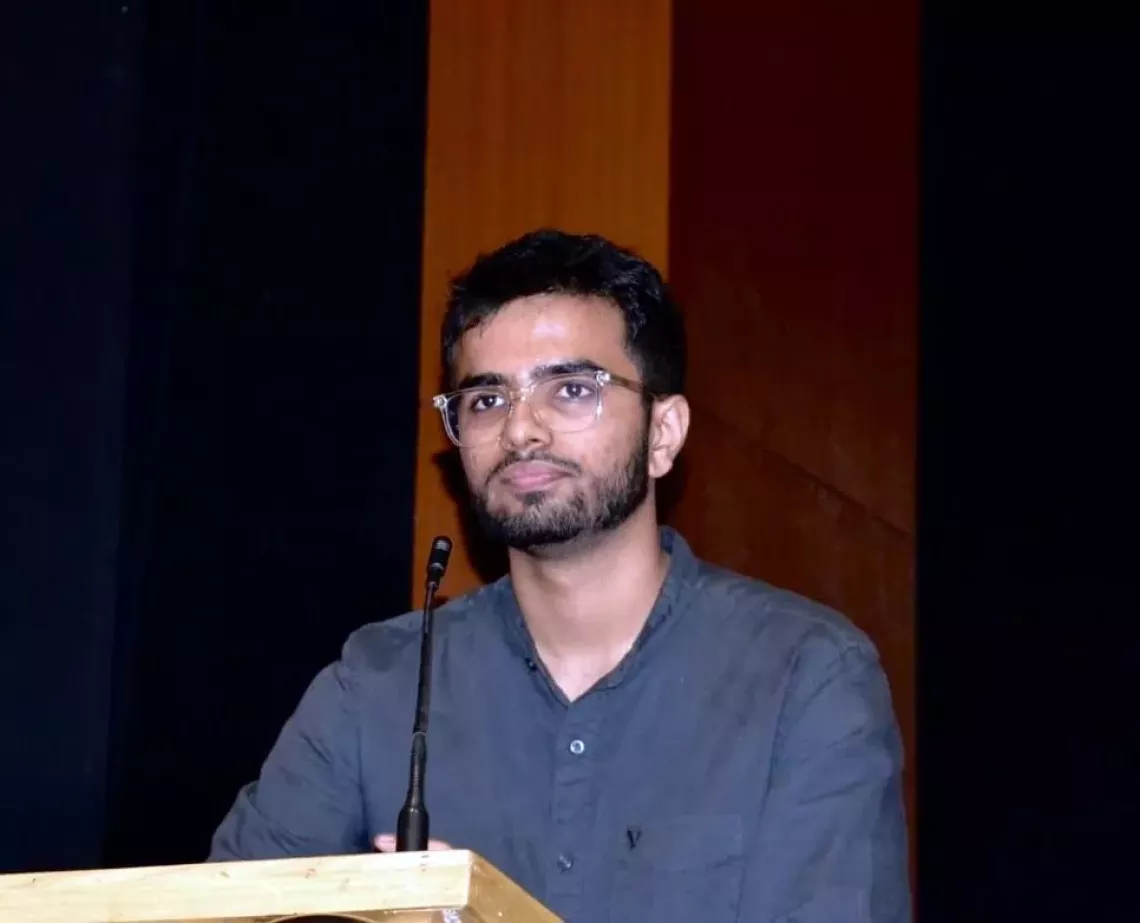
Shivank Saha is a first-year student at XLRI Delhi-NCR with a strong academic foundation and a deep interest in sustainability and public policy. A former student of Ramjas College, University of Delhi, and an academic gold medallist from DPS R K Puram, he brings a thoughtful, research-driven approach to issues that shape the future of young Indians. Shivank is particularly interested in how youth voices can contribute to building a more climate-resilient and equitable society.