From Classroom to Change: How a Student Challenged Gender Bias
How A Comic Series is Helping Girls in Jharkhand Speak Up Against Discrimination
- English
- हिंदी
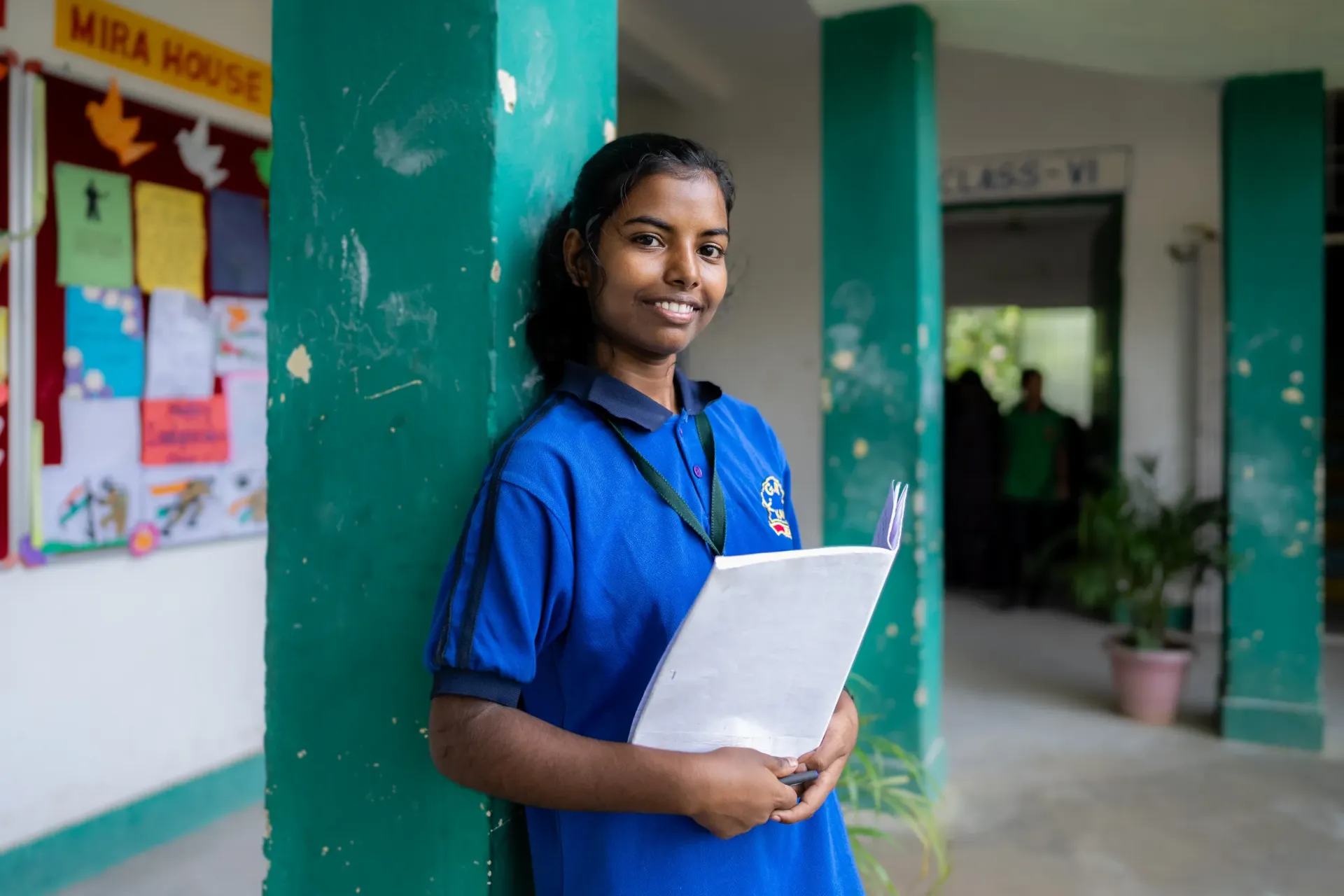
Ranchi, India - Seventeen-year-old Tannu Kumari speaks with a calm certainty that belies the shy, watchful girl who entered the school Kasturba Gandhi Balika Vidyalaya (KGBV) Kanke barely two years ago.
Today, she is known across the campus for her eloquence on stage and for the quiet authority with which she challenges discrimination at home and in her village. Her journey began with a few illustrated pages.
Lessons Between the Panels
When Tannu first read Aadha Full a comic series, developed with the support of the Government and through UNICEF’s partnership with DOVE Self-Esteem programme that follows bold young protagonists tackling everyday injustice.
She did not expect it to change her life. The vibrant comic series follows young protagonists who defy convention girls who confront thieves while a hesitant boy lags behind, friends who demand fairness when adults dismiss them.
“I realized the excuses that society was giving me – safety, tradition, responsibility – were not really for my protection. They were to keep me quiet.”
Until then, Tannu had accepted as a simple fact that while her younger brother attended a private school in their village, she and her sister had been sent to the government residential school to study.
Her parents had insisted that it was “unsafe” for the girls to cycle through neighbouring hamlets. Only later did she recognize the pattern – her mother, Ratna Devi, had been pulled out of school after Class nine grade while her uncles continued to study freely because the path to the school had been “unsafe”.
“I never thought to ask why,” Tannu admits. “I believed that was simply the way the world worked.”
But now, Tannu began to register the echoes of her mother’s own curtailed education and of a community where sons’ ambitions mattered more than daughters’.
Challenging the Script
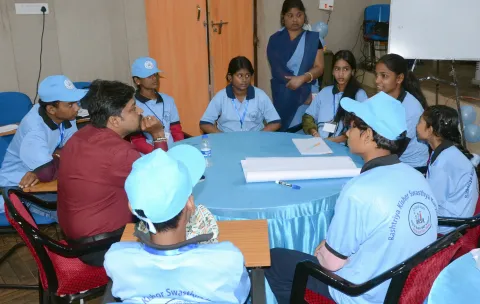
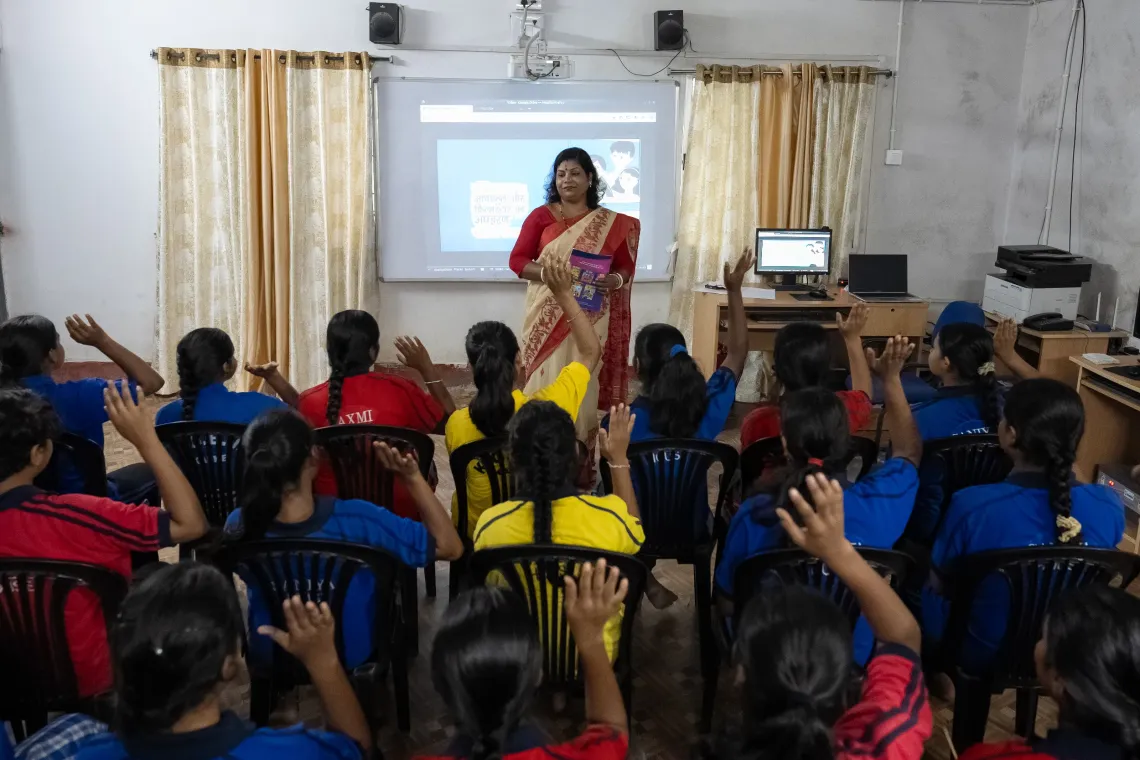
Armed with the comics’ examples and encouraged by role-play sessions at school, Tannu began to question long-standing family decisions — beginning with education. Performing those stories ignited something deeper than theatrical talent; it gave her a framework for action.
Tannu’s first audience was her own family. She questioned why only her brother was slated for college and why she and her sister should settle for less. Her mother listened, and eventually her father—once resistant—agreed.
She tackled subtler prejudices too. When her grandmother nagged her about her darker skin, Tannu replied evenly, “There must be someone in our family who looks like me.” The remark, both simple and radical, left her grandmother thoughtful—and silent.
Domestic tensions were next. Tannu and her sister spoke to their father about the drinking that fueled conflict at home. He has since given up alcohol.
From Stage to Society
Teachers soon recognized Tannu’s talent for performance and persuasion. Initially hesitant, she was encouraged to represent the school at national theatre competitions based on the Aadha Full comic book.
“The change in Tannu has been extraordinary, tears springing to her eyes. When she first arrived, she was frail and frightened. Now she stands before hundreds and owns the stage.”
The transformation spills beyond the stage. Tannu has convinced a friend’s mother to allow her daughter to continue her study beyond Class 10, counsels village girls to question early marriage, and reminds peers that opinions are not the measure of their worth.
A Vision for Justice
Tannu’s ambitions now stretch far beyond her village of Gagi. Having observed frequent property disputes and the silent suffering of women around her, she plans to become a lawyer.
“People must know their rights,” she says. “I want to stand beside those who cannot stand up for themselves.”
The Aadha Full comics was designed to build self-esteem and challenge appearance-based stereotypes. In Tannu’s hands, it has become something larger: a training ground for grassroots advocacy.
As principal Gupta reflects, “These girls come from the remotest areas within the state, with little exposure, yet Tannu now educates her parents, her friends, even us.” The initiative has created a young advocate whose influence reaches classrooms, kitchens and village councils alike.
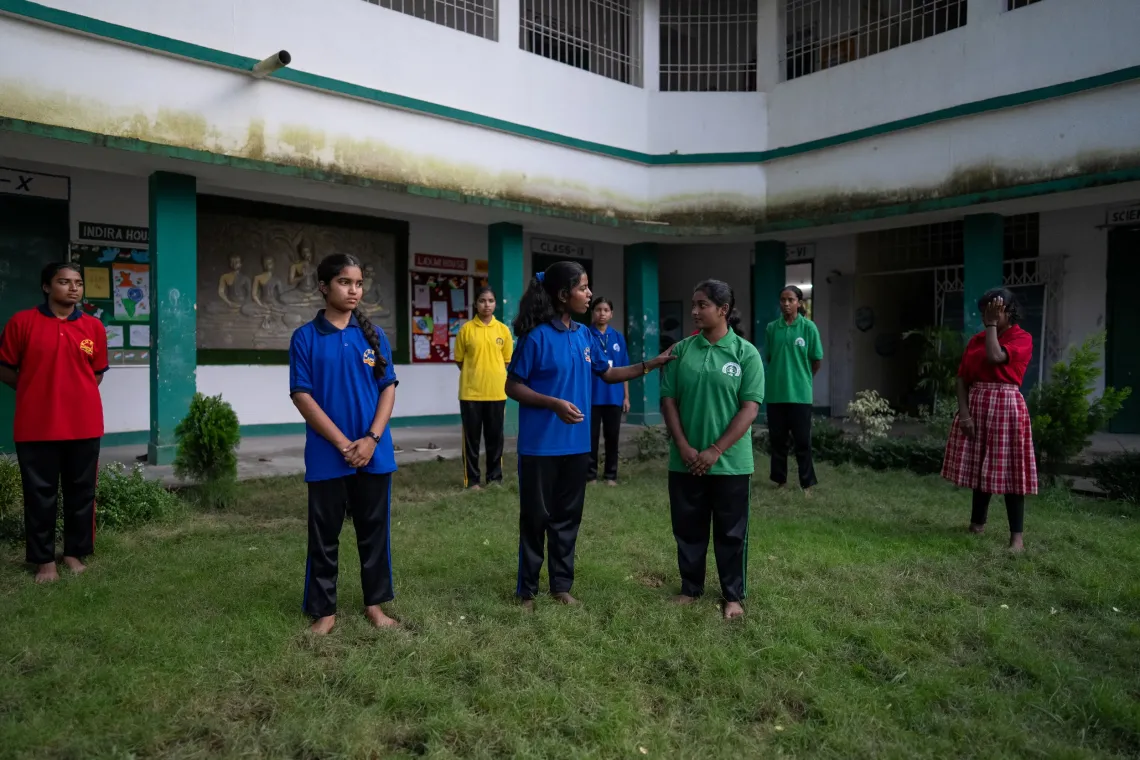
As dusk falls over Kanke, Ranchi, Jharkhand Tannu rehearses for her next play, her voice ringing clear across the courtyard. The story on the page has become a movement — and she is living proof that a few powerful panels can redraw the lines of equality.