कक्षा से बदलाव तक: एक छात्रा ने दी लैंगिक भेदभाव को चुनौती
कैसे एक कॉमिक सीरीज़ सिखा रही झारखंड की लड़कियों को भेदभाव के खिलाफ आवाज़ उठाना
- English
- हिंदी
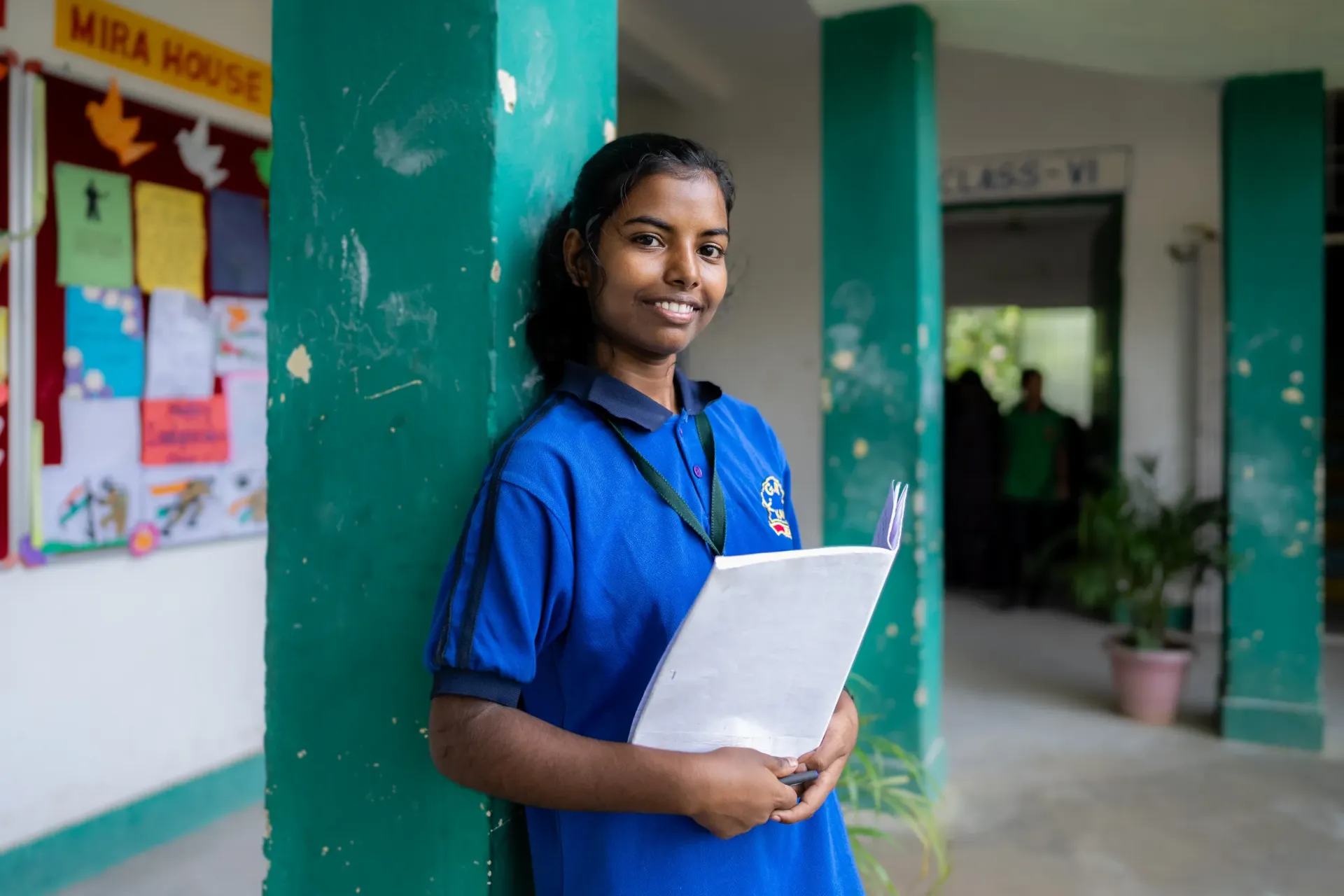
रांची, भारत — सत्रह साल की तन्नू कुमारी जब बोलती हैं तो उनकी आवाज़ में एक ठहराव है, यकीन है जो उस शर्मीली, सहमी-सी लड़की में ज़रा भी नज़र नहीं आता था जो बमुश्किल दो साल पहले कांके के कस्तूरबा गांधी बालिका विद्यालय (KGBV) में दाखिल हुई थी।
आज पूरे कैंपस में उनकी पहचान है। वह मंच पर उनके बेबाक बोलने से लेकर घर में, गाँव में भेदभाव के खिलाफ आवाज उठाने के लिए पहचानी जाती है। तन्ऩु का यह चुनौतियों भरा सफर तस्वीरों वाले कुछ पन्नों से शुरू हुआ था।
पन्नों के बीच छुपे सबक
जब तन्नू ने पहली बार 'आधा फूल' पढ़ी, तब उसे अंदाज़ा भी नहीं था कि यह उसकी ज़िंदगी बदल देगी। यह कॉमिक सीरीज़ सरकार के सहयोग और यूनिसेफ की DOVE Self-Esteem प्रोग्रामके साथ साझेदारी में बनाई गई है।
इस रंग-बिरंगी कॉमिक में ऐसे किरदार हैं जो आम ज़िंदगी की नाइंसाफी से टकराते नजर आते हैं। लड़कियाँ जो चोर को पकड़ती हैं, जबकि एक हिचकिचाता लड़का पीछे रह जाता है, दोस्त जो बड़ों की बेरुखी के बावजूद इंसाफ माँगते हैं।
"मुझे समझ आया कि सुरक्षा, परंपरा, ज़िम्मेदारी के नाम पर समाज मुझे जो बहाने दे रहा था। वो असल में मेरी भलाई के लिए नहीं थे, बल्कि वो मुझे चुप रखना चाहते थे।"
इससे पहले तन्नू ने यह बात बिना किसी सवाल के एक सच्चाई की तरह मान ली थी कि उनका छोटा भाई गाँव के प्राइवेट स्कूल में पढ़ता है, जबकि उसे और उनकी बहन को सरकारी आवासीय स्कूल में भेज दिया गया।
उनके माँ-बाप का कहना था कि पड़ोस के गाँवों से साइकिल चलाकर जाना लड़कियों के लिए "खतरनाक" है। हालांकि, बाद में तन्नू को इसमें पीढ़ी-दर-पीढ़ी एक पैटर्न सा दिखाई दिया।
क्योंकि, उनकी माँ रत्ना देवी को नौवीं के बाद स्कूल छोड़ना पड़ा था, जबकि उनके चाचा और पिताजी ने बेरोकटोक आगे तक पढ़ाई जारी रखी।और उस समय भी वजह वही थी कि स्कूल का रास्ता "खतरनाक" था।
तन्नू स्वीकार करते हुए बताती हैं कि, "मैंने कभी नहीं सोचा कि 'क्यों?' पूछूँ," "मुझे तो लगता था दुनिया बस ऐसे ही चलती है।"
लेकिन, अब तन्नू को अपनी माँ की अधूरी पढ़ाई की परछाईं दिखने लगी थी। और साथ ही उस समाज की सच्चाई भी, जहाँ बेटों के सपने हमेशा बेटियों के सपनों से ज़्यादा अहम माने जाते हैं।
लिखी-लिखाई पटकथा को दी चुनौती
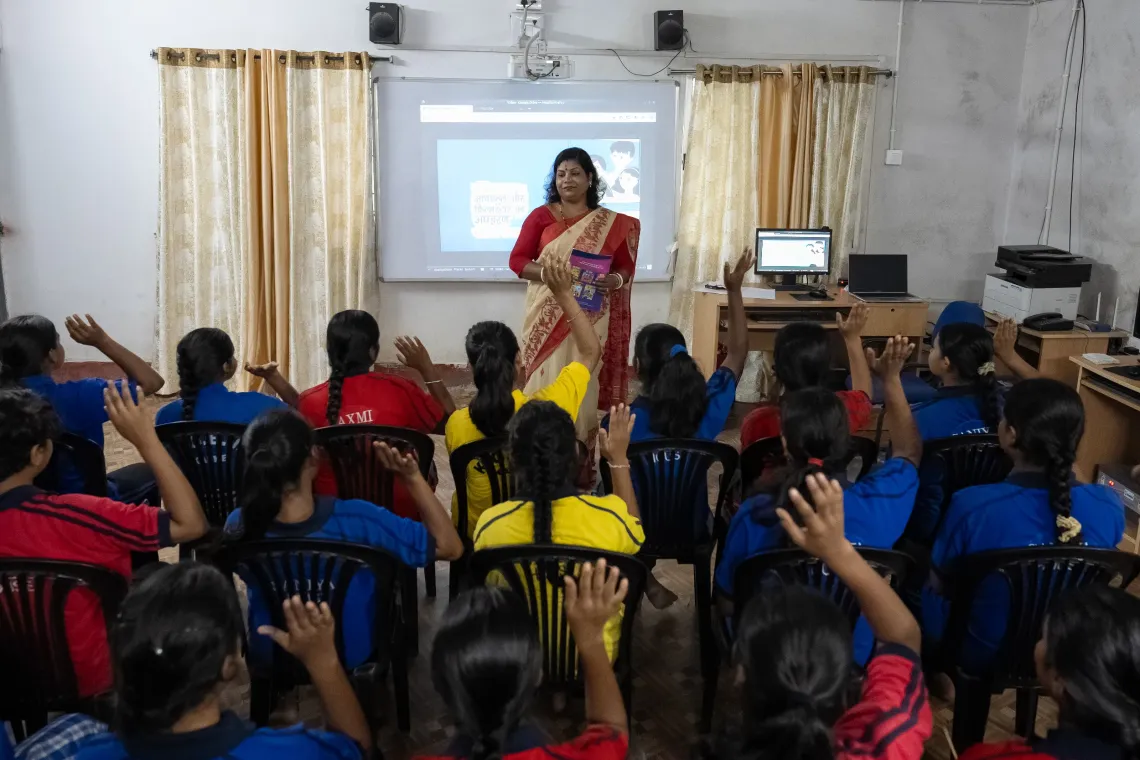
कॉमिक की कहानियों से हिम्मत लेकर और स्कूल के रोल-प्ले सेशन से हौसला पाकर, तन्नू ने घर के पुराने फैसलों पर सवाल उठाने शुरू किए। इसमें पढ़ाई से लेकर अन्य वो फैसलें भी शामिल थे, जिन्हें उसके परिजनों ने बिना उसकी मर्जी के स्वयं ही ले लिया था।
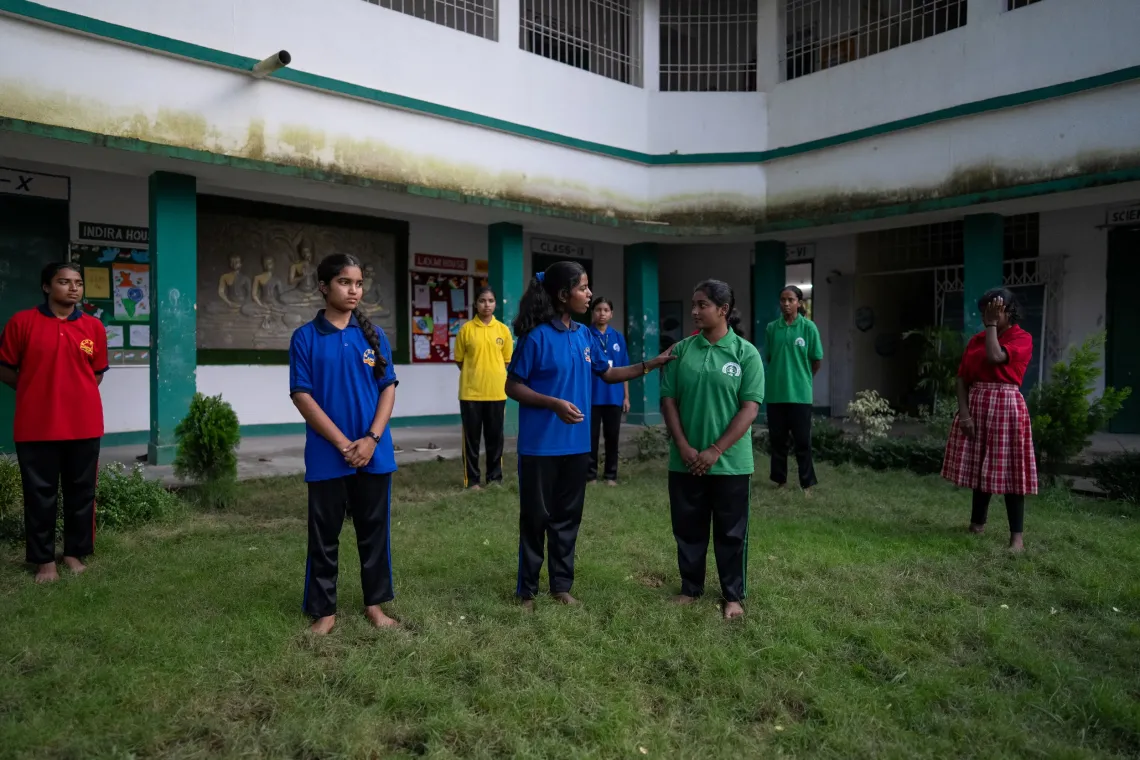
तन्नू के लिए उन कहानियों को मंच पर जीना उसका सिर्फ एक नाटकीय हुनर नहीं था, बल्कि इन कहानियों ने उसे एक नज़रिया दिया, कुछ करने की राह दिखाई।
तन्नू ने पहले अपने घर से शुरुआत की। उन्होंने माँ-बाप से पूछा, भाई को कॉलेज भेजोगे, तो हम दोनों बहनों का क्या होगा? माँ ने बात सुनी, और धीरे-धीरे पिता भी मान गए। हालाँकि, पहले वो इसके लिए तैयार नहीं थे।
तन्नू ने छोटे-छोटे पूर्वग्रहों को भी नहीं छोड़ा। एक बार जब दादी उनके साँवले रंग पर टोकने लगीं, तो तन्नू ने बड़े आराम से जवाब दिया, "हमारे परिवार में कोई तो बड़ा-बूढ़ा रहा होगा जो मेरी तरह दिखता होगा।" इतना सुनते ही दादी सोच में पड़ गईं और चुप हो गईं। क्योंकि, तन्नू का यह जवाब छोटा, लेकिन गहरा था।
घर की एक और मुश्किल भी बारी-बारी से सुलझाई। तन्नू और उनकी बहन ने पिता से शराब पीने के दुष्प्रभाव और उनके पिता के शराब पीने के बाद वाले व्यवहार व झगड़़ों पर खुलकर बात की, जिसके बाद उसके पिता ने बेटियों की बात का मान रखते हुए शराब पीना छोड़ दिया।
मंच से समाज तक
शिक्षकों ने जल्द ही तन्नू की काबिलियत पहचान ली — मंच पर उनका अंदाज़ और बात मनवाने की उनकी ताकत। पहले तन्नू खुद हिचकिचाती थीं, लेकिन शिक्षकों ने उन्हें हौसला दिया और 'आधा फुल' कॉमिक पर आधारित राष्ट्रीय नाटक प्रतियोगिताओं में स्कूल की तरफ से भेजा।
"तन्नू में जो बदलाव आया है वो सच में हैरान करने वाला है।" यह कहते हुए प्रधानाध्यापिका अंजलि गुप्ता की आँखें भर आती हैं। "जब वो पहली बार आई थी, तो कमज़ोर और डरी हुई थी। अब वो सैकड़ों लोगों के सामने पूरे आत्मविश्वास के साथ मंच पर खड़ी होती है।"
यह बदलाव सिर्फ मंच तक नहीं रुका। तन्नू ने एक सहेली की माँ को मना लिया कि वो अपनी बेटी को दसवीं के बाद भी पढ़ने दें। गाँव की लड़कियों को जल्दी शादी पर सवाल उठाना सिखाती हैं और अपने साथियों को याद दिलाती हैं कि दूसरों की राय उनकी काबिलियत की कसौटी नहीं है।
न्याय का सपना
तन्नू के सपने अब उनके गाँव गागी की सीमाओं से कहीं आगे निकल चुके हैं। आस-पास ज़मीन के झगड़े और औरतों की खामोश तकलीफ देखते-देखते उसने ठान लिया है कि वो वकील बनेंगी।
वो कहती हैं कि, "लोगों को अपने हक़ पता होने चाहिए, मैं उनके साथ खड़ी होना चाहती हूँ जो खुद खड़े नहीं हो सकते।"
'आधा फुल' कॉमिक आत्म-सम्मान बढ़ाने और दिखावे पर आधारित सोच को चुनौती देने के लिए बनाई गई थी। लेकिन, तन्नू के हाथों में यह कुछ और बड़ा बन गई। एक ऐसी पाठशाला जहाँ ज़मीनी स्तर पर बदलाव की तैयारी होती है।
प्रधानाध्यापिका गुप्ता कहती हैं कि, "ये लड़कियाँ बहुत कम संसाधनों वाले राज्य के सबसे दूर-दराज़ इलाकों से आती हैं, फिर भी तन्नू अब अपने माँ-बाप को, दोस्तों को, यहाँ तक कि हमें भी कुछ न कुछ सिखा रही है।"
इस पहल ने एक ऐसी युवा आवाज़ तैयार की है जिसकी पहुँच कक्षाओं से लेकर रसोई और गाँव की पंचायत तक है।
कांके, रांची में जब शाम ढलती है, तन्नू अपने अगले नाटक की तैयारी में लगी होती हैं। उनकी आवाज़ आँगन में गूँजती है। कागज़ पर छपी कहानी अब एक आंदोलन बन चुकी है और तन्नू इस बात की जीती-जागती मिसाल हैं कि कुछ ताकतवर पैनल बराबरी की लकीरें नए सिरे से खींच सकते हैं।