Champions of Tulsidih fighting measles
Stories of resilience and determination amid the measles outbreak in Tulsidih village

- English
- हिंदी
Like many rural Indians, the people of Tulsidih have close-knit social ties. Their tapestry of traditions and familial bonds is woven so tightly that it gives each day its purpose and meaning. Life here is not the easiest, as you would expect from a remote, hard-to-reach rural community. Access to essential services is far from simple, particularly regarding health.
Walking through the village's narrow streets, you pass modest single-story homes, some with small doorways and windows, others with tiled or thatched roofs. The red brick structures may seem unassuming, but they hold stories so intertwined that you can sense how essential the people here are to each other's daily lives: a community — a lifeline. In this tightly woven fabric, family, respected figures, and health workers become the pillars of children's welfare, providing support that goes beyond the individual, strengthening the entire village.
Tulsidih is divided into two hamlets: one home to around 500 people, and the other with roughly 980 residents. Separated by a hilly landscape that forms a natural barrier, the smaller hamlet struggles to access healthcare services that are more readily available in the larger settlement.
In addition, many men have migrated for work, leaving the women with the difficult task of acting for two: raising children, managing households, and keeping the threads of the community tightly bound.
A Mother's Resolve
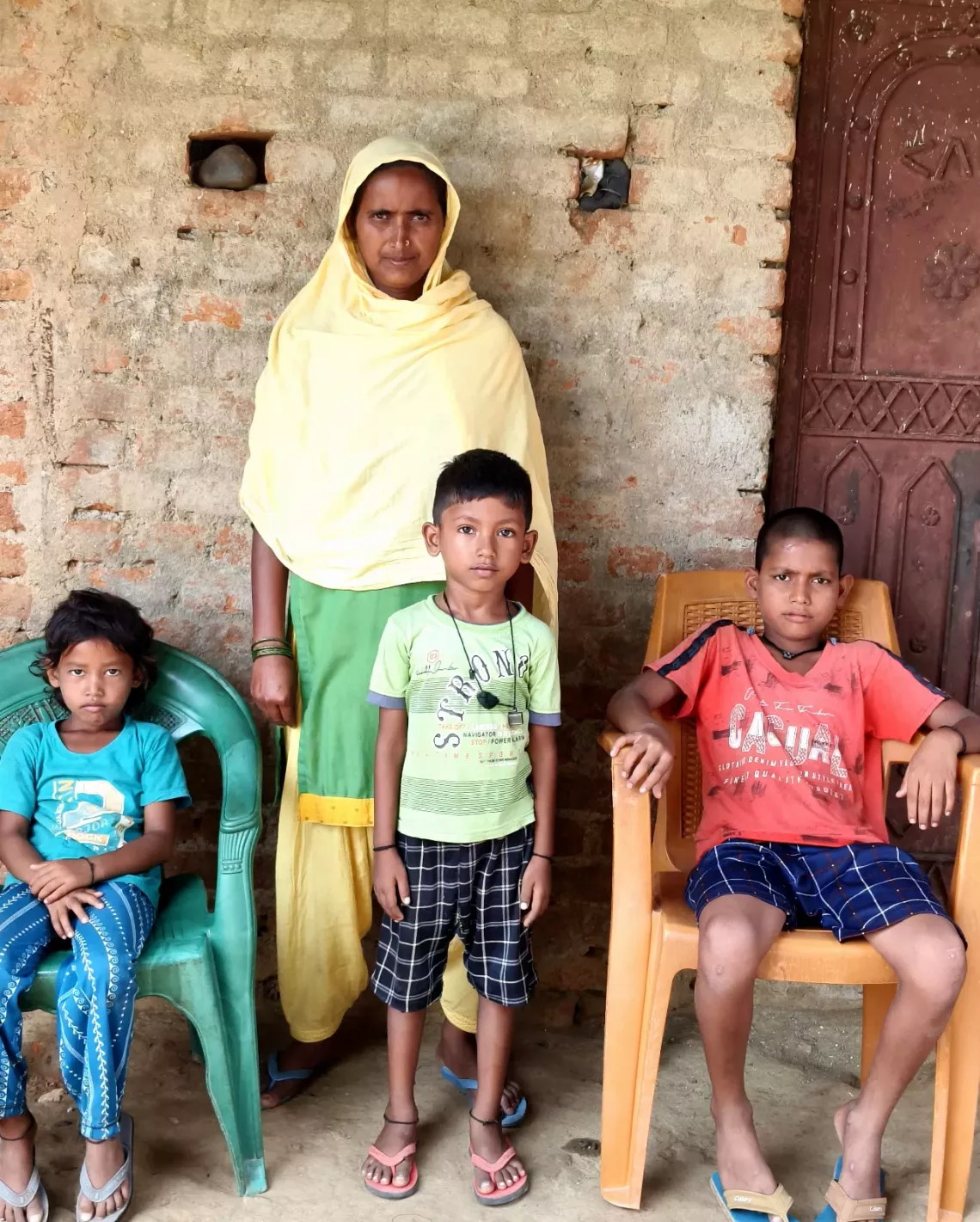
Farida Khatoon perfectly embodies the resilience needed to withstand hardship and the community spirit of her hamlet. Her husband, Akhter Ansari, is a migrant worker who is often far from home, leaving Farida to care for their three children—Reshma (10), Arbaz (7), and Khushi (5)—while managing the household and working in the fields.
In 2023, the Muslim community in her hamlet faced a measles outbreak that underscored the gaps in healthcare access. Tulsidih falls under the jurisdiction of the Kasiotol Health Subcenter, overseen by auxiliary nurse midwife Sandhya Kumari. Sandhya was responsible for an overwhelming 17,000 people—over three times the standard caseload—making it nearly impossible to reach every family.
Health sessions were primarily organized in the more significant hamlet, leaving pregnant women and mothers in Farida's smaller settlement with limited options. For these mothers, the journey to the session site was not only a logistical challenge but also a source of anxiety. Concerns about post-vaccination side effects, coupled with the difficulty of accessing immediate health support, made many hesitate to return for follow-up doses.
Farida was one of those who bore the consequences of this situation. Her children missed their vaccine doses, and no health worker regularly visited her hamlet, and the health facility was far away. When the outbreak struck, all three of her children contracted measles, leaving Farida to manage their care alone in her husband's absence. Having received only a primary education, Farida was blissfully aware of the risks of missing vaccinations, and now, the impact was starkly real.
"Since the immunization session was held in the other hamlet, it was difficult for me to take my children for vaccination, so they missed their doses," she explained. "Unfortunately, I didn't know how important vaccination was."
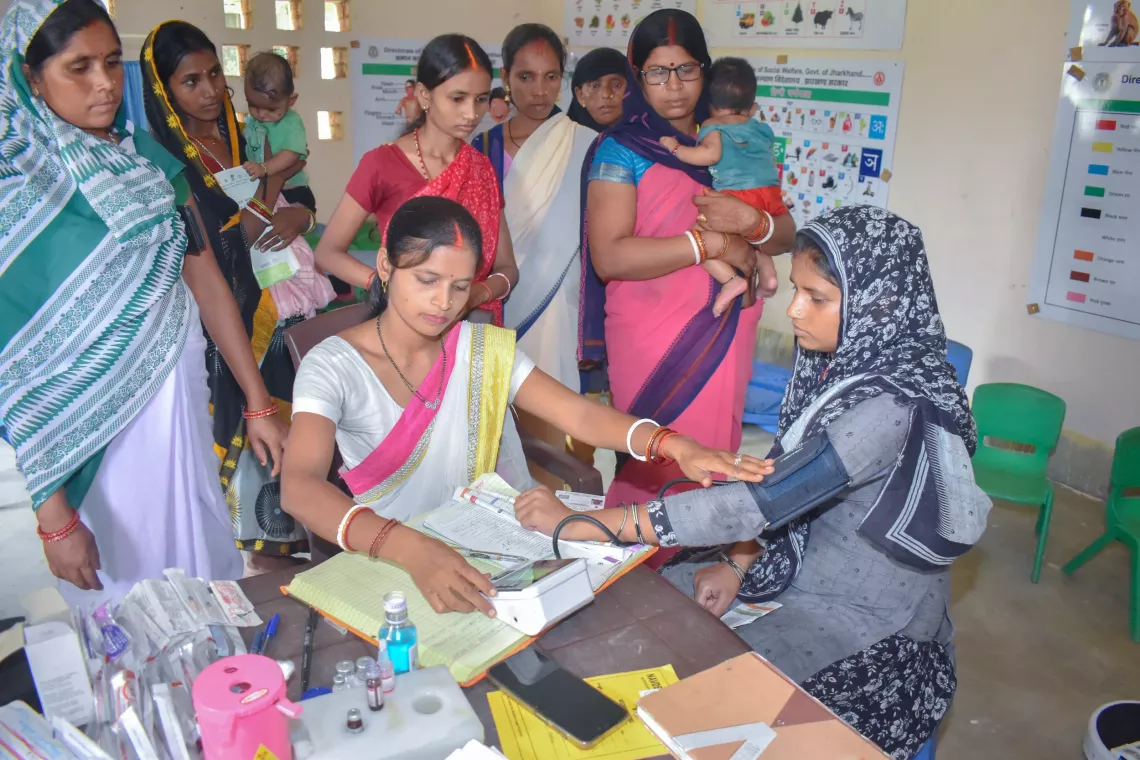
Fortunately, the Tulsidih ASHA (Accredited Social Health Activist) Ruby Verma, and auxiliary nurse midwife Manisha Kumari from the Kasiotol Health subcenter came to her aid. Once the outbreak was identified, they provided medicine to the affected families, especially the children, and advised them on home-based care.
They also counselled the community on the importance of vaccination and the precautions needed. For Farida, this was a wake-up call and a lifeline. With their support, she could care for her children without needing to travel to a distant hospital—a relief she needed during such a challenging time.
Increasing vaccine demand through community engagement
Manzoor Ansari, a respected village educator, has taught at a local private school for the past 16 years. When the measles outbreak struck, he felt the impact of the community members' low health literacy and the lack of information and education on vaccines and their benefits among parents and caregivers.
Manzoor also saw that services were not always available or accessible to everyone in the community. Sensitive to social issues, Manzoor quickly recognized both his community's unpreparedness and the need for a long-term commitment to increasing public awareness of the importance and benefits of vaccination and encouraging caregivers to ensure that all children were fully vaccinated. Concerned for his students and his children, he knew no child was truly safe unless every child in his village was immunized.
Manzoor tackled the situation head-on. He responded by volunteering with the health department and participating in specialized teacher training. This training deepened his understanding of measles and underscored the importance of his role in promoting positive health practices and supporting the vaccination campaign.
Knowing that religious leaders are trusted in this predominantly Muslim community, Manzoor sought their help to make announcements at the mosque after Friday prayers. With the cleric’s support, messages from the mosque emphasized the importance of the Measles-Rubella (MR) vaccine and urged parents to ensure their children were fully vaccinated.
When immunization sessions were later organized within the hamlet, Manzoor further supported the campaign by facilitating meetings between parents and teachers to address questions and concerns about vaccination and promote the importance of MR vaccination.
He also mobilized his students, organizing rallies to raise awareness about the disease and the critical role of vaccination. This community participation and involvement really helped to increase awareness about measles vaccination first and then later increased uptake of vaccination in this community.
"With the new immunization sessions planned after the outbreak, it's now easier for families to bring their children for vaccination," Manzoor reflected.
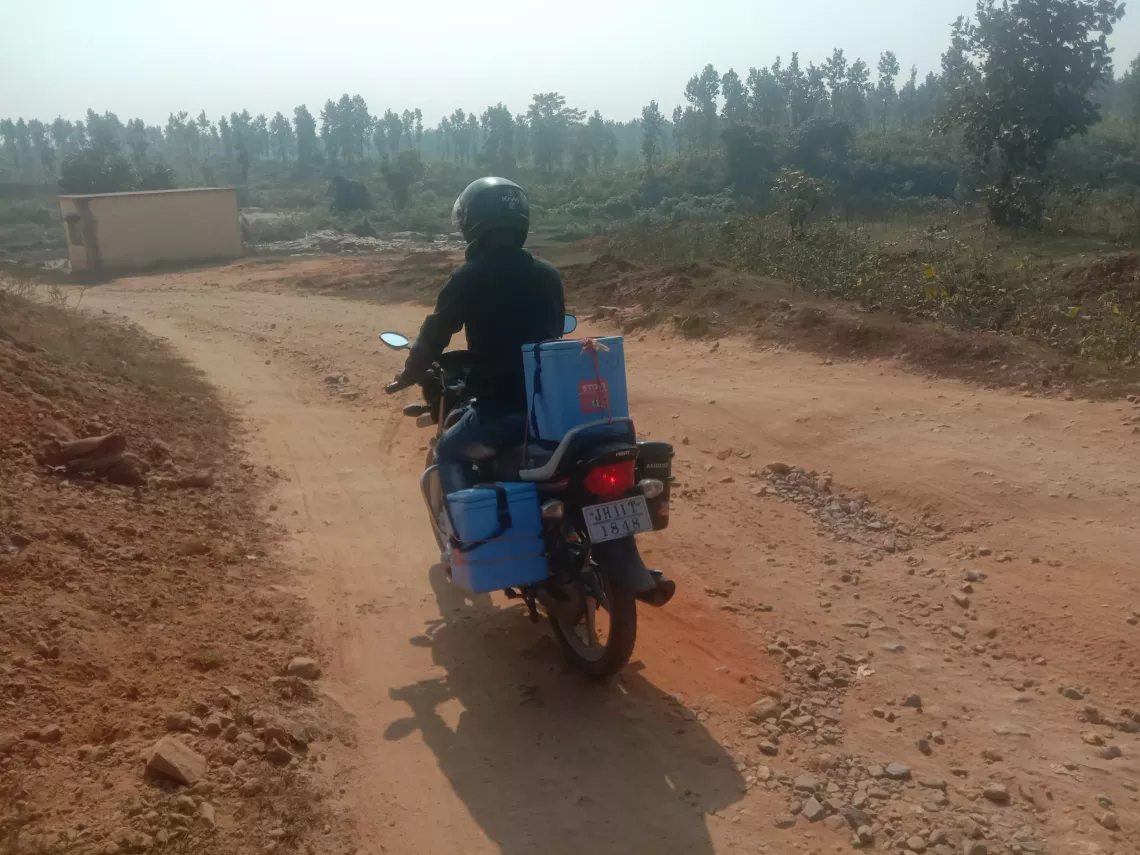
Following the outbreak, a new session site was established in the hamlet, allowing children to receive vaccinations without needing to travel long distances or bear logistical burdens. Additionally, they are now receiving other essential services alongside vaccination through this same site.
With generous funding from UNICEF USA, UNICEF partnered with the Department of Health in Jharkhand to identify the causes of recurrent outbreaks and conducted a Root Cause Analysis (RCA) of the measles outbreak. One primary issue identified was microplanning for routine immunization, which led many children to miss their doses.
To address the outbreak, the state Department of Health in Jharkhand, in collaboration with India’s Ministry of Health, conducted an MR vaccination campaign that reached 4.5 million children between 9 months and 15 years across nine affected districts, including Giridih. UNICEF conducted a gap assessment and supported the district health administration in planning an additional session and its inclusion in the routine immunization micro-plan.