Breaking Barriers: Sankalp Botre’s Journey of grit and courage
The 30-year-old champion para-swimmer is now a proud disability inclusion champion

- English
- हिंदी
Pune, Maharashtra. At just 30, the resident of Sant Tukaram Nagar in Pimpri-Chinchwad, Pune, Sankalp Satish Botre embodies resilience, achievement, and service.
He is not only a national para-swimming champion with an impressive tally of 28 medals, including gold, silver, and bronze across national and international platforms, but also a disability inclusion advocate working to improve lives through lived experience.
Born with a locomotor disability, Sankalp’s life took a turn during therapy at DY Patil Hospital in PCMC, where a doctor suggested he try swimming. What began as rehabilitation became a passion.
With support from his family, especially his father, a retired Forbes employee and former state-level long-jump athlete, Sankalp trained relentlessly. His discipline carried him through competitions in the USA, China, Japan, Thailand, New Zealand, and England (confirm these countries)
Sankalp’s medals represent not just victory, but persistence and identity.
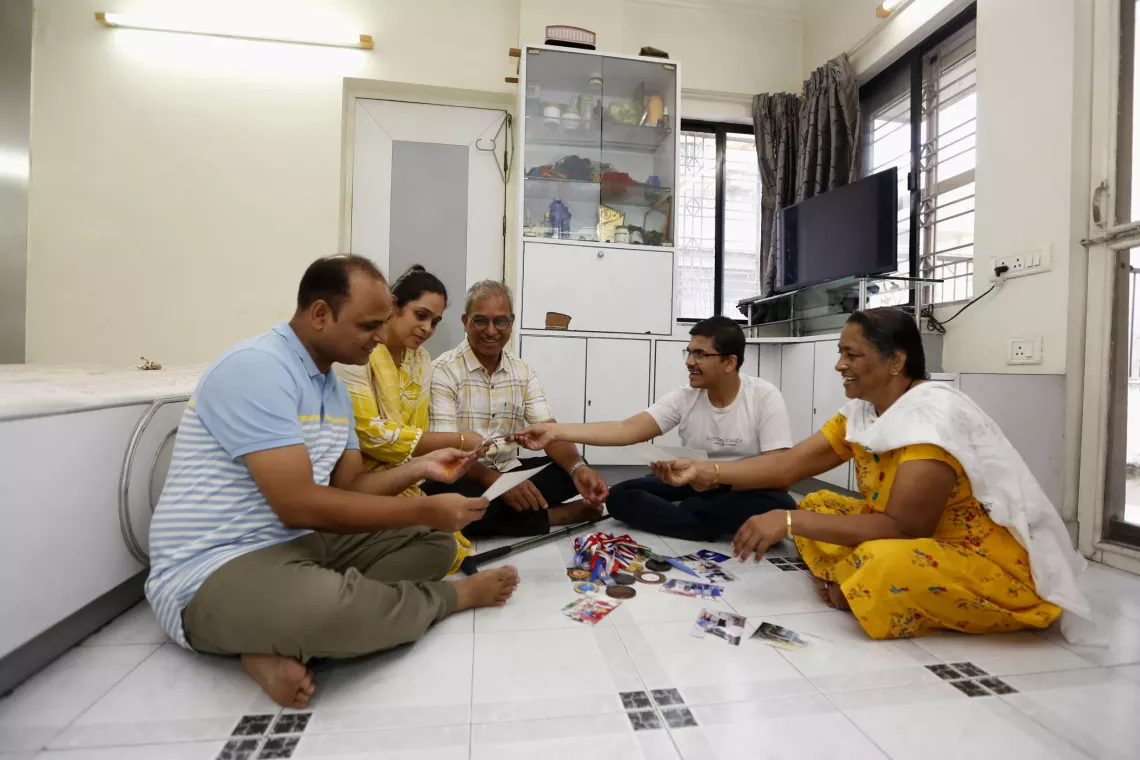
Today, Sankalp channels his lived experience into his role at the Pimpri Chinchwad Mahanagar Palika Divyang Bhavan Foundation (PCMC-DBF),India’s first disability-inclusive centre, launched by an urban local body. As a lift operator at the DBF office, he may hold a humble designation, but his work is transformative. He ensures that people with disabilities can easily access the services they need with dignity, empathy, and efficiency.
Every day, Sankalp navigates his commute independently via the PCMC Metro, after being helped down the stairs by his father on a quiet morning ritual that reflects both the challenges and the spirit of support in his life.
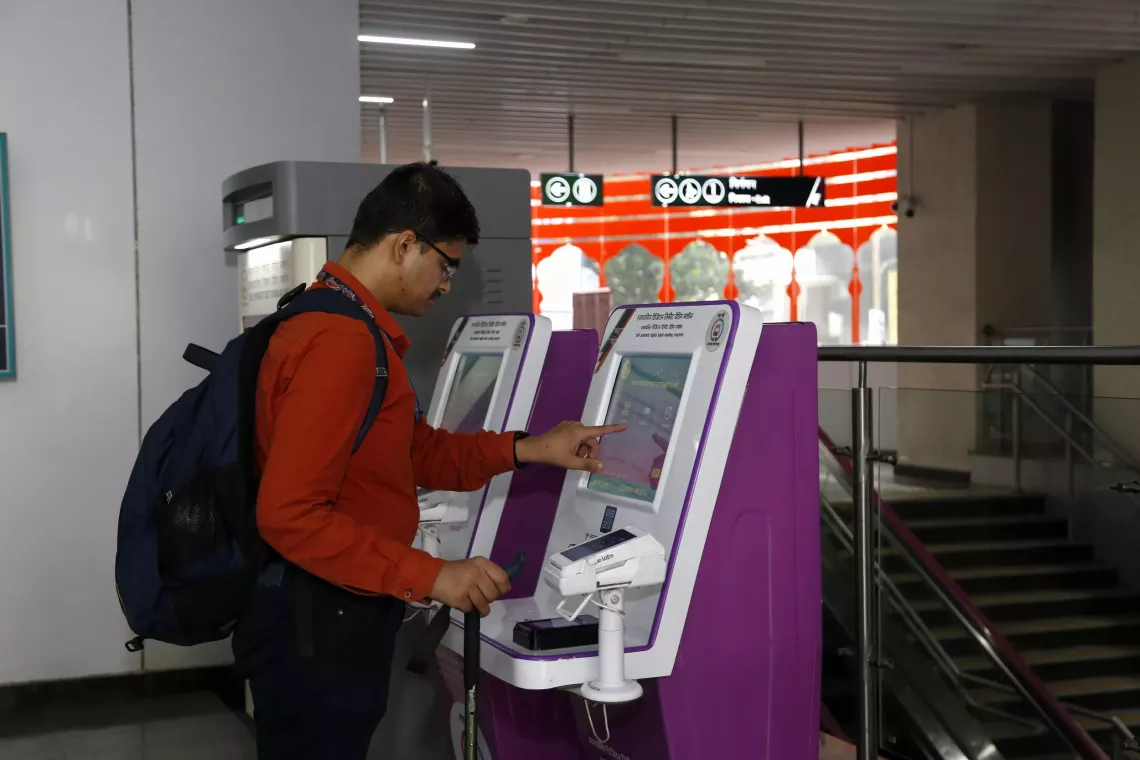
PCMC-DBF was launched on February 1, 2024. With the commencement of therapies from August 2024, PCMC-DBF has impacted over 750 persons with disabilities, offering disability assessments, counselling, vocational training, assistive devices, and special education. It has a staff of 41 individuals, eight of whom live with disabilities, like Sankalp himself.
A milestone this year was DBF’s partnership with UNICEF, which introduced a robust Disability-Inclusive Programming Strategy.
Announced during the March 2025 Purple Festival, this strategy weaves inclusion into health, WASH, education, and child protection systems — promoting accessible services and meaningful participation. In recognition of his needs, PCMC provides ₹3,000 per month towards his care, a small but meaningful support that underlines the role of local governance in inclusive development.
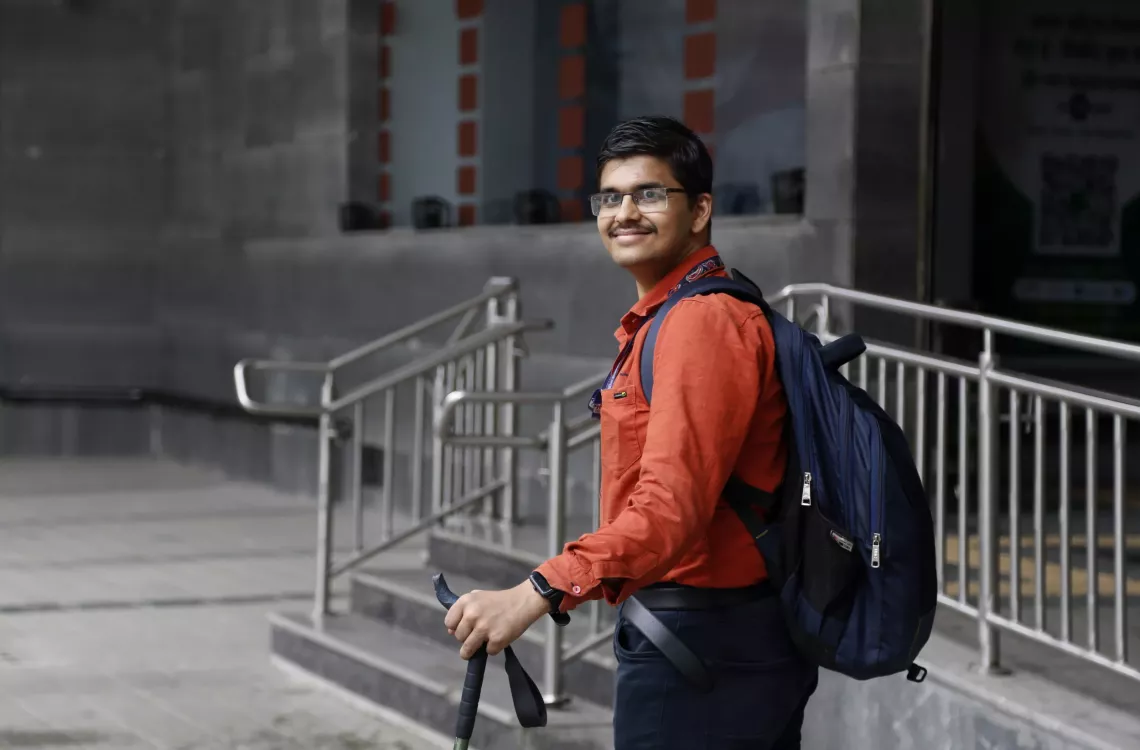
For Sankalp, PCMC-DBF is more than a workplace; it’s a space where inclusion is not just policy, but practice. Whether guiding visitors, sharing information about schemes, or simply being visible in a professional setting, he helps shift perceptions and bridge the gaps between institutions and communities.
At home, his parents — Satish and Savita — remain his biggest cheerleaders. His sister, a teacher, continues the family’s spirit of service.
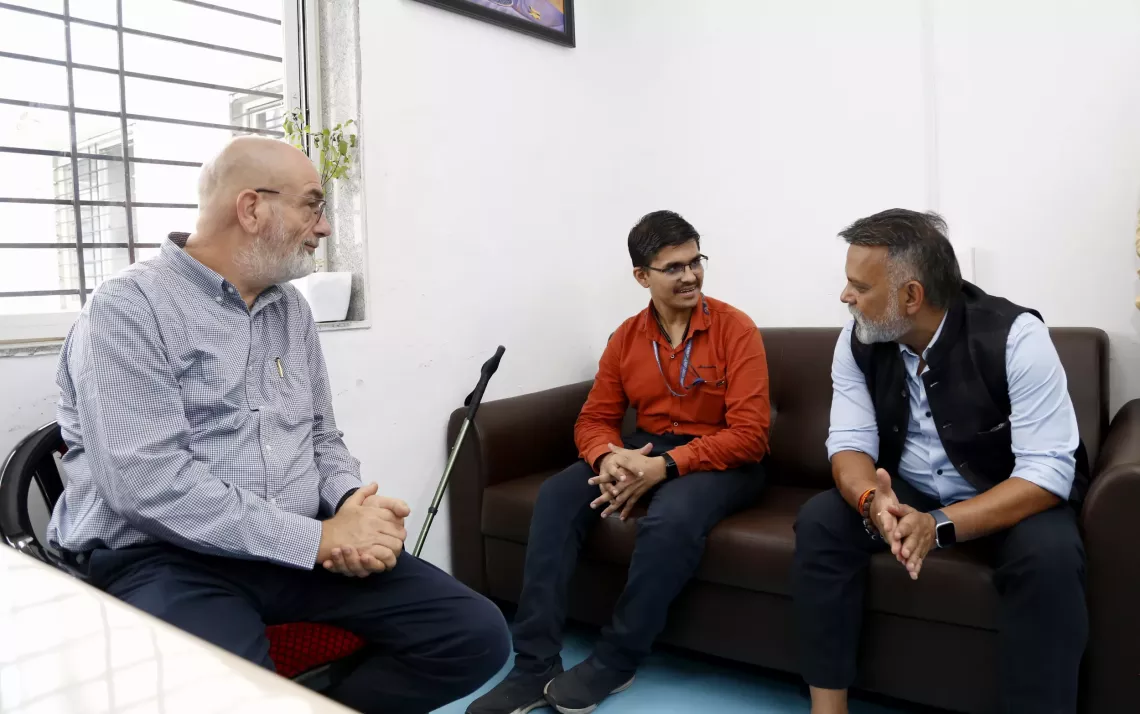
From swimming pools across continents to the corridors of PCMC-DBF, Sankalp’s journey is a testament to what’s possible when support meets determination. His story is not just about overcoming odds, but about redefining systems to work for everyone.
Through his calm determination, Sankalp stands as a powerful symbol of inclusion in the urban landscape — one lift ride at a time.