

Mental Well-being for Young People
YuWaah recognizes that Supporting young people's mental well-being is central to their learning-to-earning journey
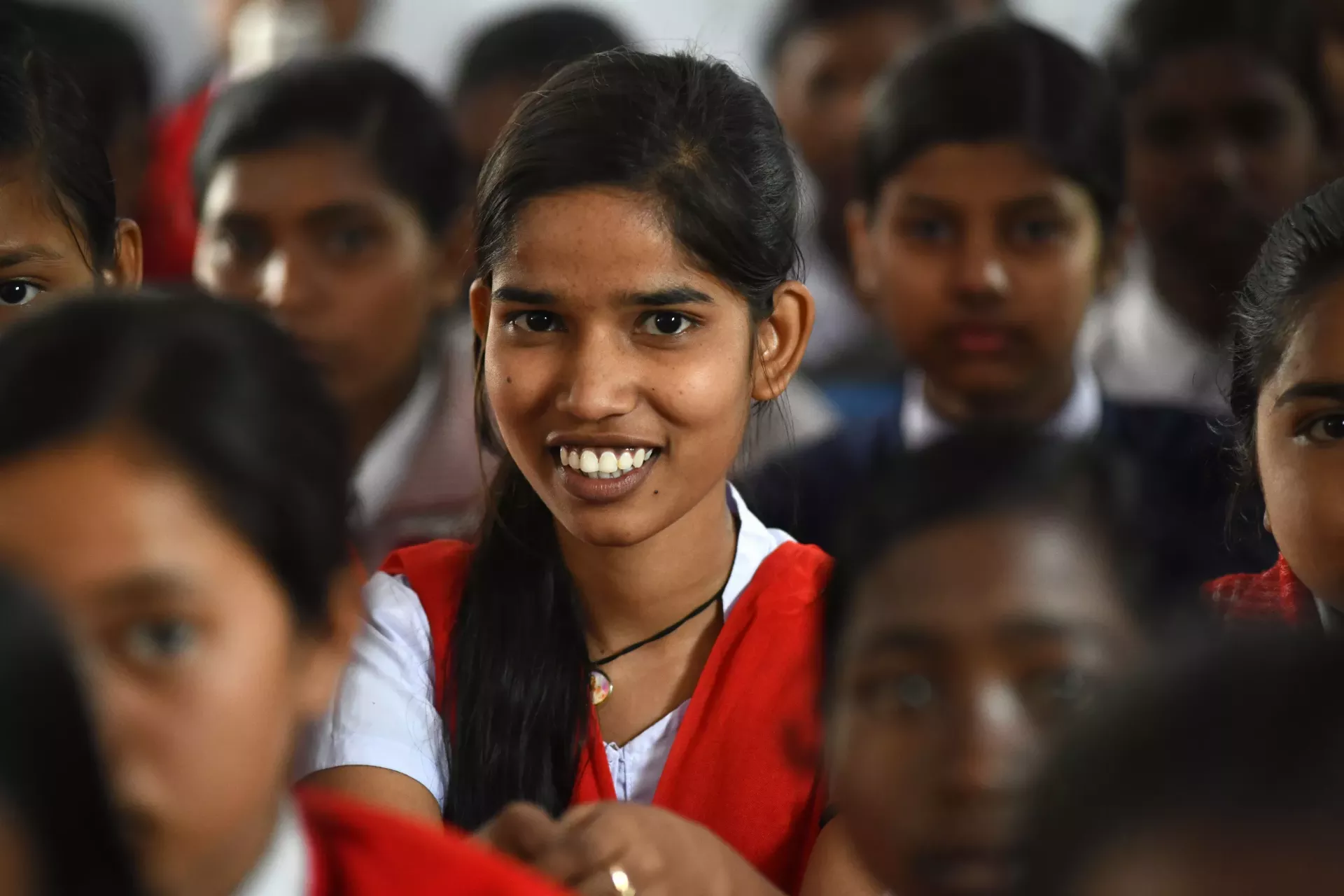
YuWaah recognizes that supporting young people’s mental well-being is central to their learning-to-earning journey and to enabling them to thrive as individuals. We work towards a holistic approach that addresses the needs of young people inside and outside education and employment systems.
Why Mental Wellbeing Matters?
- 1 in 10 people in India experience some form of mental health condition (approx. 10.6% of the population).
- 7.3% of young people (18–29 years) face overall mental morbidity.
- The NCERT Survey (2022) highlighted that 11% of students reported anxiety, 14% experienced extreme emotions, and 43% had mood swings.
- NEET youth face heightened risks due to stigma and economic hardships. They also have limited access to mental health care and support.
India has only 0.75 psychiatrists per 100,000 people and even fewer psychologists. Psychiatric social workers are also critically scarce across the country. This gap directly impacts young people's access to timely support.

The Case for Early Action
- Half of all mental disorders begin by age 14, and 75% by the mid-20s. Early detection and intervention during this period can prevent escalation.
- "Mental health challenges affect individuals and cause significant macro-economic losses. Implementing the Mental Health Care Act (2017) delivers an estimated 6.5x return on investment."
- Community-based and peer-led approaches have proven effective in reducing stigma, improving help-seeking behaviour, and lowering costs.
Our Approach
YuWaah champions an integrated, cross-sectoral approach to strengthen mental well-being systems for young people. This involves:
- Partnerships with Government: "YuWaah works closely with the Ministry of Education and other line ministries. Together, they aim to integrate mental health into national education systems."
- Collaboration across Sectors: Bringing together public, private, and youth stakeholders to co-create sustainable solutions.
- Community Engagement: Training parents, peers, educators, and community leaders to act as gatekeepers and first responders.
- Evidence-Based Interventions: Grounding all programs in research to ensure scalable, impactful, and cost-effective outcomes.
Our work follows WHO's layered framework for comprehensive mental health care. This covers everything from prevention and promotion to specialized care.

Framework of Support
Enabling Environment
- Institutional Capacity: Training colleges, community organizations, and government partners to integrate mental well-being into their systems.
- Policy and Advocacy: Supporting national and state-level guidelines, schemes, and dedicated budget allocations.
- Pilot and Scale: Testing approaches in partnership with the government and scaling based on evidence.
Awareness, Prevention, and Promotion
- Within Schools/Colleges: Building literacy, promoting help-seeking behaviours, and creating peer-support networks.
- Outside Educational Systems: Focusing on NEET youth through grassroots outreach to ensure no one is left behind.
Peer Support and Psychosocial Interventions
- Training young people to recognize distress, offer first-line support, and build resilience within their communities.
Specialized Care
- Creating strong referral pathways to connect young people with professional support (psychologists, psychiatrists, and social workers) when needed.
Together, these strategies create a comprehensive and sustainable ecosystem that strengthens young people’s mental health and psychosocial well-being.
Current Interventions
- Maharashtra Pilot: YuWaah is live in Maharashtra with peer support and awareness programs. This pilot runs with the Department of Higher Education and the National Service Scheme.
- Systems Strengthening with Ministry of Education: YuWaah Co-facilitated an inter-ministry convergence meeting with five ministries (Education, Youth Affairs & Sports, Social Justice & Empowerment, Women & Child Development, Health & Family Welfare) to align on youth mental well-being initiatives.
- Policy and Expert Engagement: YuWaah facilitated eight technical working group meetings with 70+ mental health experts. These meetings aimed to develop policy recommendations for a holistic school mental health program.