Responsible AI for Children and Young People
Recommendations for AI policies and systems that uphold child rights
- English
- हिंदी
About
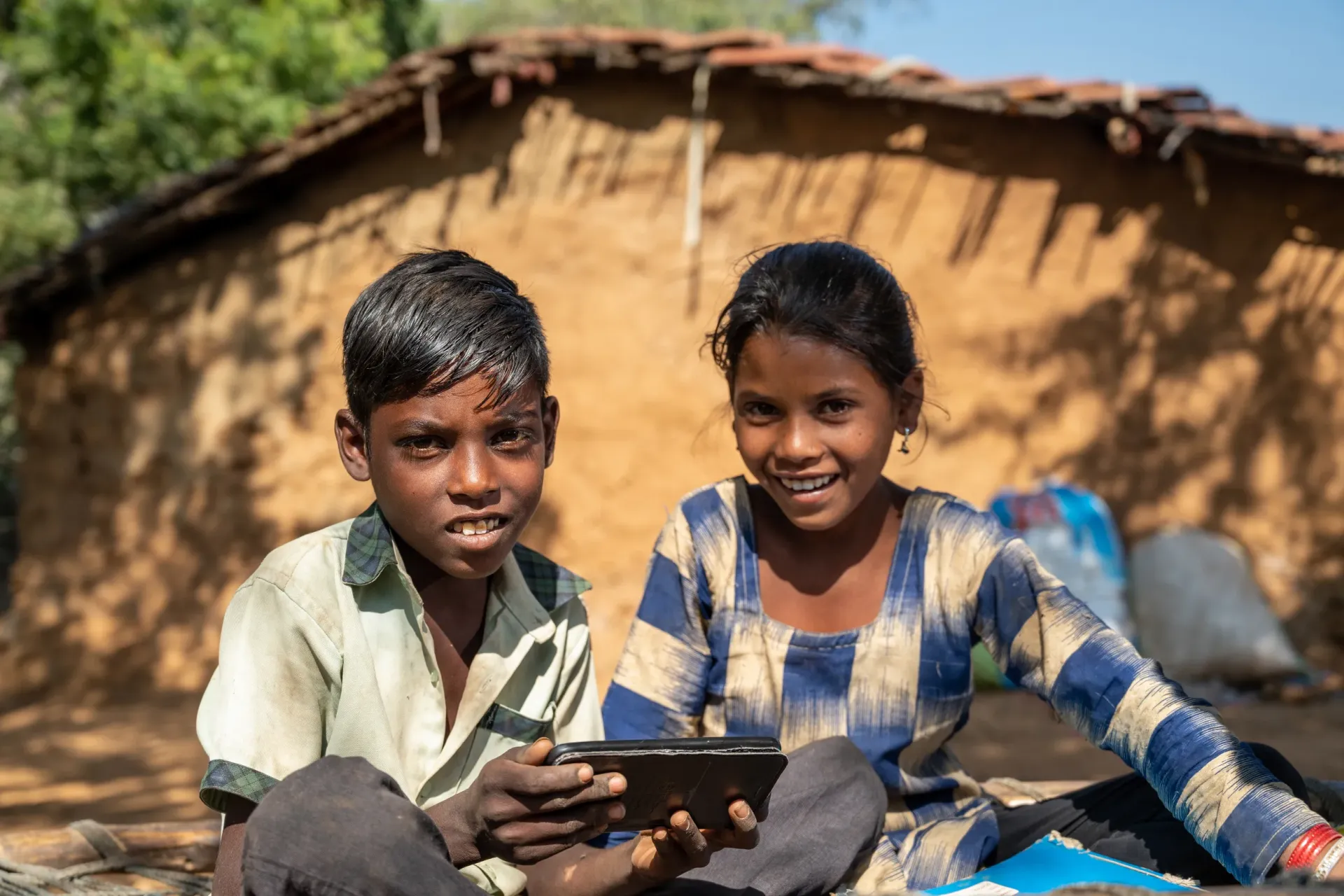
Children today are growing up amid a rapidly developing artificial intelligence systems impacting every aspect of their life. AI has become integral to major apps and platform that children and young people use.
The available research on children and AI shows the differences are about more than access – disparities exist in types of usage, attitudes to AI, trust levels, and understanding of privacy protections and exposure to harm. Novel risks include AI-generated disinformation and emotional dependency on companion chatbots. Real harms are experienced through AI-generated explicit ‘deepfakes’ and AI-generated child sexual abuse material (CSAM).
On the other hand, AI presents endless possibilities that need to be rightly guided to improve skills, services, and opportunities for children. AI needs to be harnessed to its full potential toward empowering transition of children and young people; prepare them well for future employability that helps them complement rather than being replaced.
Young people and their families, teachers, and communities need to understand the new benefits that could be leveraged through the use of AI to better support areas such as learning and increasingaccessibility for children with disabilities.
Children being the fastest adopters of AI, UNICEF is collaborating with partners amplify young people’s views to advocate with governments, policymakers and leaders to facilitate AI literacy and skills development for children; equitable access and participation in AI governance for age appropriate, safe and adaptive AI; data protection, transparency and human oversight with avenues of remedy and redress; and embed critical AI and digital infrastructure to unlock exponential economic gains. These documents highlight UNICEF's commitment to embracing the AI evolution in keeping with the best interest of children and young people.
This statement reflects extensive, inclusive consultations, drawing on a global U-Report survey led by Generation Unlimited with nearly 54,000 children and young people across 184 countries, as well as focused group discussions with children and young people across India.