Knocking on every door to stop cholera
From lakeside villages to overcrowded classrooms, community outreach workers in eastern DRC are on the front lines—working tirelessly to shield families from cholera’s devastating toll

- Français
- English
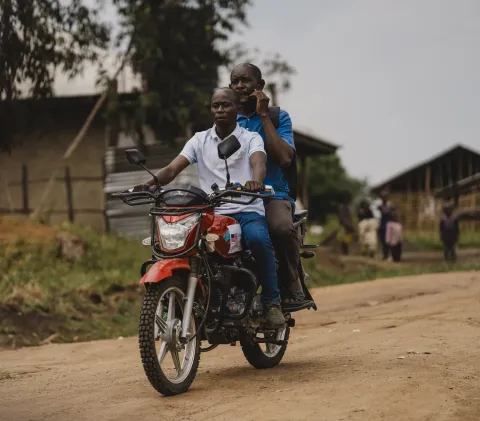
Every morning in Goma’s Kasika neighbourhood, in North Kivu province, Songa Kitulanya and John Kikasi lace up their shoes and head out on foot. Going door to door, they knock, not to sell, not to campaign, but to save lives before cholera strikes again.
“I do this work to help the community avoid suffering from preventable diseases,” says Songa, a veteran outreach worker with over 15 years of experience. “Many people don’t know that there are health centres where treatment is free. They just stay at home because they don’t have the information they need.”
Songa is one of the thousands of community outreach workers trained by UNICEF to tackle cholera head-on. Through its cholera rapid response programme – known officially as the Case Area Targeted Intervention, or CATI, programme – UNICEF, in collaboration with the Congolese government, is currently leading cholera response efforts across six provinces: North Kivu, South Kivu, Tanganyika, Haut Katanga, Haut Lomami, and Lualaba.

In Goma, CATI team leader Abraham Bitangalo loads his truck with soap, water purification tablets, and rehydration salts. His team is heading to Kihindo village where there are new cholera cases. Their first stop is at the family home of five-year-old Furahini. She has already been moved to a cholera treatment centre, where she is on the road to recovery, but the team need to take action to prevent the disease spreading in the neighbourhood.
“We go straight to the household,” Abraham explains. “We disinfect, educate neighbours, and provide hygiene kits. It’s about breaking the chain of transmission.”
At nearby Kihindo Primary School, 43 children fell ill earlier this year.
“Our school is overcrowded and lacks basic sanitation,” says headteacher Kishala Mwamedi. “Thanks to awareness sessions, the number of cases is finally going down. But clean water and toilets are still urgently needed.”

In neighbouring South Kivu province, the outreach extends to lakeside neighbourhoods like Muchibwe, where community worker Chekanabo Rubuga is talking to fellow fishermen.
“Lake Kivu gives us life, but it can also make us sick,” he warns. “If we keep polluting it, our entire community is at risk. Cholera is real here, and our habits need to change.”

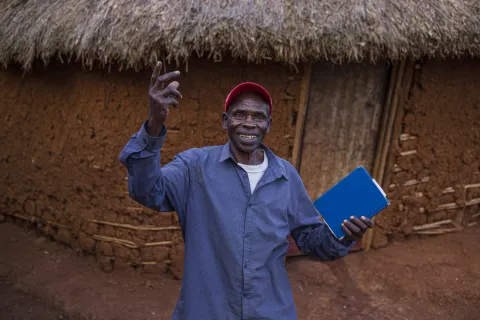
Back in Kasika, outreach worker John wraps up another household visit.
“This work is important for our community,” he affirms. Before he teaches others, John starts with his own family. “I make sure they know when and how to wash their hands because cholera often comes from a lack of hygiene. These are all simple, everyday habits, but they’re essential. And this is what we promote in our work every day.”
Between January and May 2025, UNICEF’s cholera rapid response reached more than 1.9 million people, with over 240,000 homes disinfected, 132,000 water treatment kits distributed, visits paid to 8,500 people suspected of having contacted cholera, and over 300 chlorination, rehydration and water points installed.

The rapid response is undoubtedly saving lives. But communities desperately need the investment that will provide them with safe drinking water and proper sanitation over the long term. Without this investment, the risk of new outbreaks will continue to loom.