In Manono, mothers are taking action to better nourish their children
Through cash transfers, nutrition counseling, and community initiatives, women are protecting their children from malnutrition

- Français
- English
Sitting on a plastic chair, her baby in her arms, Alphonsine Ngoyi patiently waits her turn. In a few moments, this mother will be able to withdraw 214,000 Congolese francs (about 93 US dollars) received on her phone as part of a project implemented by UNICEF with the support of Irish Aid, the development cooperation program of the Government of Ireland.
For her, this amount represents much more than a cash transfer: it is a very concrete opportunity to better feed her child.
Alphonsine lives with her husband and their son, Alain Kasongo, who is one year and five months old, in the Manono territory in Tanganyika province. Like many families in the region, their daily life depends on unstable income.
“Sometimes we would spend the whole day without knowing what we were going to eat in the evening,” Alphonsine recalls.
In their household, meals are often limited to cassava or maize porridge. Regularly buying fish, vegetables, beans, or oil for their young child remains difficult.
In this part of Tanganyika, many families face the same uncertainty. Diets are often not diverse, resources are limited, and young children, pregnant women, and breastfeeding mothers remain particularly vulnerable to malnutrition.

To address this reality, UNICEF and the Observatory for Human Rights (ODH) are supporting the most vulnerable families through the Cash+ Nutrition project. Children are screened and, when they suffer from severe acute malnutrition, referred for appropriate treatment.
Families also receive advice on feeding young children, take part in cooking demonstrations, and benefit from home visits. At the same time, pregnant women, breastfeeding women, adolescent girls, and young children receive nutritional supplements tailored to their needs.
In addition, nearly 4,000 vulnerable families have been identified to receive cash transfers. This support gives them practical means to act: purchasing more nutritious food, meeting children’s urgent needs, or strengthening small income-generating activities to better support their families.

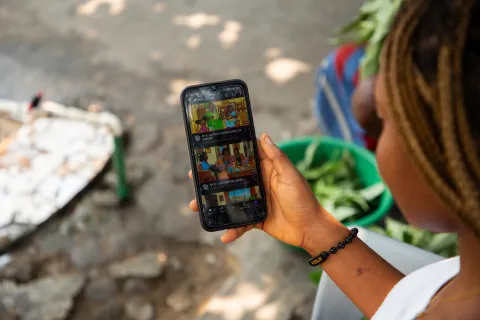
Before payments are launched, families receive a phone and a SIM card activated with a mobile wallet to facilitate transfers. On that day, after several checks at a temporary cash-out point set up by ODH, Alphonsine finally receives confirmation on her phone.
“When I saw the confirmation message arrive on my phone, I felt a great sense of relief,” she explains.
With this money, Alphonsine already knows what she wants to do. She plans to buy rice, small fish, vegetables, beans, oil, and other essential products to improve her child’s diet.
“This money will help us feed our child better and prevent him from falling ill due to a lack of food.”
With the next two transfers planned in the coming months, Alphonsine hopes to develop a small income-generating activity, gradually reducing her family’s dependence on the precarious income from artisanal mining.

Cash transfers complement nutrition advice. They enable families to more easily put into practice what they learn: diversifying meals, buying more nutritious foods, monitoring children’s health, and acting earlier when signs of malnutrition appear.
Machoz Siyapata is also learning to recognize these signs. Not long ago, her daughter was losing weight, frequently falling ill, and hardly playing anymore. Machoz did not yet know where to turn quickly.
“I felt powerless. I watched my child weaken day by day, and I didn’t know what to do,” she says.
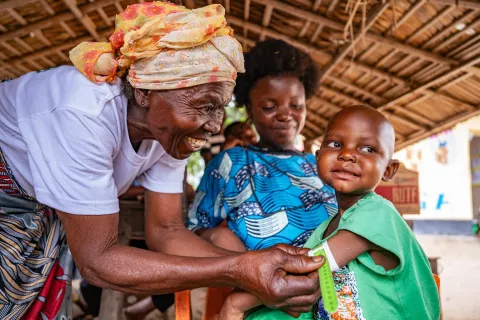
During a home visit by community workers, her daughter was screened and diagnosed with severe acute malnutrition and admitted to an outpatient nutrition treatment program.
“From the first days of treatment, I saw my daughter regain her strength. She started smiling again and playing with other children,” Machoz recalls.
Today, Machoz shares the advice she received with other women in her neighborhood.
“Before, we used to do certain things without knowing they could make our children sick,” she explains.
In the Manono health zone, the fight against malnutrition also relies on women who organize themselves to support their communities.
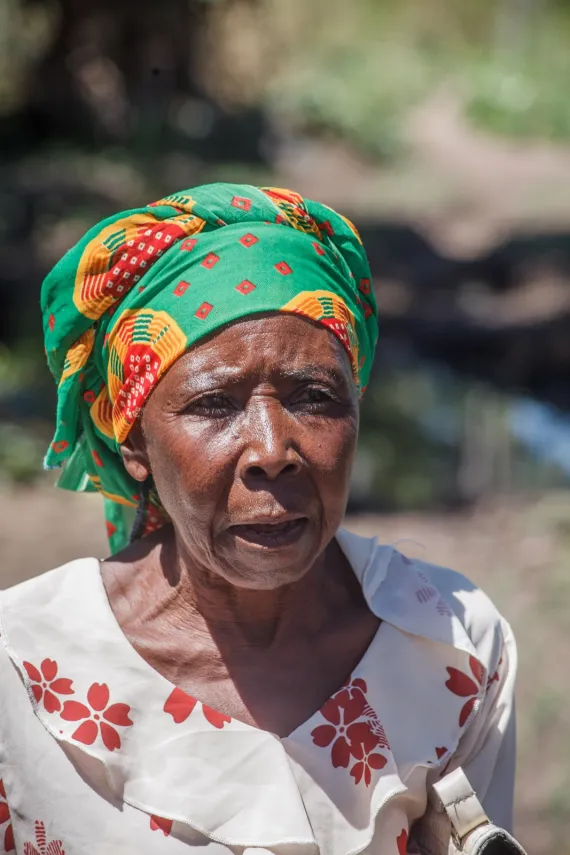
In Mazyondo, Yvonne Ngoyi Kabwe, known as Maman Yvonne, dedicates her energy to the women and children of her village.
At 70 years old, this mother and grandmother continues to raise awareness among families about nutrition and the importance of a more varied diet for children. For several years, she has observed the challenges faced by families around her.
“Mothers would leave very early for the mines and return late in the evening. Meanwhile, children were often left alone without sufficient food,” she explains.
In response to this reality, Maman Yvonne created PROFEMA, an association of women committed to raising awareness about nutrition and supporting vulnerable families.
With support from the UNICEF-backed project, women from PROFEMA receive training in preventing malnutrition, infant and young child feeding, cooking demonstrations, and income-generating activities. They also develop a community garden where they grow maize, beans, peanuts, cassava, and vegetables.
The harvests now help support vulnerable families and assist groups of mothers participating in awareness-raising activities. Other associations are also launching small livestock initiatives, particularly goat farming.
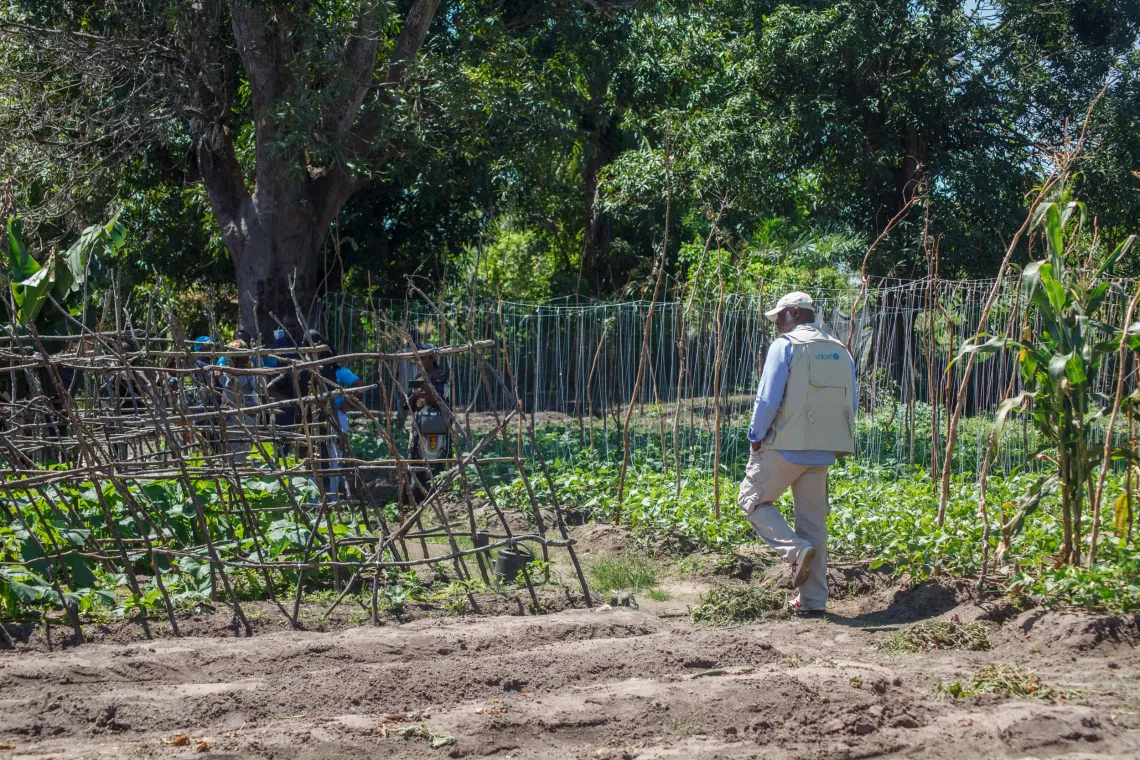
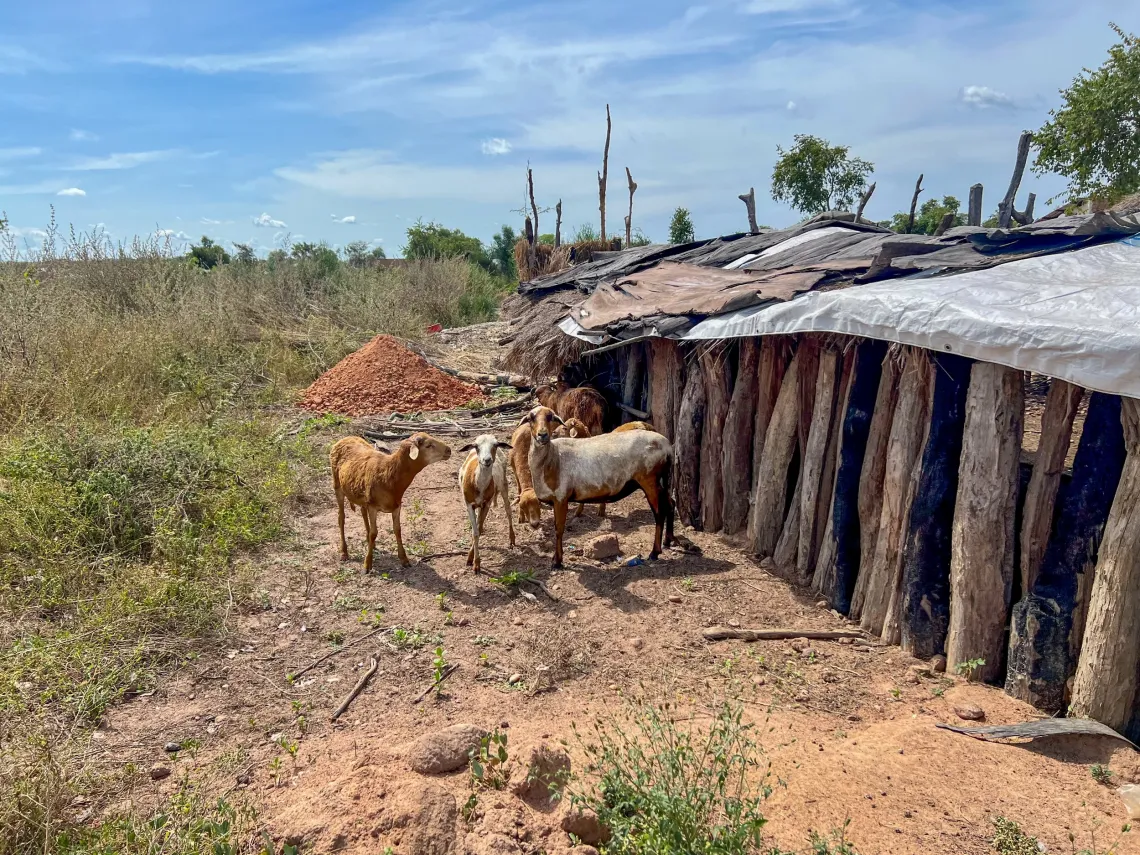
“Many mothers now understand the importance of diversifying children’s diets and monitoring their growth,” explains Maman Yvonne.
In Manono, cash transfers do not replace healthcare, nutrition advice, or health monitoring: they reinforce them. For mothers like Alphonsine and Machoz, they provide a concrete margin of flexibility in a daily life where every decision matters for children’s health.
In the fields, within households, and through local associations, women are becoming agents of change in their families and communities.
Thanks to mobile phones, the advice they receive, and solidarity among women, the fight against malnutrition is becoming a shared family and community effort.