“I hope for a better future for my children”
In Shasha, Noëlla and Immaculée share the same hope: helping children grow up healthy and strong
- Français
- English
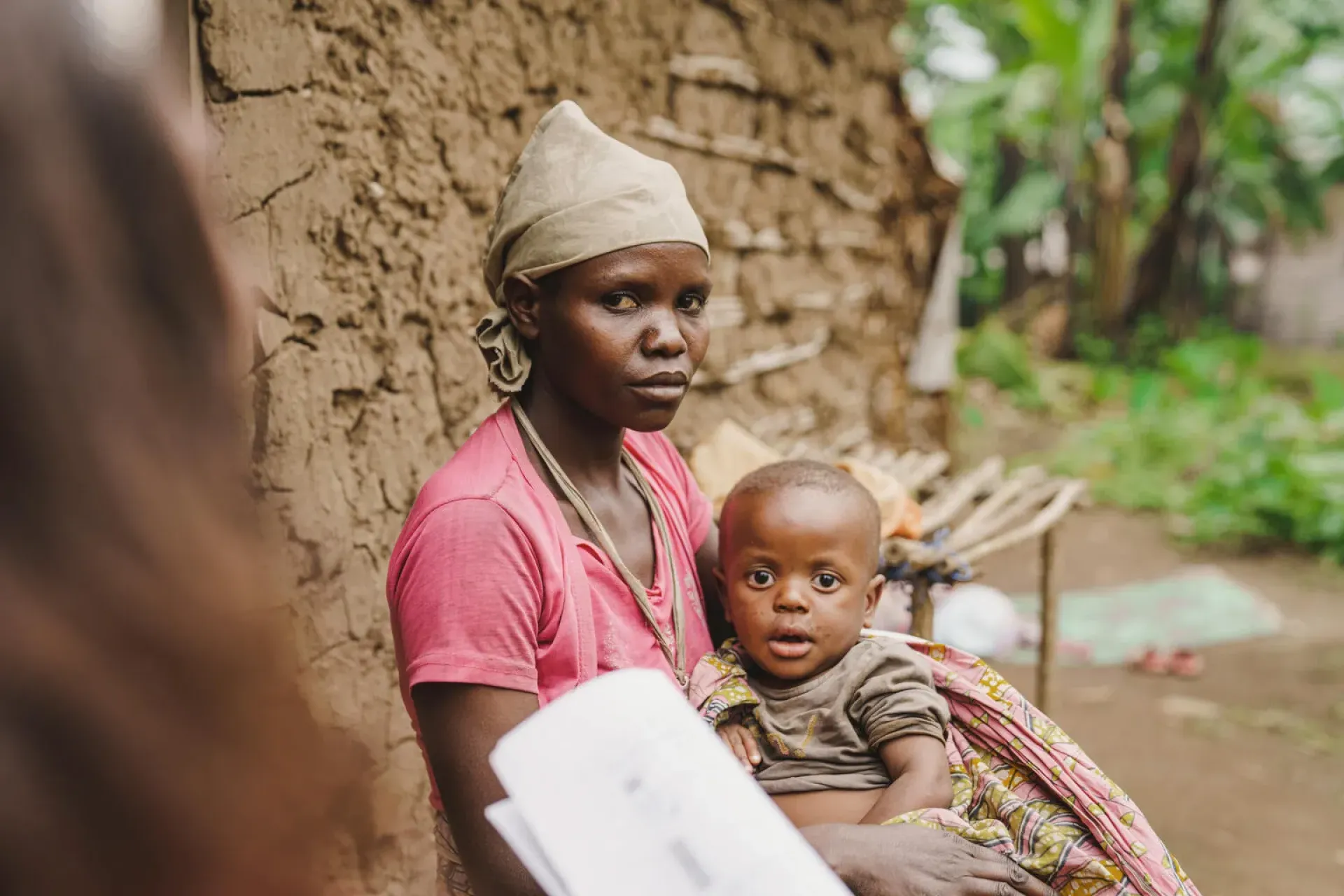
Shasha, Masisi Territory, North Kivu — In front of her house, Noëlla Mastaki sits on a wooden bench, her daughter Mapendo on her lap. The 18-month-old girl looks attentively at the visitor who came this morning: Immaculée Munuti, a community outreach worker.
Immaculée gently presses on the child’s legs. Mapendo remains still, her eyes wide open. Noëlla watches with a mix of concern and determination.
“When we fled the war and came back here, we had to start from scratch,” she says. For a year, her family lived in a displacement site in Minova, about 10 kilometres away.
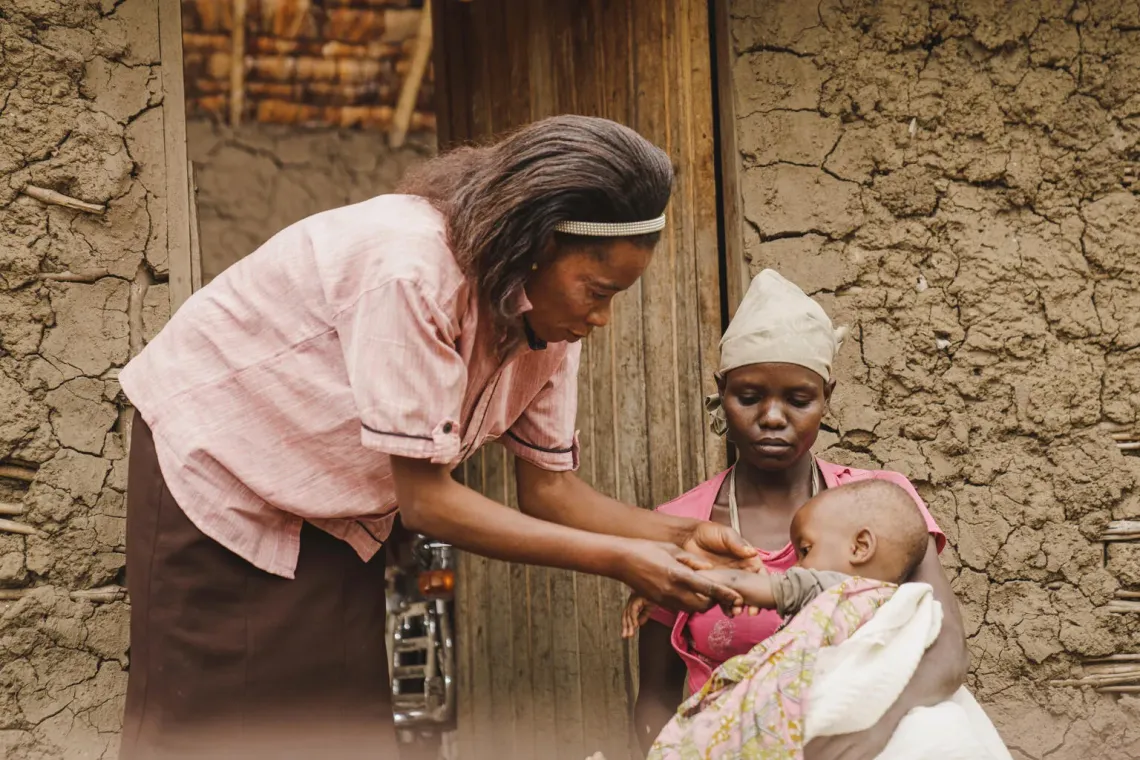

Since their return to Shasha in February, everything needed to be rebuilt. “We are taught how to prevent malnutrition, especially by eating balanced meals, but for lack of means we cannot always find enough food,” explains Noëlla.
Mapendo was recently diagnosed with severe acute malnutrition. Just before her, it was her older brother who suffered from malnutrition. The little girl is now receiving home-based treatment with ready-to-use therapeutic food provided by the Shasha Health Centre, supported by UNICEF.
“Since Mapendo started taking the therapeutic food, her health has improved.” explains Noëlla adds. “The community outreach workers also give us advice so that she does not fall back into malnutrition.”

Shasha is a rural locality in Masisi Territory where many families have resettled after the dismantlement of displacement sites around Goma.
UNICEF helped to restore basic social services for children through its Rapid Response Mechanism and today supports communities on their path to resilience.
With support from the Central Emergency Response Fund (CERF), the Bureau for Humanitarian Assistance (BHA) and the European Union (ECHO), UNICEF monitors and treats children suffering from acute malnutrition.

Nutritional education and counselling sessions help pregnant and breastfeeding women to improve infant and young child feeding practices, while community outreach workers remain active within the communities, close to the families.
“They help us a lot, reassuring us that the children are following their treatment properly and encouraging us to adopt good practices,” says Noëlla.
Every day, Immaculée goes from family to family to monitor the health of the children. She speaks about her work with the same determination she has shown for 16 years.
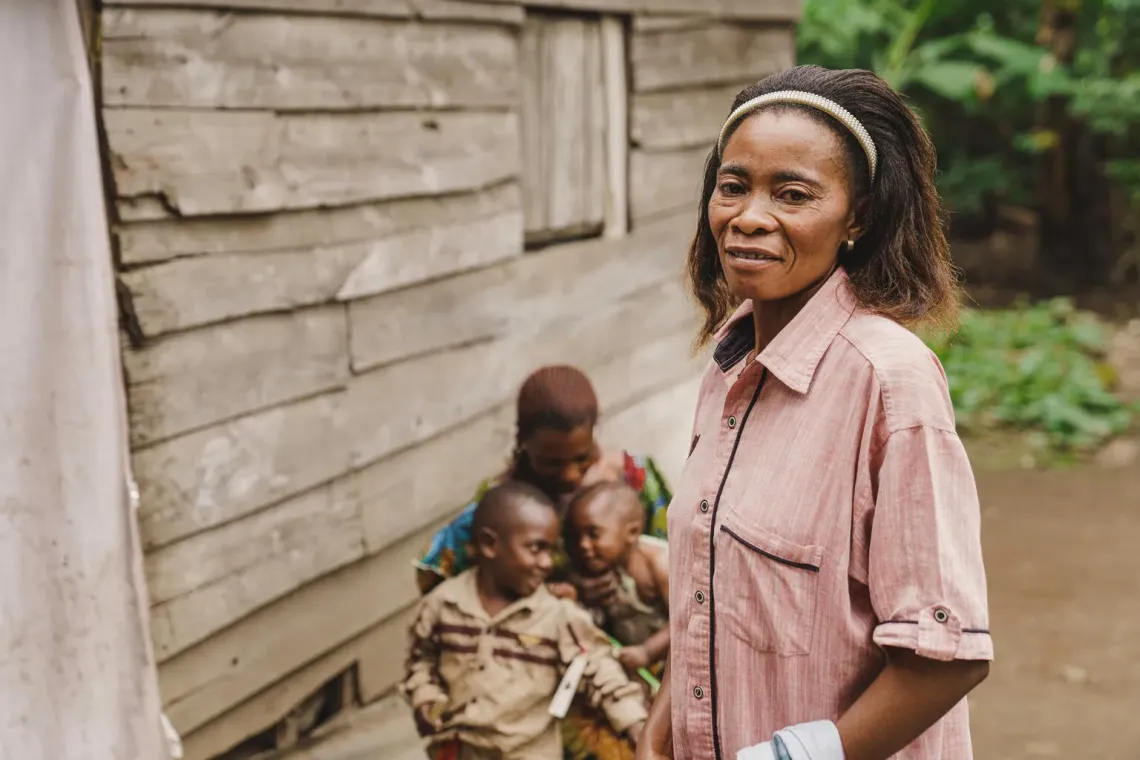
“I am a community outreach worker and mother of eight children. My job is to raise awareness in the community about prevention and protection against diseases such as malnutrition.”
She sadly notes an increase in malnutrition since the return of families to Shasha. “Many have lost everything, and life is very difficult here,” she continues.
For families who have remained in Goma, malnutrition also remains a source of concern. At the Umoja Health Centre, little Charmante, two years old, eats her sachet of ready-to-use therapeutic food with appetite.

“Charmante weighed seven kilos when I first brought her, and today she weighs eight,” explains her mother, Alice. At her age, a healthy child should weigh about ten kilos, showing that Charmante still has a way to go before regaining full strength.
Alice brought her daughter to the health centre following the advice of a community outreach worker who had come to her home.
“Some mothers also know how to measure mid-upper arm circumference and can bring their children to the centre themselves,” explains Sifa Mulindangabo, a nutritionist working with COOPI, UNICEF’s implementing partner.

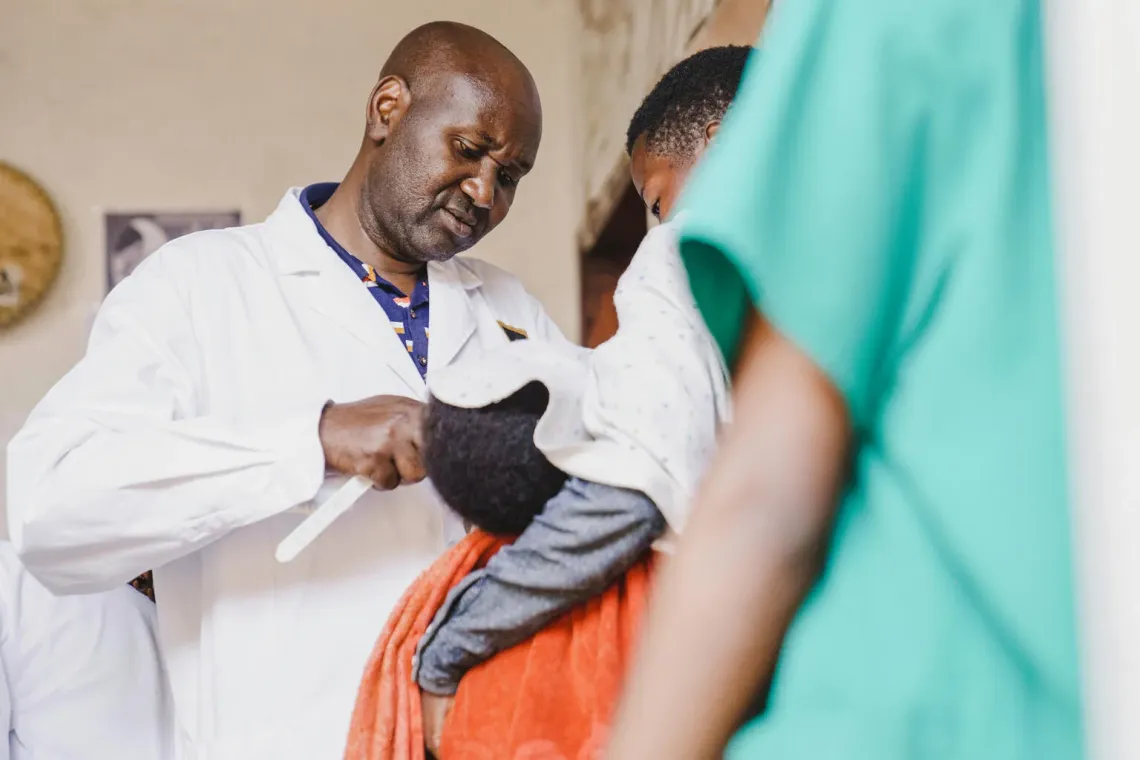
Nearby, Tumaini Kalisa, also a nutritionist, welcomes a new child and begins the first measurements, noting weight, height and mid-upper arm circumference to assess the child’s nutritional status.
“Most children recover well. If we notice a problem, we visit the household the next day to understand what’s happening.”
Between June and October 2025, the combined efforts of community workers, health centres and partners enabled nearly 15,000 children to be treated in outpatient therapeutic nutrition units in seven health zones of North Kivu. During the same period, about 30,000 parents and caregivers were sensitised to good infant and young child feeding practices.