Communities on the frontline
How youth and community leaders are shaping the mpox response in the Democratic Republic of the Congo
- Français
- English
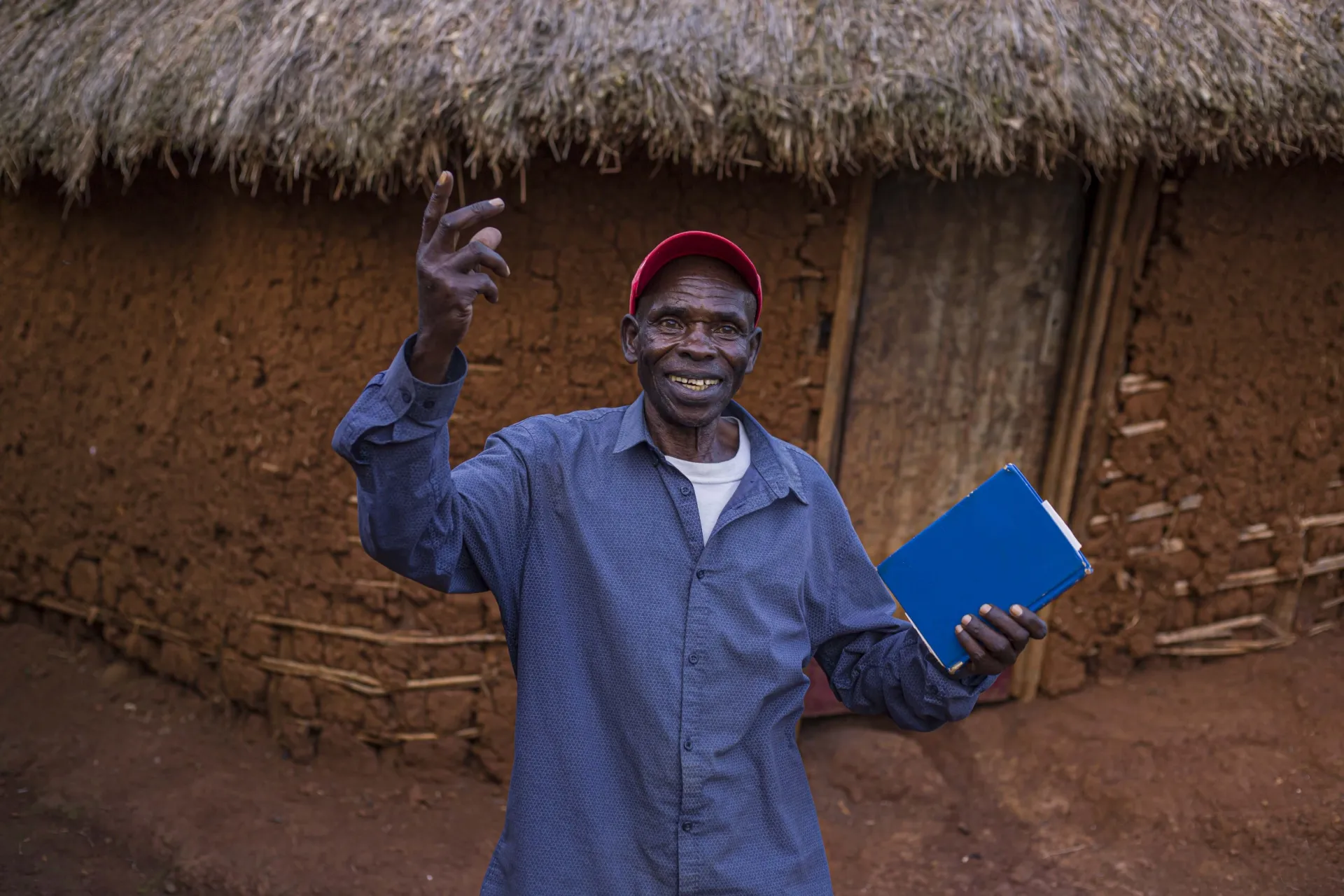
In Kabikwinja, a village in South Kivu, Joseph Lushuguri Bijundi starts his days early. As village chief, he is used to bringing people together. Since mpox resurfaced, much of his time is spent on something different.
Trained in risk communication and community surveillance, he walks from house to house, speaking with families about symptoms, prevention and care. In the early days of the outbreak, some families refused referral to treatment centres. Many believed the disease was linked to shame or affected only certain groups.
Joseph kept returning, answering questions patiently and reassuring them that seeking care was not something to fear. Gradually, more families agreed to seek care.
“Eradicating an outbreak depends on community surveillance, better understanding of ways to protect community members and the involvement of everyone,” Joseph explains.
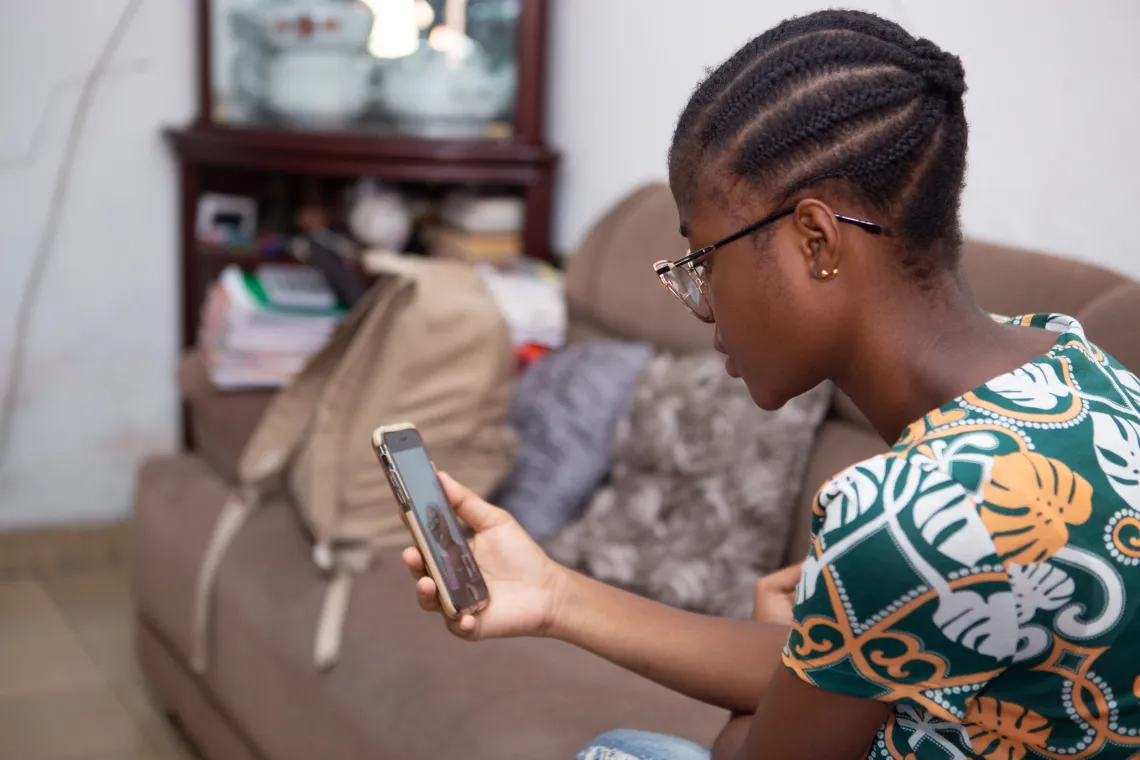
Yet the response he is part of extends far beyond his village. As mpox spread, so did conversations about it. Messages circulated quickly through WhatsApp groups and social media. Some were accurate, but others created confusion.
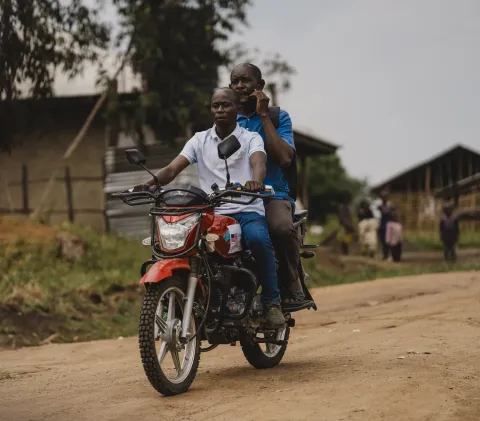
To understand what communities were thinking and feeling, U-Reporters and Web Watchers, young volunteers working with UNICEF, began monitoring online conversations. They identified recurring questions, flagged misinformation and shared insights with response teams.
At the same time, U-Reporters continued their work in markets and neighbourhoods, answering questions directly and sharing prevention guidance face to face. The digital actions and community-based efforts reinforced each other.
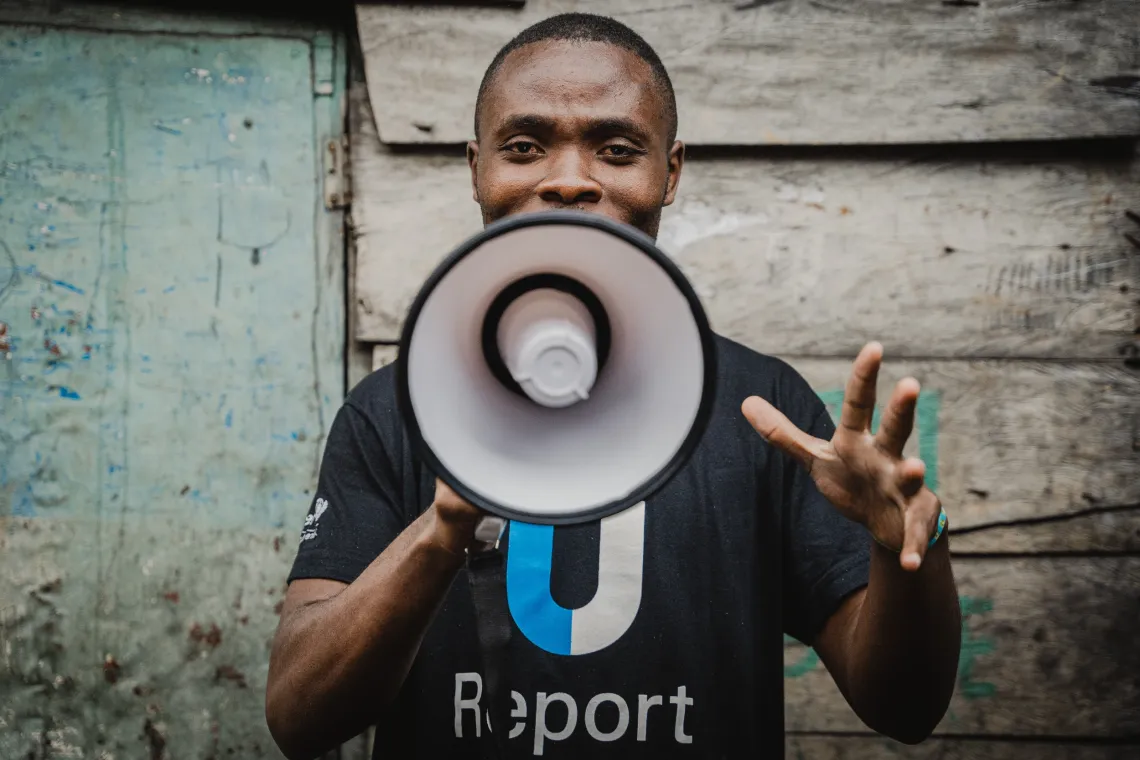
For a 28-year-old U-Reporter, Constant Aganze, this meant engaging both online and in person.
“I stepped forward to inform my community, mobilise young people and connect families with health services,” he says. “Through this work, I helped reduce misinformation and build trust.”
Prevention messages were also sent directly to millions of mobile phones through telecom partnerships. People could text the word “mpox” to access verified information instantly, while peer-to-peer conversations on WhatsApp and Facebook Messenger helped circulate that guidance within trusted networks.
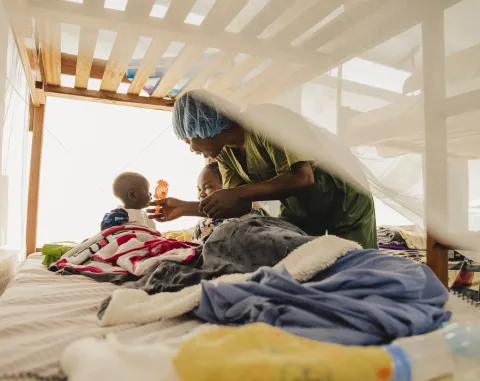
But information alone did not dissolve fear. For some survivors, returning home was difficult.
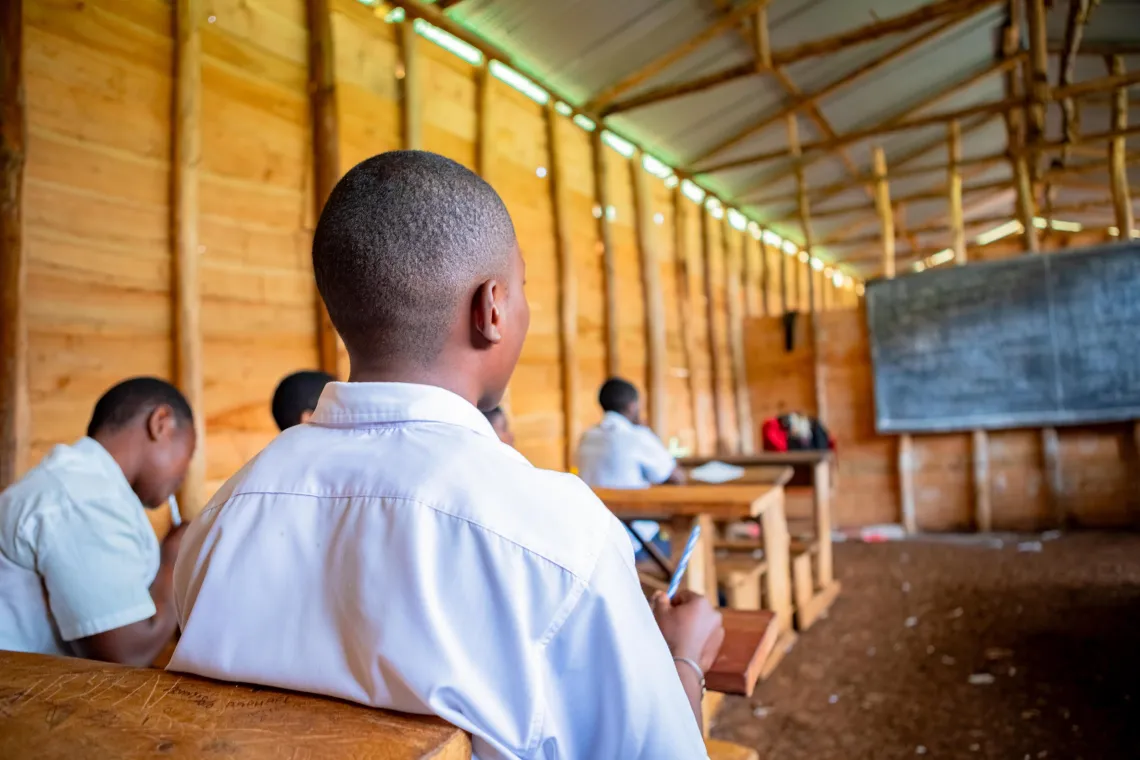
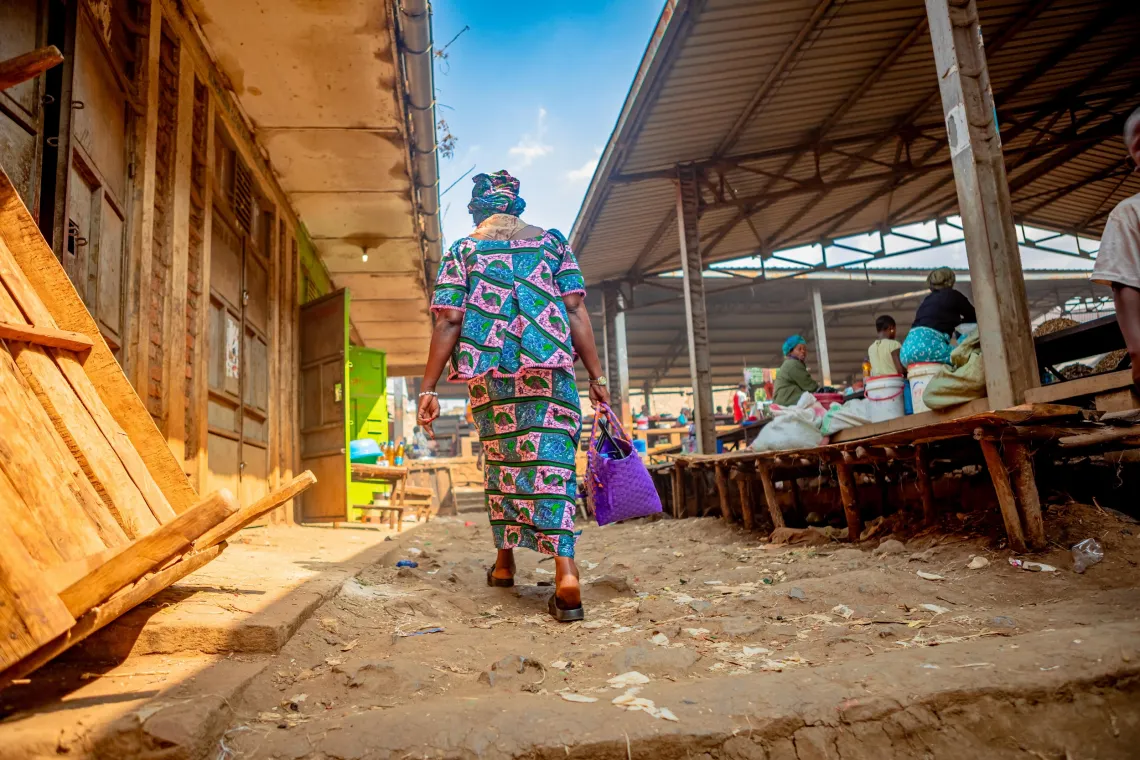
Patrick*, 19, knows this reality well. “No one wanted to come near me, not even my brother,” he recalls. When he returned home from the treatment centre, his siblings kept their distance, even though they had been vaccinated.
Claudine*’s experience followed an equally painful path. At 56, she was deeply involved in raising awareness about mpox prevention. When she tested positive, shame took over.
“I couldn’t bear to be seen with mpox symptoms,” she says. After recovering, she chose to speak openly but was gradually pushed aside. “I used to train others about mpox. But when I got it myself, I hid.”
Their stories reflect how stigma can influence behaviour and delay care-seeking.
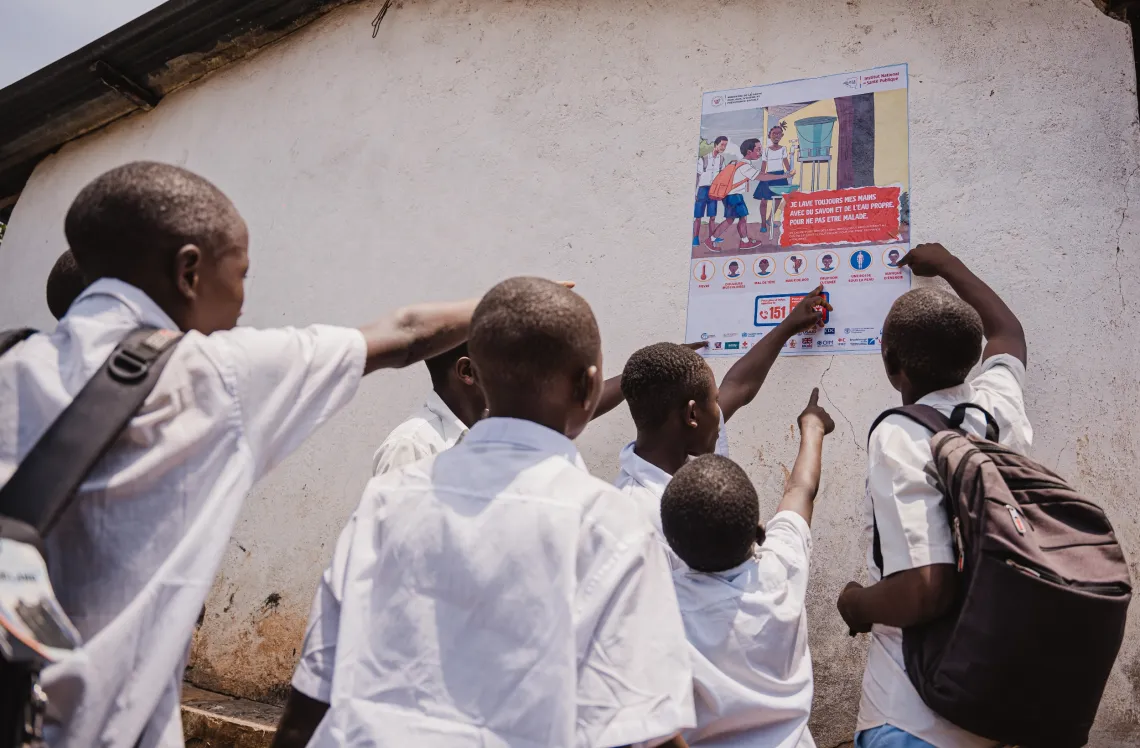
Listening systems began detecting these shifts early. As communication highlighted sexual transmission, some people became less willing to discuss symptoms openly and conversations moved into private channels.
By monitoring these patterns, response teams adjusted their communication approaches in ways that protected dignity while sustaining access to care.
Across provinces, community groups helped sustain awareness efforts beyond emergency funding. Through modest investments in Community Animation Cells, outreach teams launched small income-generating activities such as chair rentals or poultry farming.
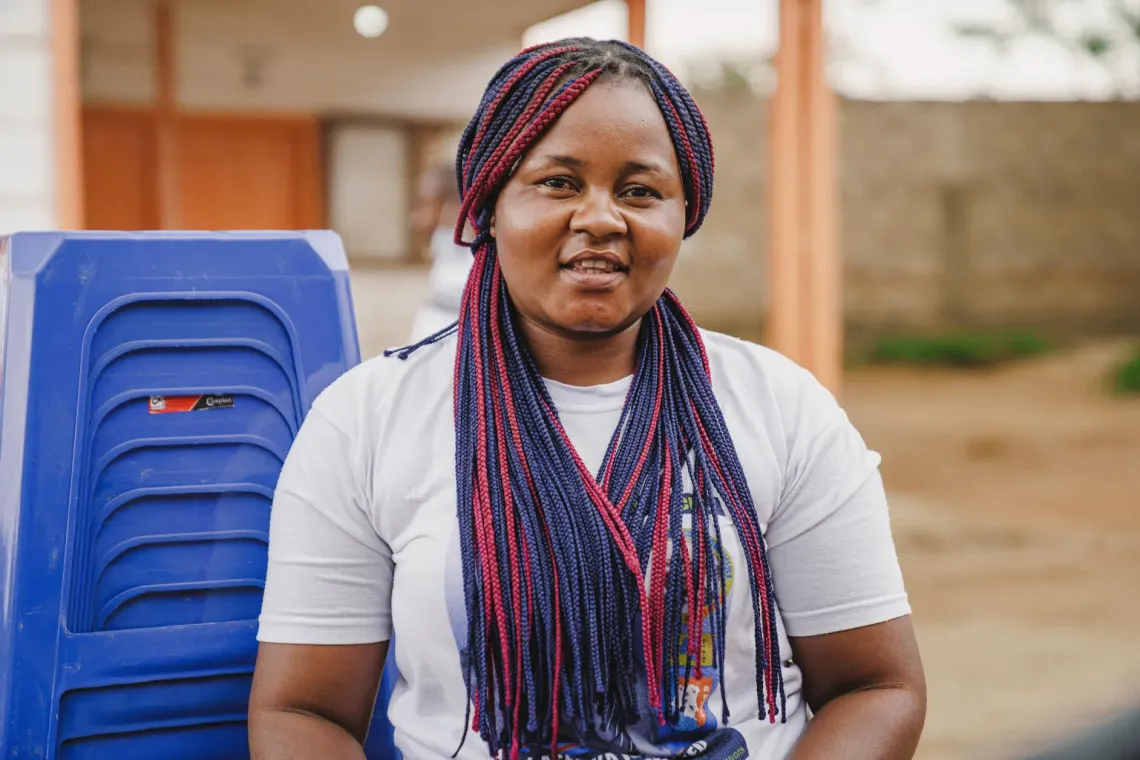
In Beni, North Kivu, Masika Suhya manages rental chairs used to fund community awareness work. “The money we earn helps us continue communication activities,” she explains.
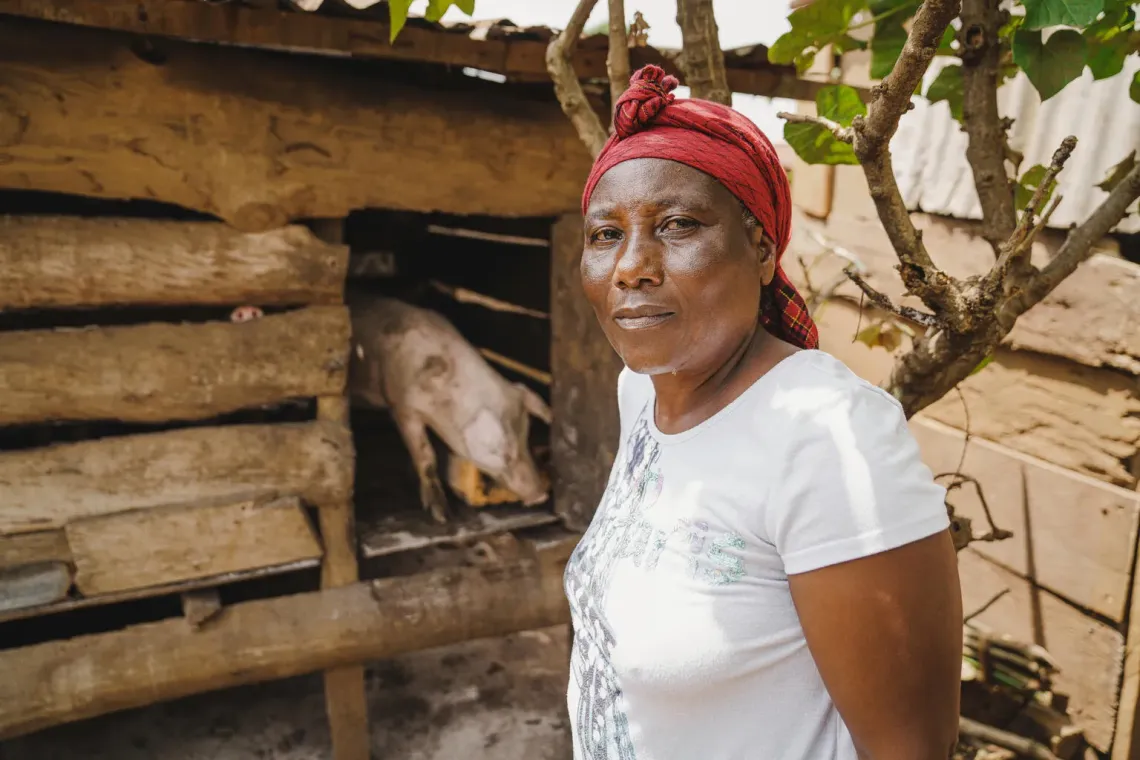
Nearby, outreach worker Masika Degonde combines outreach activities with managing a pig farm that supports her group’s work. “We raise pigs and sell them. The income allows us to keep our work going,” she says.
From village leaders like Joseph, to youth volunteers monitoring digital conversations, to survivors breaking stigma and outreach groups sustaining awareness, the mpox response in the Democratic Republic of the Congo rests on a vast but often unseen network.
The situation is improving, but mpox has not disappeared. As the response continues, the community voices remain central to mainting dialogue around mpox prevention measures, reducing misinformation and supporting access to care.
* Names have been changed to protect the privacy of mpox survivors.
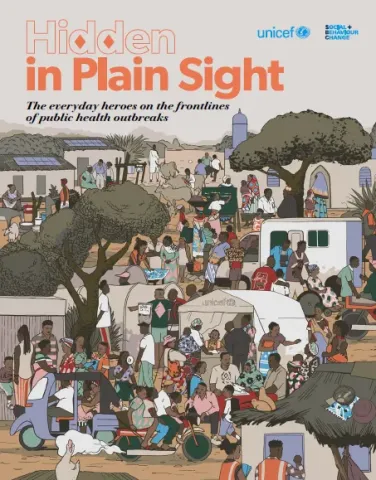
Change Magazine: Hidden in Plain Sight
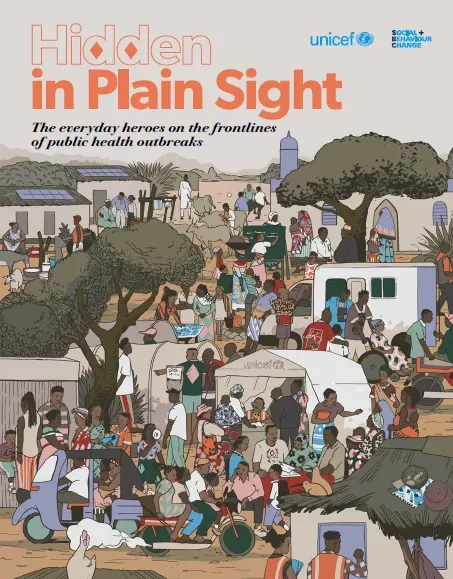
These stories were originally published in Change Magazine: Hidden in Plain Sight, a magazine produced by UNICEF and Common Thread.
This edition focuses on public health emergencies and the lessons learned from the mpox response.
While decisions are often made at national and global levels, the response unfolds within communities. It is shaped by people who, day after day, answer questions, support families and help turn information into understanding.
This magazine is dedicated to them, and to all those whose work, often unseen, helps sustain the response where it matters most.