Rebuilding shattered lives with hoes… and trust
Thanks to funding from the Central Emergency Response Fund (CERF), UNICEF CAR is coordinating a community accountability mechanism so that the voices of people affected by conflict in the southeast of CAR are heard.
- English
- Français
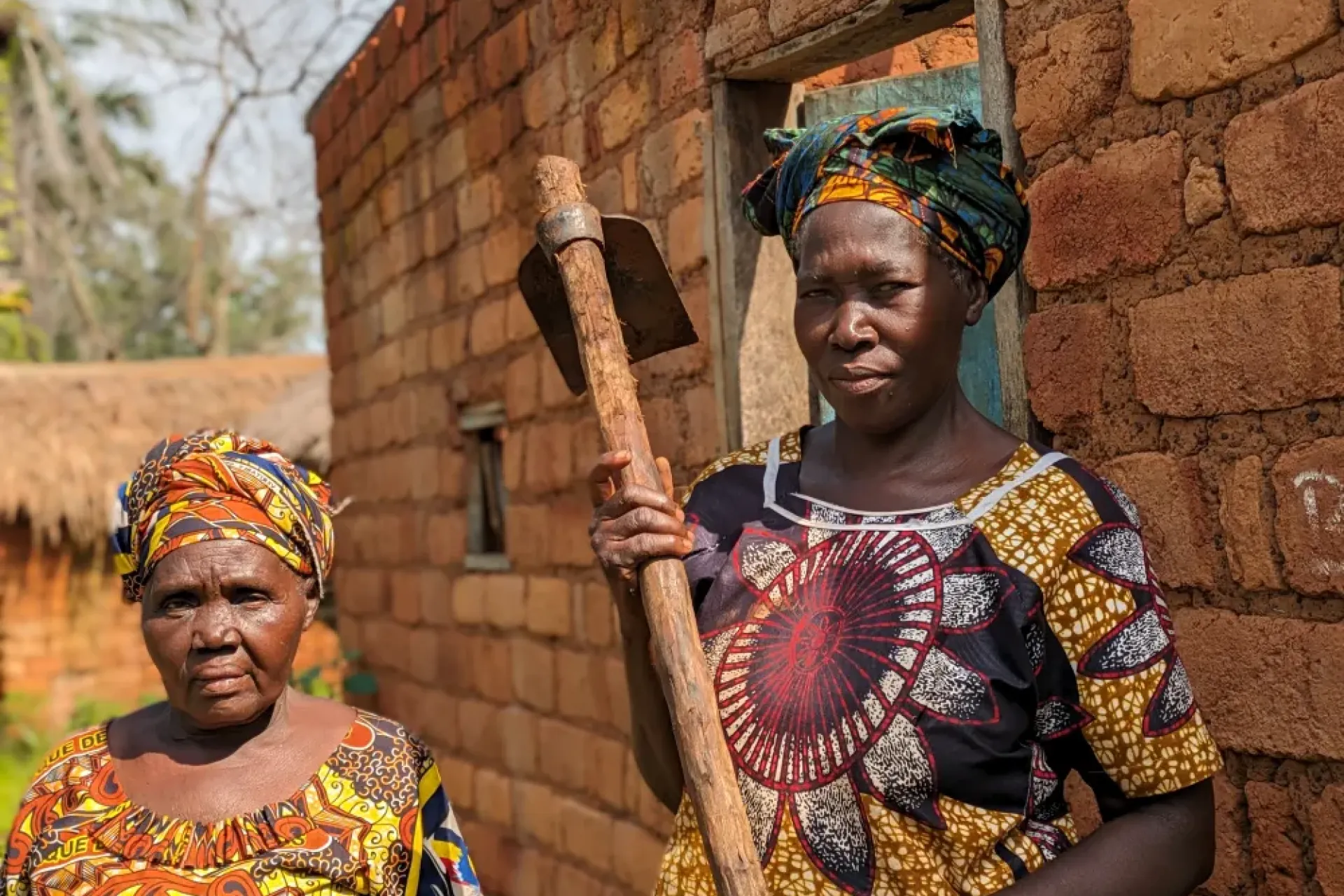
Antoinette Adiambi, 48, a mother of five, moves cautiously behind her home in Koumbouli village.
A few minutes later, she returns carrying a hoe, which she proudly displays. For the past three months, generous rains have nourished her gardens, where she cultivates maize, cassava, and groundnuts—the crops that sustain her five children. Like many households in the village, she depends on agriculture for her family's livelihood.
“Last year, when fighting reached our area, our homes were set ablaze. I fled deep into the bush, where I survived for a month before returning because the conditions were unbearable. Life is still a struggle, but I must support my children, who study in the town of Zemio, and look after my sick husband. This hoe is my most precious possession—it is the tool that helps me work the land and provide food for my family.”
Antoinette’s courtyard consists of four houses, all of which were burned down during the violence a year ago. In many ways, she considers herself fortunate: after returning, she was able to rebuild two of them. Most of her neighbours, however, remain caught in a cycle of displacement, with many crossing the river almost daily to seek safety in Zapai, across the border in the Democratic Republic of the Congo.
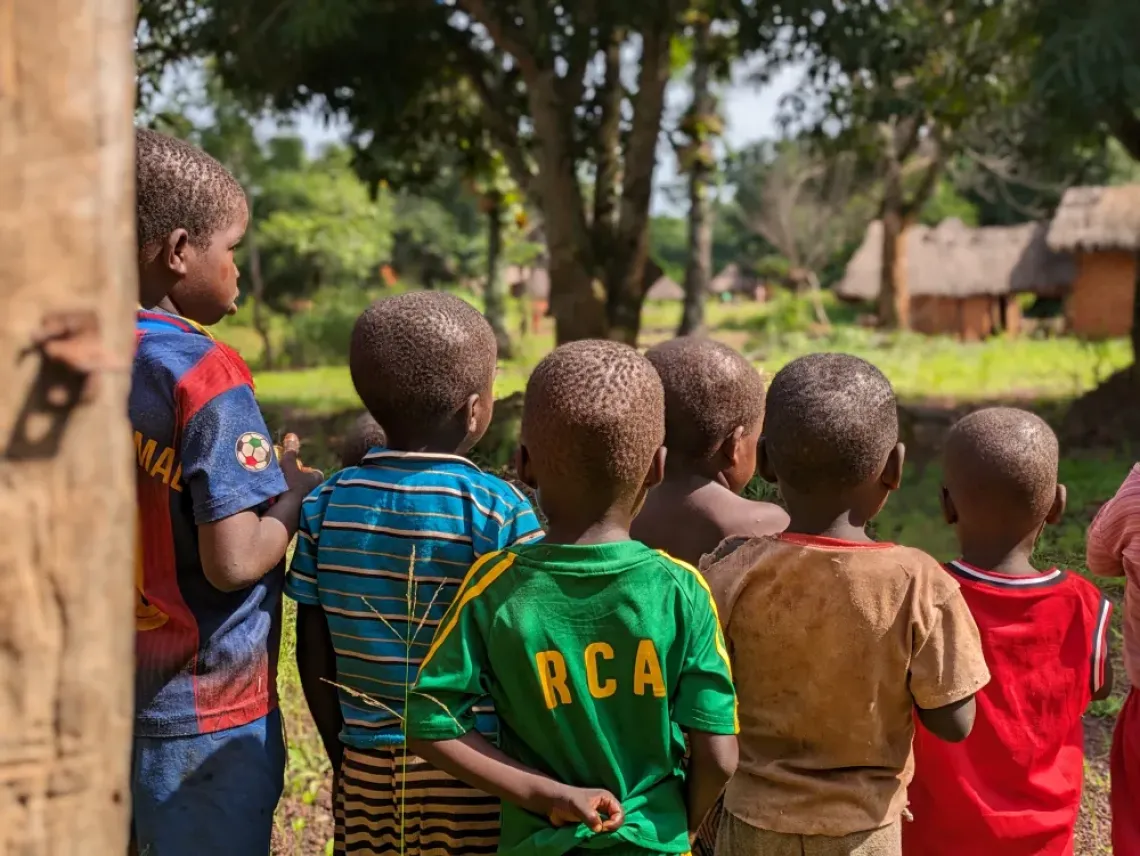
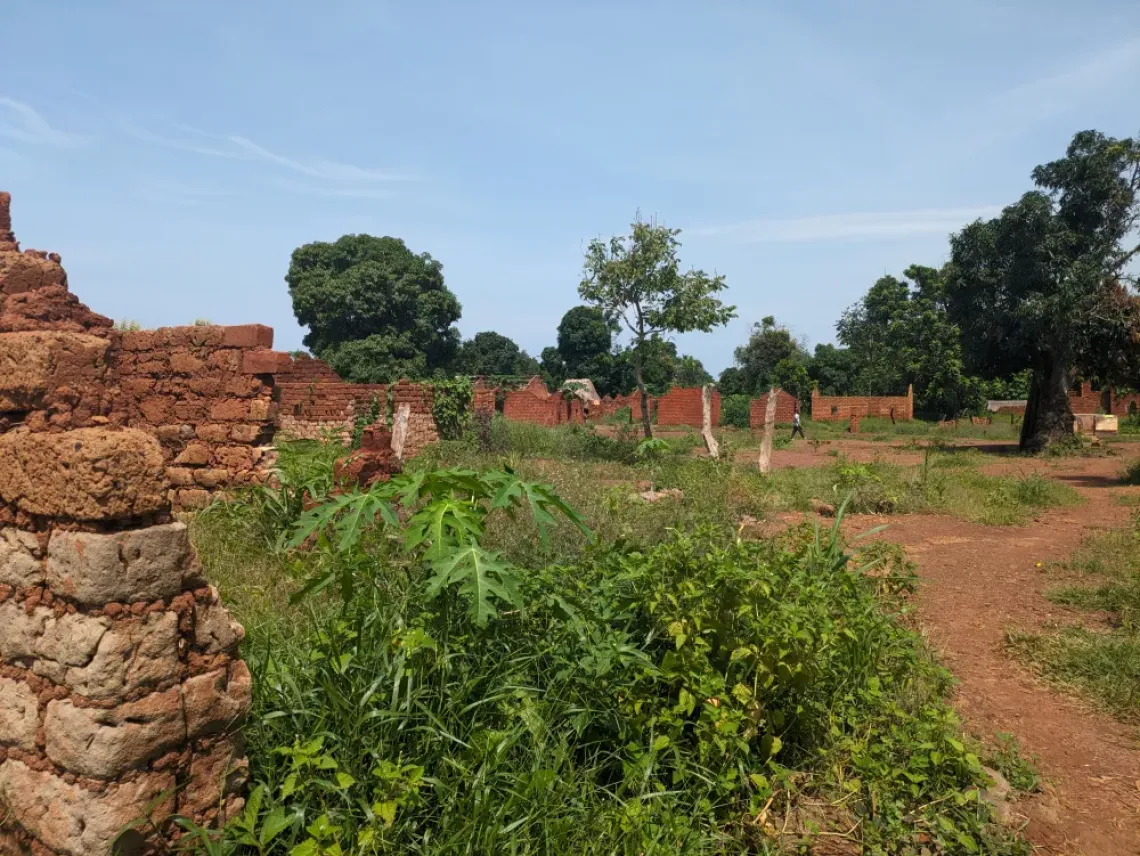
Koumboli, a hamlet close to Zemio, in the prefecture of Haut Mbomou, still bears the scars of conflict. Most homes lie in ruins, slowly being reclaimed by overgrown vegetation, while soldiers roam around the area. The school, which used to host 430 pupils, remains closed, the local market has been destroyed, and the health facility that once served the community stands.
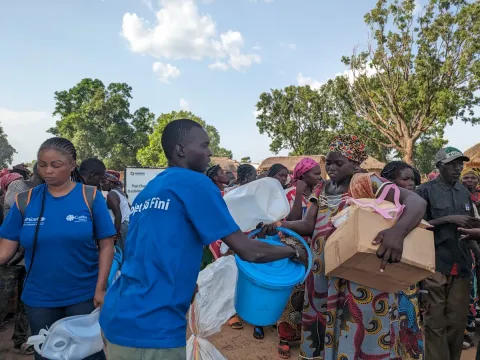
Antoinette recalls that during a brief period of calm, an international NGO visited the village to conduct a needs assessment. Community members were registered and a list of beneficiaries was drawn up for the distribution of food and other essential relief items. But the assistance never materialized as expected and hopes of receiving much-needed support were soon dashed.
“They told us we would receive tools to help us resume farming. But when the hoes arrived, it quickly became clear that they were small and of very poor quality. People complained that they were too weak to be used in the fields. After everything we had endured, you can imagine how frustrated everyone felt. The community became very angry, and the humanitarian workers seemed unsure of how to respond.
Zamzam Zakaria, 27 years, a member of the U-Reporter youth team living in Zemio, explains how they managed to sort things out in about six weeks.
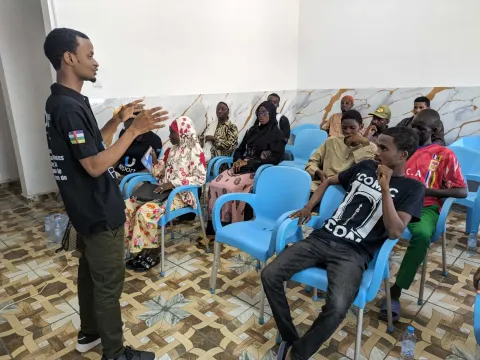
“We sat down with the people of Koumboli, listened to them and went to speak to the people responsible of the NGO. After listening to our suggestions, they decided to change their plan and give 80,000CFA (about 120 euro) to each household. People accepted, since with that money they could buy good quality hoes, available in shops in Zemio for 4,000CFA. They were happy because they could use the rest of the money to buy seeds, food and some other utensils they badly needed.”
“The fact that we are part of the community and speak their local (Zande) language makes people trust us, and NGO who come from outside know that they can also rely on us.”
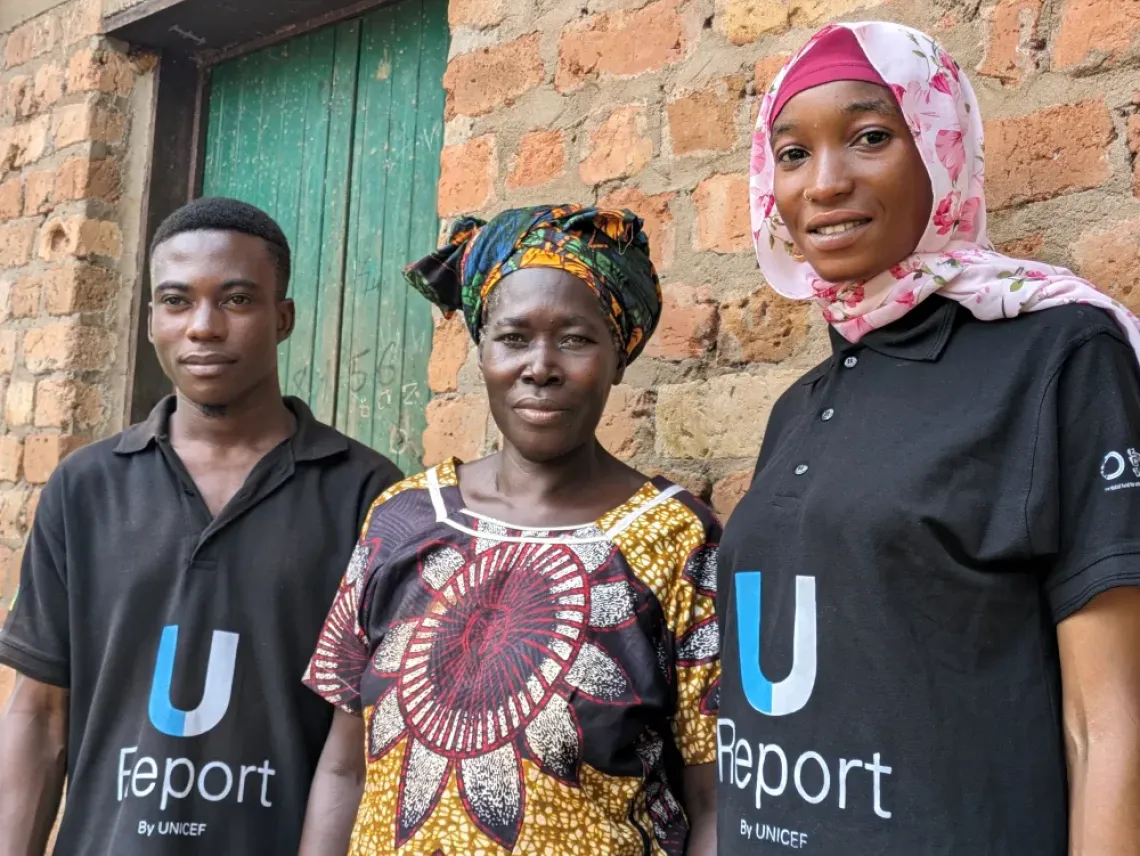
Zamzam is part of the group of U-Reporters, a youth group partner with UNICEF. Together with national NGO “Cinema Numerique”, they run the Information and Feedback and Collective Mechanism, a programme that received complaints from beneficiaries of humanitarian aid and forwards them to the decision-makers to find solutions every time that aid projects don’t work to everyone’s satisfaction. It is funded through UNICEF by the Central Emergency Response Fund (CERF), a global humanitarian fund established by the United Nations to ensure that urgently needed assistance reaches people caught up in crises, disasters and armed conflicts.
In the Central African Republic, UNICEF coordinates this programme in Zemio, Obo and Rafai, three towns in the southeast, an area that since 2024 has been hit by a conflict that has displaced tens of thousands.
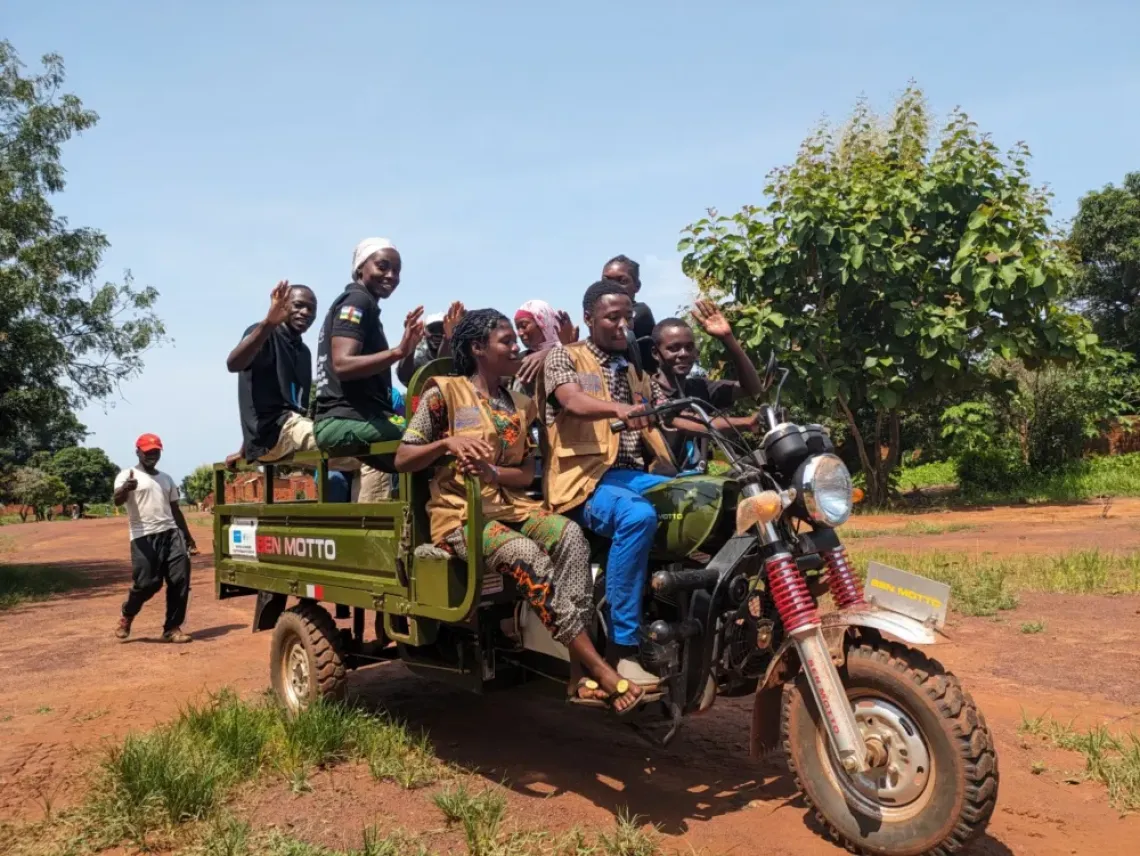
Part of the CERF fund has been used to provide the group with a tricycle that makes it easy for them to move whenever they are needed, although the persistent insecurity, as well as the appalling state of the roads in the area, does not allow them to reach everywhere they would like to go. Despite these constraints, since October 2025 they have been able to resolve 678 cases of complaints. This gives them a feeling of achievement, as Zamzam explains:
“People in our zone are still suffering because of the conflict, but when I see that because of our work they can change their lives for the better and have some of their problems solved, I feel a lot of satisfaction.”
The U-Reporters in Zemio did not start their activities with the CERF project. As is the case in some other towns of CAR, for several years they have been carrying out actions in favour of the community, like supporting girls’ education and conducting health education sessions in some of Zemio’s neighbourhoods.
Abigael, another U-Reporter, shares the same enthusiasm that Zamzam exudes. He recalls some other cases his team has handled.
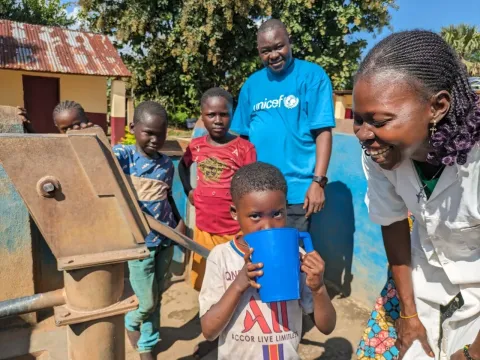
“We have dealt with many different complaints. Sometimes beneficiaries tell us their names were left off distribution lists. At other times, communities report that a newly installed water pump has broken down, or that promises of assistance have raised expectations that cannot realistically be met. Our role is to listen to the people and provide advice to the NGOs. We always emphasize that the most important thing is to identify beneficiaries carefully, so that assistance reaches those who need it most.”