5 things UNICEF has been doing on Menstrual Hygiene Management in Bangladesh
Menstrual health and hygiene interventions can help anyone who menstruates in managing their periods safely and with dignity.
- বাংলা
- English
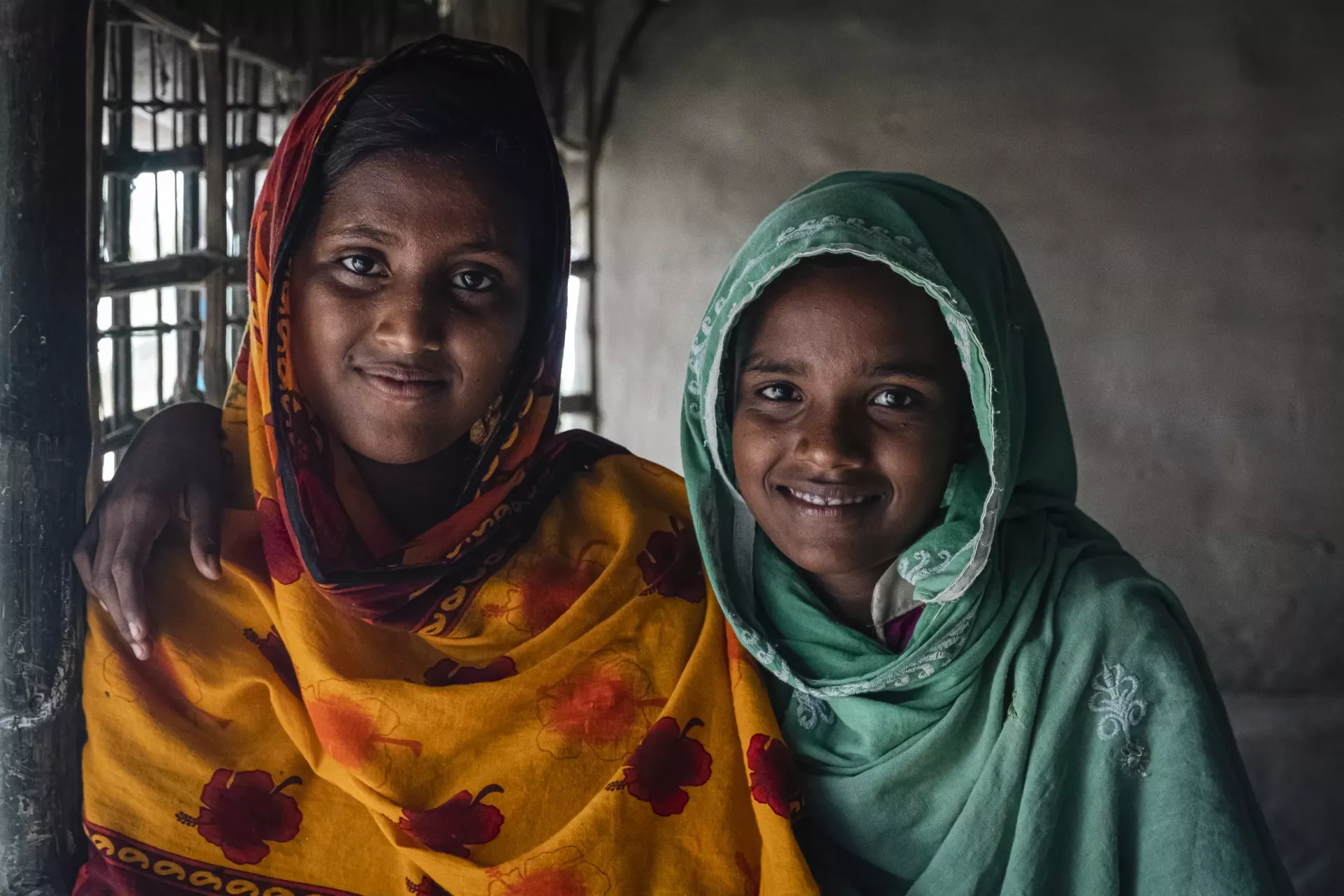
“When I first had my period, I thought I was seriously sick. I panicked because no one had prepared me for it. If parents and schools educate girls early on, they will understand that periods are normal and be better prepared to cope both physically and mentally.”
- Nikita Islam, 26
“No cooking.” “You shouldn’t go to school.” “Don’t dry your clothes outside in the sun.” “Don’t talk to boys about periods.” “Menstrual blood is dangerous.”
Every month, 1.8 billion people across the world menstruate. It is a natural, healthy, and normal part of life. Yet, menstruation remains a taboo in Bangladesh, wrapped in layers of silence, stigma, and misinformation. A 2018 national hygiene survey found nearly half of schoolgirls in the country hadn’t heard about menstruation before getting their first period, leaving them unprepared and confused.
Sadly, Nikita’s story is not unusual. Far too many girls go through puberty without support, unsure how to manage their periods safely. This can lead to serious health issues linked to reproductive and urinary tract infections. And even when girls do know what they need, buying pads can be uncomfortable as most shops are run by men, making a simple task feel awkward and intimidating.
The impact is deep and widespread. It restricts girls’ mobility and personal choices. It also compromises their safety, causing additional stress and anxiety. For girls and women with disabilities, especially in emergencies, these challenges are even more severe and overwhelming.
Menstrual health and hygiene interventions can assist anyone who menstruates in managing their periods safely and with dignity. Additionally, they boost confidence, and improve sexual and reproductive health education, particularly among adolescents.
Here are five initiatives that UNICEF has undertaken with the Government, partners, schools, families and communities to promote menstrual hygiene management in Bangladesh.
1. Integration of menstrual hygiene management in emergencies
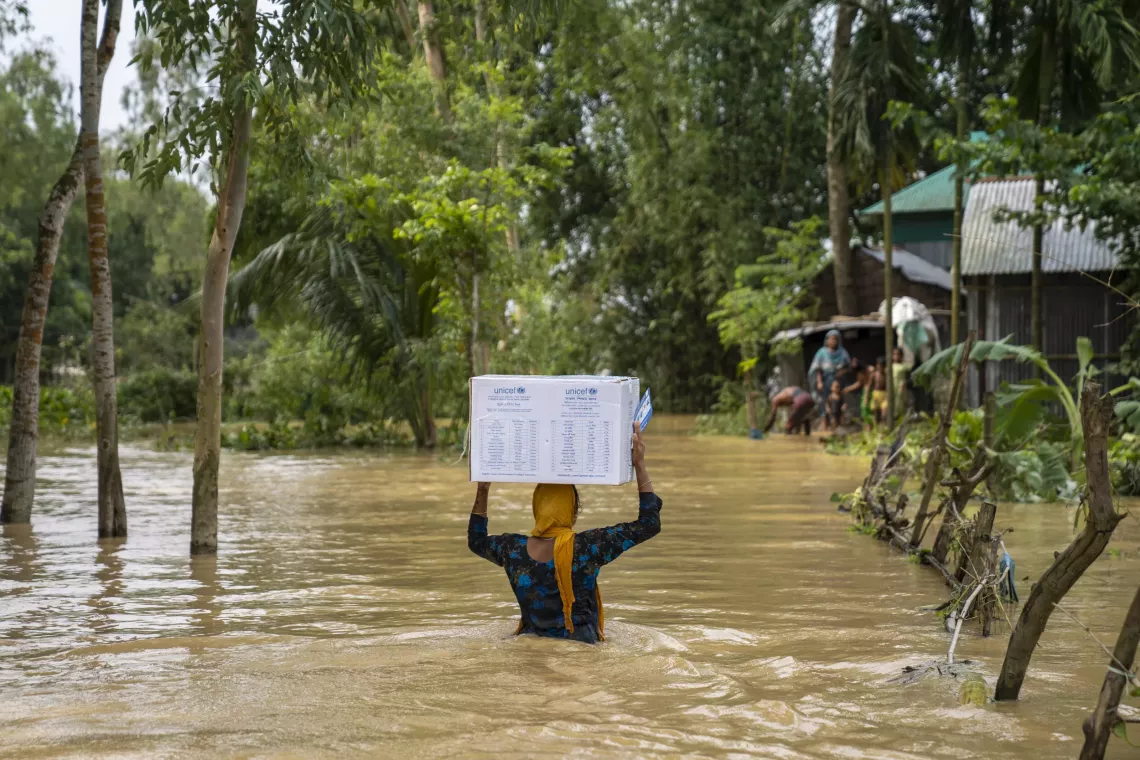
Imagine you are a 14-year-old girl, and your period has just started. Then, a flash flood hits your village. You narrowly escape and end up in a crowded shelter, alone, not knowing if your family survived. There are no toilets, no clean water or soap, no sanitary pads, no privacy, and no one to turn to.
In times of crisis, whether caused by natural disasters like floods or landslides, or by conflict, periods do not stop, but privacy and hygiene do. It becomes nearly impossible for girls and women in spaces like overcrowded refugee camps and temporary shelters to maintain hygiene and privacy. With shared latrines, limited or no running water, and no sanitary supplies, girls often resort to unsafe alternatives like dirty rags, putting themselves at serious risk of infection.
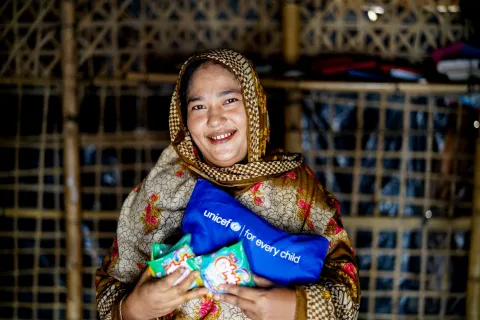
During emergencies, UNICEF distributes dignity kits specially tailored for women and girls with essentials like sanitary pads, soaps, underwear, a flashlight and a whistle for personal safety at night. In communities affected by natural disasters or protracted displacement, UNICEF conducts orientation sessions on menstrual hygiene, helping women and girls manage menstruation safely, even in challenging conditions.
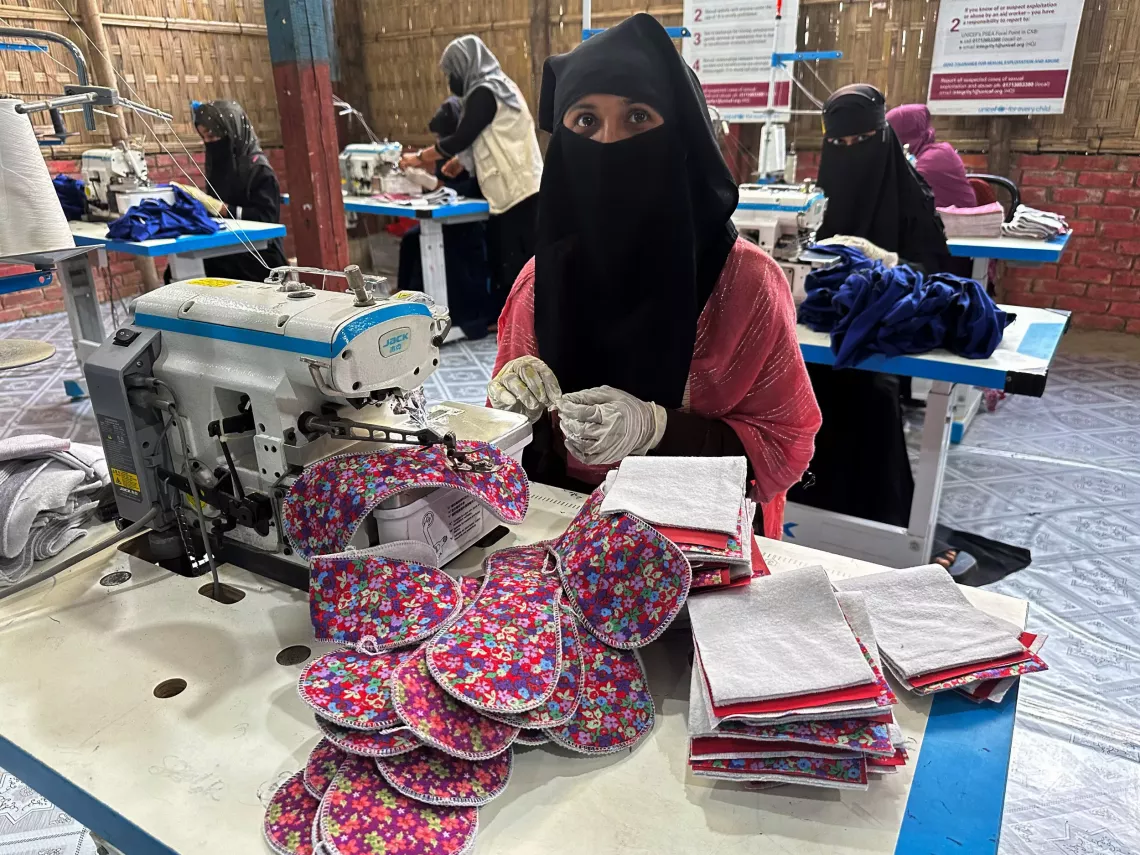
In Cox’s Bazaar, one of the world’s largest refugee camps, UNICEF helps train girls to produce reusable sanitary pads meeting their critical hygiene needs, building skills, generating income and protecting the environment.
2. Advocacy with the Government and stakeholders
Every year on Menstrual Hygiene Day, UNICEF partners with the Government, civil society, and young people to break the silence on menstrual health and hygiene management. These advocacy efforts help raise awareness, challenge taboos, and mobilize support to end period stigma and keep girls in school.
In 2021, UNICEF worked with the Government of Bangladesh to develop the National Menstrual Hygiene Management Strategy and is now working to turn the plan into action. The strategy focuses on integrating menstrual hygiene management to school lessons for girls and boys, making menstrual hygiene products accessible and affordable to all, and bringing together communities, government, private sectors to make it happen.
3. Menstrual hygiene education & management
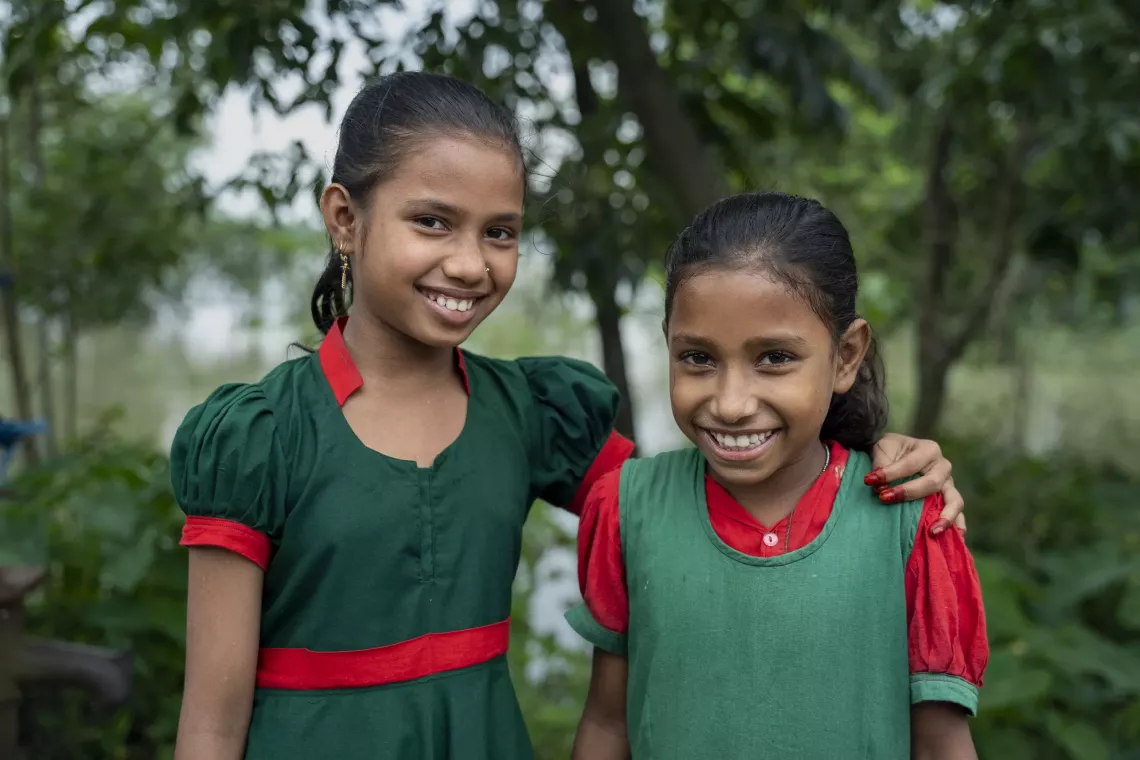
No one should miss school because of their periods. Yet in Bangladesh, around 30 per cent of girls miss 2.5 days of school each month due to menstruation, held back by stigma and the lack of safe or hygienic spaces. This can rob girls of their chance to learn, grow, and thrive.
UNICEF is working to change that. Studies show that when schools invest in gender-sensitive water, sanitation and hygiene (WASH) facilities, it can reduce girls’ school absences by 15% and reduce waterborne diseases among children by nearly a quarter.
UNICEF is working hand-in-hand with the Government to build hygiene corners and model inclusive toilets in schools and healthcare facilities ensuring everyone who menstruates, including persons with disabilities, can manage their periods safely and with dignity. The model toilets include safe disposal systems for menstrual hygiene products.
With support from the Republic of Korea, UNICEF has also installed sanitary pad vending machines at multiple healthcare facilities across Bangladesh ensuring 24/7 access to sanitary napkins for patients, caregivers, and staff.
However, much work needs to be done as harmful practices and social norms and silence around menstruation continues to hold girls back. That is why the inclusion of menstrual hygiene management in the national school curriculum is vital, as it teaches girls and boys that periods are natural, manageable, and nothing to be ashamed of. It is equally important to ensure that these topics are actively discussed in classrooms, not just included in textbooks.
"When I was younger, I didn’t know cramps were a part of getting your periods. No one told me. If I knew, maybe I would have been a lot more empathetic towards women and girls."
- Shawkat Osman Shishir, 25
4. Online conversations with and for young people
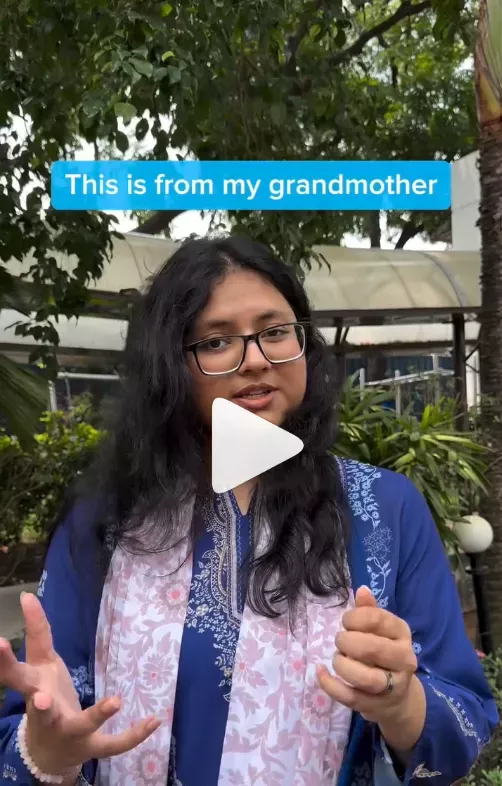
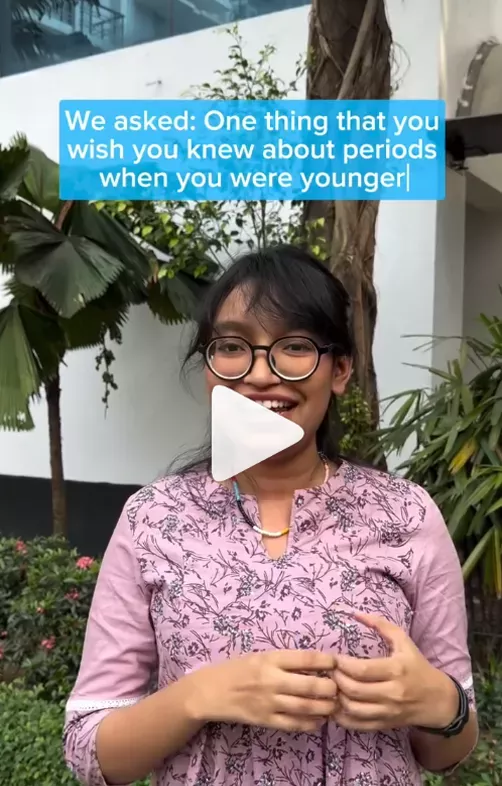
UNICEF has been harnessing the power of the internet to create period-friendly spaces where young people, especially girls, can share their stories, ask questions, and access reliable information on periods without fear or shame.
Online conversations are powerful because they reach people where they are – on their phones, in their language, and on platforms they trust. In a country like Bangladesh, where periods are still taboo, digital spaces can also be less intimidating compared to face-to-face discussions as they offer anonymity, promote peer-to-peer learning, and normalise the conversation at scale.
With the expansion of internet access across rural and urban settings, these online conversations are helping create a more informed, empathetic generation of girls and boys. One who knows menstruation is natural and not a secret to hide.
5. Resources
- Schoolgirls in Bangladesh learn that periods are nothing to be ashamed of
- How to support your daughter with her first period
- 10 fast facts: Menstrual Health in Schools
- A step-by-step guide for teachers to teach girls in your class about menstruation
- 7 alarming myths about periods we have to end now
- More resources on menstrual hygiene