You’ve got a friend in me
Getting to know best friends Abrar and Riyad beyond their conflict with the law
- বাংলা
- English
“You are tired after running around? Superman doesn’t get tired,” someone jokes.
“Superman doesn’t get tired because he can fly,” says Abrar.
Abrar* and Riyad* are 12.
They are best friends. They are inseparable. They basically do everything together.
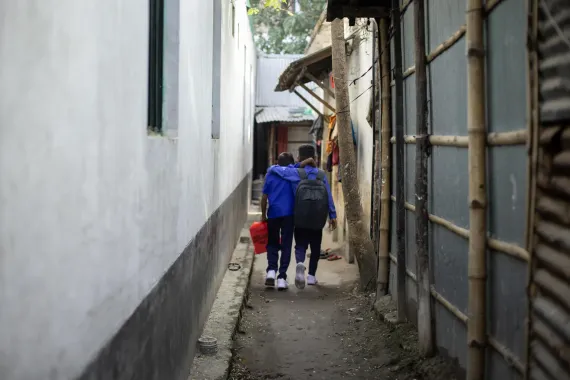
Going to school? Riyad picks up Abrar from his home, and they leave together.
Abrar is reciting his favourite poem, Amar Pon? Riyad will be on the side, listening.
Riyad wants to play a round of arm-wrestling? Abrar will be ready with one hand behind the back.
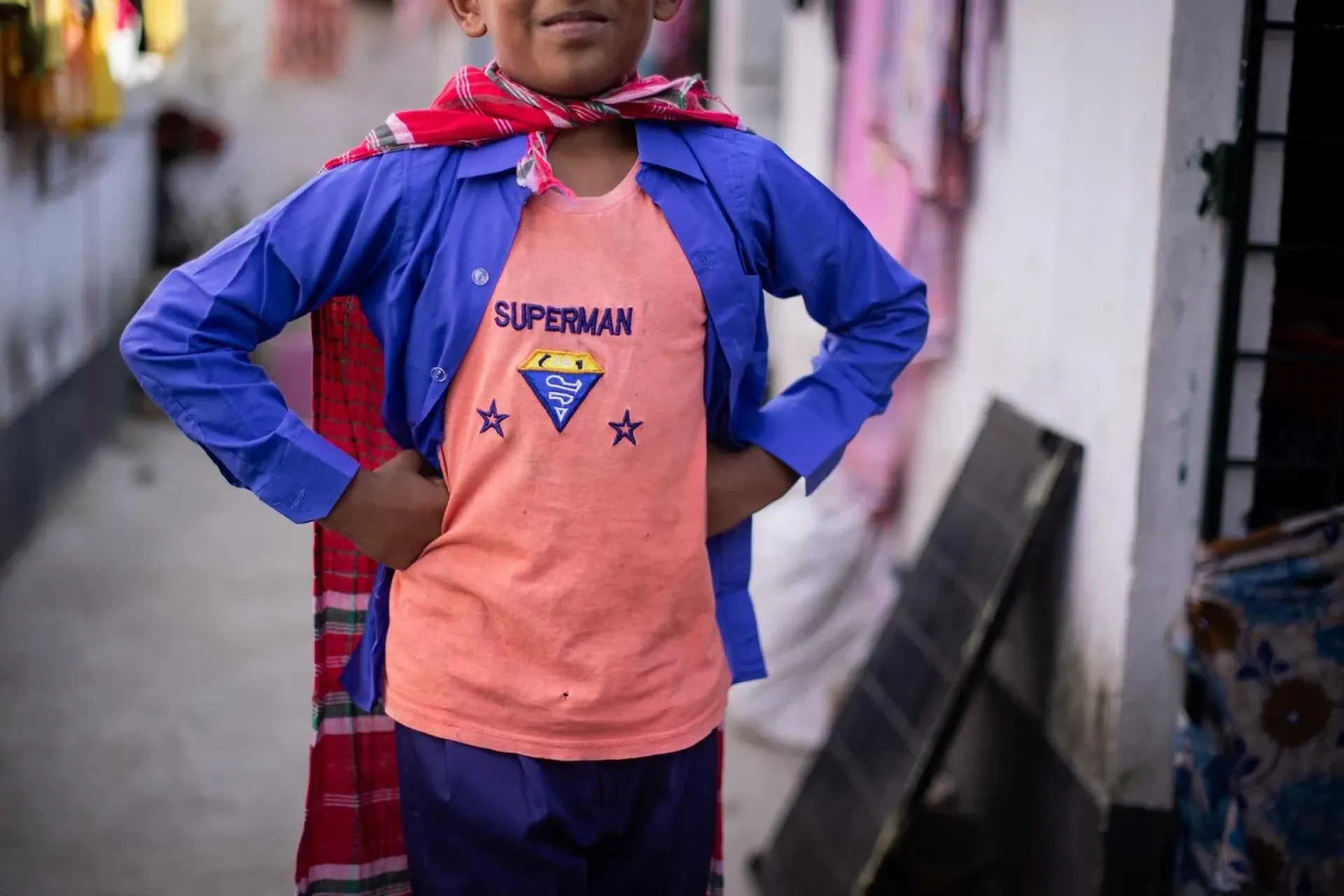
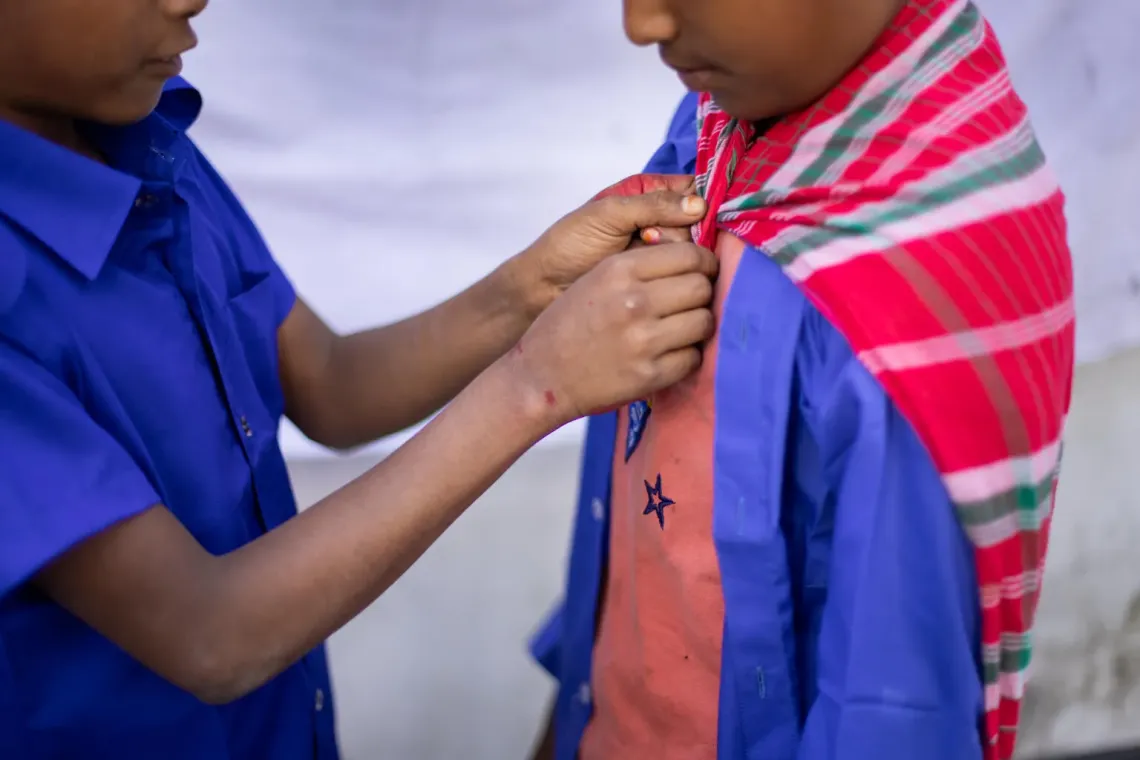
And when Abrar strikes the Superman pose, Riyad will be there, tying a gamcha cape for him.
Amar Pon is a part of Bangladesh’s Grade 3 curriculum. Abrar studies in grade 3, while Riyad is in Grade 1. Riyad has heard the poem so many times that he can now recite parts of it himself.
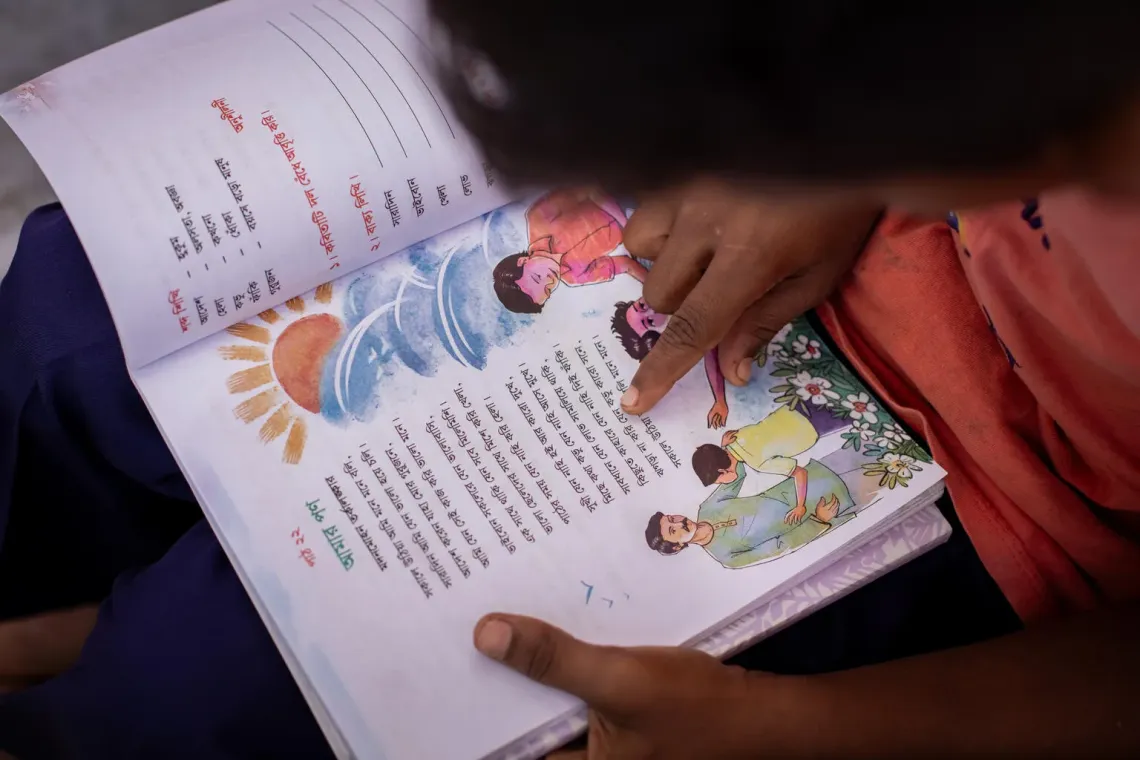
The poem is about a child’s promise to be kind, honest, disciplined and respectful. The poet promises to honour the wisdom of elders, cherish loving relationships, study well, and live in harmony with others.
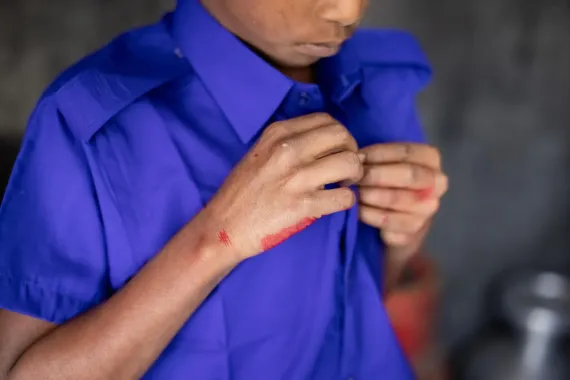
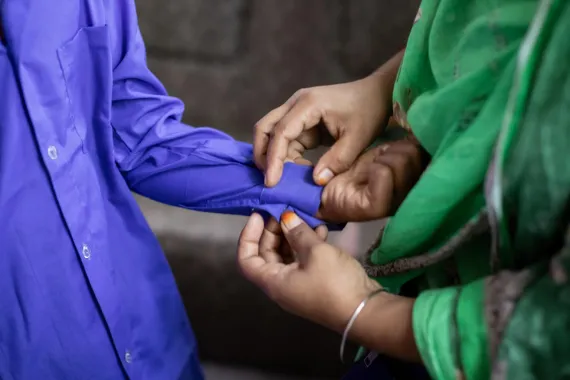
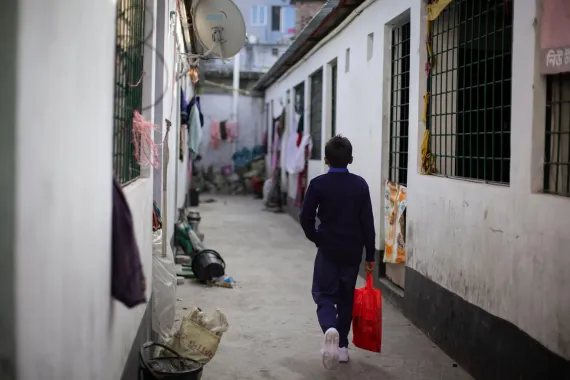
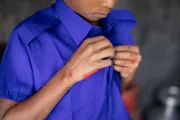
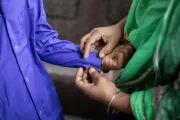
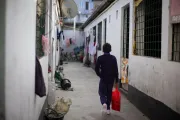
In March 2025, Abrar and Riyad’s lives took a different turn.
The local police station informed the Probation Officer that two children had been detained for petty theft. Child protection workers were immediately sent to the station.
“When we arrived at the station, they were very scared,” says Abdul Hasanat, a Social Worker under the Ministry of Social Welfare. “The first thing I did was reassure them that they were safe. I informed them their offence was not serious, and there was no reason to be afraid.”
In Bangladesh, the minimum age of criminal responsibility is 9 years. This means children as young as nine can be brought into the formal justice system. Abrar and Riyad, both just 12, were above this threshold. However, the international standard as set by the Committee on the Rights of the Child is 14 years, recognizing that children should not be criminalised at such a young age and that alternatives to detention should be prioritised.
“We kept reassuring the guardians too,” says Hasanat. “We wanted them to understand that this situation could be handled with care, not fear.”
After discussion with the Officer-in-Charge and the Child Affairs Police Officer, it was agreed that formal legal action would not help the children. Under Section 47 of the Children’s Act 2013, Abrar and Riyad were warned and released into the care of their guardians. Exactly as the law entails.
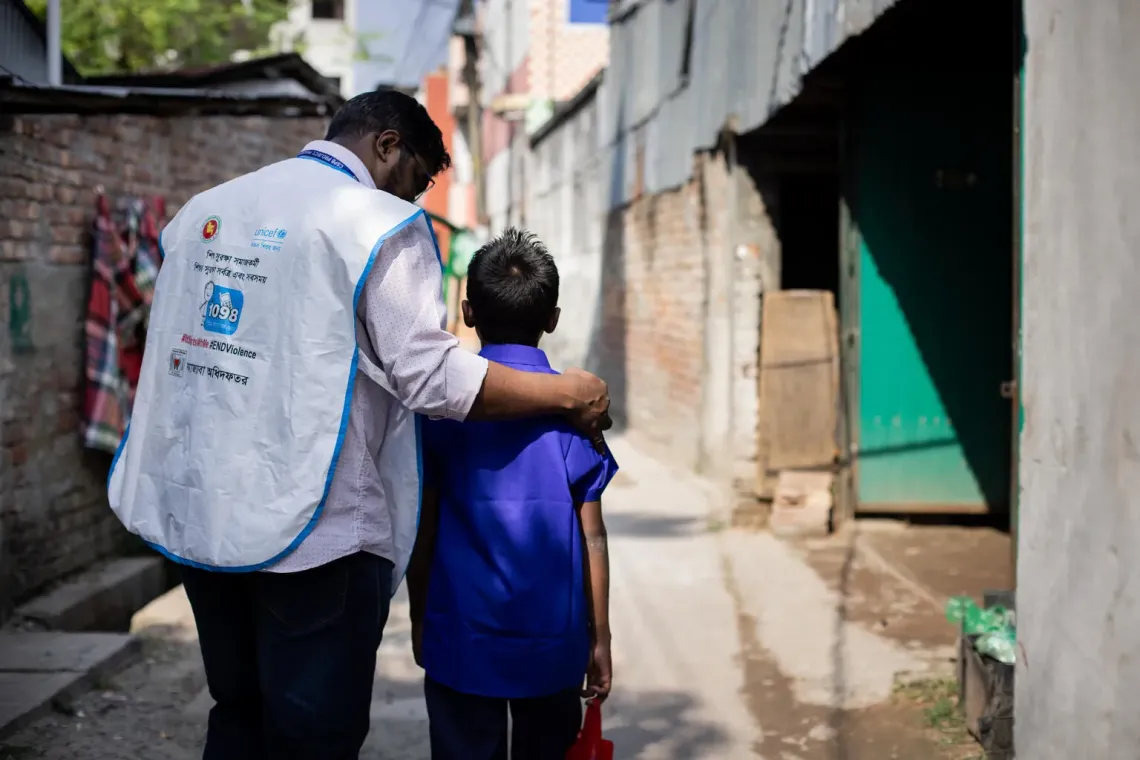
But going home was not easy for Abrar and Riyad. Whispers followed them. Friends were told to keep a distance.
Stigma can be harder for a child to overcome than the incident itself.
“Even if a child wants to change, the environment around them may not allow it. But we keep trying to help communities see them as children again,” says Hasanat.
It is important to note that not every child has a social worker advocating for them at the Police station. Abrar and Riyad were among the few children to get a second chance. With support from the Directorate of Social Services and UNICEF, follow-up visits began. Hasanat met them regularly for psychosocial counselling and family mediation, and some financial assistance helped reduce some pressure on both families.
There are currently 40,000 cases of children in conflict with the law pending trial in Bangladesh, many for petty offences. With only 70 probation officers in the country and a grave shortage of trained social workers, most children who need an advocate at the police station simply do not have one.
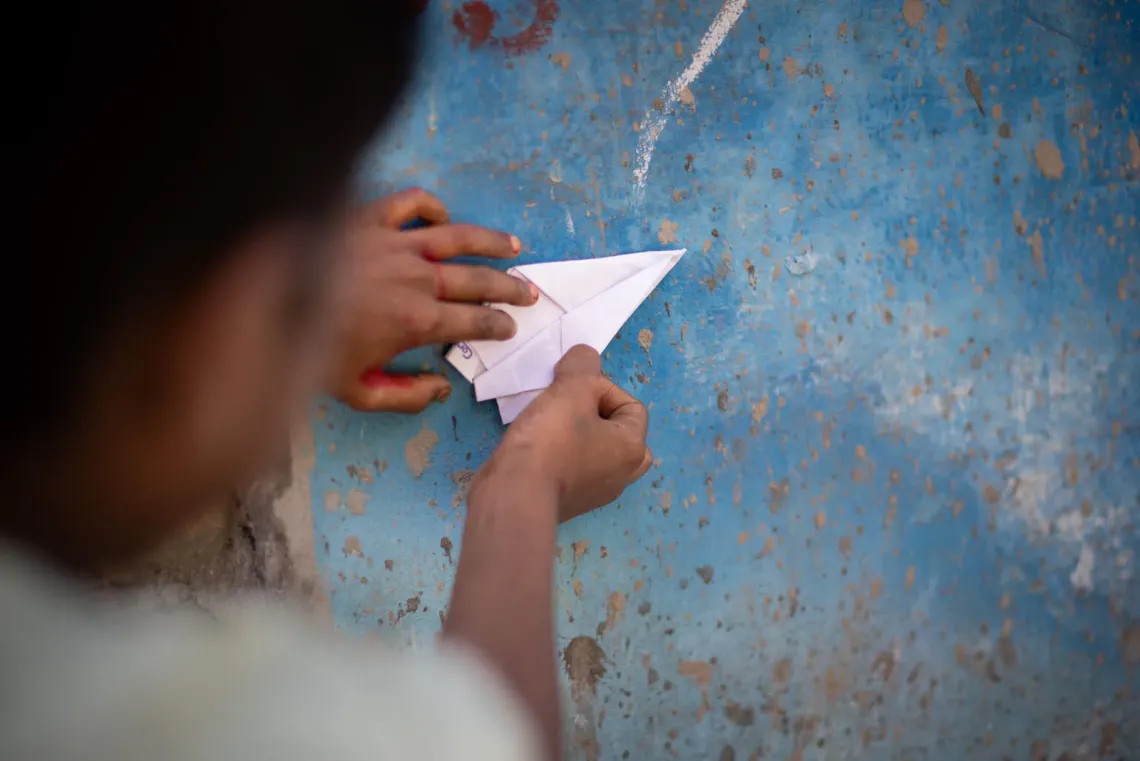
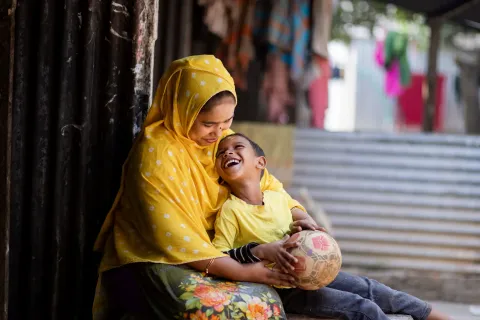
As for Abrar and Riyad, their bond continues to grow stronger. Today, they go to school regularly. They play. They laugh. Some days, they sit together making paper planes. One throws a paper plane farther than the other, and they argue over who won. On other days, the streets transform into a city in need of saving, with the two of them stepping in as fearless superheroes.
Hasanat continues to visit them regularly, offering guidance and psychosocial support when they need it.
For now, this is exactly what they are meant to be doing – playing, imagining, studying, and simply being children.
*Names changed for anonymity