What is HPV? Does my daughter need the vaccine?
Understanding HPV and how the vaccine helps keep girls safe
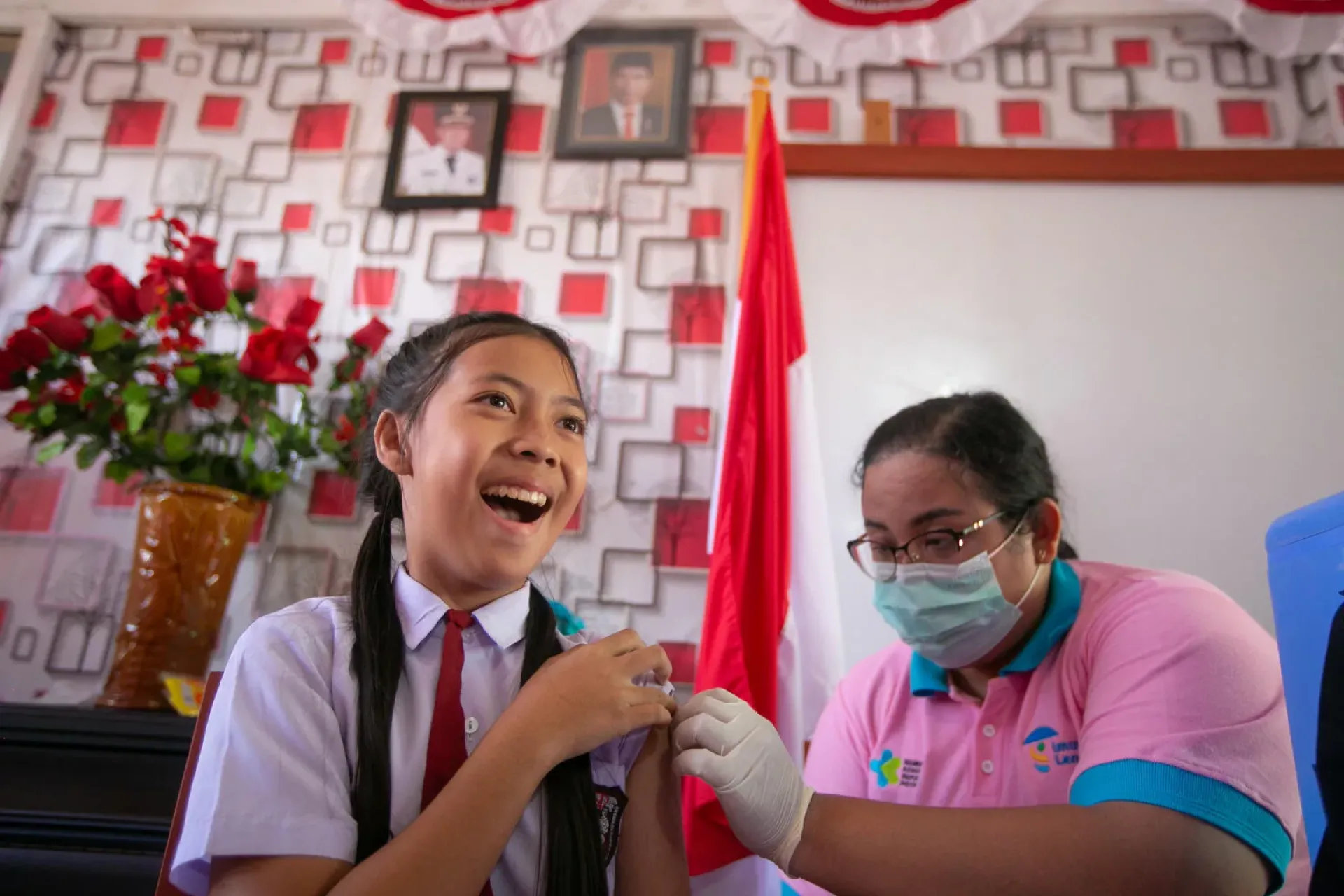
The HPV vaccine is now available in most countries in Asia and the Pacific!
It’s fantastic news for girls and their families 💙
Why?
Because Human papillomavirus (HPV) causes cervical cancer. And tragically, cervical cancer kills a woman every 2 minutes.
But, if girls are vaccinated against HPV before they are exposed to the virus, it can stop them from ever getting this cancer.
If you’re a parent with questions, you’re not alone. We’ve got answers from UNICEF experts below 💉👇
What is HPV?
HPV stands for Human Papillomavirus. It’s a very common virus that spreads easily through skin-to-skin contact, including during sexual activity. It can also be passed from mother to baby during childbirth or through close physical contact.
Most people will get HPV at some point in their lives — often without knowing it, because it usually doesn’t cause any symptoms.
There are over 100 types of HPV. Most go away on their own, but some can cause genital warts or lead to cancers — most commonly cervical cancer (but also cancers of the mouth, throat and genitals).
More than 95% of cervical cancer cases are caused by HPV. And tragically, every two minutes, somewhere in the world, a woman loses her life to cervical cancer.
What is the HPV vaccine?
The HPV vaccine helps protect children from developing cancers related to the human papillomavirus later in life, including cervical cancer and cancers of the throat, anus and genitals.
The vaccine can prevent up to 90% of cervical cancer cases. It protects against nine types of HPV, including the ones most likely to cause cancer and the two types that cause genital warts.
The vaccine works best when children are young and have not yet been exposed to the virus. Vaccinating your child early is a safe and powerful way to protect them from HPV-related cancers later in life.
The HPV vaccine has been around for nearly twenty years and millions of children have received it in that time. However, access hasn’t always been fair, and girls in many low- and middle-income countries have often missed out. The good news is that more countries are now offering the vaccine, so many more children can be protected.
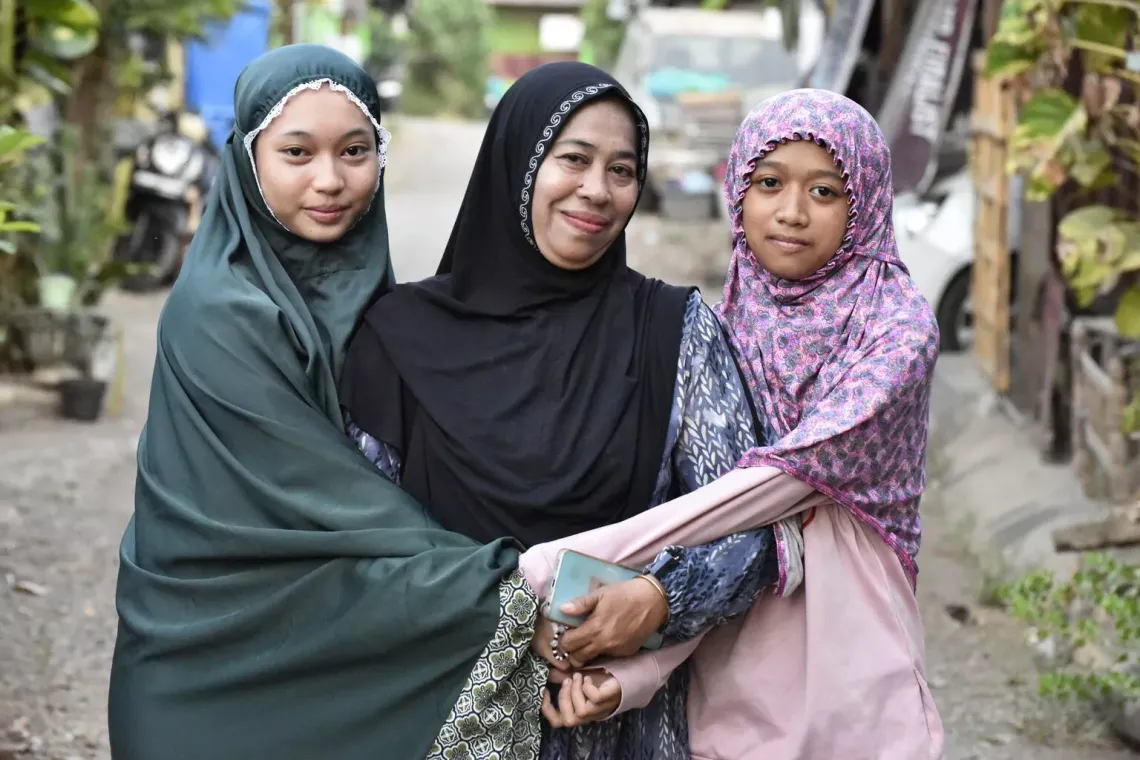
"I took my daughters, nieces and friend’s daughter to be vaccinated. I’m protecting them from what I went through."
What age should girls have the HPV vaccine?
Research says that getting the HPV vaccine between 9 and 14 years old is best. This is because it helps children’s bodies build up protection against the virus before they even come into contact with it.
Different countries may have different vaccination schedules, but the World Health Organization recommends that girls between 9 and 14 get the vaccine first — ideally before they are exposed to the virus, when the risk of getting HPV increases.
Getting vaccinated early offers the strongest protection. But if your daughter is older than 14, she can still benefit from the vaccine. In many countries, however, girls over 14 may need to get the vaccine through private clinics rather than through government programmes.
How is the HPV vaccine given?
The HPV vaccine is given as an injection into the upper arm or thigh. Some countries give this vaccine in two doses and other countries give it in one dose.
Should my daughter get the HPV vaccine?
Yes! Everyone who is offered the HPV vaccine is strongly encouraged to get it.
In most countries, the vaccine is recommended for girls aged 9 to 14, and in some countries it's also offered to boys.
If you’re unsure whether your daughter is eligible, check your country’s immunization schedule or ask your doctor or local health clinic.
Why does my daughter need to be vaccinated so young?
Girls build the strongest protection when they get the HPV vaccine at a young age. The vaccine works best before there is any chance of coming into contact with the virus, which is why it’s recommended between ages 9 and 14. Vaccinating early gives your daughter safer and longer-lasting protection.
How can my daughter get the vaccine?
If you’d like to get your daughter vaccinated, speak to a local health worker.
Where she gets vaccinated depends on where you live. It’s most likely she’ll get the vaccine from a nurse at a government health facility, but sometimes she can get it at school.
You, or another parent of caregiver, will need to give permission for her to be vaccinated by filling out a simple form.
How much does the HPV vaccine cost?
If your child is vaccinated through a government programme, the HPV vaccine is free.
Is the HPV vaccine halal?
Yes. The vaccine is manufactured in accordance with religious law. It has been certified as being halal by religious leaders.
Do boys need to get the HPV vaccine too?
The HPV vaccine isn’t just for girls — boys benefit too. It protects them from cancers in the throat, genitals, and anus, and stops the spread of HPV to their future partners.
Some countries now offer the vaccine to both boys and girls, though the main priority is still girls, since they’re at highest risk of cervical cancer.
Is the HPV vaccine safe? Will it affect my daughter’s ability to get pregnant?
The HPV vaccine is completely safe and it does not affect fertility. Millions of children around the world have received it, with no impact on their ability to have children later in life.
In fact, by preventing cervical cancer and the serious treatments that come with it, the HPV vaccine can actually help protect your daughter’s ability to have children.
If you have concerns, speak to a local health worker.
Does the HPV vaccine lead to earlier sexual activity?
No. Studies have shown that getting the HPV vaccine does not cause earlier or riskier sexual behaviour. The vaccine simply protects your child’s health long before they’re ever exposed to the virus.
Does the HPV vaccine have any side effects?
Like most vaccines, the HPV shot can cause mild side effects such as pain or redness at the injection site, or a slight fever. These usually go away within a few days. Serious side effects are rare, and trained healthcare staff are always prepared to help.
I’m not sure if my daughter already got the HPV vaccine. What should I do?
If you’re not sure whether your daughter has had the HPV vaccine, don’t worry. It’s safe for her to get another dose, and this ensures she’s fully protected.
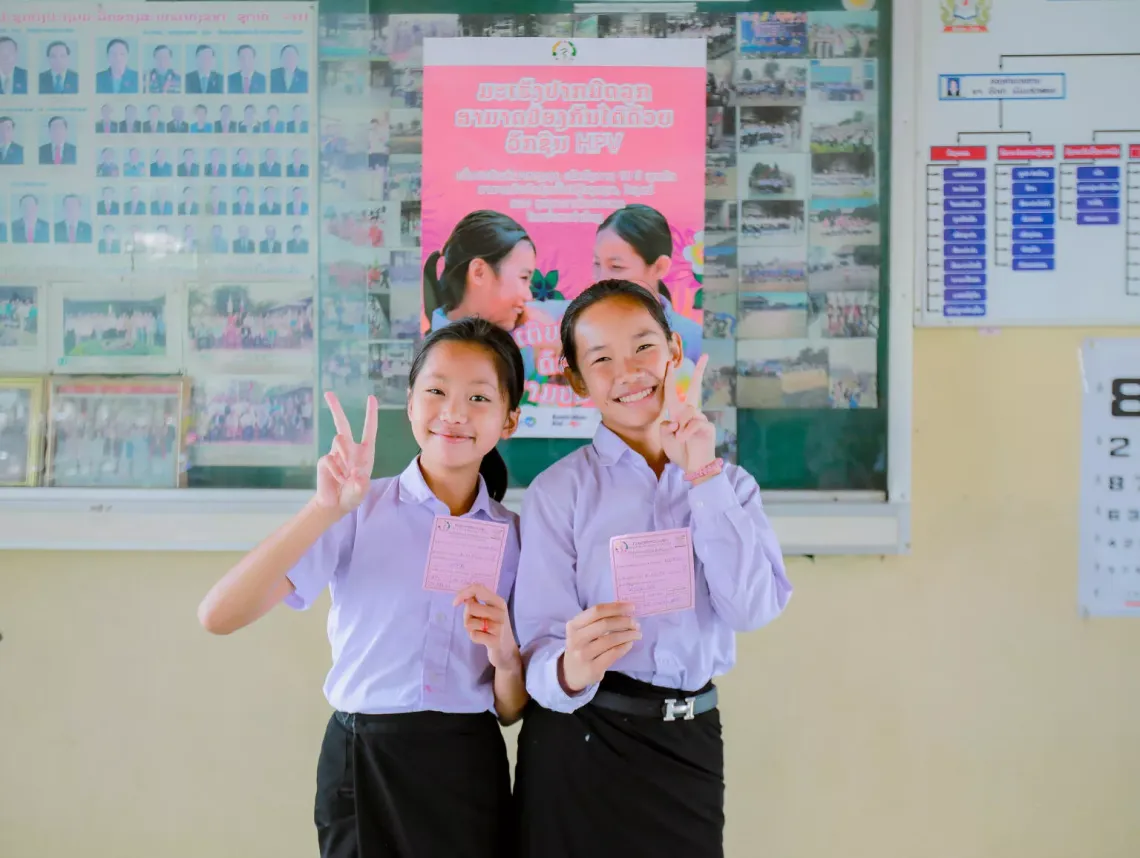
You’ll be given a vaccination card to help you keep track of her doses in the future.
Who shouldn't get the HPV vaccine?
There are only a few exceptions. People who’ve had a serious allergic reaction to a previous dose or to an ingredient in the vaccine — like yeast — shouldn’t get it.
It’s also not recommended for pregnant women as a precaution, even though no harm has been shown. If you're unsure, your healthcare provider can guide you.
My daughter is nervous about getting vaccinated. How can I reassure her?
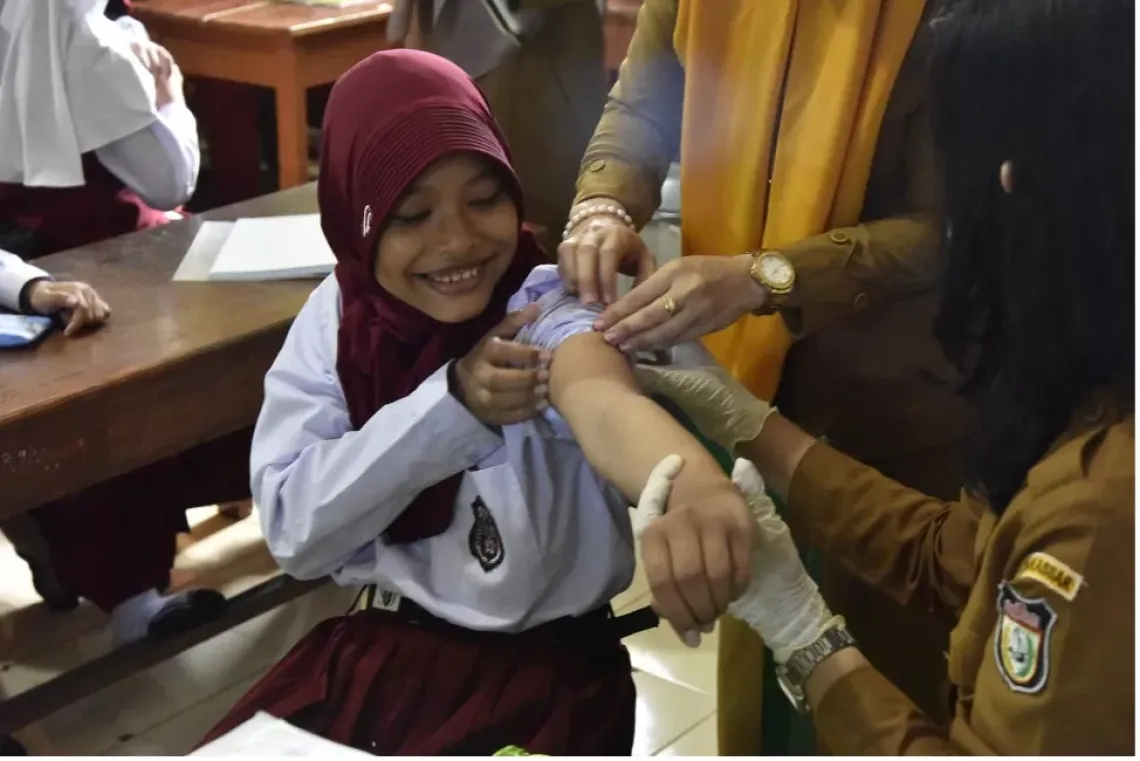
It’s completely normal to feel nervous before a vaccination — many young people do. You can reassure your daughter that the discomfort is quick and temporary, but the protection it gives against serious illnesses like cervical cancer lasts a lifetime.
Let her know that the nurses giving the vaccine are experienced and kind — they vaccinate thousands of young people every year and are there to help her feel safe and calm.
You can also prepare her by:
- Explaining why the vaccine is important and how it protects her in the future.
- Encouraging her to relax her arm and look away during the injection.
- Letting her know she might feel a bit sore or tired afterward, which is normal and goes away quickly.
A little nervousness is okay — but with your support, she’ll feel more confident and proud to take this step for her health.
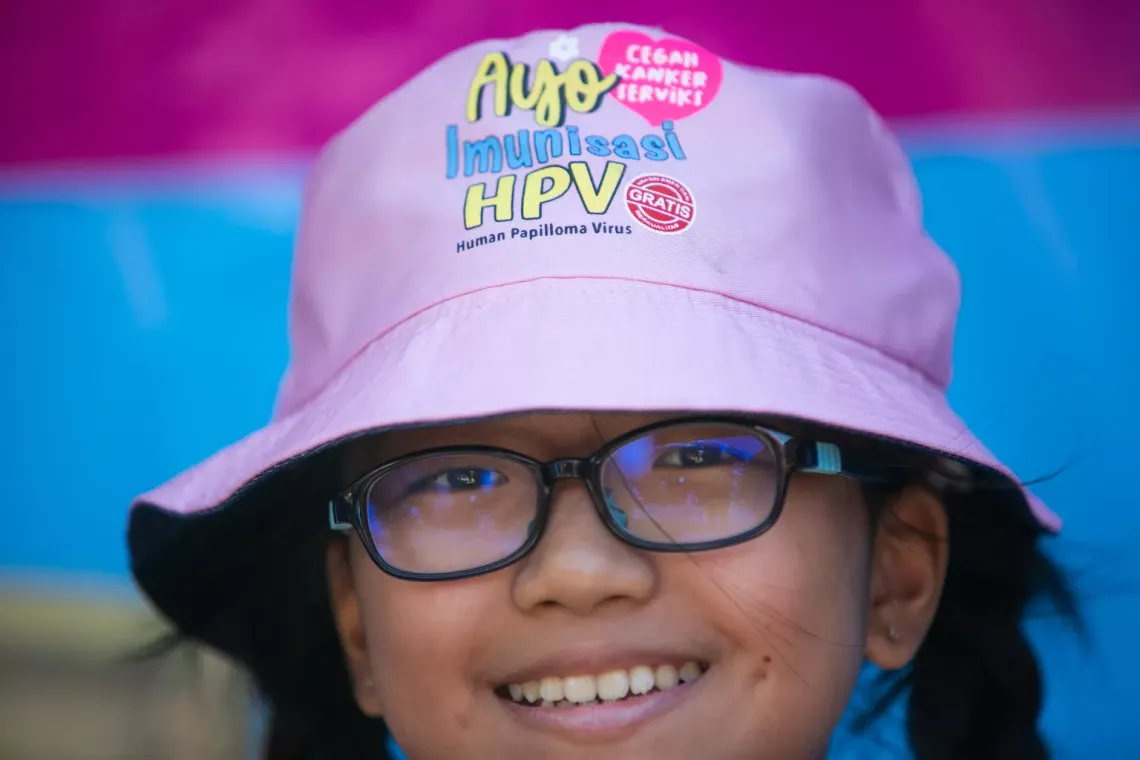
"At first, I was a little scared because I didn’t know what to expect. But after the vaccine, I realized it wasn’t so bad. I’m glad I got it."
—Azila Kinara Putri, 5th grade student, Indonesia
Is the vaccine safe for people with other health conditions?
Yes, the HPV vaccine is safe for people with other medical conditions. In fact, it’s especially important for girls with weaker immune systems, because they’re more at risk of serious illness from HPV.
Why should my young daughter be vaccinated against a sexually transmitted infection?
HPV is a virus that spreads easily and often without symptoms. Getting the vaccine before any sexual activity gives the body time to build strong protection. That’s why doctors recommend it during the pre-teen years. It helps protect girls long before they’re ever at risk.
Can my daughter get the HPV vaccine if she’s older than 14?
Yes. The HPV vaccine works best when given at a younger age, but it is still safe and effective for older girls and young women.
If your country offers HPV vaccination and your daughter missed getting vaccinated, she can still get it when she is older. However, in some countries, this may mean getting the vaccine through a private clinic and paying for it.
It’s best to talk to a healthcare provider. They can help you decide if it will be beneficial based on individual risk and health history.
What else can I do to protect my daughter against cervical cancer?
Along with the HPV vaccine, regular cervical cancer screening is another important way to stay protected later in life. Screening can detect early changes in the cervix before they turn into cancer.
Many women around the world never get screened, which is why it’s important to talk to your daughter about it when she’s older. Encourage her to attend routine screening appointments as recommended by health professionals.
The HPV vaccine today and screening in adulthood give your daughter a future with far less risk. Your choices now can help her grow into a healthy, confident young woman.