Measles symptoms in babies and children
Spotting the symptoms and keeping your child safe from measles

Measles cases have soared across Asia and the Pacific in recent years.
Measles spreads incredibly quickly and can cause serious illness and death. Children, especially young ones, are the most at risk.
It’s a scary reality. But thankfully, parents aren’t powerless.
Here’s what UNICEF experts in Asia Pacific want you to know about the symptoms to watch for, and how to keep children safe:
What is measles?
Measles is the most contagious disease in the world.
It is caused by a virus that infects the nose, throat and lungs, and can lead to very serious and life-threatening complications. This includes pneumonia, breathing and neurological problems, diarrhoea, deafness, blindness, and brain swelling (encephalitis).
Measles starts with symptoms that look like a common flu, followed by a distinctive spotty rash.
Measles can affect anyone, but it is most common and most dangerous in children under 5. Unvaccinated children and pregnant women are at the highest risk of serious complications.
Measles spreads extremely easily. If a child who is not vaccinated is exposed to measles, there is about a 90 per cent chance they will get it.
But getting vaccinated with two doses of a measles vaccine helps protect children from measles and its consequences.
What are the signs of measles?
The early symptoms of measles are vague and can easily be mistaken for other common illnesses like seasonal flu.
Early symptoms (7–14 days after exposure to the measles virus):
- High fever
- Cough
- Runny nose
- Red and watery eyes
2 or 3 days later:
- Small white spots inside the cheeks (known as Koplik spots).
3-5 days after the first symptoms:
- The measles rash appears:
- A red or brownish rash of small, raised spots
- Usually starts on the face and neck
- Spreads to the rest of the body over about 3 days
- May merge into larger, blotchy areas
- Lasts around 5 to 6 days
- Usually does not itch
» Learn more about measles symptoms from the World Health Organization
What should I do if my child has symptoms of measles?
If your child has symptoms of measles, like a fever or a rash, take them to a doctor as soon as possible.
Getting medical help quickly helps treat the illness, prevent serious complications and stops measles from spreading to others.
Keep your child at home and away from other people until they have been examined. Then follow the doctor’s advice for care and treatment.
The World Health Organization recommends that all children with measles should receive two doses of vitamin A, given 24 hours apart. Your doctor will provide this. Vitamin A helps lower the risk of eye damage, blindness and death, and supports your child’s immune system. It is highly important for children under 2 years old and in communities where malnutrition is common.
How do I look after a child with measles?
Measles can’t be treated with medicine. The body has to fight it off naturally.
If your doctor has advised that your child recover at home, there are several things you can do to help them feel better and prevent complications:
- Help them rest: Make sure your child gets plenty of sleep and takes it easy.
- Keep them comfortable: Create a calm space by keeping the room quiet, closing the curtains and dimming the lights.
- Keep them hydrated: Encourage your child to drink lots of fluids, especially if they have diarrhoea or vomiting. Oral rehydration salts (ORS) can help replace lost fluids.
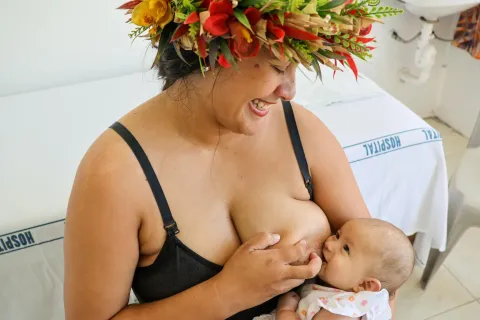
- Continue breastfeeding: If you are breastfeeding, keep going. Breastmilk provides important nutrients and antibodies.
- Offer healthy foods: Eating nutritious food helps the body recover. Tips on healthy foods for children aged 6 months to 3 years.
- If your child is not getting enough healthy food, they should receive treatment from health professionals.
If your child’s symptoms start getting worse, go to the hospital immediately.
How dangerous is measles for children?
Measles is far more serious than many people realize. Children who catch measles can become very sick, especially babies and young children.
The virus can cause dangerous complications, including:
- Severe diarrhoea and dehydration
- Serious breathing problems, including pneumonia
- Blindness
- Deafness
- A rare but serious brain infection (encephalitis) that can occur years later and cause lasting brain damage
Measles can also weaken a child’s immune system and make the body “forget” how to protect itself, leaving children extremely vulnerable to other infections even after they’re recovered from measles.
All of this is frightening. But the good news is that measles is completely preventable with vaccination.
The best way to protect your child is to get them vaccinated against measles.
How dangerous is measles for babies?
Measles is especially dangerous for babies under 12 months old. They are more likely to become seriously ill or die from its complications.
This is because in most countries babies are not vaccinated against measles until after their first birthday, so they have no protection against the virus. Their immune systems are also still developing, which makes it harder for them to fight off infections.
That’s why making sure everyone around a baby is fully vaccinated against measles is one of the best ways to keep them safe.
For which groups of children is measles most dangerous?
Measles is especially dangerous for:
- Babies under one year old.
- Children under five years old who have not been vaccinated.
- Children who are malnourished, especially those without enough vitamin A.
- Children with weak immune systems.
- Children with other health conditions, like HIV.
How dangerous is measles for adults?
Measles is often thought of as a childhood illness, but adults can catch and spread it too — especially if they were never vaccinated or their immunity has decreased over time. During outbreaks, adults can make up 10 to 20 percent of cases.
This matters because adults can pass measles to young children, especially babies, who are much more likely to become seriously ill.
How dangerous is measles during pregnancy?
It’s important to know that measles can be serious during pregnancy, both for mothers and their babies.
About one in five pregnant women who get measles develop pneumonia, and in rare cases it can be life-threatening. Measles also increases the risk of premature birth, with around 13 out of 100 infected pregnant women delivering early.
If you are planning a pregnancy, get the measles vaccine before trying to conceive, as it is not recommended during pregnancy.
If you’re pregnant and not vaccinated against measles:
- Stay away from people with fever, rash, or flu-like symptoms, especially during measles outbreaks.
- Make sure the people around you (partner, children, family) are fully vaccinated to help protect you.
- If you think you’ve been exposed to measles, contact your doctor immediately.
How does measles spread?
Measles spreads easily when an infected person breathes, coughs or sneezes. The virus can stay in the air or on surfaces for up to two hours.
Someone else can catch measles by breathing in the virus or by touching a contaminated surface and then touching their eyes, nose or mouth.
Measles spreads twice as fast as COVID-19 and chickenpox.
Measles can be passed to others before the distinctive rash develops. This is one of the reasons that it spreads so quickly among children. It’s passed on before parents even realise that their child has it.
How can I protect my child from measles?
Getting a measles vaccine is the best way to protect your child from getting measles.
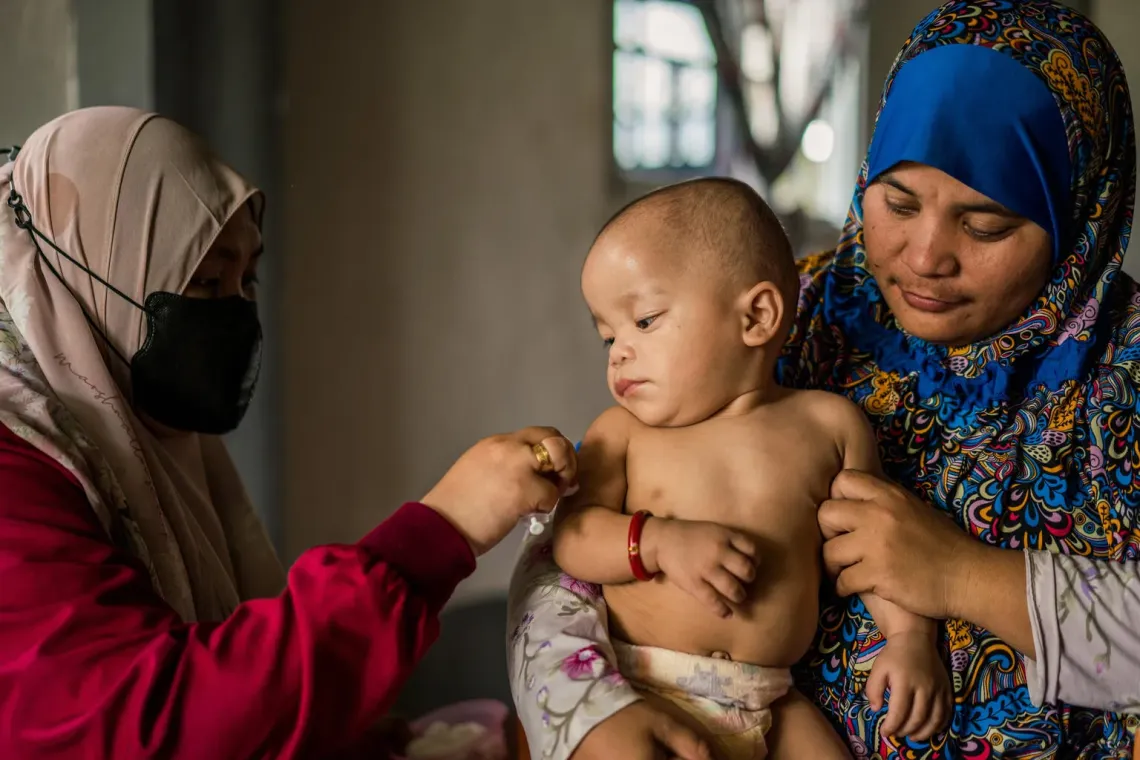
The measles vaccine can be given alone or combined with vaccines for mumps and rubella. It’s given through a short needle, usually in your child’s upper arm.
The vaccine is safe and very effective. Children need two doses to make sure they’re fully protected. For most people, this protection lasts for life.
The age when your child gets the measles vaccine depends on where you live.
The first vaccine dose:
- In countries where measles is common: children are usually given the first vaccine dose at 9 months old (and sometimes as early as 6 months).
- In countries where measles isn’t common: your child will normally get their first vaccine dose between 12 and 15 months old.
The second vaccine dose:
- Is usually given 4-6 months after the first dose.
To find out when your child should get their measles vaccines in your country ask your doctor for the national immunization schedule or check the Ministry of Health’s website.
My baby is too young for the measles vaccine. How can I protect them?
Until babies can get the measles vaccine, they depend on you and others to keep them safe.
Here’s how you can help protect them:
- Keep your baby away from children and adults who are sick and have symptoms of measles (cough, fever, runny nose, red eyes, rash).
- Wash your hands with soap and water often.
- Keep your home clean and well-ventilated by opening windows so fresh air can circulate, especially in bathrooms and toilets.
- Keep your baby's body, nose, throat, eyes and mouth clean.
- Continue breastfeeding.
- Once your baby is over six months old, offer healthy first foods alongside breastmilk
- If your baby attends daycare, ask how often toys and surfaces are cleaned and whether the rooms are well-ventilated. It’s okay to ask — it helps protect your baby and other children.
In some countries, babies can be vaccinated against measles from 6 months of age. Check the measles vaccination policy in your country and get your child vaccinated as soon as they’re eligible.
My child is over 5, but I can’t remember if they were vaccinated against measles. What should I do?
If you’re unsure whether your child received their measles vaccine and you don’t have their records, contact your local health facility. They can advise you on getting your child vaccinated.
There is no harm in receiving an extra dose. If your child was vaccinated before, an additional measles vaccine is safe.
Can the measles (MMR) vaccine cause autism?
No. There is no evidence that autism is caused by vaccination, including the MMR vaccine. Autism is a developmental disorder that begins early in life and is linked to several causes, including genetics and environmental factors.
Large studies following hundreds of thousands of children in different countries have found no link between MMR vaccination and autism.
Why are measles cases rising?
Measles is increasing because not enough children are getting vaccinated. During the COVID-19 pandemic, many children missed routine vaccinations, and health systems were stretched, making it harder to track who was protected. Many countries are still catching up.
Misinformation has also led some parents to delay or avoid vaccines, causing vaccination rates to drop and creating gaps in protection that are making it much easier for measles to spread.
To stop outbreaks and protect all children, at least 95 percent of the children in every community need two doses of the measles vaccine. This level of protection is known as herd immunity.
Will measles outbreaks get worse?
Worryingly, because vaccination rates are still too low in many places, it’s likely that measles outbreaks will continue.
When not enough people are vaccinated, the virus can spread quickly, especially in crowded communities.
This puts many children, especially babies, at a higher risk of getting measles.
Making sure your child gets two doses of measles vaccine is the most powerful way to protect them. It will also help protect others in your community.
During an outbreak, try to protect young babies by keeping them away from anyone who is unwell.
We know that rising measles cases is scary. Remember, by staying informed and making sure your loved ones are vaccinated against measles, you’re taking powerful steps to protect them.