Armenia streamlines its needs-based cash assistance system for refugee and local vulnerable families
UNICEF and Ministry of Labor and Social Affairs deliver cash plus assistance to over 5,183 persons, including 2,084 children, with financial assistance from German Federal Foreign Office.
- Հայերեն
- English
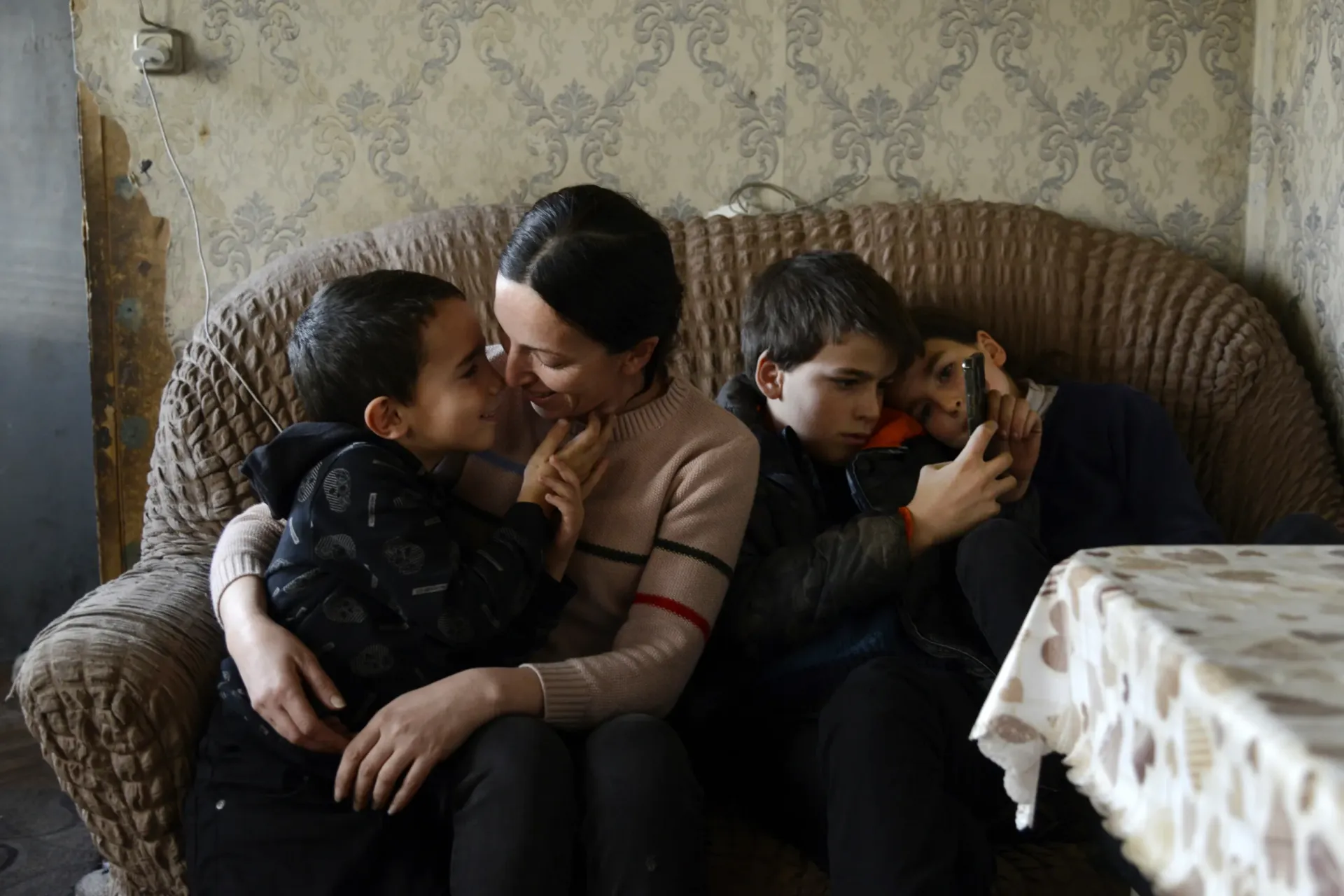
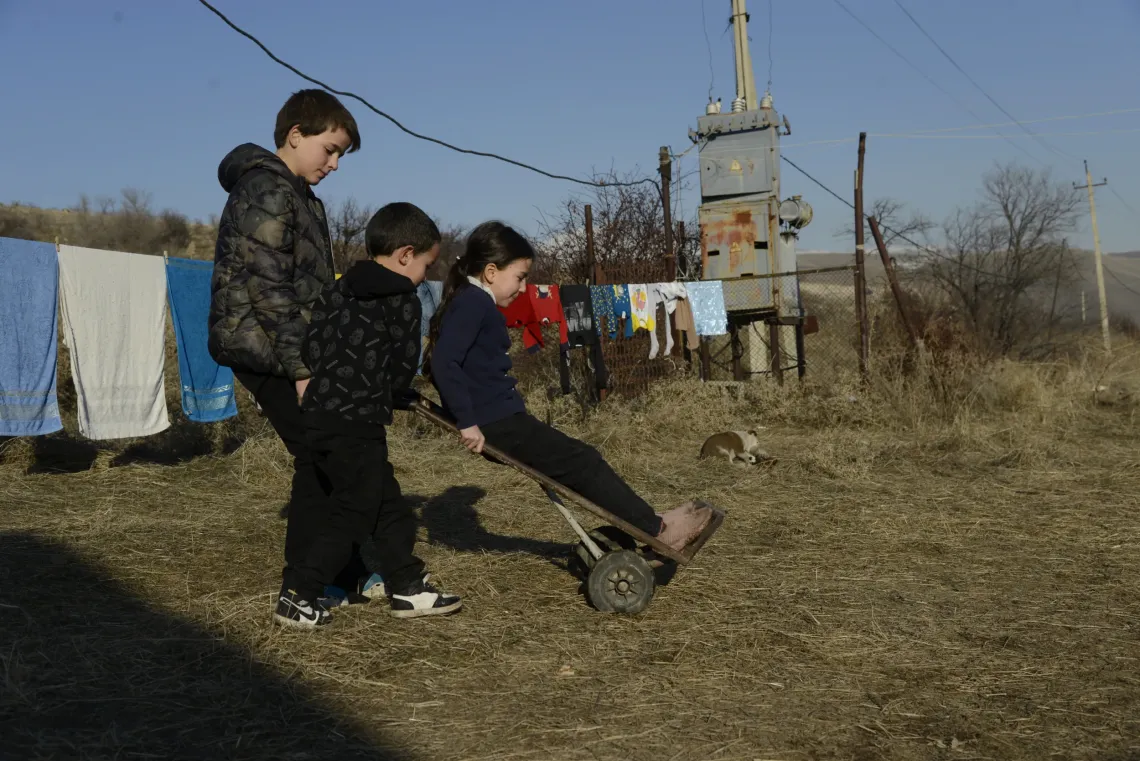
Lilit’s, 38, tidy little house lies on a bumpy road leading to the Yerevan - Sevan highway. Her eldest daughter studies at a military academy, while Yeprem, 13, Ariana, 7, and Aren, 5, go to school.
Their house is several kilometres from the main road, a distance they walk every day. The nearest school is in Arzni village, so they have to take a taxi, for which Lilit pays 4000 Armenian drams per day.
“We are very far away from public transportation and this is the only means we can afford. Any driver who comes here for the first time, never wants to return because of the road. It’s in a terrible condition. I recently finally managed to find a driver who is willing to take my children to school.” Lilit explains.
Lilit and her children’s house occupies only 26 square meters - very tiny but filled with dignity that is impossible to overlook. It’s filled with love and respect that extends beyond the four walls.
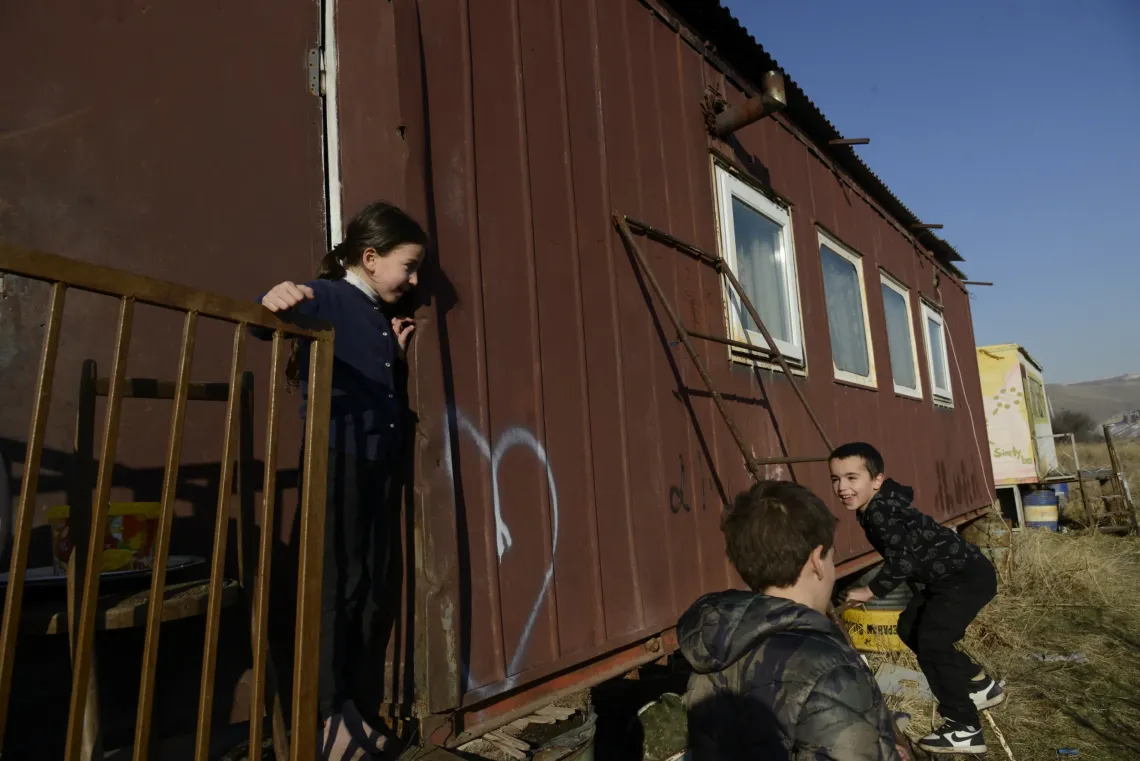
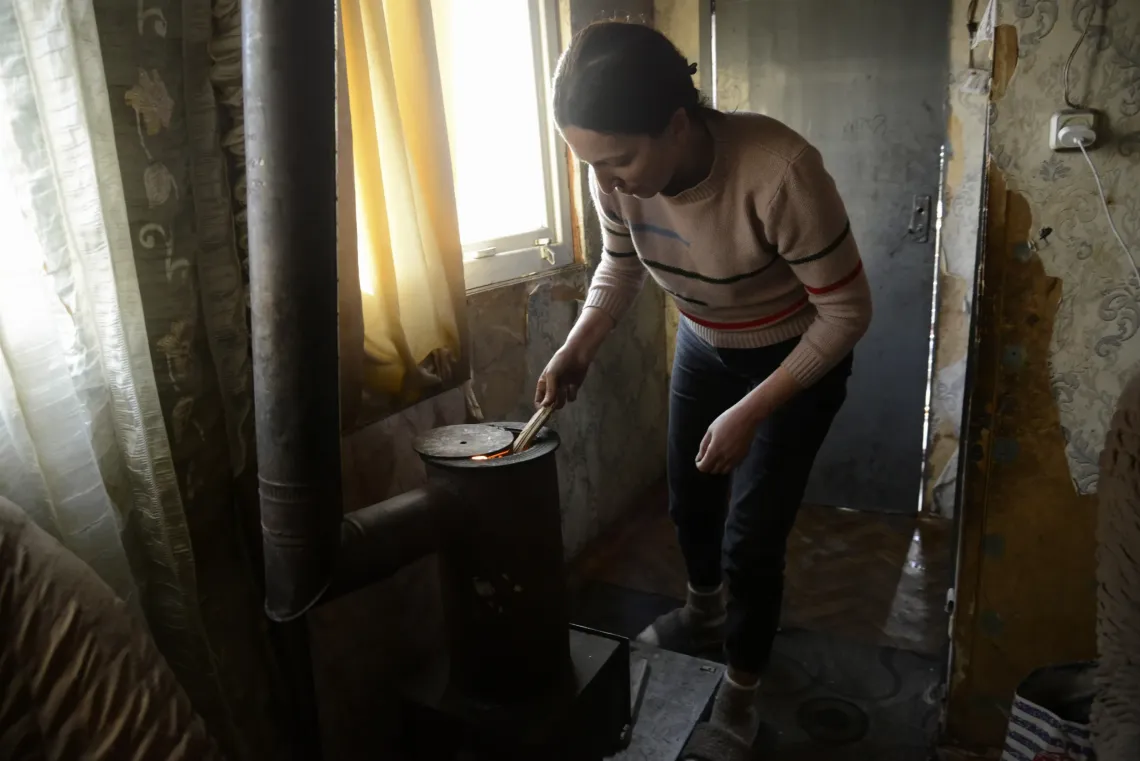
The fuel for the stove in one corner of the house consists of discarded items salvaged from summer cottages. The only bed in the home, shared by Lilit and her three children, is so small that it is hard to imagine how they can sleep properly.
“I am divorced. I receive no support from my ex-husband, nor do I expect it. I only get a small allowance, but it does not bother me. I clean houses for people several times a week, and I have wonderful regular clients. When my children were attending school in Yerevan, I felt lost. It was tough. Here, even though I pay a lot for taxis, I feel like I am investing in thier education, and that is what matters most.”
The area is so remote and isolated from the main road that a special antenna is needed for the television, which serves more as a keepsake than an actual device. Utilities are out of the question - water is carried from the roadside, food is cooked on a gas cylinder, and bathing is done in a large trough.
Lilit does everything she can to prevent her children from experiencing malnutrition. She supplements their protein intake with cereals and chicken, and on rare occasions when she can afford it, they have beef - but only on special days. The home becomes unbearably hot in the summer, with snakes become prevalent due to the heat in those months.
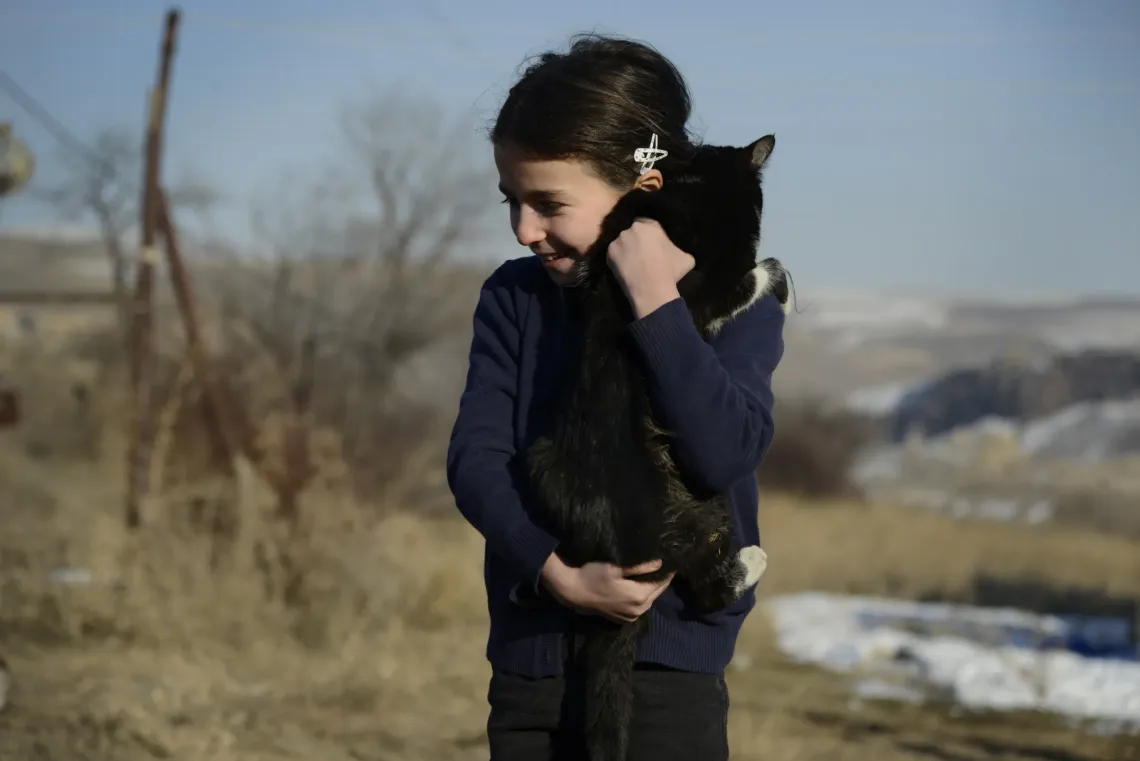
In December 2024, a local social worker visited the house, assessed their living conditions, took photos, and left. “Then the social worker called and mentioned that the Ministry and UNICEF had developed a programme to assist local and displaced families. He assured me he would try to find out if we could qualify. I thought, ‘What good would it do?’ but I didn’t have much hope,” Lilit recalls, describing the day she saw the money deposited into her account.
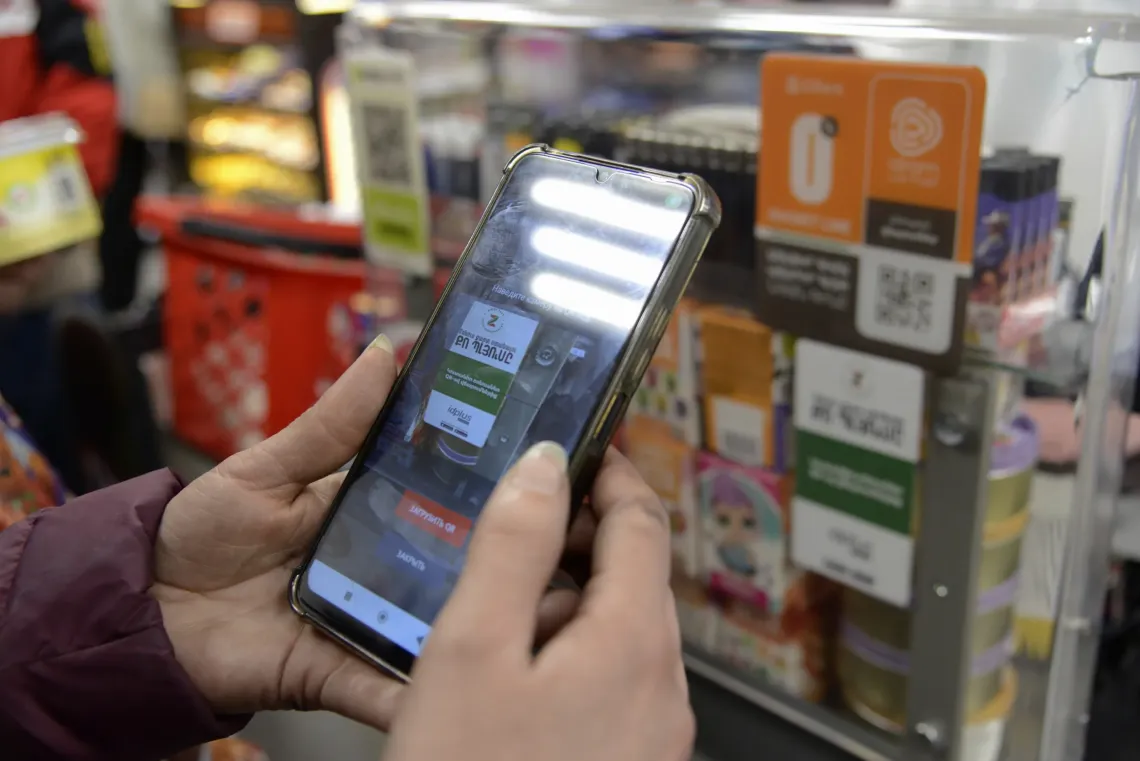
She remembers sitting with her niece when she decided to download the IDram mobile app on her phone. She hadn’t yet received a call confirming her inclusion in the list of beneficiaries, but she wanted to do something special for her children for the New Year’s holidays and decided to take a chance. Her niece, who had been displaced from her homeland to Armenia, was also part of the programme. Together, they downloaded the app - and to their surprise, they both had funds available.
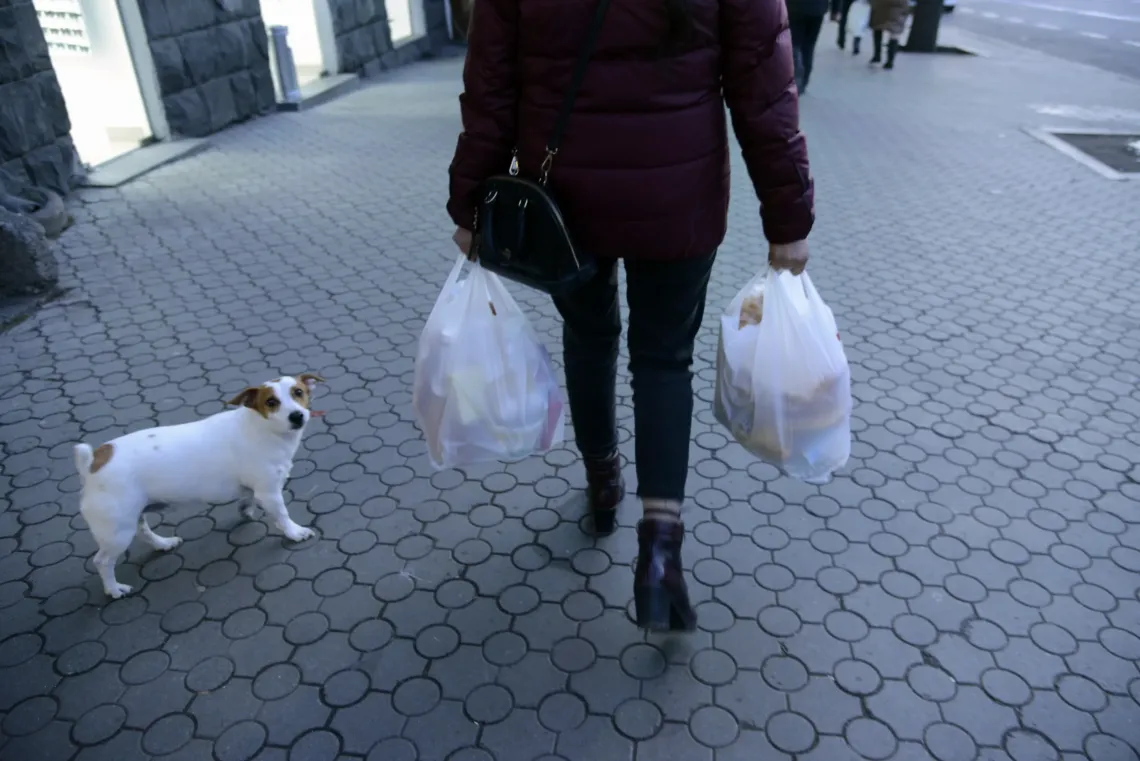
“When I saw AMD 190,000 (around US$480) in my account, I couldn’t believe my eyes. I didn’t believe it at all. I don’t want to exaggerate the moment, but the joy I felt was indescribable. We were given three allocations: AMD 100,000 (US$250) for clothes and shoes, AMD 50,000 (US$127) for food, and AMD 40,000 (US$103) for medicine. I bought three pairs of shoes for my eldest daughter, two pairs of winter shoes for each of the others, warm jackets, and even winter vests.”
Lilit brings out a box of medicine, explaining that she purchased a blood pressure monitor, which she didn’t have at home, as well as essential medicine - critical during virus outbreaks. As for the food allowance, she decided to save it for more challenging times.
“Now that I take care of the house, we have started living more thoughtfully. I do everything I can to ensure the children never go hungry. And they are very disciplined - they never ask for anything. When the money was in my account, I told Areni, ‘You know, whatever you want now, mum will buy for you.’ She thought for a moment and said, ‘I want a cookie.”

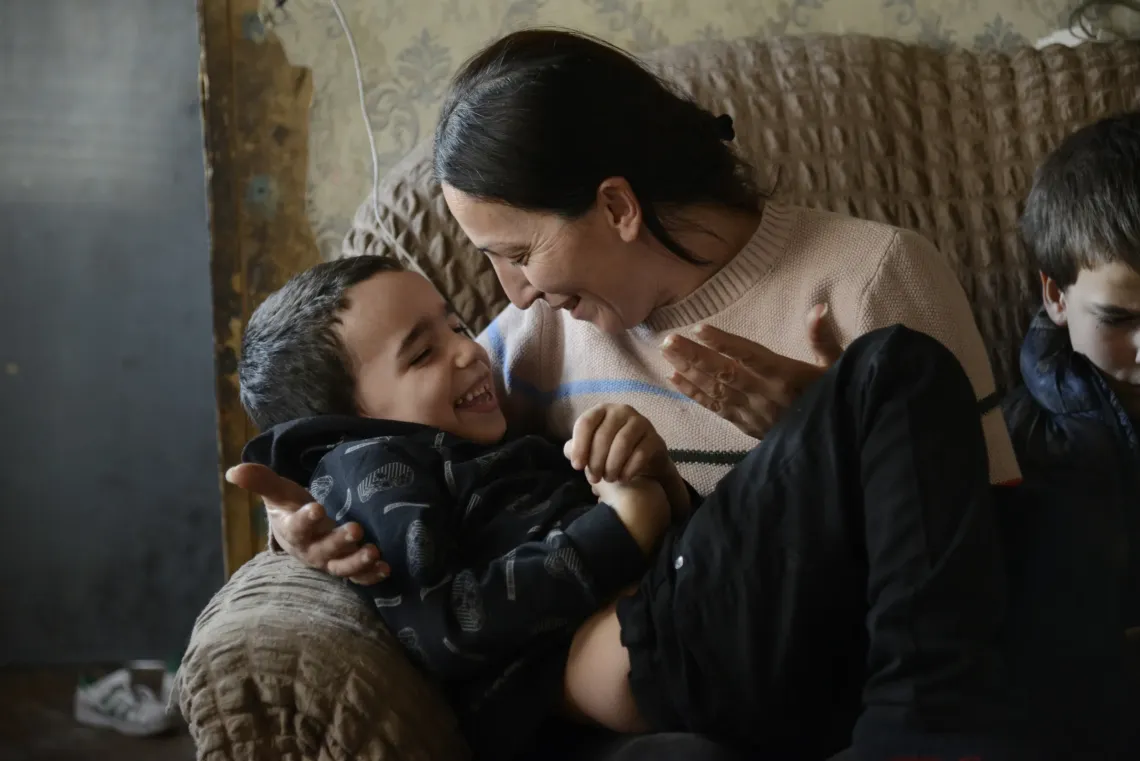
Lilit dreams of having a home in the village - one of those houses filled with the sweet scent of freshly baked cookies, with a small garden in front where animals can be kept. But without the means to make a down payment, buying a house remains out of reach. Her relatives each have their own struggles, and while they help as much as they can, securing a home is the family’s biggest challenge and top priority.
“My children do very well in school, and I try to support them as much as possible so they can get an education, grow up to be good people, not envy others, but strive for the best. I always tell my daughter Anushik something no one ever told me, “I will always stand by you. No matter what, you should know that I will support you in any decision you make.”
Twilight quickly settles over the family’s small house. Lilit turns on one of her childhood films on the smartphone that now serves as the family’s TV set. Ariana picks up an apple and slices it into pieces. The home soon fills with the children’s cheerful chatter - Areni’s irresistibly contagious laugh, Yeprem’s dream of becoming a chef, and the way Ariana’s eyes shine with a bright, captivating glow. Through it all, Lilit smiles, patiently answering each of their questions.
With financial support from the German Federal Foreign Office, UNICEF and the Ministry of Labor and Social Affairs provided one-time, needs-based cash assistance to 1,238 households with 5,183 household members, of which 2084 children from refugee and host community families across Armenia. Social workers used information systems to assess each family’s most urgent needs, and based on predefined criteria eligible families received up to three types of assistance cards.
In the future, the Ministry of Labour and Social Affairs will be able to expand this first-of-its-kind pilot programme, enabling a faster response to support vulnerable families in times of crisis. To further strengthen these processes, UNICEF will support needs assessment and case management tools and practices, including linkages between social work and mental health and psychosocial assistance for comprehensive support to families in need.