Armenia lays the foundation for stronger mental health support in schools and preschools
- Հայերեն
- English
Yerevan, 9 July 2026 – Armenia has taken an important step towards strengthening mental health and psychosocial support (MHPSS) in schools and preschools through a UNICEF-supported initiative implemented in partnership with the Ministry of Education, Science, Culture and Sport of the Republic of Armenia and the Republican Pedagogical-Psychological Centre (RPPC), with financial support from the Government of Japan through Japan International Cooperation Agency (JICA). The initiative has strengthened the capacity of the education system to better support refugee and host community children while contributing to the Ministry's broader efforts to establish a unified MHPSS framework and institutionalize Mental Health and Psychosocial Support across Armenia's education system.
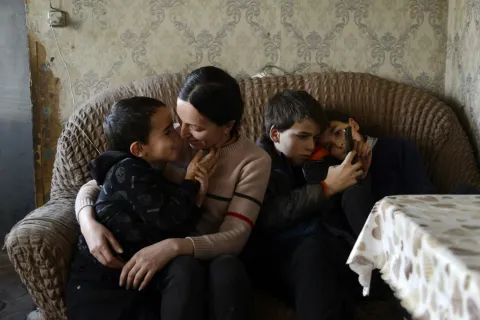
Schools and preschools play a critical role in promoting children's mental health and well-being. Following the displacement of more than 36,000 children and their families, strengthening school-and-preschool-based mental health and psychosocial support became an urgent priority to help refugee children recover, continue learning and successfully integrate into their new school communities, while also supporting children from host communities.
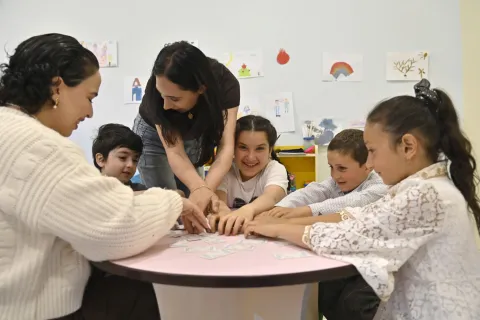
UNICEF and the Republican Pedagogical-Psychological Centre have worked together to strengthen how schools and preschools support the mental health and psychosocial well-being of refugee and host community children. The partnership developed Armenia's first Mental Health and Psychosocial Support (MHPSS) Framework for Education and the 2025–2028 Action Plan for delivering MHPSS services in educational settings, while equipping teachers, psychologists and educators with practical guidance and tools. These approaches were piloted in eight schools and eight preschools, helping lay the foundation for more consistent, school-based mental health and psychosocial support across the country.
More than 3,000 teachers, psychologists, school leaders and preschool staff participated in six capacity-building programmes, strengthening their ability to recognize children's psychosocial needs, provide timely support and make appropriate referrals. The initiative also helped schools and preschools improve collaboration among teachers, psychologists and school leadership, while strengthening coordination with health and social services to ensure children receive timely, comprehensive support.
A key achievement of the initiative has been its contribution to strengthening Armenia's education system. The Ministry of Education, Science, Culture and Sports has endorsed new national guidelines on school-based mental health and psychosocial support and mandated the creation of Child Protection Teams in educational institutions. Together, these measures create the conditions for expanding consistent, school-based mental health and psychosocial support services across Armenia.
To further strengthen school-and preschool-based services, the school psychologist’s profile, outlining their roles, responsibilities and referral paths, as well as a model catalogue for designing and equipping psychologists' rooms in schools and preschools was developed. With continued support from the Government of Japan, psychologists' rooms in the pilot educational institutions will be renovated and equipped in 2026 and 2027, creating spaces that can serve as models for future replication.
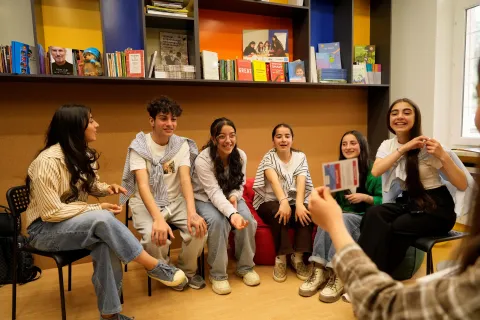
The concluding event brought together representatives of the Government of Armenia, the Embassy of Japan in Armenia, JICA, UNICEF, education institutions, local authorities and development partners to reflect on progress made in strengthening Mental Health and Psychosocial Support (MHPSS) within the education system and discuss the next steps towards its sustainable institutionalization. The event also showcased practical tools and guidance developed to support teachers, educators, psychologists, as well as student-led initiatives promoting emotional well-being, resilience and inclusion of refugee and other vulnerable children.
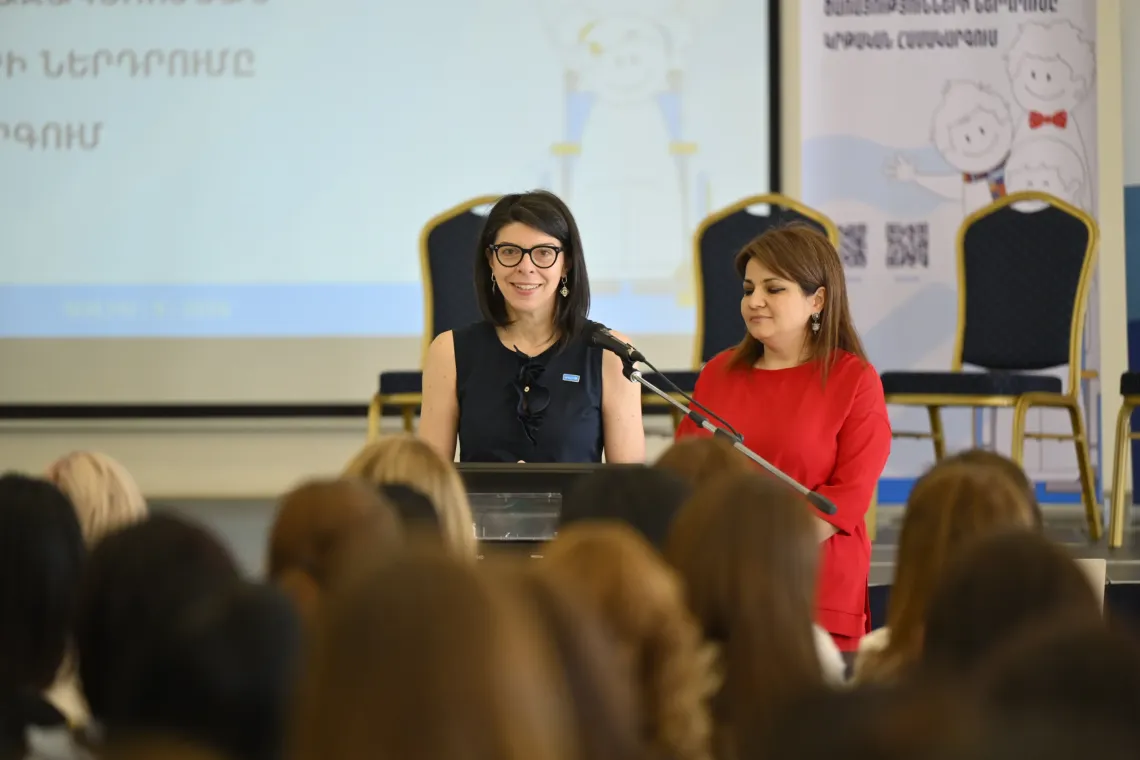
"Children cannot learn and thrive unless they feel safe, supported and emotionally well," emphasized Silvia Mestroni, UNICEF Representative a.i. in Armenia, in her remarks. "Through this partnership, we have helped strengthen schools and preschools' capacity to identify children who need support, deliver timely response and create safe and inclusive learning environments where every child, including refugee and other vulnerable children, can reach their full potential. This progress provides a strong foundation for building psychosocial resilience of children and expanding quality mental health and psychosocial support services across Armenia's education system."
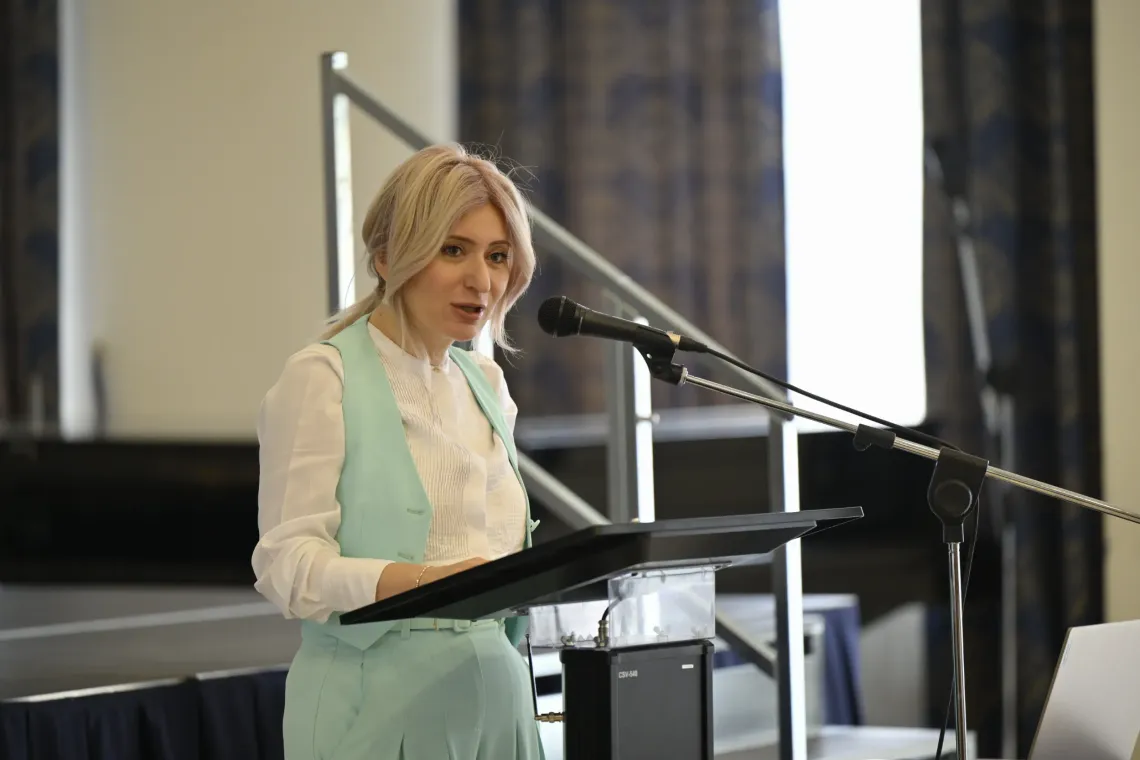
Araksia Svajyan, Deputy Minister of Education, Science, Culture and Sports of the Republic of Armenia, highlighted: "Modern education requires schools to respond not only to children's academic needs, but also to their emotional and social development. Reforms become meaningful when they reach classrooms. Our task is to equip the most vulnerable children with the support, skills and resilience they need to face life's challenges."
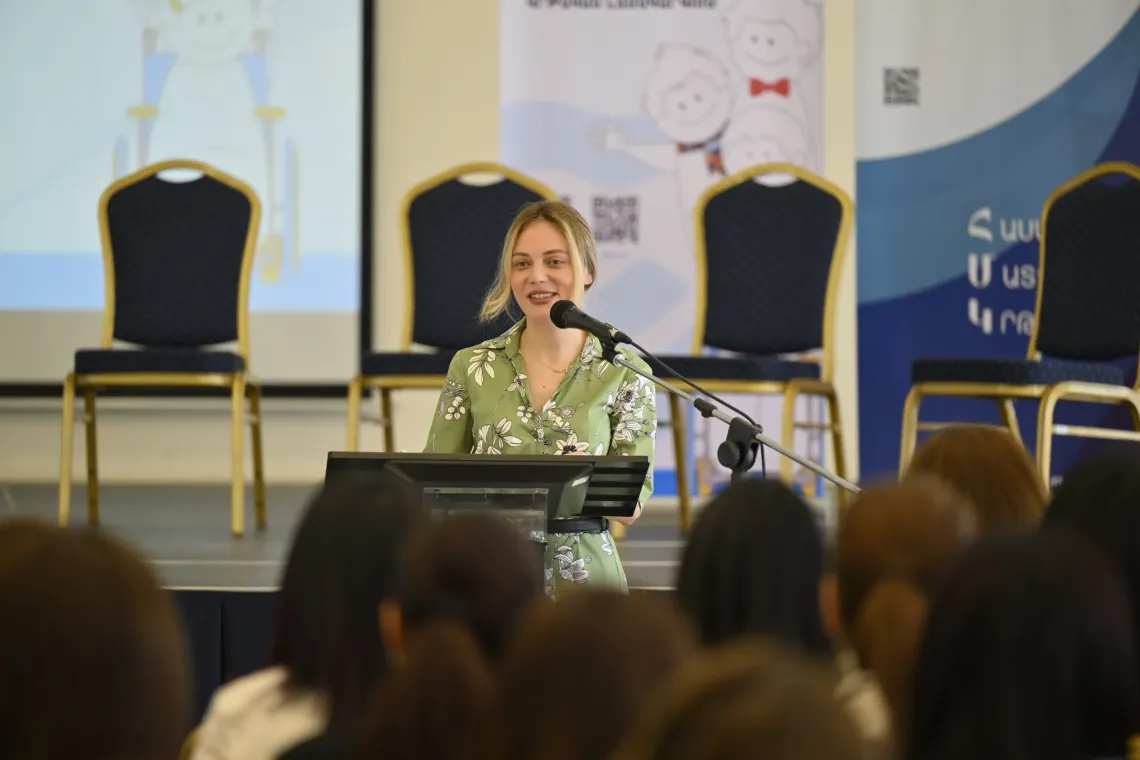
Lilit Mnacakanyan, Director of the Republican Pedagogical-Psychological Centre, summed up: "Perhaps the most important result of this partnership is that schools are becoming better prepared to notice when a child needs help—and to respond before that child is left to cope alone."
Media contacts
About UNICEF
UNICEF promotes the rights and wellbeing of every child, in everything we do. Together with our partners, we work in 190 countries and territories to translate that commitment into practical action, focusing special effort on reaching the most vulnerable and excluded children, to the benefit of all children, everywhere.
For more information about UNICEF and its work for children, visit www.unicef.org.