Back to School, Back to Her Dreams
Brenda’s journey back to school after becoming a young mother shows how integrated support can help adolescent girls continue learning and pursue their dreams.

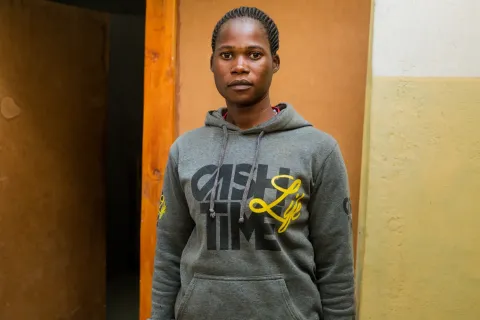
CHIFUNABULI District, Luapula Province, Zambia, February 2026 — During an interview in a classroom, 18-year-old Brenda* sat beside her baby daughter, reflecting on a journey that had changed her life. As her daughter babbled and played beside her, Brenda smiled before answering a simple question about what she hoped the future would hold.
"I want to become a nurse."
It was a simple answer, spoken with quiet confidence.
Despite the challenges she had faced, Brenda remained determined to continue her education and build the future she had always imagined.
A dream interrupted, but not abandoned
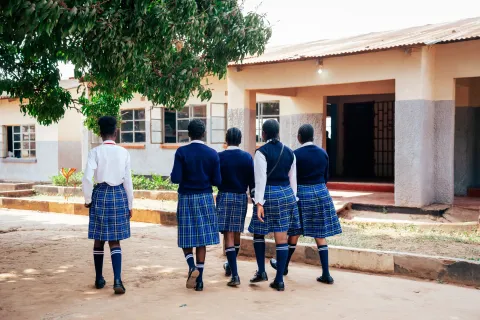
Brenda had completed Grade 7 and secured a place at Lubwe Secondary School. But financial hardship meant her family could not afford the school fees, so she continued her education at Shimalwengu Primary School, where she was able to enrol in the next available grade.
It was there, during her first term, that she discovered she was pregnant.
For many girls, pregnancy marks the end of their education. For Brenda, it marked the beginning of a different path, not the end of her education.
Looking back, Brenda recalls:
"I didn't stop going to school. I continued going to school."
With encouragement from her teachers, Brenda kept attending classes while receiving antenatal care before taking maternity leave to give birth.
Finding the courage to return
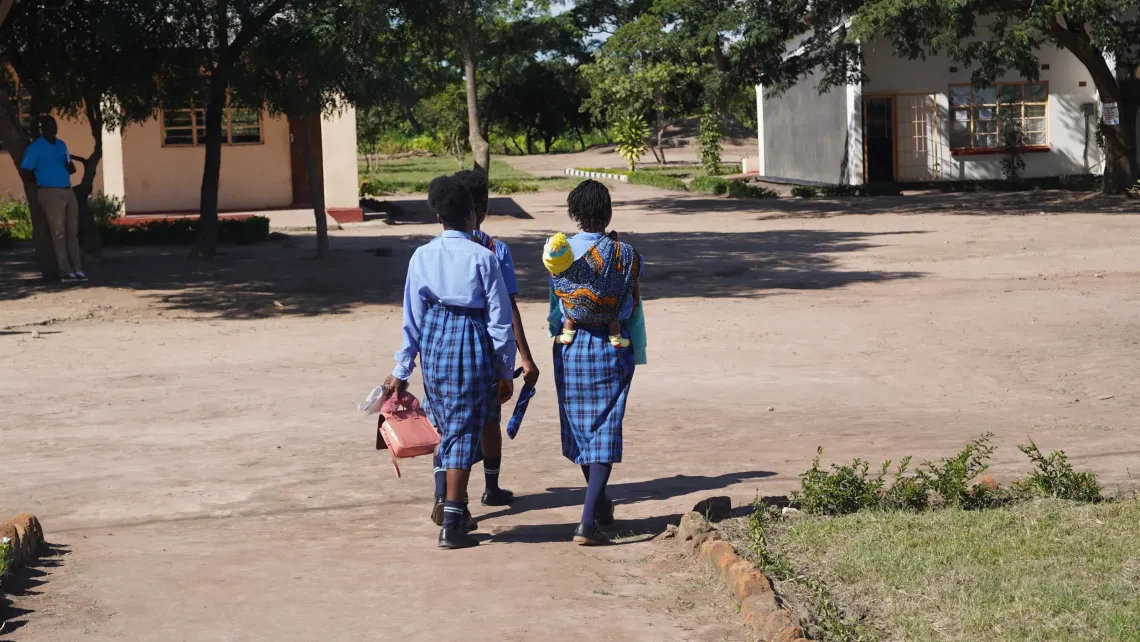
Returning to school after childbirth came with new challenges.
"I started to feel ashamed," Brenda said. "I thought my friends would laugh at me."
Some classmates encouraged her, while others questioned why she had come back.
"I didn't listen to what they said. I ignored them."
What made the difference was the encouragement she received from the people around her.
Her parents stood by her. Community Welfare Assistance Committee (CWAC) members visited her home, encouraging both Brenda and her family to support her education. Her mother completed the paperwork, while the headteacher welcomed her back into the classroom.
Despite losing one of her parents and facing financial hardship, Brenda's family remained determined that she should continue learning. By selling cassava, the mother raised enough money to buy Brenda a school uniform, books and shoes. It marked the beginning of her return to the classroom.
"That's how I started again," she said.
A community behind one girl
Brenda's journey was supported by a network that reached beyond the classroom.
Behind her were parents who refused to let her give up, Community Welfare Assistance Committee members who provided first line of support to her family, Guidance and Counselling teachers who helped rebuild her confidence, and Safe Motherhood Action Group volunteers and health workers who supported her throughout pregnancy and early motherhood.
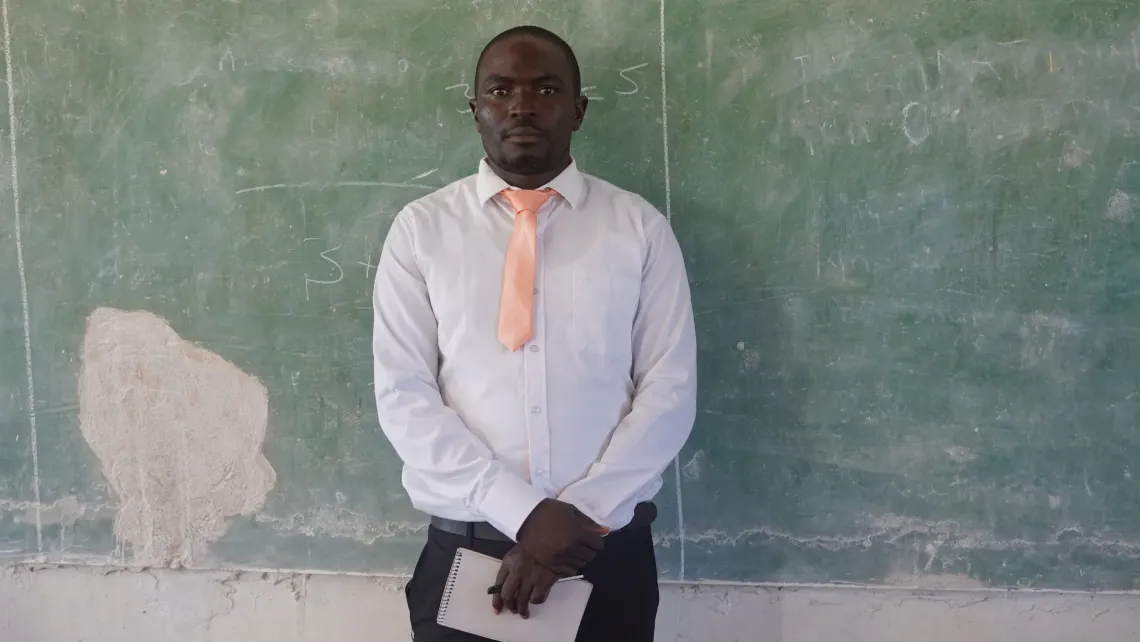
For guidance teacher Mr Nyirongo Mbamwabi, supporting adolescent mothers often means meeting them where they are.
As he explains:
"Some of the places where these girls are found, you just have to cycle because there's no road. We visit them. We counsel them. We encourage them to return to school."
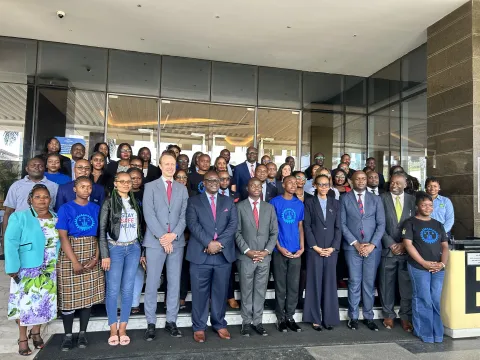
Through the Equal Chances for Human Development (EC4HD) Programme, funded by the European Union in Zambia, Guidance and Counselling teachers have been strengthened to better support learners, while student councils are helping raise awareness on issues affecting adolescents. These efforts are contributing to more supportive school environments for vulnerable learners, including adolescent mothers.
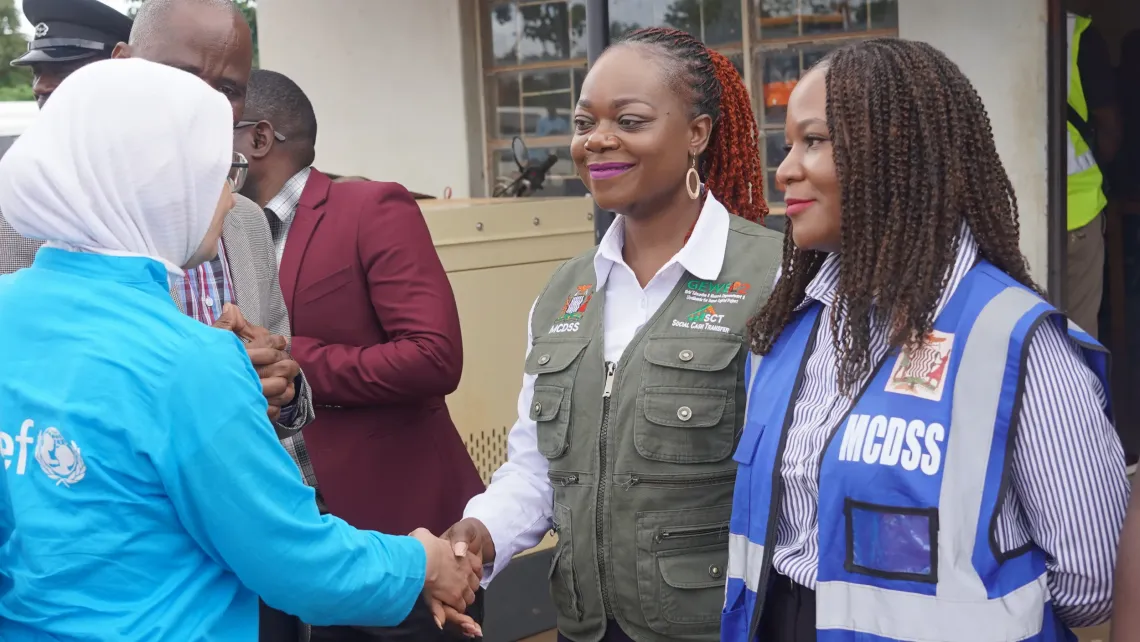
Working with the Government of Zambia and local partners, UNICEF Zambia is also supporting integrated services across five districts in Luapula Province, helping vulnerable children and adolescents access coordinated support closer to their communities.
Support beyond the classroom
Brenda's journey was not only about returning to school, it was also about becoming a mother.
Supported by Safe Motherhood Action Group volunteers and health workers, she attended antenatal care throughout her pregnancy and learned about maternal health, nutrition and exclusive breastfeeding.
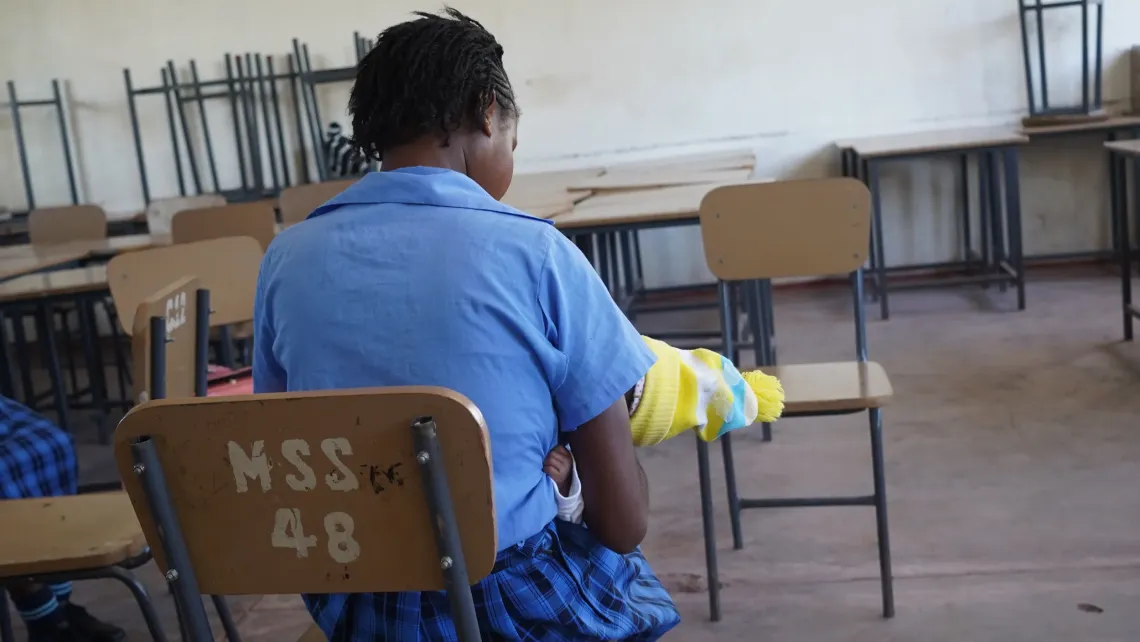
Looking ahead
Today, Brenda continues her education while caring for her daughter.
She knows the journey ahead will require determination, but her ambition remains clear.
Brenda says:
"When I finish school, I want to become a nurse so that when my family is unwell, or when my baby is unwell, or anyone is sick, I can take care of them."
Asked what she would like to say to those who had supported her, Brenda didn't hesitate.
"I thank everyone who encouraged me and my family."
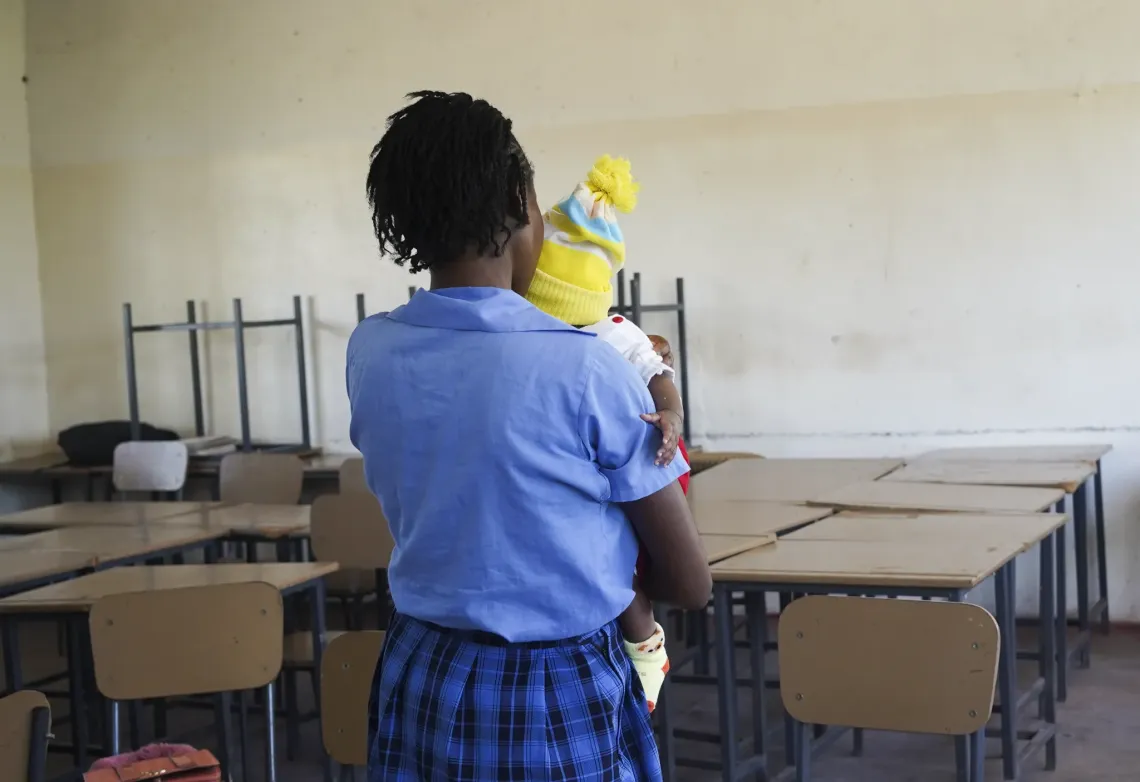
Brenda's* story is a reminder that adolescent pregnancy does not have to mark the end of a girl's education. With the right support, girls can continue learning, care for their children and pursue the futures they imagine for themselves.
Through the Equal Chances for Human Development (EC4HD) Programme, UNICEF Zambia, the Government of Zambia and partners are helping make that support possible by strengthening the systems that surround girls like Brenda.
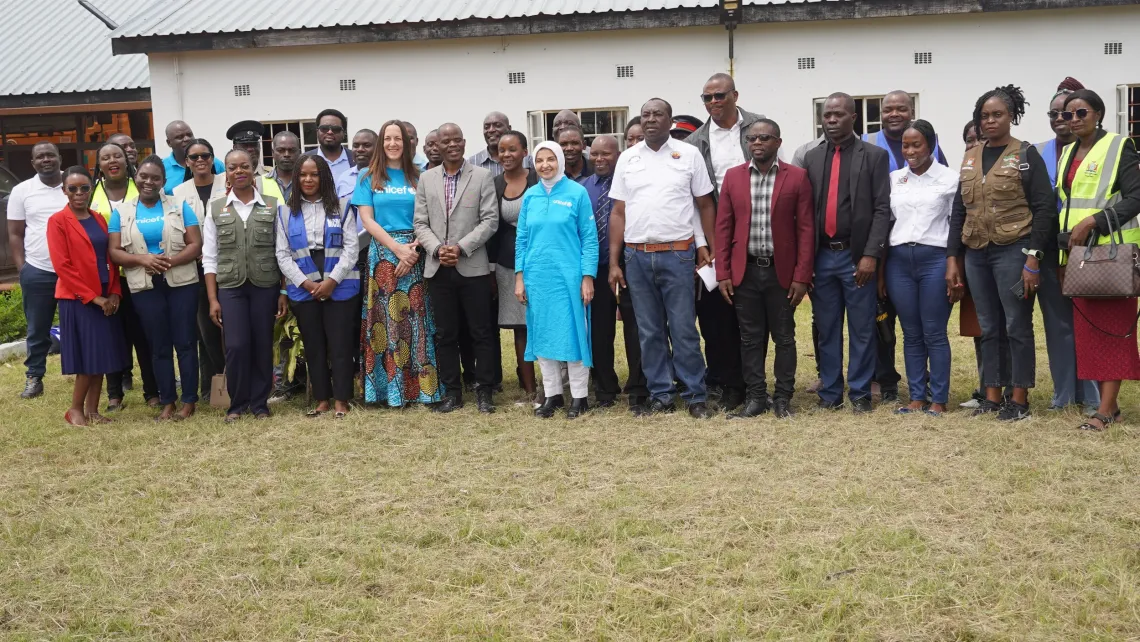
Her experience shows what is possible when schools, families, communities and health systems work together. To help more girls like Brenda* stay in school, communities must act now by challenging stigma, encouraging families to support school re-entry, strengthening home visits, linking adolescent mothers to health and counselling services, and mobilizing practical support such as uniforms, books, transport and childcare. With this collective action, every girl can have the opportunity to learn, grow and move closer to her dreams.
_________________________________________________________________________________________________________
*To protect the identity and privacy of the adolescent learner featured in this story, "Brenda" is a pseudonym.