A Second Chance to Learn - A Future to Reclaim
How Zambia’s school re-entry policy is helping young mothers return to education, rebuild confidence and pursue their dreams

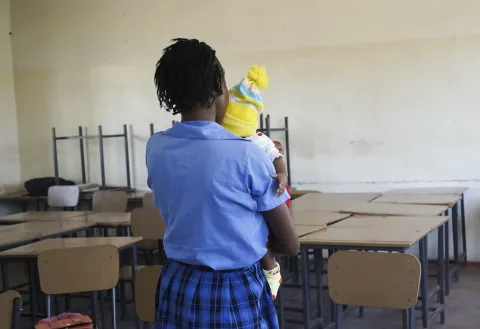
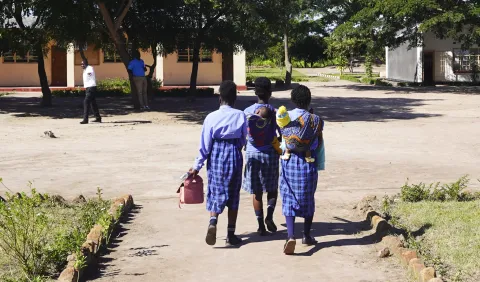
MWINILUNGA, North-Western Province, Zambia, September 2026 --- For girls like Helen*, Mary*, Beauty*, Joy* and Luwi*, returning to school has been more than going back to the classroom - it has been a second chance to reclaim a future they had once feared was slipping away. After becoming mothers (in different circumstances)and leaving school, the opportunity to re-enter education through Zambia’s school re-entry policy gave them a pathway back to learning. Today, they are back in the classroom, working towards their goals and showing that having a child does not have to mean giving up on education or the dreams they hold for their future.
Thanks to the Government of the Republic of Zambia (GRZ)’s re-entry policy, which allows girls to continue attending school for as long as they are able during pregnancy and to return to school after giving birth, many young mothers are being given a second chance to learn, rebuild their confidence and pursue their dreams.
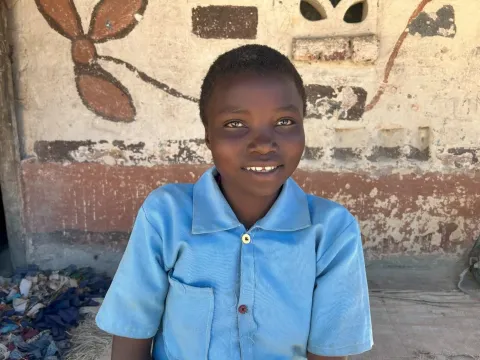
On a recent trip to Mwinilunga, I had the opportunity to speak with some girls who have benefitted from this policy. I observed their participation in class, and seeing how freely they interacted with their fellow learners gave me renewed hope - not only for their future, but also for the future of their children. Each girl I spoke to shared aspirations that went beyond her circumstances, demonstrating a determination to continue learning and build a better life for herself and her child.
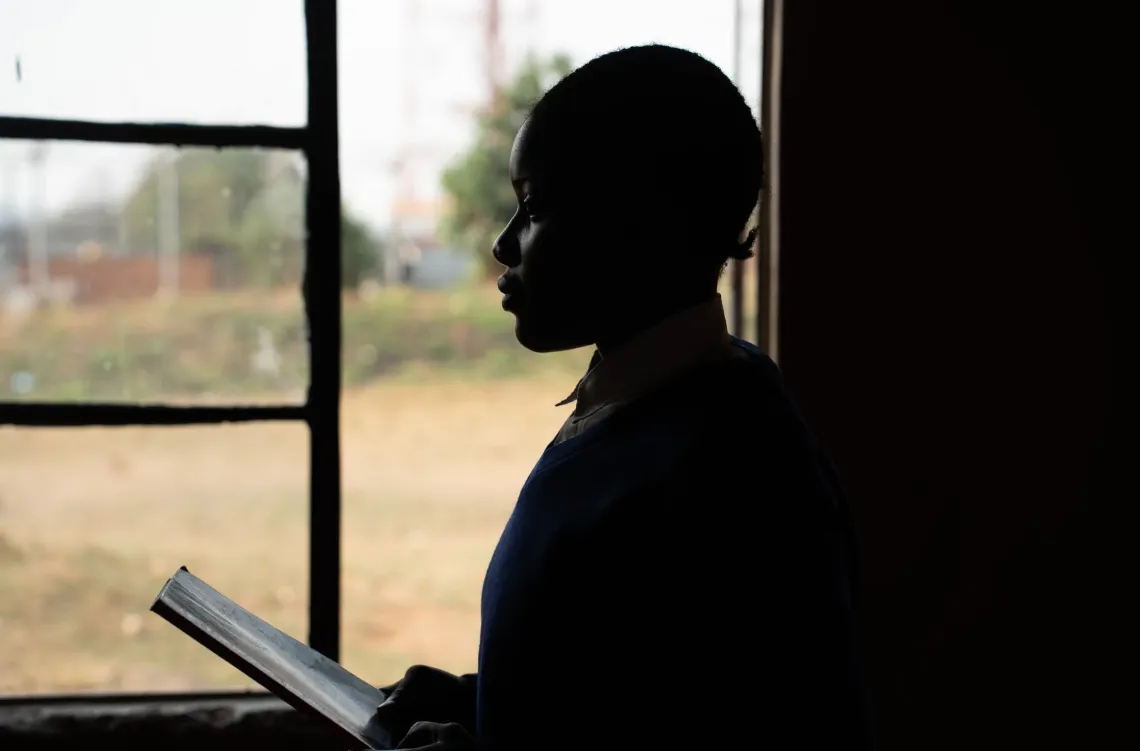
“My dream is to complete my education and support my 8-month-old son to get an education and have a better life.”
UNICEF through its integrated adolescent programme targeting child marriage and teenage pregnancies, provides critical support to returnee learners by delivering comprehensive sexual and reproductive health education and actionable pregnancy prevention strategies. Beyond health literacy, the initiative places a strong emphasis on retention and re-entry, actively encouraging young mothers and former learners to remain in school rather than being driven into marriage as a consequence of pregnancy. By fostering a supportive academic environment and addressing the social pressures surrounding adolescent pregnancy, the programme reinforces education as a sustainable pathway forward.
The ECM/AP programme supports the re-entry policy by addressing social and operational barriers - providing reproductive health education, combating child marriage stigma, and encouraging re-entry so girls actually stay in school rather than dropping out permanently.
The programme is well received in the district, with stakeholders recognising it as a valuable resource for adolescents and communities.
While supporting the implementation of the programme at community and school level, MedRap works directly with adolescents and relevant stakeholders across the five targeted districts. Through its engagement with adolescents, MedRap is facilitating platforms and activities that equip young people with the knowledge, skills and confidence to advocate for their rights and actively contribute to preventing child marriage and adolescent pregnancies. The organisation is also supporting adolescents to identify and promote locally driven solutions, enabling them to play a meaningful role in creating safer, more supportive environments for themselves and their peers.
Communities are increasingly choosing to support girls to return to school rather than marry them off after pregnancy. The increased reporting of child marriage cases to the Zambia Police Victim Support Unit reflects growing awareness of the harmful effects of child marriage and adolescent pregnancy.
So far, the re-entry policy has helped many girls return to the classroom during pregnancy and after delivery without facing stigma or trauma. Parents are also working with school counsellors to support girls’ wellbeing. Overall, the policy has brought more good than harm, and our girls are learning well.”
Hellen*, who failed 9th grade in 2020, became pregnant in 2021. She safely delivered her baby boy in 2022, who is now four years old. Despite the challenges she has faced, Hellen* remains determined to complete her education.
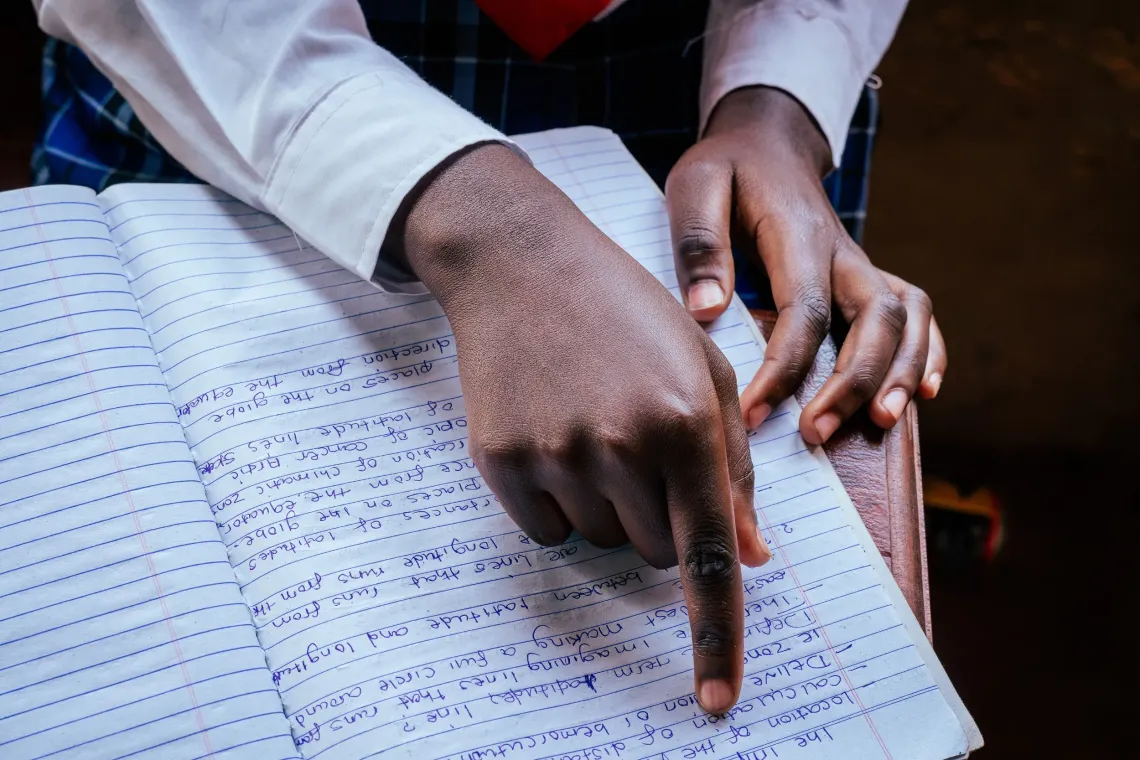
I want to finish school and join the Zambia Police Service so that I can help people and also support my child to have a good education.”
The school-level interventions also demonstrate the importance of creating a supportive and non-stigmatising environment for adolescent mothers returning to school. The involvement of parents and guardians in counselling and guidance is particularly encouraging, as family attitudes and support play an important role in enabling girls to remain in school and complete their education.
“I am grateful to my mother for standing by me and looking after my six-month-old baby while I continue with my education. Her support gives me the strength to keep going, even when things are difficult. I want to make her proud and repay her trust by working hard in school and building a better future for myself and my child,” said Mary*, a Grade 10 learner with a passion for mathematics.
Discussions with the school administration also spoke about the modalities they are implementing to ensure that the girls returning from maternity leave are not subjected to any kind of stigma and trauma from fellow learners or teachers. The returnees are treated on equal platforms as other learners.
With thanks to the Government, the new and revised re-entry policy offers a more comprehensive and inclusive approach to ensuring that every learner, particularly those affected by pregnancy, can continue their education without interruption. By providing support before, during, and after pregnancy, the policy promotes continuity of learning, strengthens guidance for schools, and reinforces the right to education for all learners. It also encourages shared responsibility among government, schools, communities, and partners, while linking education re-entry efforts to broader sexual and reproductive health and rights programmes. Furthermore, the renewed national commitment and advocacy provide an opportunity to strengthen implementation, protect learners’ rights, and ensure that no learner is left behind.
Seventeen-year-old Joy* said she remained committed to her education throughout her pregnancy. After giving birth, she was able to return to class almost immediately, with her mother helping to care for her baby. Reflecting on her experience, Joy* has this advice for other girls:
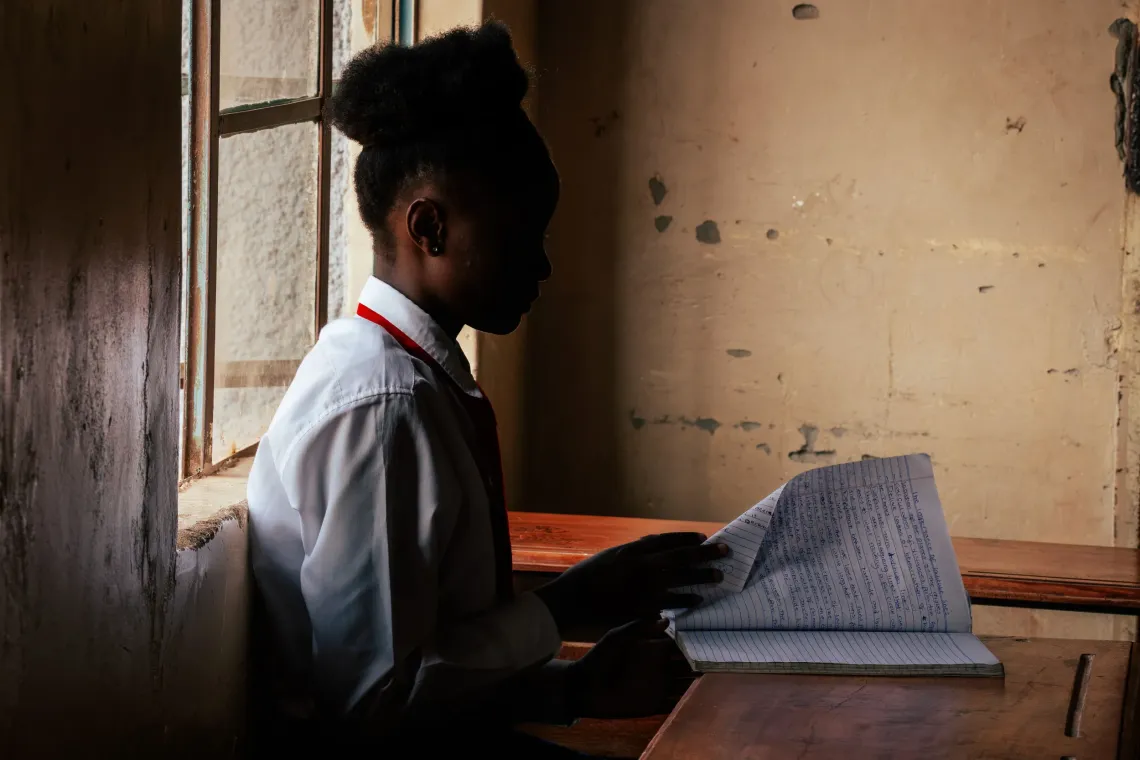
Stay away from sex and avoid getting pregnant while you are still in school if you want a better life in the future. I made a mistake, but I have been given a second chance, and I will not waste it.
These experiences demonstrate what is possible when girls are given a genuine opportunity to continue their education, together with the support they need to succeed. Their progress is a reminder that a pregnancy or interruption in schooling should not determine the course of a girl’s life. As they work towards their dreams, their message to other girls is clear: your future is still yours to shape.
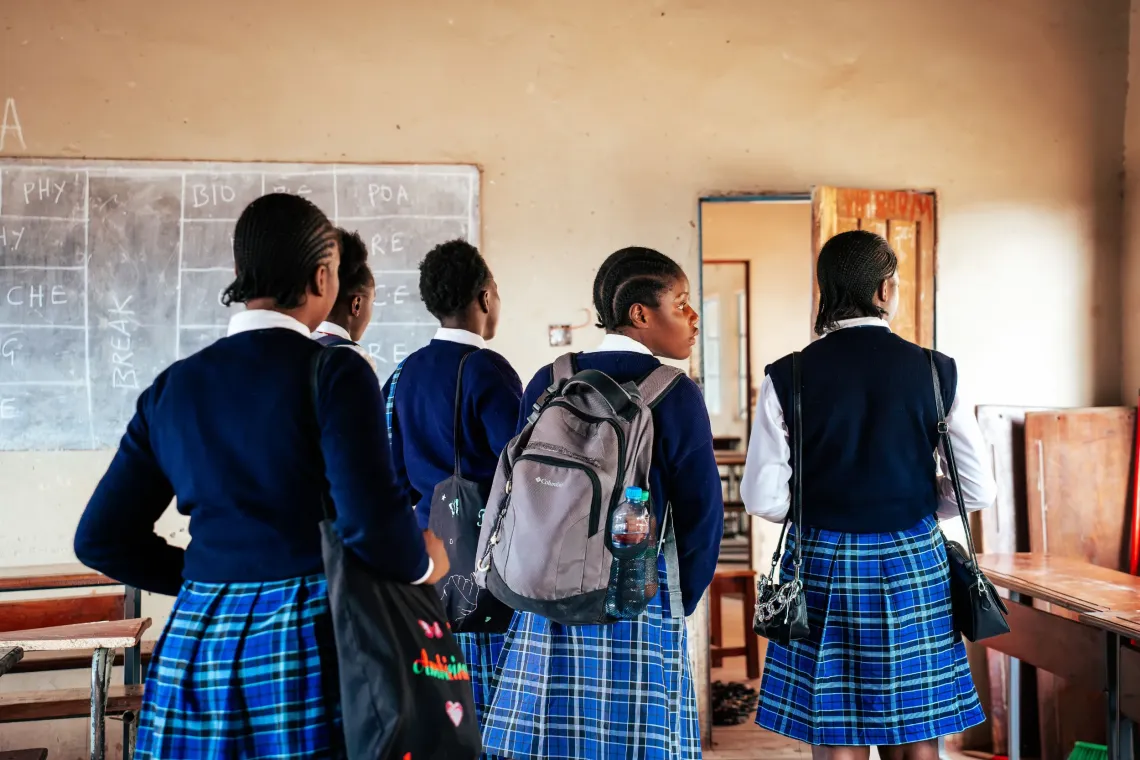
“Education can change your future, so make the most of every opportunity you are given,” said 17-year-old Luwi* a grade 12 learner who wants to study journalism.
“I am grateful for the re-entry policy because it has given me another opportunity to continue my education and build a better future for myself and my child. I know I have a responsibility to care for my baby, but I also want to work hard in school and achieve my dreams. To my fellow girls, stay focused on your education and do not give up on yourselves. Education can change your future, so make the most of every opportunity you are given,” said Luwi*.
UNICEF is grateful for the support of the European Union’s Equal Chances for Human Development (EU4HD) programme, and the partnership with MedRap on implementing this integrated adolescent programme aimed at ending child marriage and reducing adolescent pregnancies in North-Western Province. Across five districts - Kabompo, Mufumbwe, Mushindamo, Mwinilunga and Zambezi focusing on empowering adolescents to become changemakers, advocates and agents of positive change, adolescents and young people are making better choices within their schools and communities.
Through this partnership, UNICEF is providing overall programme support and technical guidance to strengthen adolescent-focused interventions and promote solutions that address the underlying factors contributing to child marriage and adolescent pregnancies.
Continued investment in supportive policies, schools, families and communities can help ensure that more girls who leave school are given the opportunity to return, learn and realise their potential.
***Names have been changed to protect the girls’ identities.
###