Mobile clinics provide lifesaving health services
Along with its partners, UNICEF took the lead in providing lifesaving assistance to the displaced people of Al-Mahara.

Al-Mahara, Yemen, 20 December 2018 – In Yemen, more than 24 million people, including 11.3 million children, are in urgent need of humanitarian assistance as the country is approaching its 4th year of violent conflict. Public services and infrastructure have deteriorated through the years, leaving millions of Yemeni people to face food insecurity, lack of access to water and epidemic diseases.
As this wasn’t enough, destructive cyclones are regularly hitting the southern-east coast of the country with devastating consequences, leaving people dead or injured, destroying property and killing livestock. Last October, the Cyclone Luban caused heavy damages in Socotra, Al-Mahara and Hadramout governorates.
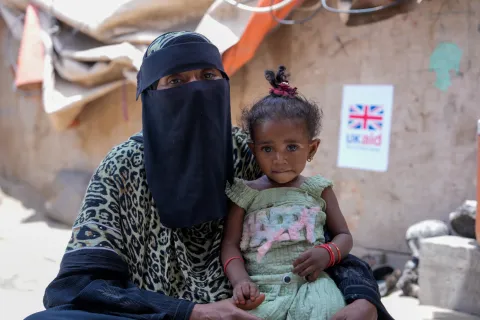
Al-Mahara, which has around 160.000 inhabitants, was the most affected area and this led to the displacement of thousands of people, who had to flee their destroyed houses and villages to settle in displacement camps, where diseases are more likely to spread.
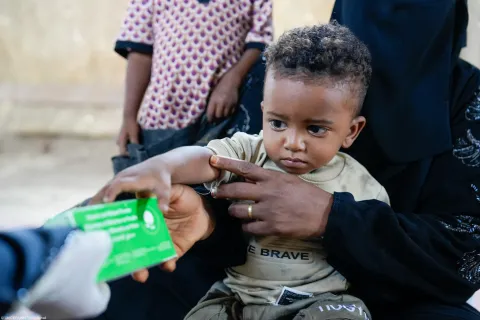
Along with its partners, UNICEF took the lead in providing lifesaving assistance to the displaced people of Al-Mahara. One of these vital interventions was the rapid deployment of two mobile clinics in Al-Masila and Sayhoot districts, areas with a high concentration of displaced families. The mobile clinics provide them with integrated health and nutrition services, so they can access basic and vital healthcare and have a chance to regain their dignity and rebuild their lives.


These activities have been implemented thanks to the contribution of the Kingdom of Saudi Arabia (the King Salman Humanitarian Aid and Relief Centre), which remains a committed partner of UNICEF to alleviate the suffering of the people of Yemen, by providing them with an integrated health and nutrition response.