Damián and Mercedes learn to live together after loss
Damián, 13, and his sister María, 10, lost their mother in the earthquakes in Venezuela. Their aunt Mercedes, who is also grieving the loss of her sister, has taken them into her care.

- Español
- English

Damián knows how to turn a bucket into a drum. He flips it upside down and starts to play, making do with sticks or a lid. The others set the beat, and he follows. He describes it at the José María Vargas sports complex in La Guaira, where he has lived since the June earthquakes.
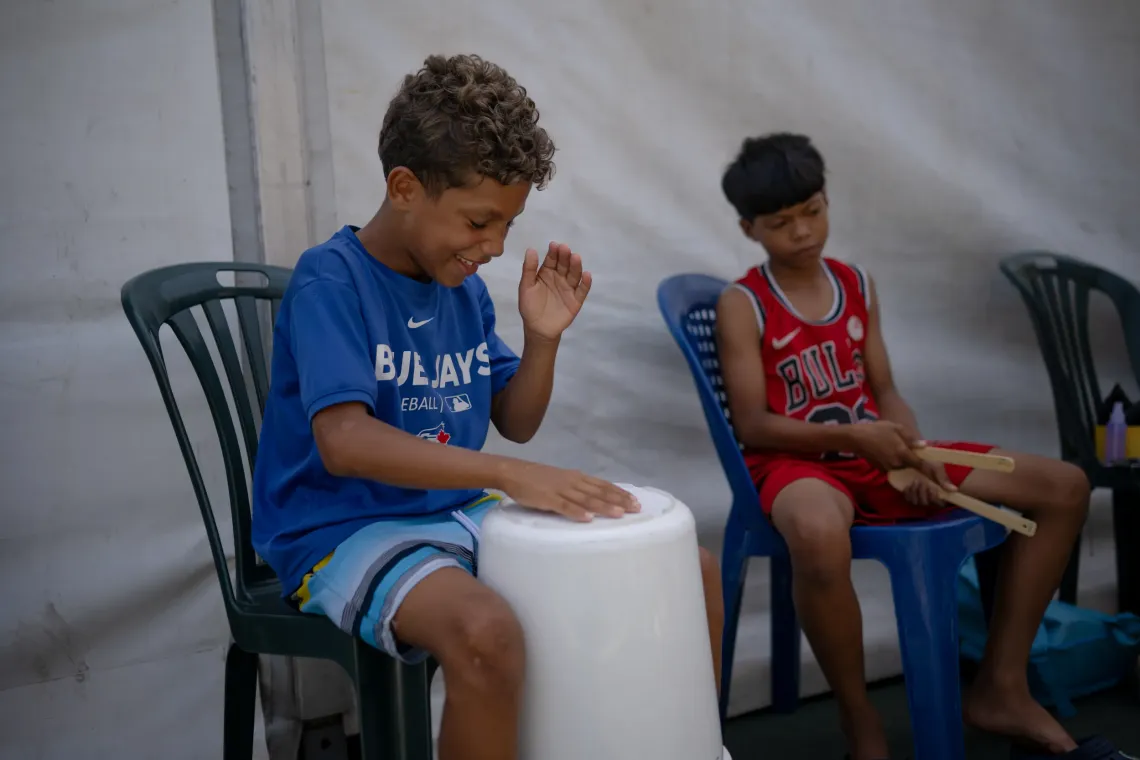
He is 13 and eager to learn. He watches a friend at the camp play, memorizes the movements and gives them a try. He has mastered some rhythms; when he tries to pick up the pace, he still loses the beat.
“That’s hard for me because every time I get the rhythm going, I want to slow down,” he explains.
The sound is familiar. His mother used to take him to the San Juan celebrations, and at the beach where she worked, he would join the circles of dancers. His aunt Mercedes remembers that he was never shy. Now, among new friends, he is learning to drum too.
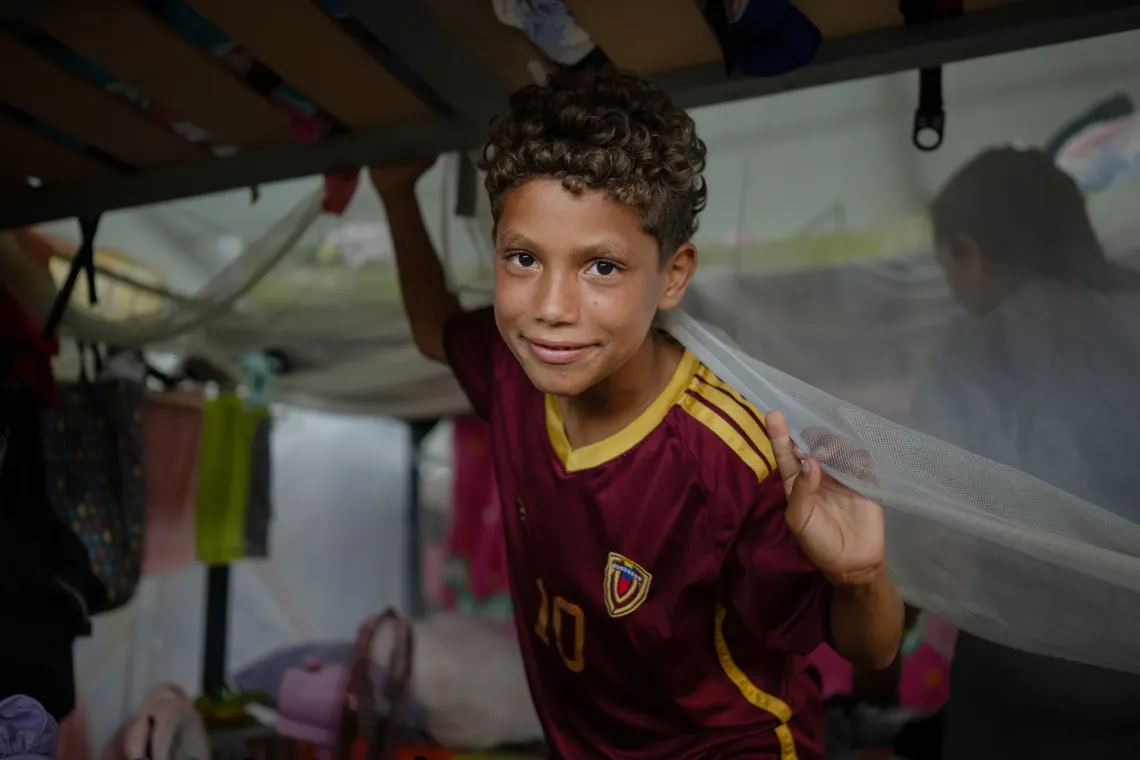
“I felt a passion for drumming,” says Damián.
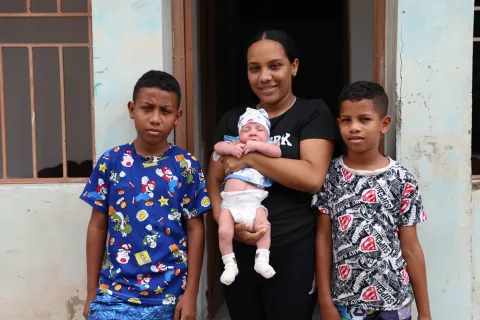
He lost his mother in the earthquakes on 24 June. He also lost friends he had grown up with, playing football and picking mangoes. He now lives in the temporary camp with Mercedes, his two cousins and another aunt, Franci, who has come to help. His sister María, 10, witnessed the building collapse that killed their mother. To support her emotional well-being, she is staying temporarily with relatives in Puerto la Cruz, around 350 kilometres from the affected areas, until she can rejoin Mercedes and Damián when they leave the camp.
When he talks about life before the earthquake, he returns to the football pitch, the mischief and the matches he never wanted to end. His friends and his mother are there in those memories.
His mother’s recipe
Damián remembers exactly how he likes his sardines: with tomato, onion, a little vinegar and oil. His mother used to prepare them as a filling for a fried arepa, a cornmeal bread. She would give him a generous helping because she knew how much he loved them.
He would sit nearby and watch her prepare them. When she looked away, he says, he would try to grab a little before they were ready. His mother would tell him to move away, but he kept his eye on the food.
He knows the recipe and describes it in detail. Just remembering it, he says, makes his mouth water. “I know how I like my sardines,” he explains.
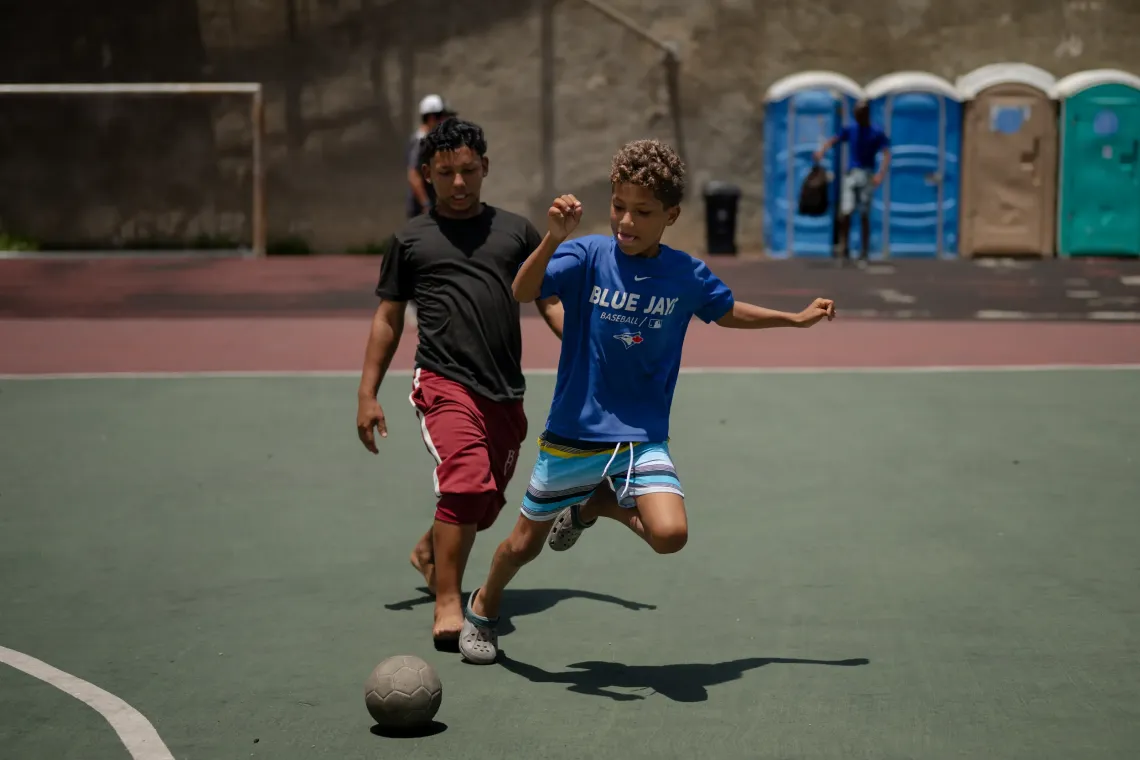
He remembers her when he talks about football too. He used to practise at home, throwing the ball against the wall and controlling it with his foot. Sometimes he would sneak off to play, and she would scold him. As he tells his story, he moves from matches to food, from the beach to the people he misses.
At the camp, he has found friends to play with again. He prefers futsal and knows who he would put in goal, who would defend and who would move forward with him. Neymar is his favourite player, and he would love to meet him. He wants to train with a team.
“Football takes away my sadness,” he says.
Half an hour more

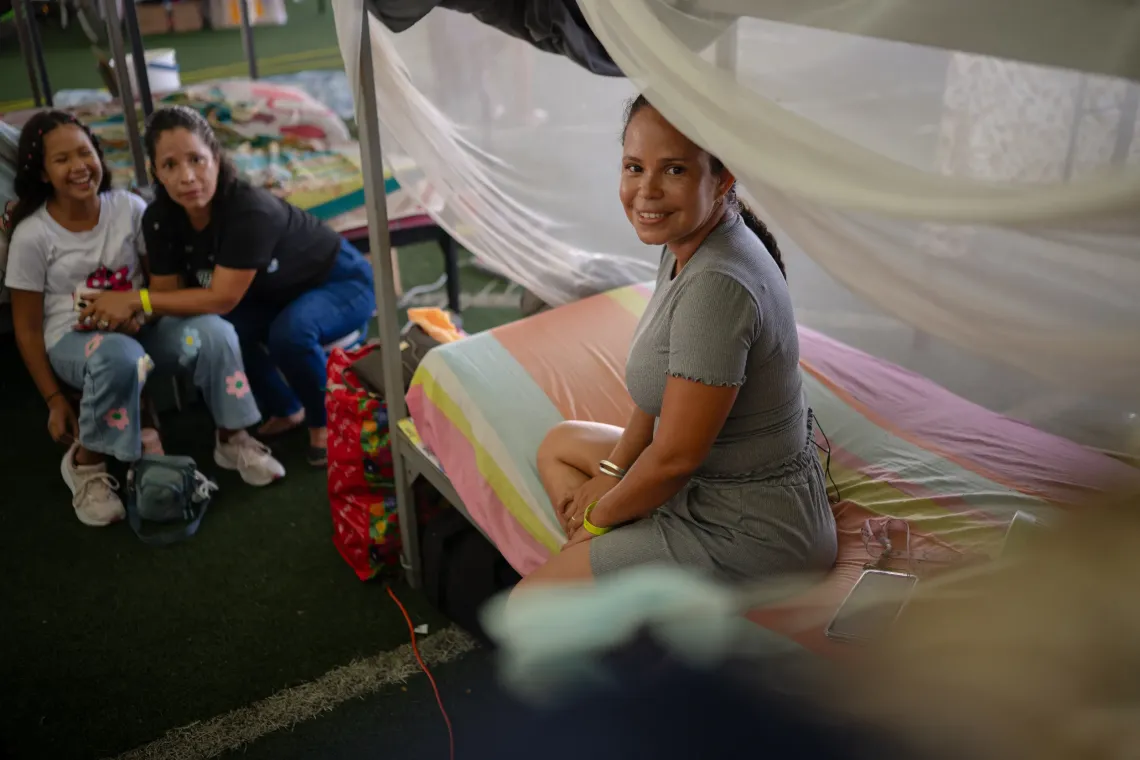
Mercedes describes the camp from where they sleep: “A bed, another bed beside it, my neighbours.” The family fit themselves in among the beds and a sleeping mat. At night, the children take turns sleeping beside one of their aunts. Sometimes Damián wants to stay with Franci; other times, one of his cousins insists it is her turn.
Mercedes, 40, has known her nephew since he was born. She supported her sister through her pregnancy, looked after him as a baby and, as he grew up, sometimes stepped in when he was being scolded. As she puts it, she is “the aunt who spoils him, the aunt who tells him off, and the aunt who takes him to the beach”.
After the earthquake, she took responsibility for her sister’s two children. When they arrived at the shelter, she was worried about replacing the children’s documents, which had been lost in the rubble. She sought help from child protection services, and arrangements were made to formalize their placement in her care.
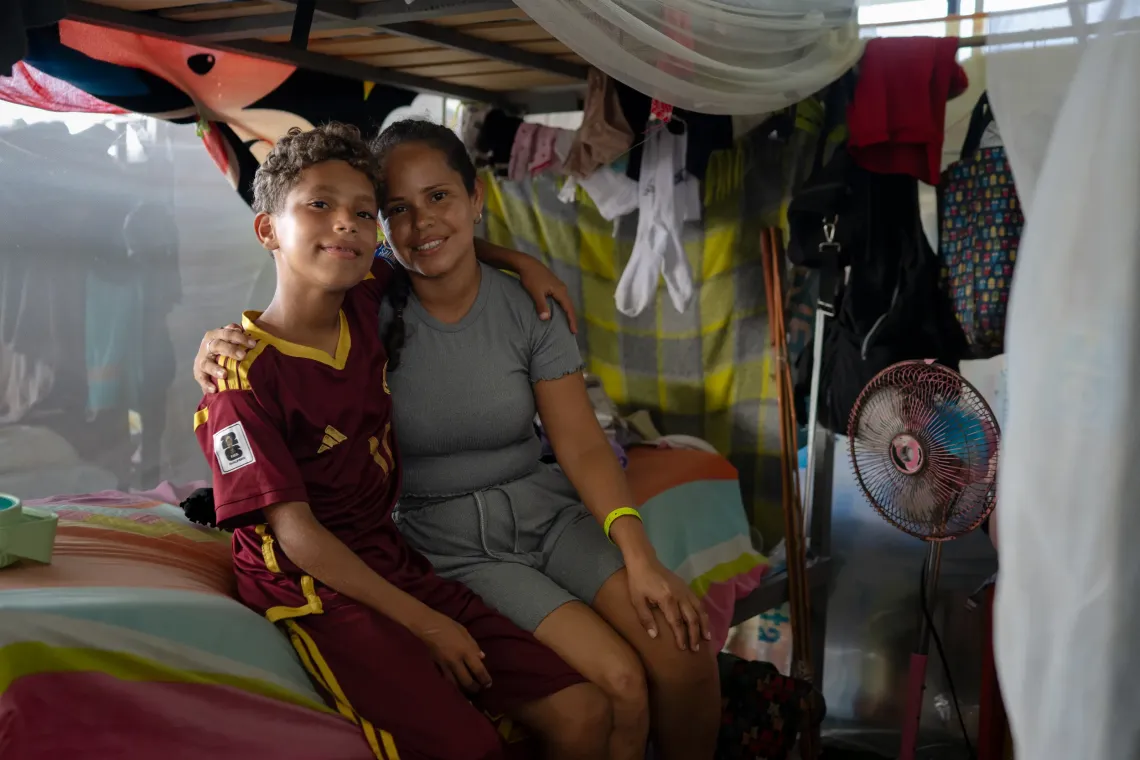
“I didn’t think twice, I didn’t hesitate. They’re my niece and nephew,” she says.
She has loved them for years. But day-to-day responsibility brings new questions. How can she set the same rules for her daughters, Mercelys, 12, and Mercy, 7, and her sister’s children? How can she let Damián play without spending the day worrying about where he is?
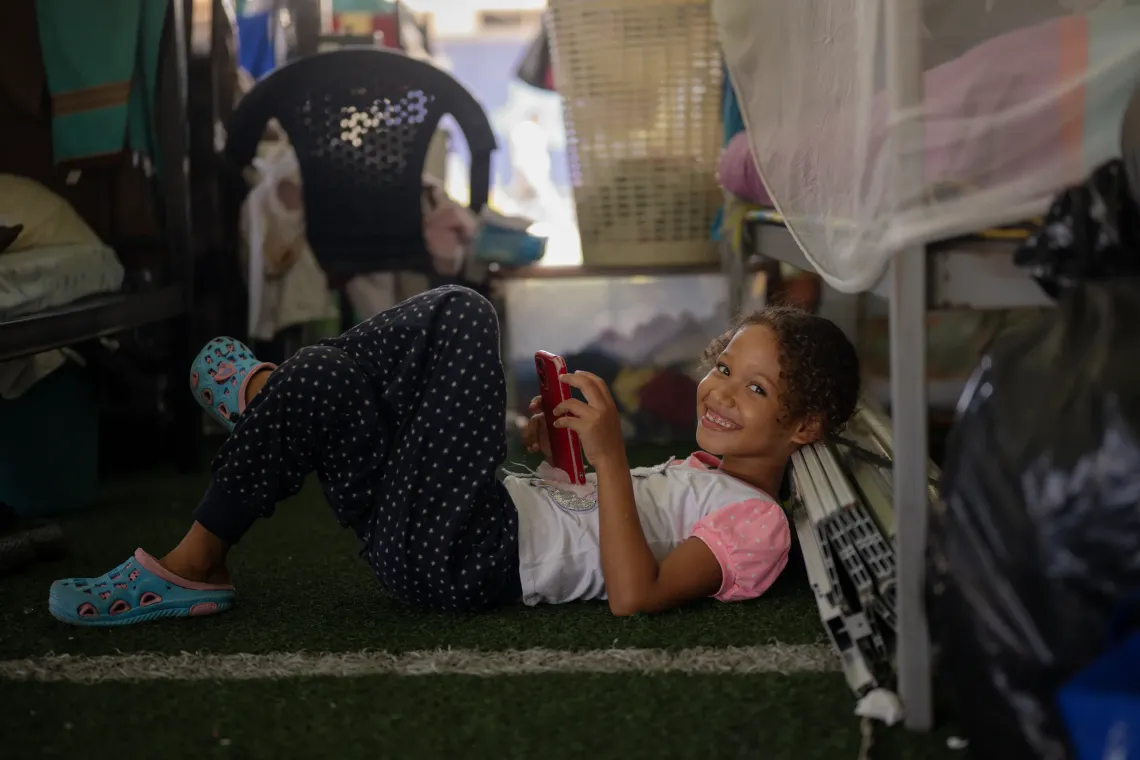
When it is time to stop playing, a familiar negotiation begins. Mercedes calls him. He asks for half an hour. When she comes back for him, he asks for another half-hour.
She explains why she needs to know where he is: if she hears a fight and cannot see him nearby, she runs to look for him. He insists that he wants to play. Together, they are working out the rules.
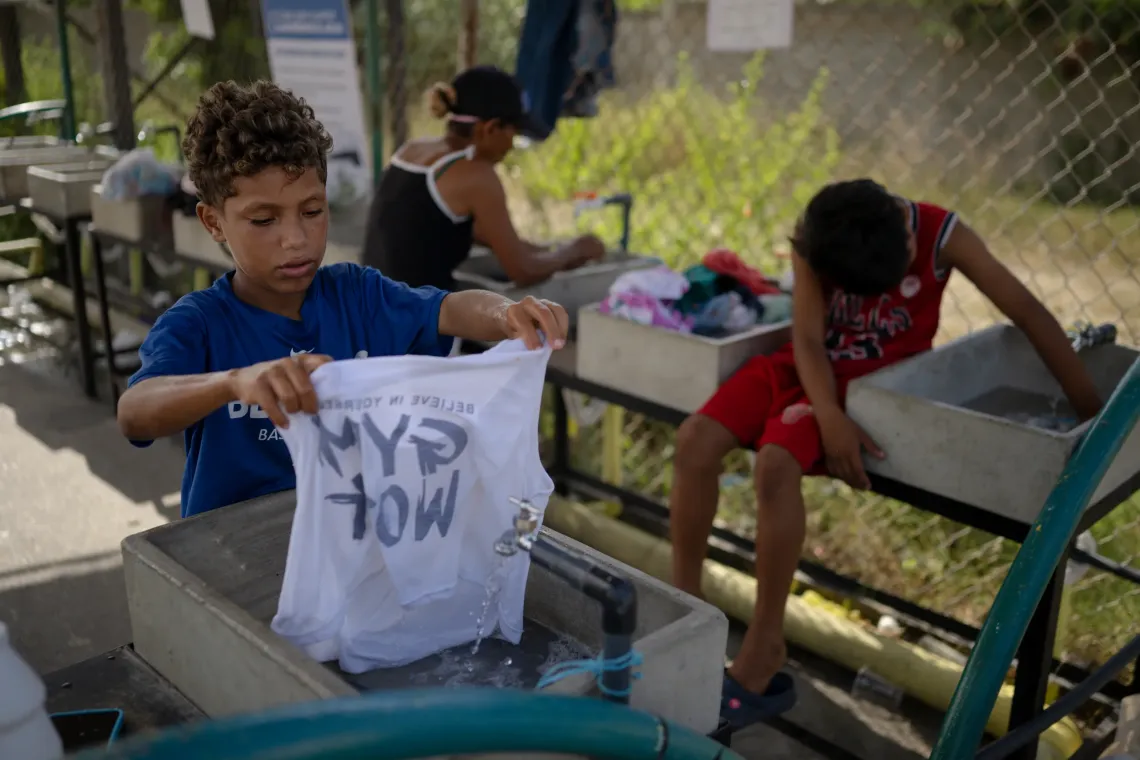
“She loves me and gives me advice,” says Damián. Sometimes he helps her with the laundry. He argues with his cousins over the things they share, but they also enjoy preparing green mangoes with lemon, vinegar and chilli. He says they can spend an hour chopping them until they fill a large cup.
Learning to care
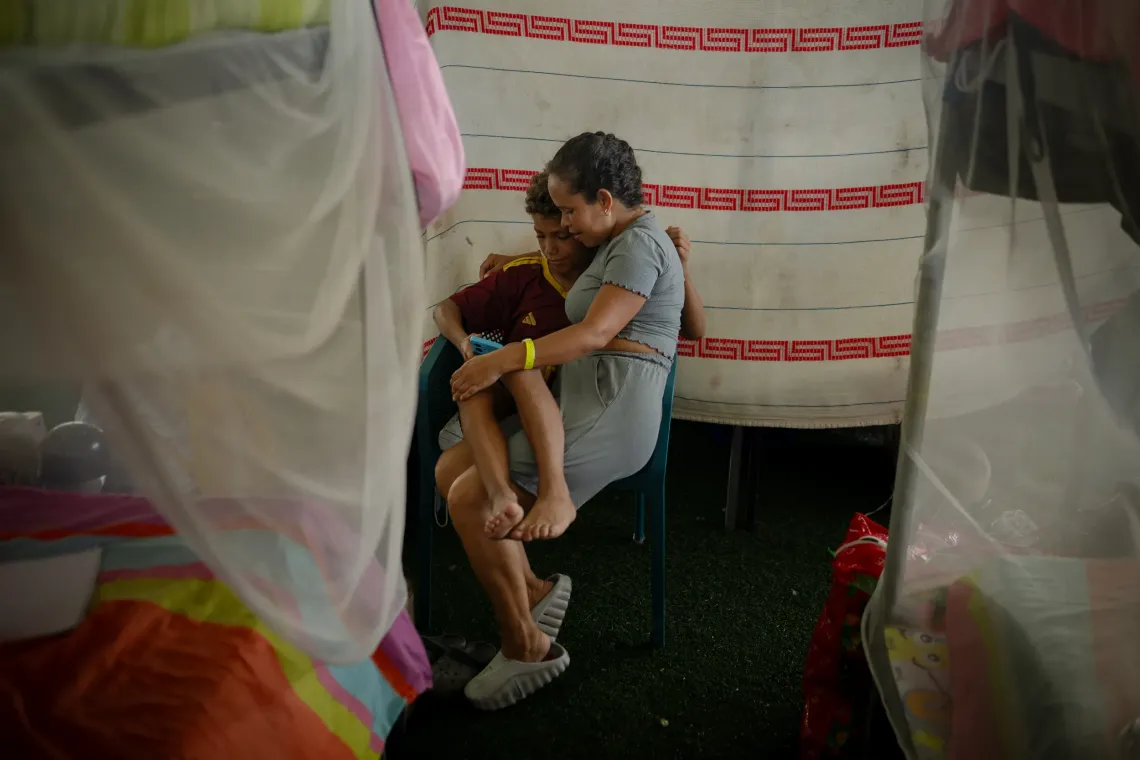
“I asked for help,” says Mercedes.
She consulted a psychologist to learn how to support them. At first, she let Damián spend longer on the phone so that he would stay close to her. Her daughters protested: why was he allowed? The guidance is helping her set the same rules for everyone.
She also tries to wait until tempers have cooled before talking things through. “I sit down and explain,” she says. It is not always easy. She is raising children while grieving her sister’s death and the loss of her home.
Aracely David, a social worker specializing in child protection at Fundainil, the organization delivering these activities with UNICEF support, explains that families need support as they grieve. They also need parenting tools to manage jealousy, resolve conflicts between cousins and adjust to living together.
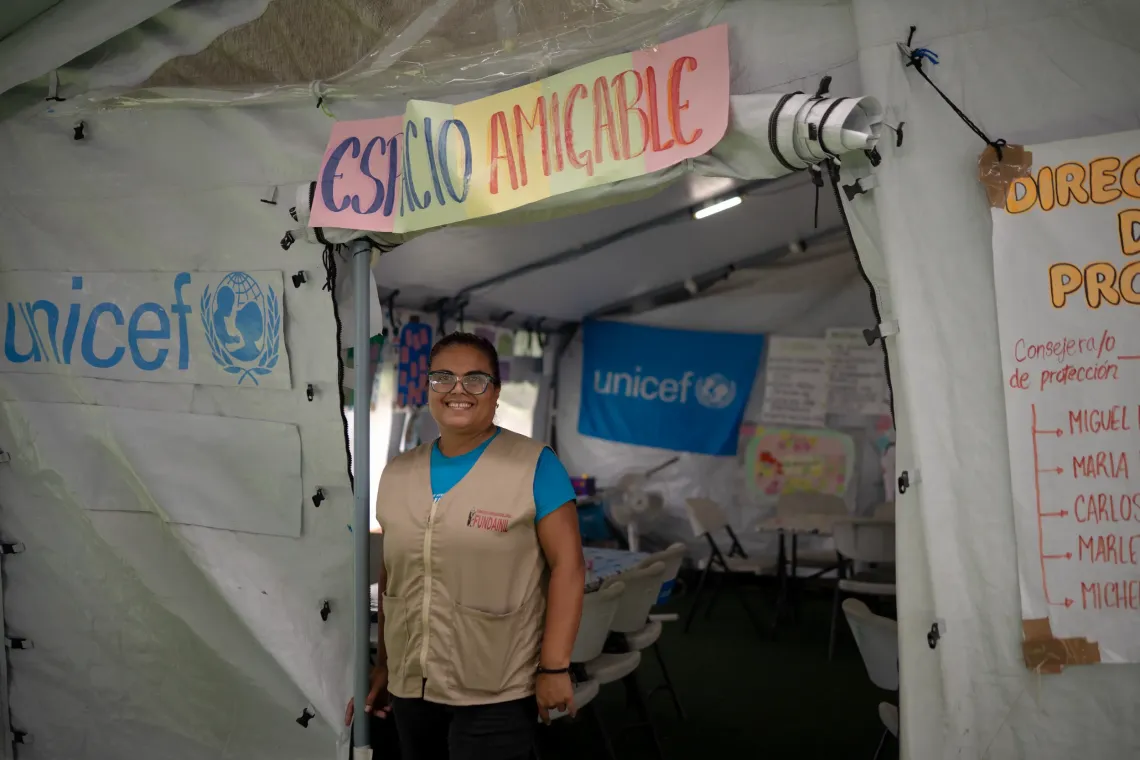
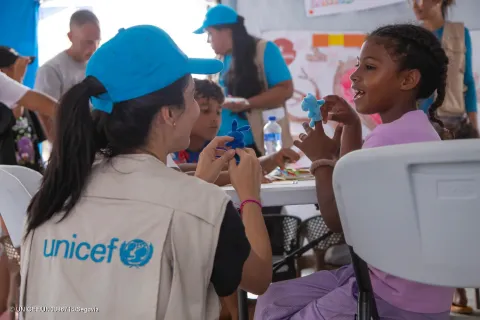
With UNICEF support, Fundainil provides psychosocial support for children and adolescents at the camp’s child-friendly space. Through play, sport and art, it promotes caring, respectful relationships and helps children recognize violence and learn how to seek help. Parents and caregivers receive guidance on managing emotions, practising positive parenting and adjusting to changes in family life. This support also aims to prevent family separation and facilitate access to local child protection services.
Damián mostly takes part in the sports and recreational activities at the space, Aracely says. When the team identifies a need for psychological care or a risk of violence, it refers the case to the authorities and programmes providing the relevant services. This helps connect families with the specialized care they need.
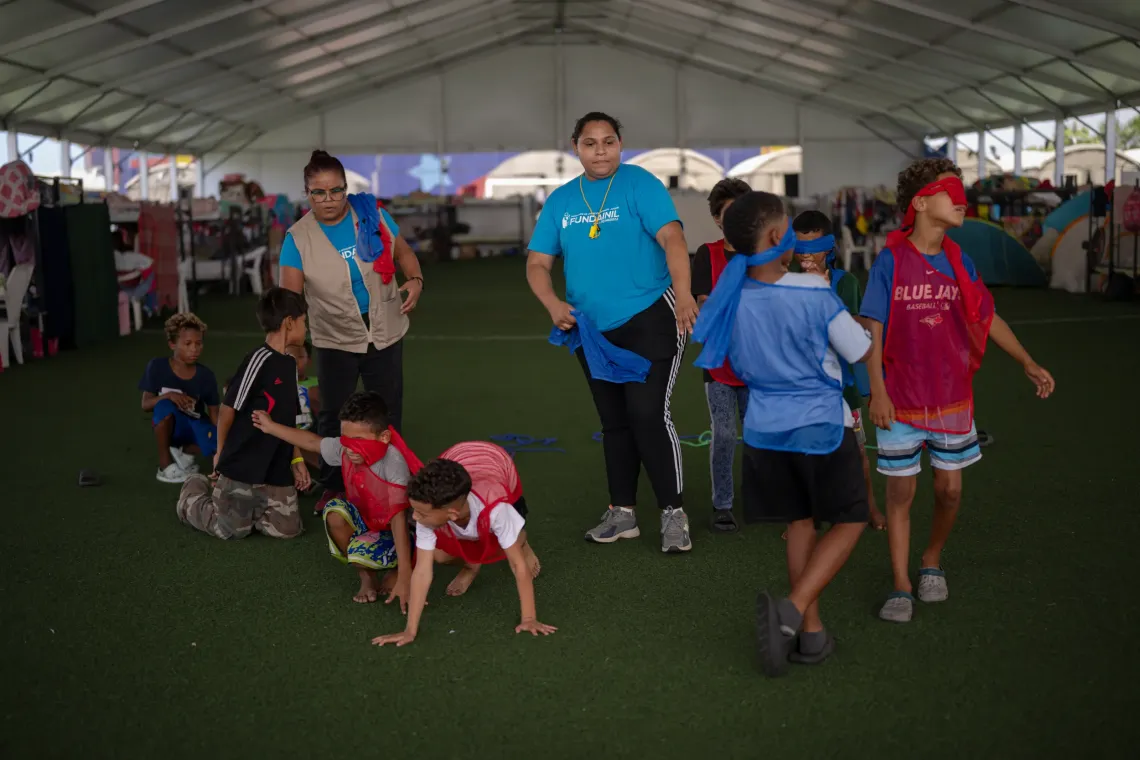
“Supporting children and adolescents through grief also means supporting those who care for them. Families need spaces where they can be heard and tools to cope with the changes that loss brings, while children need time, affection and safe environments where they can express their feelings, play and continue to grow. Timely support can help strengthen their resilience and hope,” says Wendy Torres, Child Protection Officer at UNICEF Venezuela.

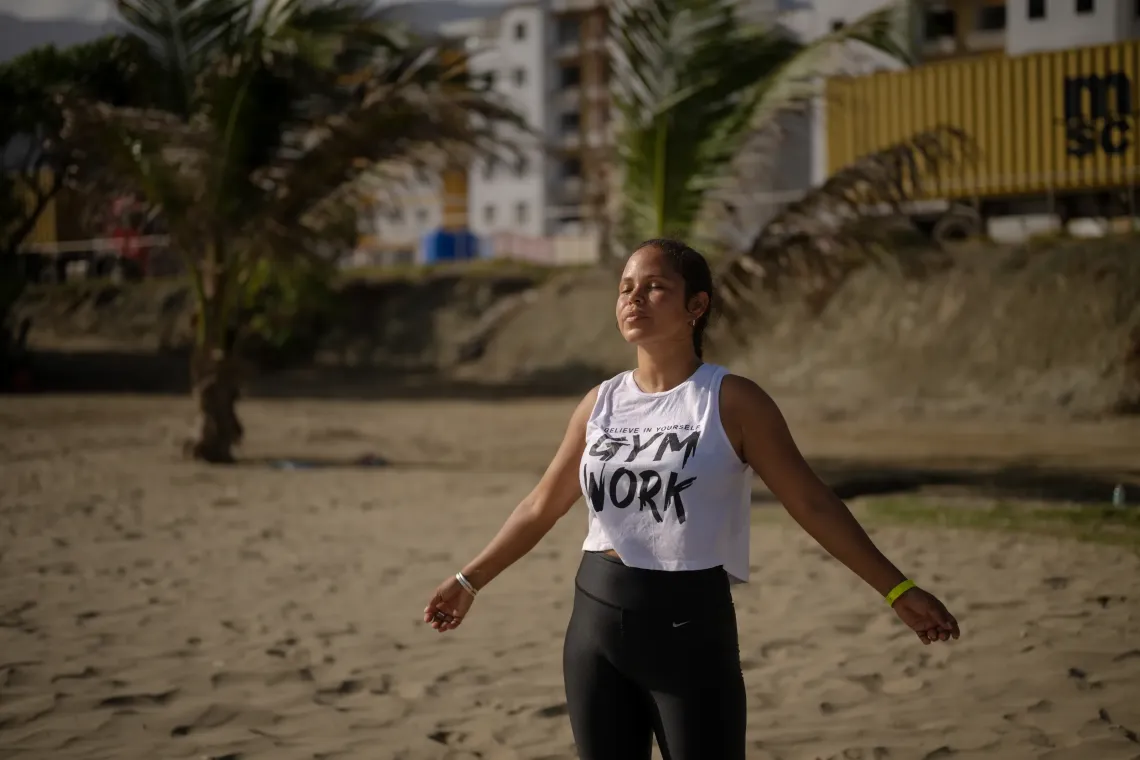
Mercedes also needs time for herself. She walks along the coast and listens to the waves. When she feels overwhelmed, she does breathing exercises. For now, her sister Franci can look after the children while she runs errands, but soon Franci will have to return to her own children.
The family life they imagine
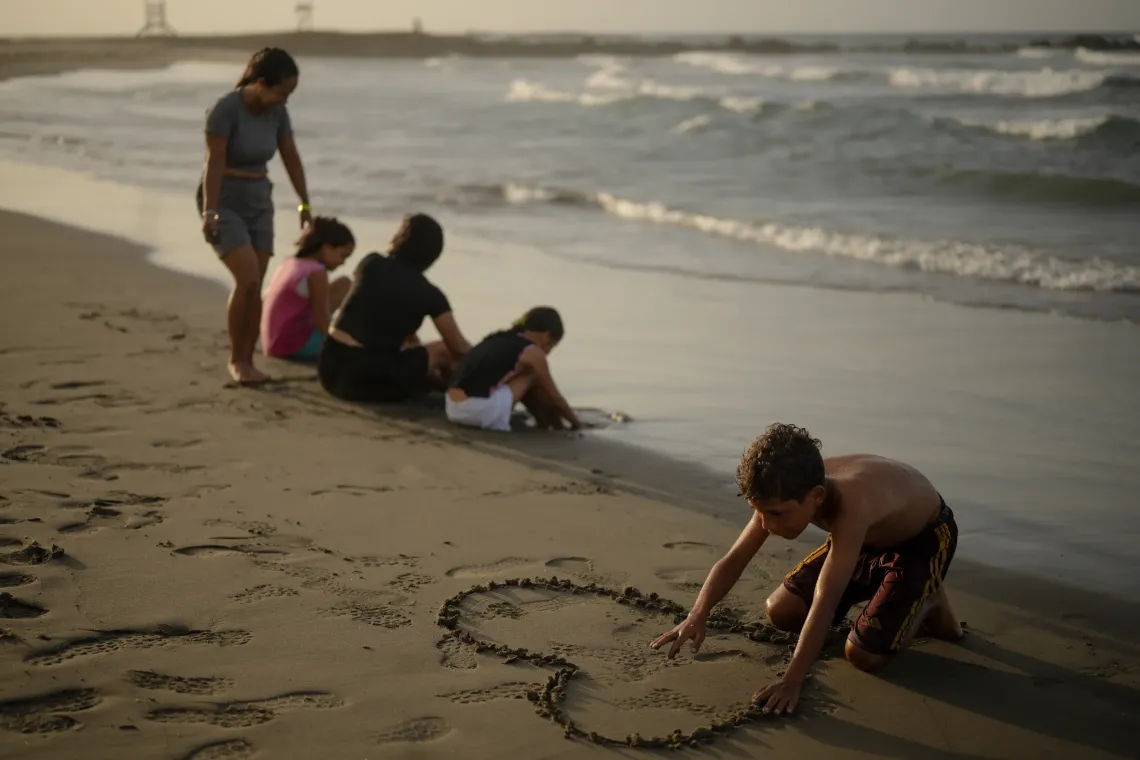
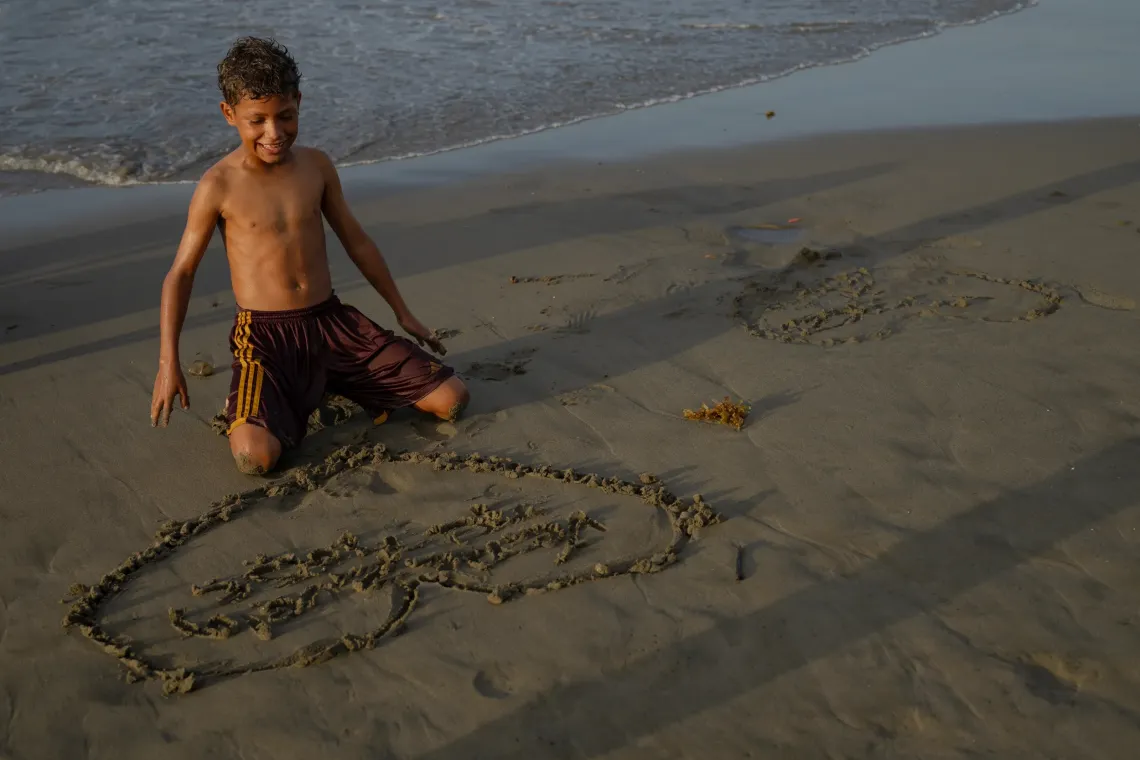
Mercedes imagines a house. She thinks about the rooms, the chores they will share and what life with all four children will be like. She already anticipates arguments over space and calling out for someone to do the washing-up. She imagines tidying everything and jokes that she will be Damián’s Cinderella.
She also imagines the family cheering him on from the stands if he becomes a footballer. She wants to help him develop discipline without losing what she loves about him.
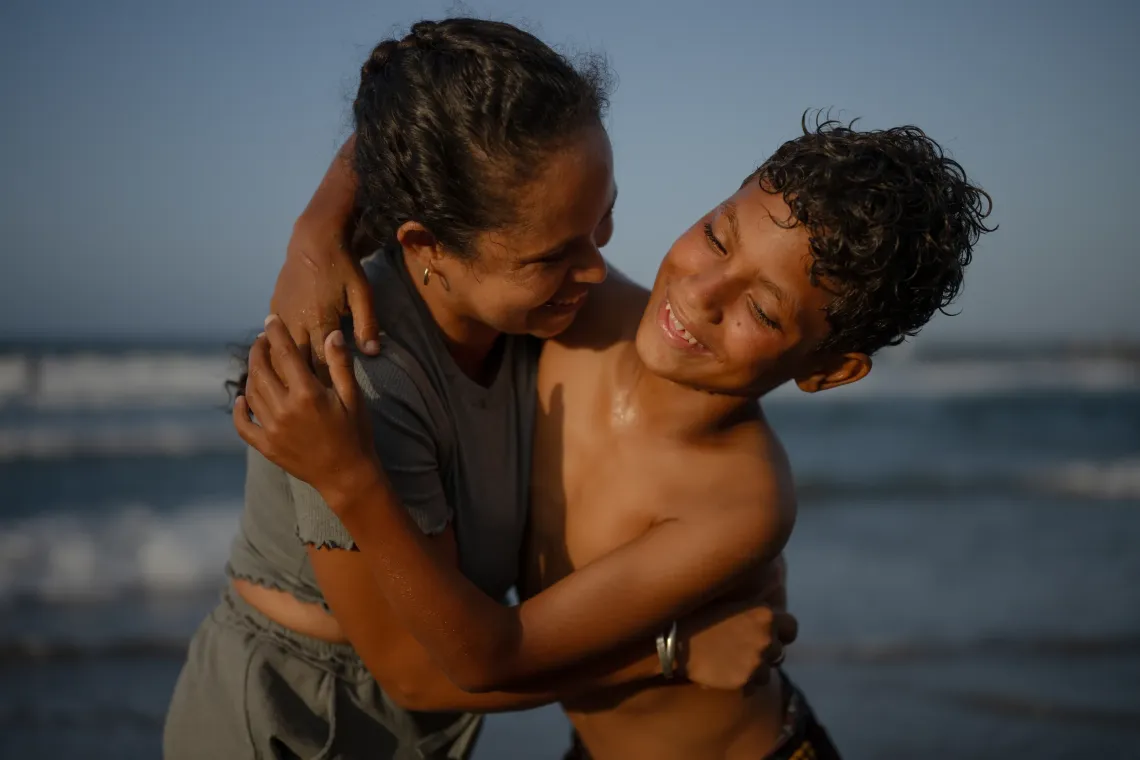
“I don’t want to take away what makes him who he is”
Mercedes describes each child through the bond they share: “Mercy is my strength. Mercely is a sweetheart; she’s the one who looks after my little cuts and scrapes. Damián is love, pure love. That boy is such a strong pillar in my life.” She describes María as “a girl full of love and tenderness”. “They’re all my children,” she adds.
Damián wants to see his sister. They speak on the phone from time to time, and he saves sweets for her for when they are together again. He also wants to go back to the river and the beach, to the places he used to visit with his mother.
For now, they remain at the camp. Being reunited with María and having a place of their own are hopes still to be fulfilled. In the meantime, Mercedes and Damián are learning to listen to one another, share chores and make time to play.
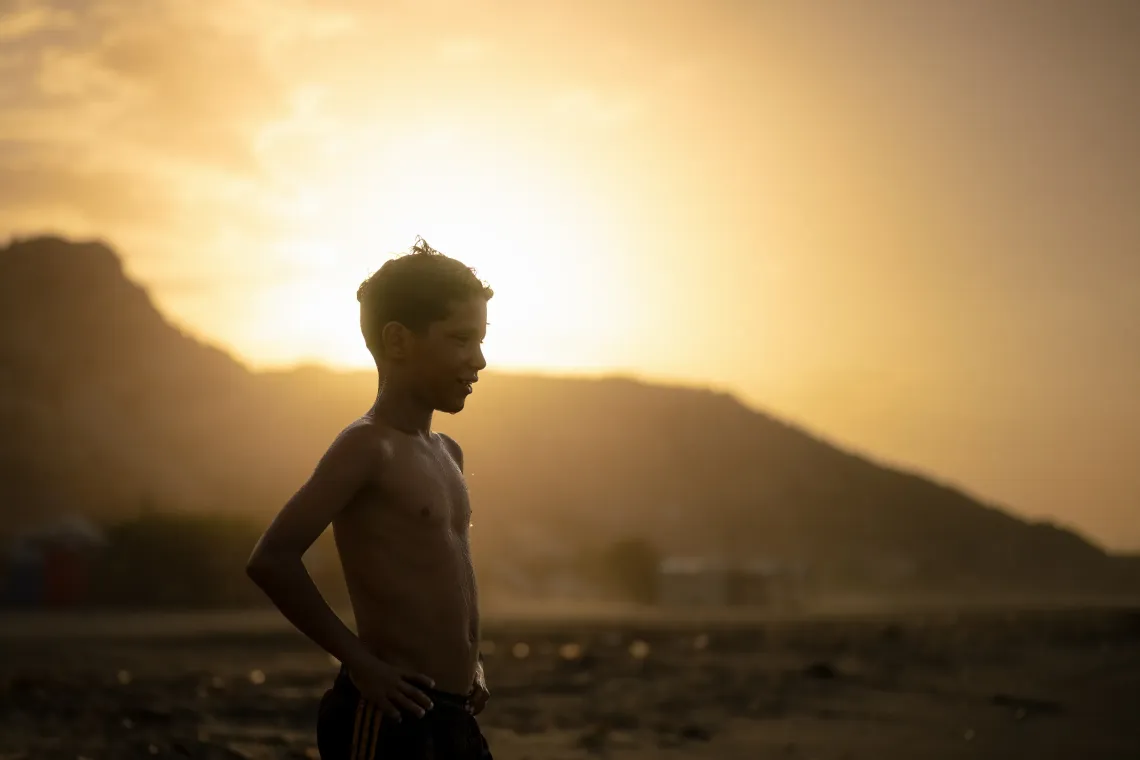
Damián knows exactly what he wants: “I want to be a footballer and a drummer.”
Damián is clear about two things he wants: “I want to be a footballer and a drummer.” He already imagines winning a trophy and celebrating with music and dancing. For now, he watches, practises and tries again to master the rhythm he finds difficult. “I want to learn more,” he says.
UNICEF, together with Fundainil, supports children like Damián and their caregivers through psychosocial activities, parenting tools and guidance on accessing specialized services when needed. Sustaining that support helps Damián keep learning and playing, while Mercedes finds ways to care for her family and herself.