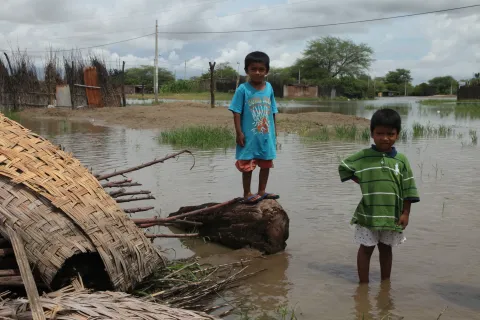
Between what is returning and what is still missing: four stories from La Guaira
Two months after the earthquakes in Venezuela, children and families are gradually reclaiming their routines, while UNICEF and its partners sustain essential services and support them on the path to recovery.
- Español
- English
What has changed in two months
The earthquakes of 24 June caused damage in Caracas and in communities across the states of Aragua, Carabobo, Falcón, La Guaira and Miranda. In La Guaira, one of the hardest-hit areas, some families remain in temporary camps beside the buildings they were forced to leave, while access challenges have worsened in rural communities.
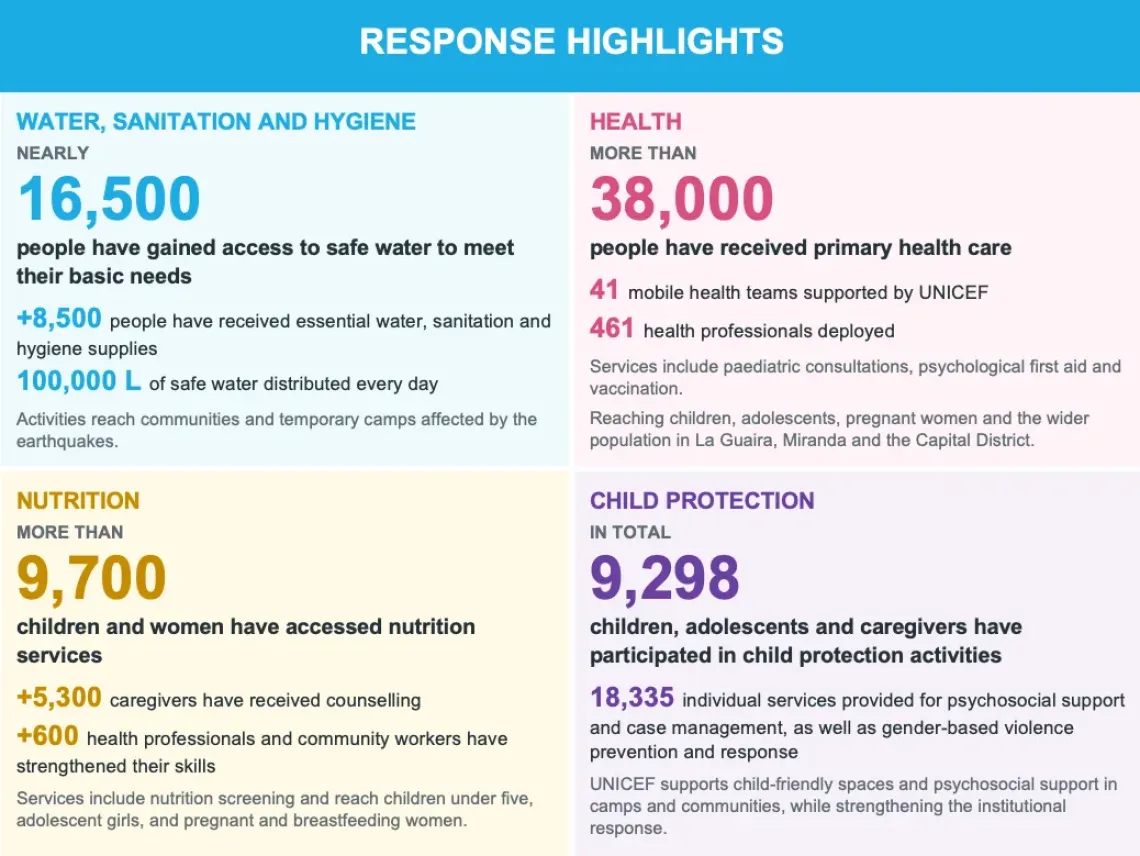
During the first weeks, the priorities were immediate: securing water, health care, vaccination, nutrition and protection. Since then, with support from UNICEF and its partners, water has reached camps that previously had none, mobile health teams have reached hard-to-access communities, and children have found safe spaces for care and psychosocial support. These gains are helping families restore routines and reduce risks.
“Two months on, the emergency continues, but needs are changing. Alongside essential services, a safe return to school, continuity of health care, emotional recovery and living conditions in the camps are becoming increasingly important. UNICEF is maintaining immediate assistance while supporting families, communities and institutions on the path to recovery.”
Mare Abajo: living beside what was lost
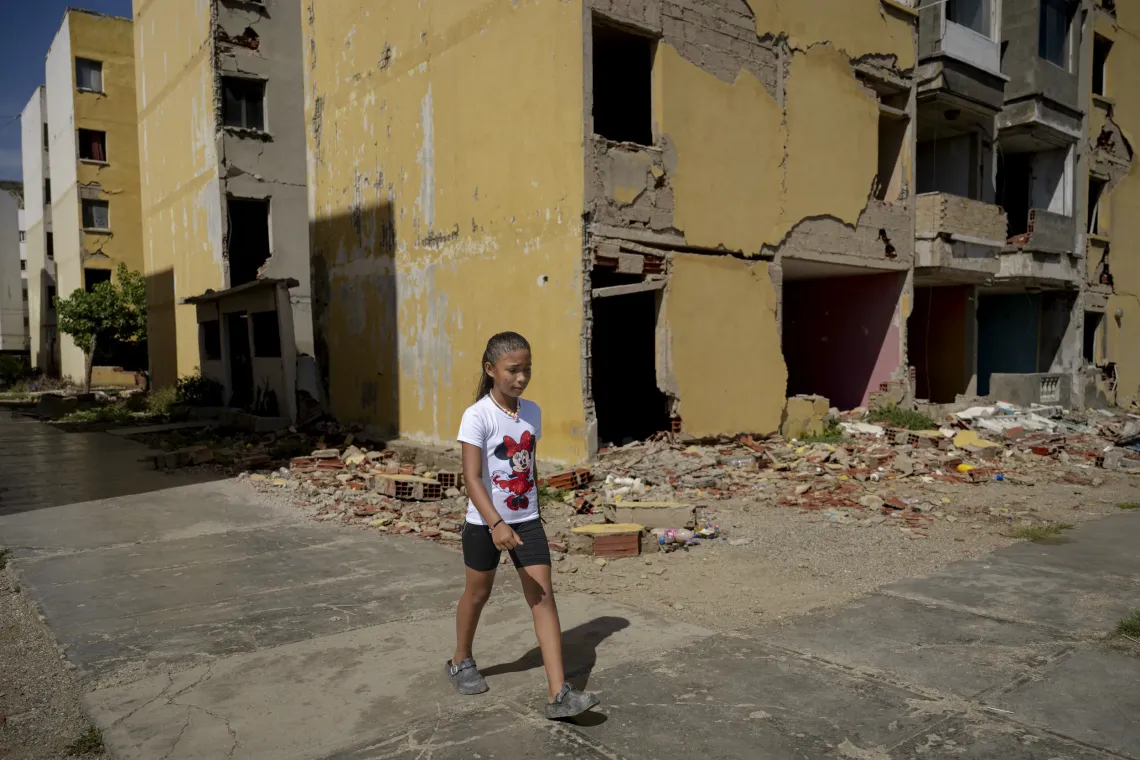
Every time Derwimar walks through the Mare Abajo camp, she passes the building where her apartment once stood. She now lives in a tent with her grandmother, grandfather, two brothers, two aunts and Panchito, her parrot.
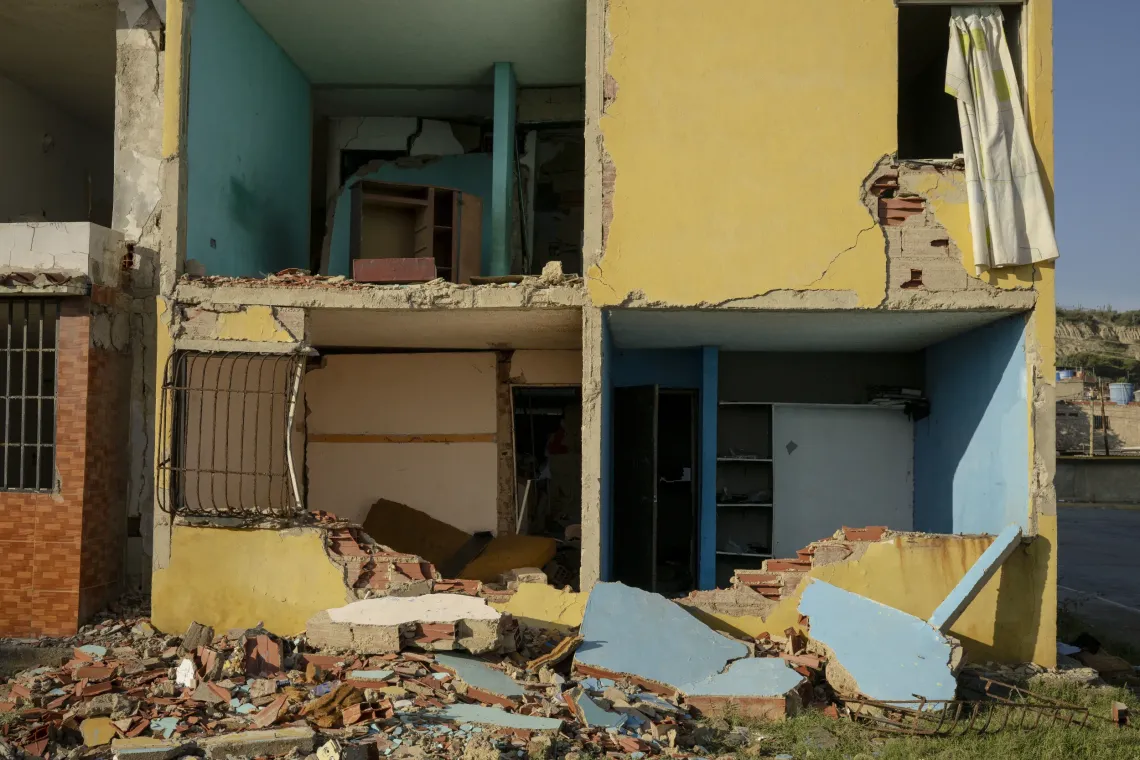
“We slept outside because we were scared. The next day, our grandmother came to get us, and when they gave us the tent, my grandmother set everything up, and my grandfather helped too.”
Cruz Felipe Iriarte School, where Derwimar studies, was also damaged. She enjoys giving presentations, mathematics and earning good grades. Although she still does not know when she will be able to return, she knows exactly what she misses most.
“What I like most is drawing and doing homework.”
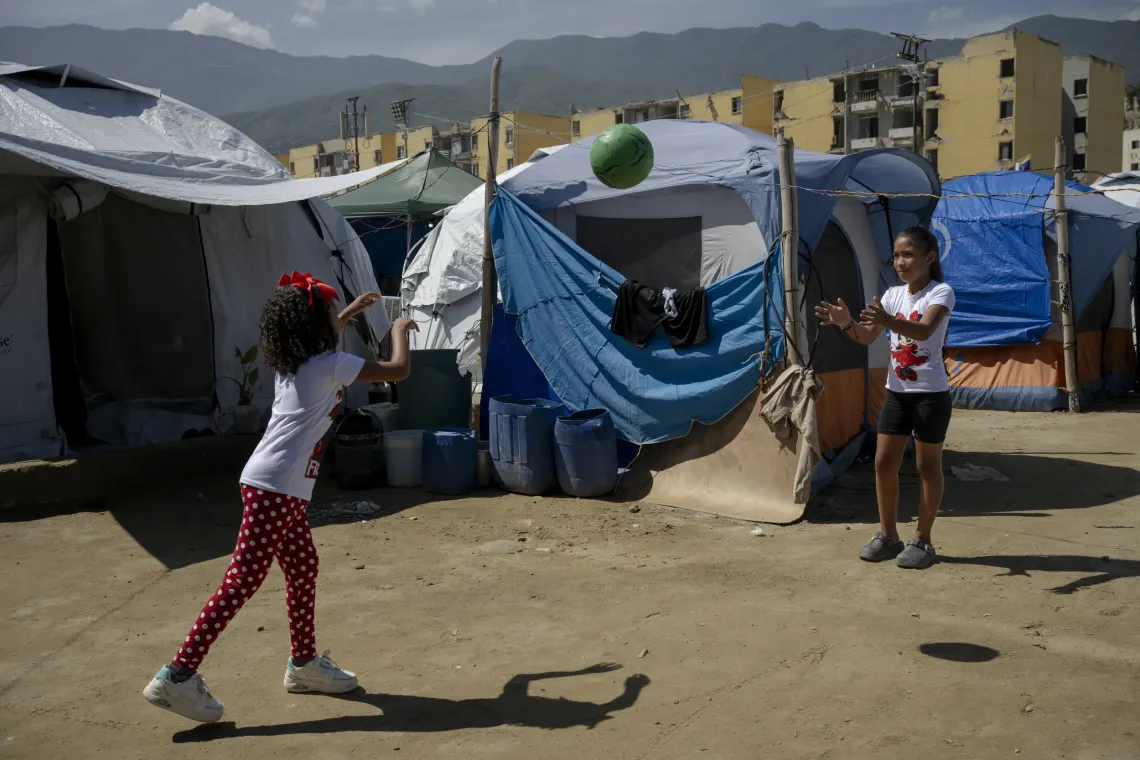
In the camp, family ties help sustain daily routines. Ana Milena is Derwimar's aunt, but because they are close in age, they are growing up more like sisters. Ana lives in another tent with her mother and father. She keeps her toys in a bag while she waits to have a room where she can arrange them again.
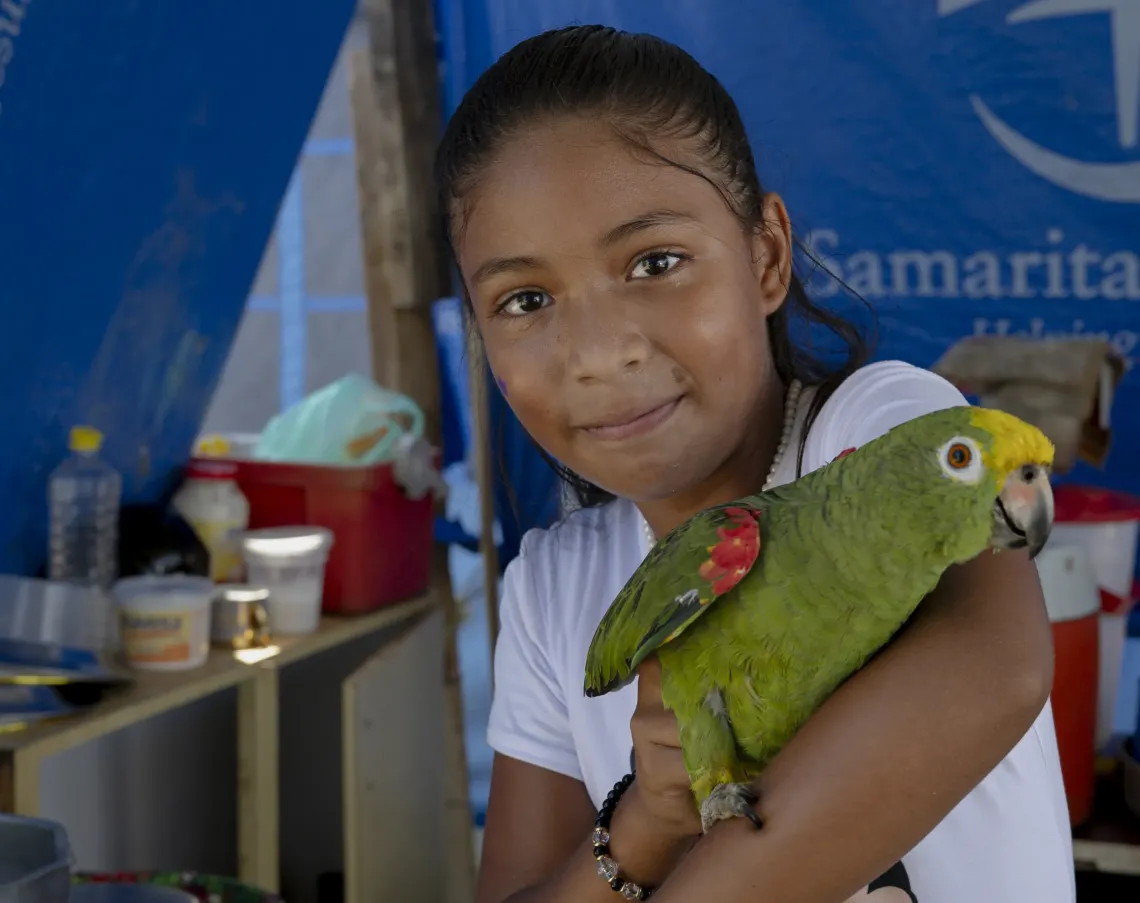
Panchito is part of the life Derwimar has been able to hold on to. She feeds him and makes sure dogs and cats stay away while he sleeps. There is a bond of trust between them, which Derwimar sums up simply: “He only lets me hold him.” When she grows up, she wants to care for other animals: she dreams of becoming a veterinarian.
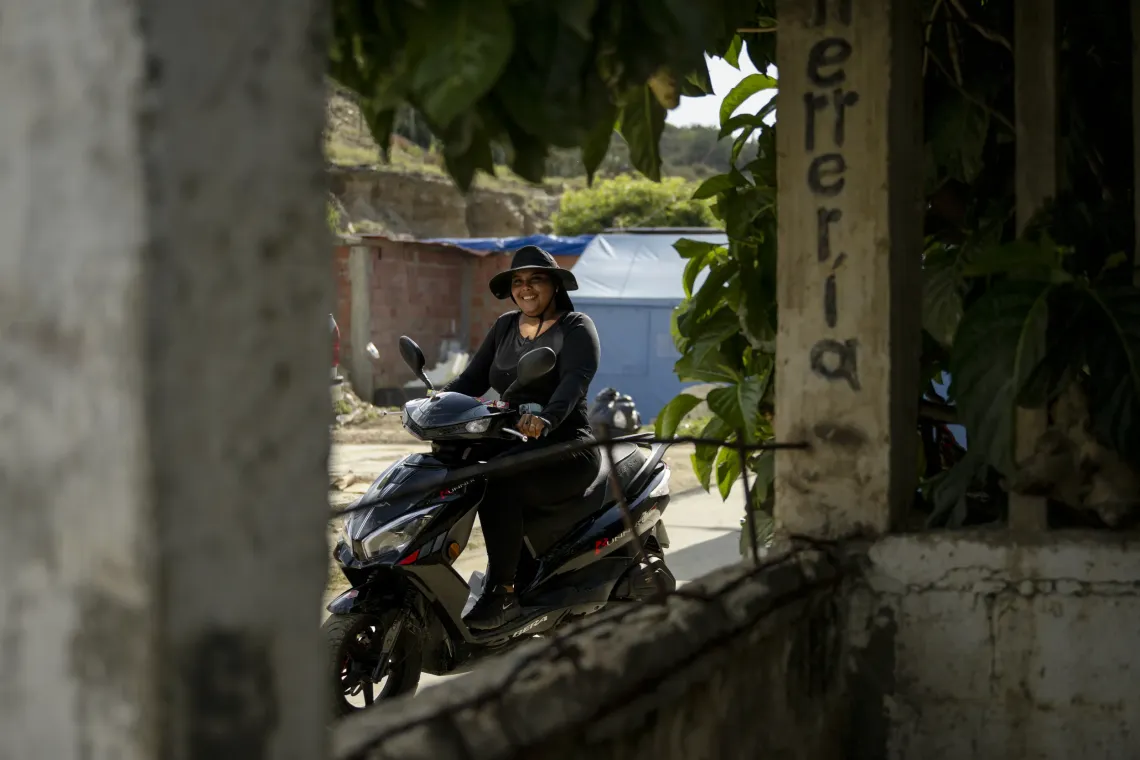
“Derwimar is an excellent student. She is a girl who gives me strength, courage and motivation.”
On the afternoon of the earthquake, Karina Ramírez got on her motorcycle to look for her relatives. She found Derwimar and took the girl and her brothers to her home. They stayed there for about eight days, together with other families. Later, Karina and other teachers organized temporary activities so children could spend a few hours learning, playing and being with their classmates again. These activities help them regain a routine, but they are no substitute for returning to school. Two months on, restoring safe learning spaces is becoming increasingly important.
When water arrives
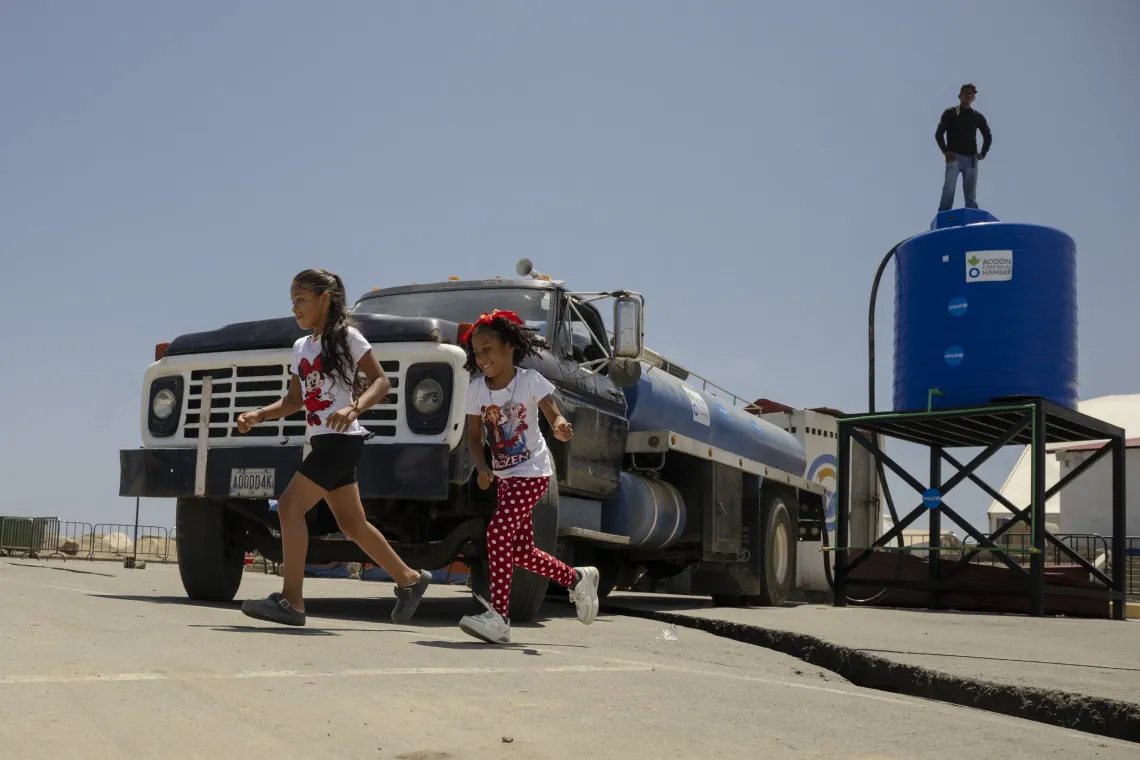
During the first days in the camp, families had no water. Derwimar had to return to her teacher's home to bathe. With the installation of water tanks and deliveries by water truck, water became part of a new routine: filling buckets and containers, washing hands, cooking and finding relief from the intense heat inside the tents.
“Since we have had water, things are better because children like me can wash our hands and bathe. Now we can do the things we normally do.”
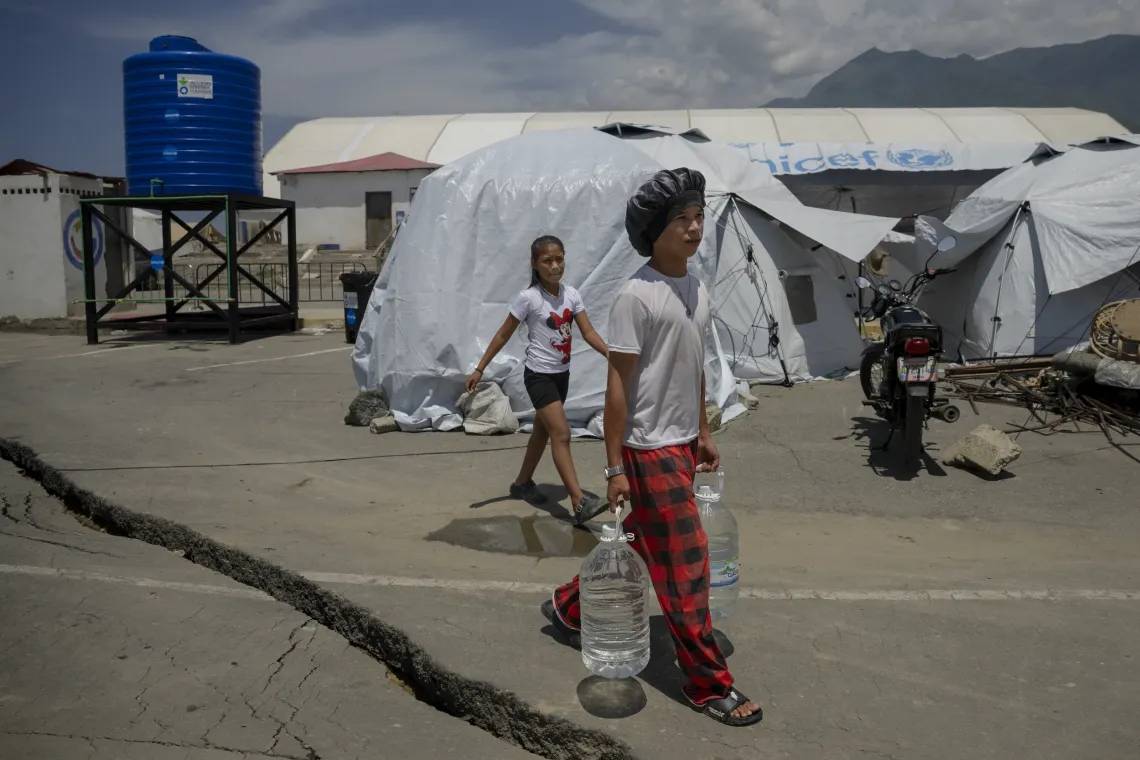
In Mare Abajo and other temporary camps, UNICEF works with the authorities, partners and communities to expand access to safe water, sanitation and hygiene. Water deliveries, storage points, sanitation services and hygiene items have changed daily life compared with the first days of the emergency. However, the supply still depends on temporary solutions. Maintaining these services while families remain in the camps and moving towards more sustainable systems will be essential in the next phase.
A health team on the way to Las Lapas
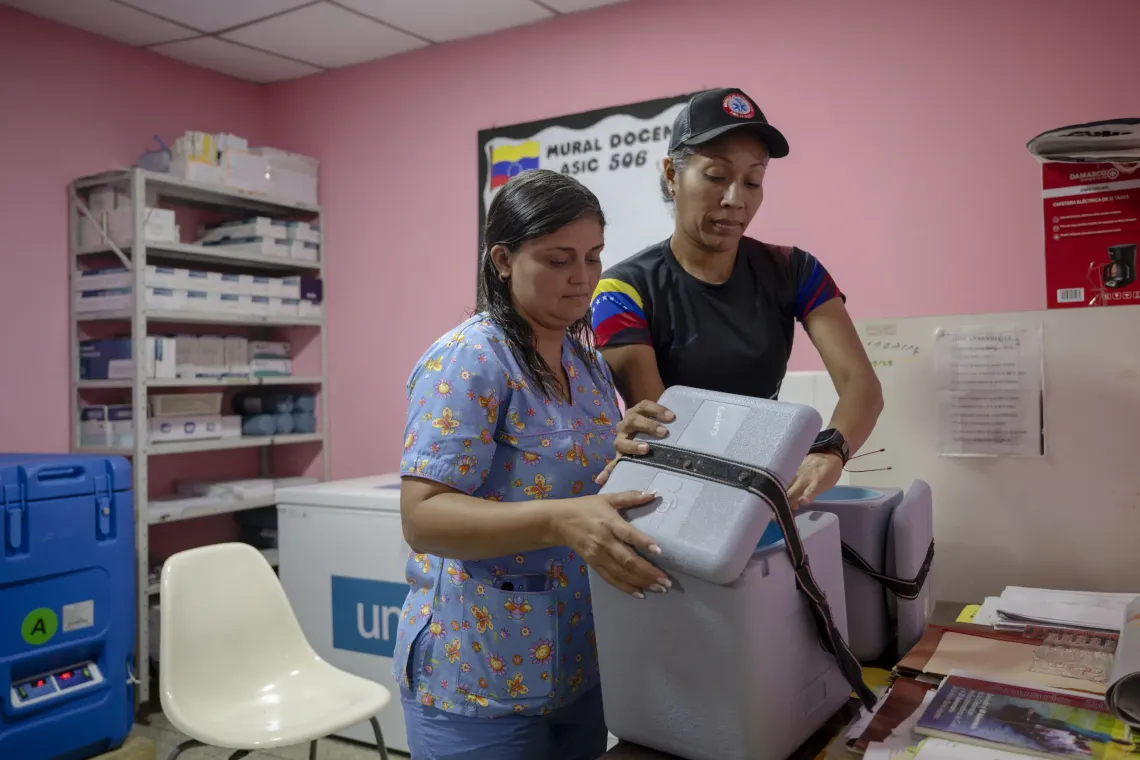
In Las Lapas, a rural community in Carayaca, reaching a health facility can take more than an hour on foot, and there is no regular transport route. Some sections of the road deteriorated further after the earthquakes. With logistical support from UNICEF, local teams bring vaccination, nutrition, general medicine and other services directly to communities where many families are unable to travel. Beyond overcoming an immediate access barrier, the visits help identify who needs follow-up and ensure continuity of care.
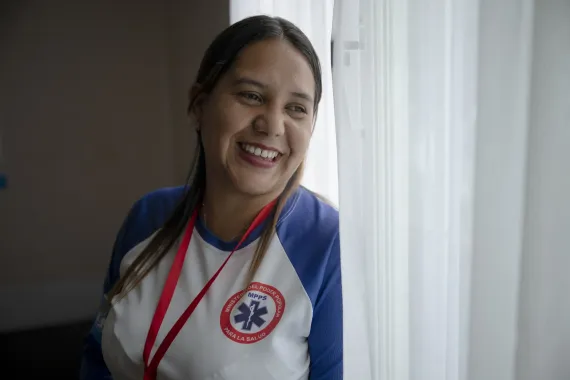
Yoselin Blanco, a registered nurse and Coordinator of the Expanded Programme on Immunization for Comprehensive Community Health Area (ASIC) 506, under the Ministry of People's Power for Health (MPPS), starts her day at five in the morning. Before each visit, her team identifies priority communities, contacts families and organizes the transport of vaccines without interrupting the cold chain.
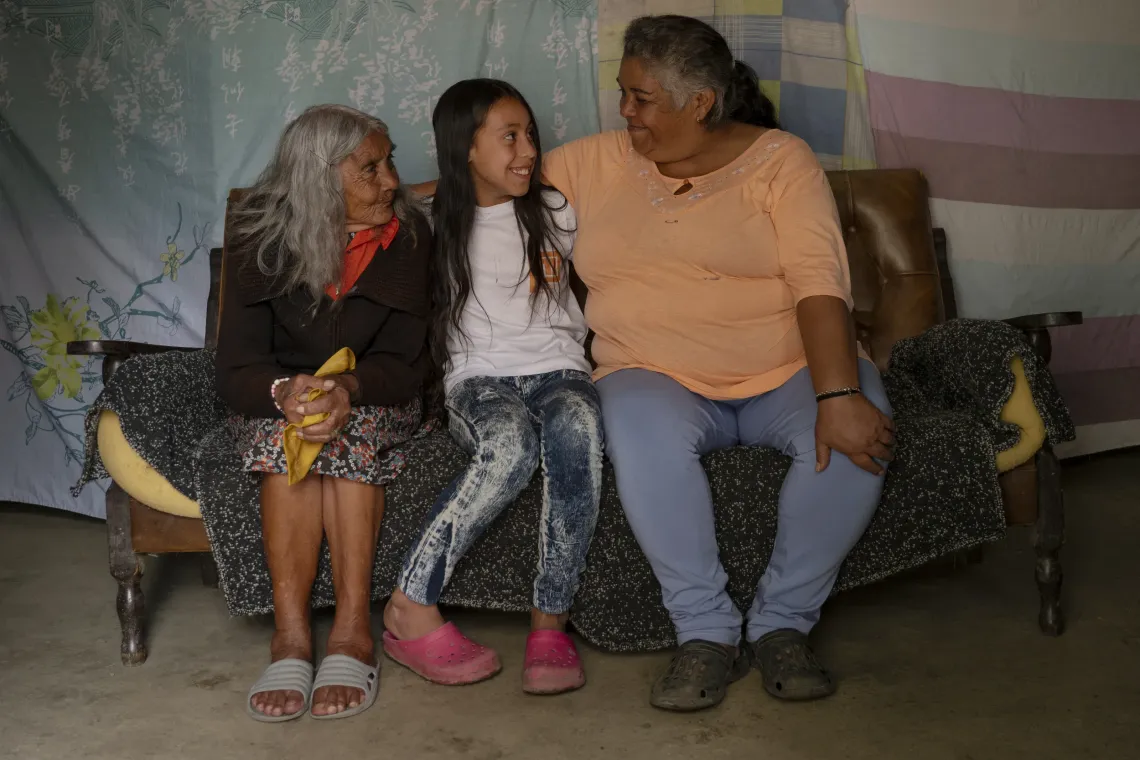
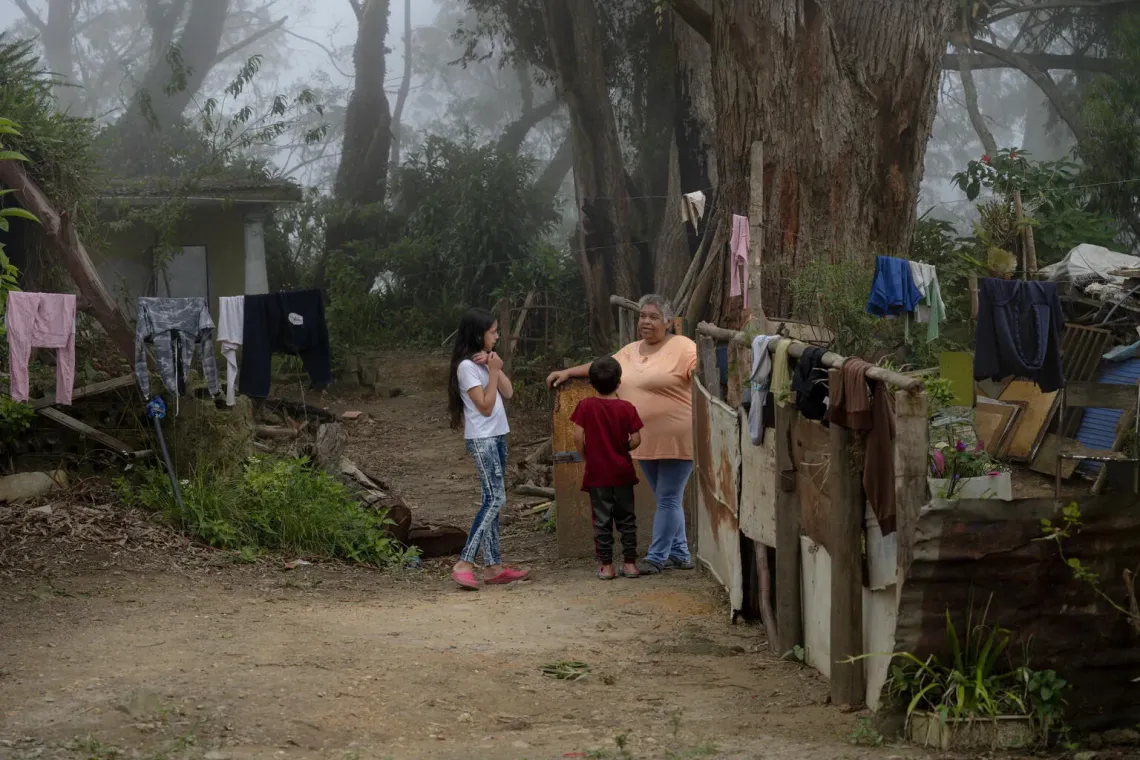
Yuleidy Fabiola lives with her grandmother Juliana, her great-grandmother, her siblings and other relatives. Since her mother died three years ago, she has called Juliana Mum. Juliana cares for her three grandchildren, her mother and a son who requires additional support.
“I like playing with my brother, helping my mum and reading.”
Yuleidy Fabiola's home was not seriously damaged in the earthquakes, but she remembers the fear. She was inside with her family, hoping it would end quickly. Her school was affected, but she has moved up to sixth grade and hopes to resume classes. At home, she helps sweep, wash dishes and water the plants, and supports her brother with his homework.
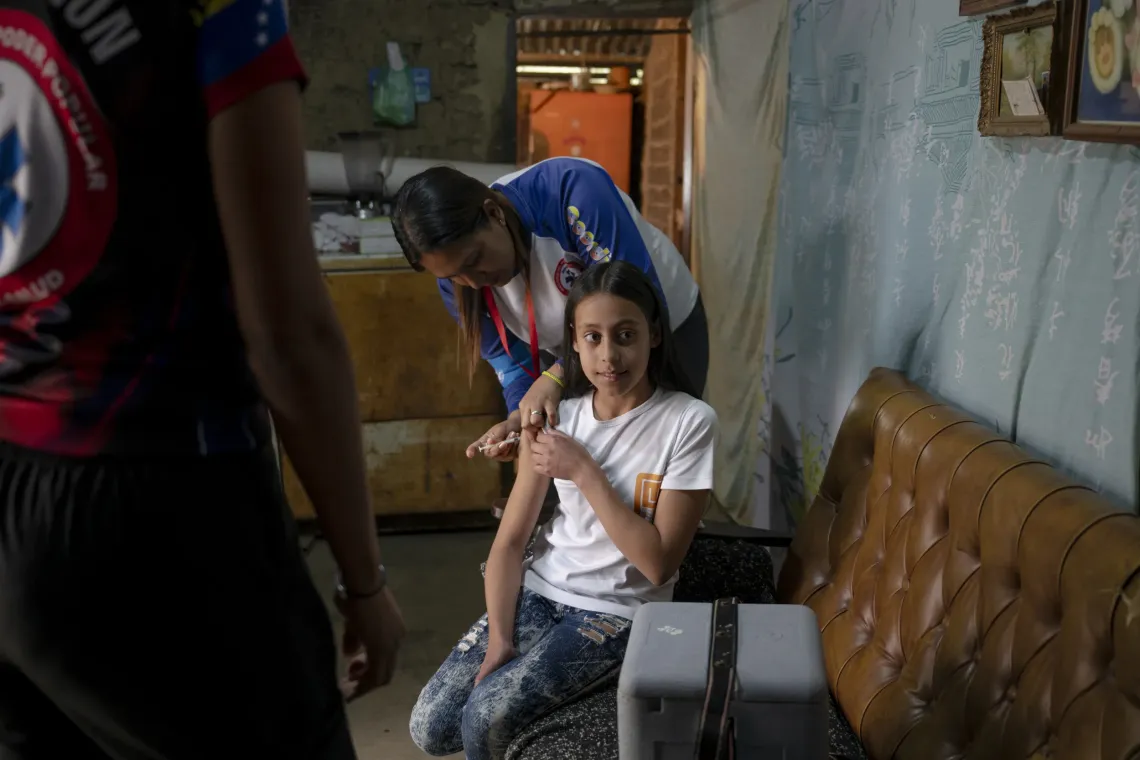
Yuleidy Fabiola did not have a record of the vaccines she received when she was younger. As she recalls, the last time she was vaccinated was at around seven years old, when her mother was still alive. Before the team's visit, she was nervous and unsure whether to be vaccinated.
“I will see if I get vaccinated. And my brother too.”
Yoselin sat down to talk with her. She explained which vaccine she would receive, what it was for and why completing the schedule was important. The nurse says this conversation is essential so that children and families can ask questions and make informed decisions with confidence. Finally, Yuleidy Fabiola held out her arm.
“I feel happy that the health team has come to my home today, because they care about you. They cared about us, about the fact that we exist.”
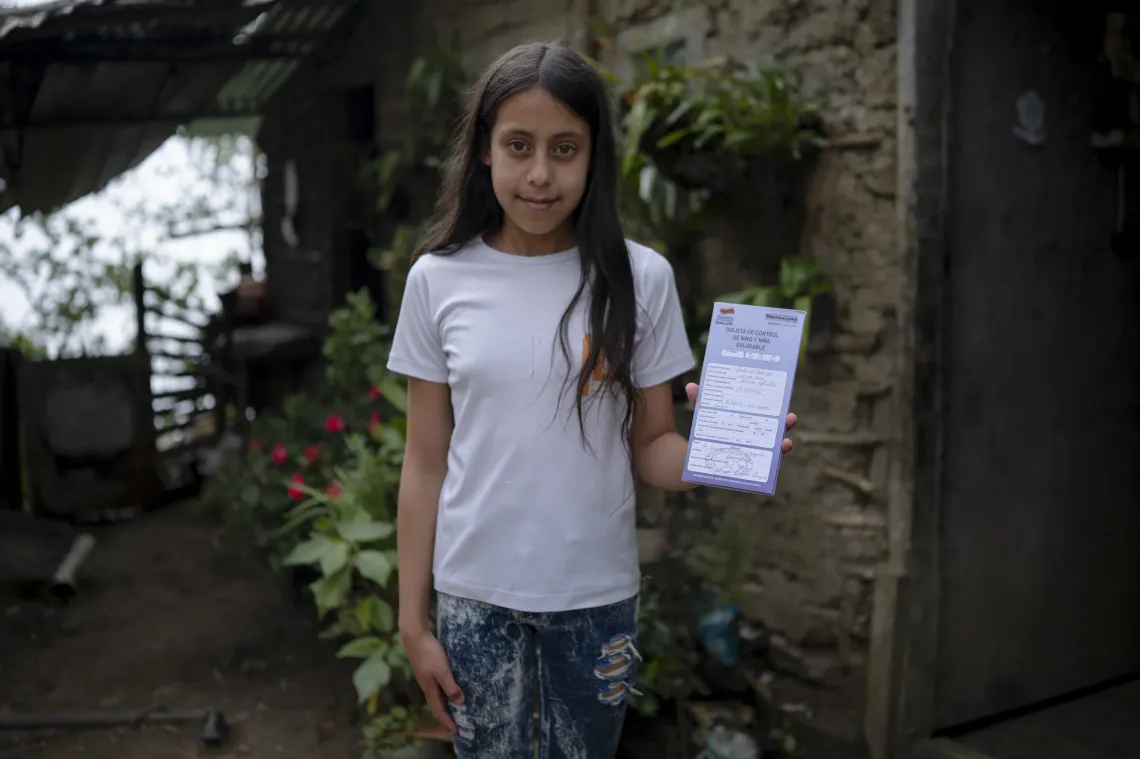
The new card records the vaccines administered and helps plan the next doses. Completing Yuleidy Fabiola's vaccination schedule will require follow-up and further visits from the team. For her, the encounter also connects with a dream: “I would like to be a doctor,” she says. She is drawn to a profession that, as she explains, “helps people.”
Spaces to care and regain calm
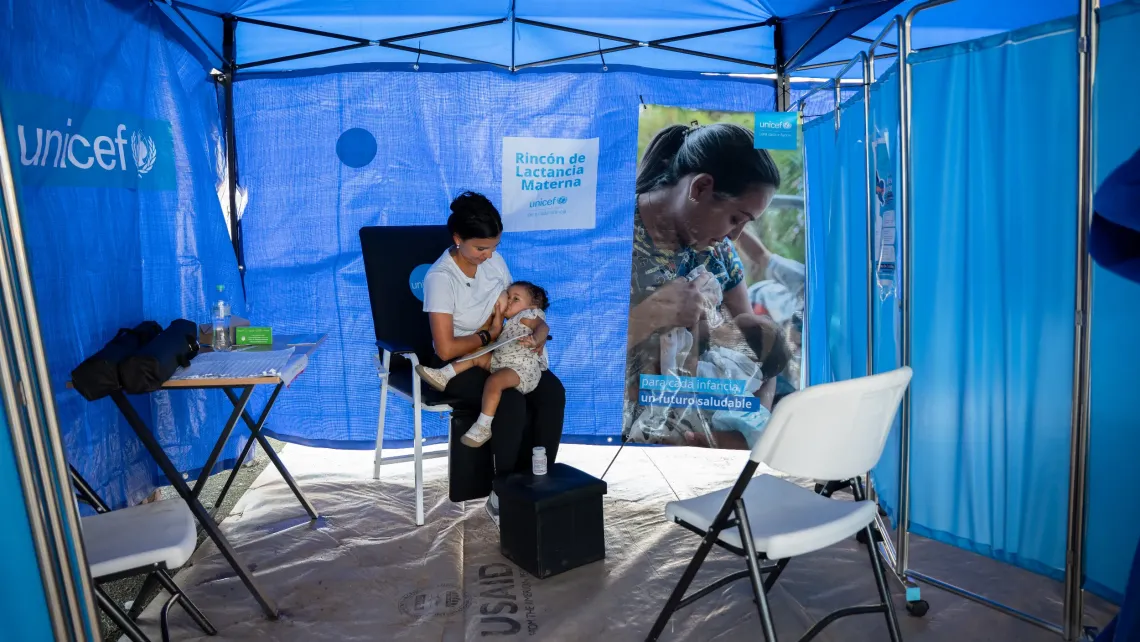
Jairibel arrived in La Guaira with her family a few days before the earthquakes, intending to begin a new chapter. The earthquakes changed their plans. Since then, breastfeeding her 18-month-old daughter, Belén, has allowed her to nourish and reassure her amid uncertainty. At this UNICEF-supported space, she also receives medical and nutritional guidance.
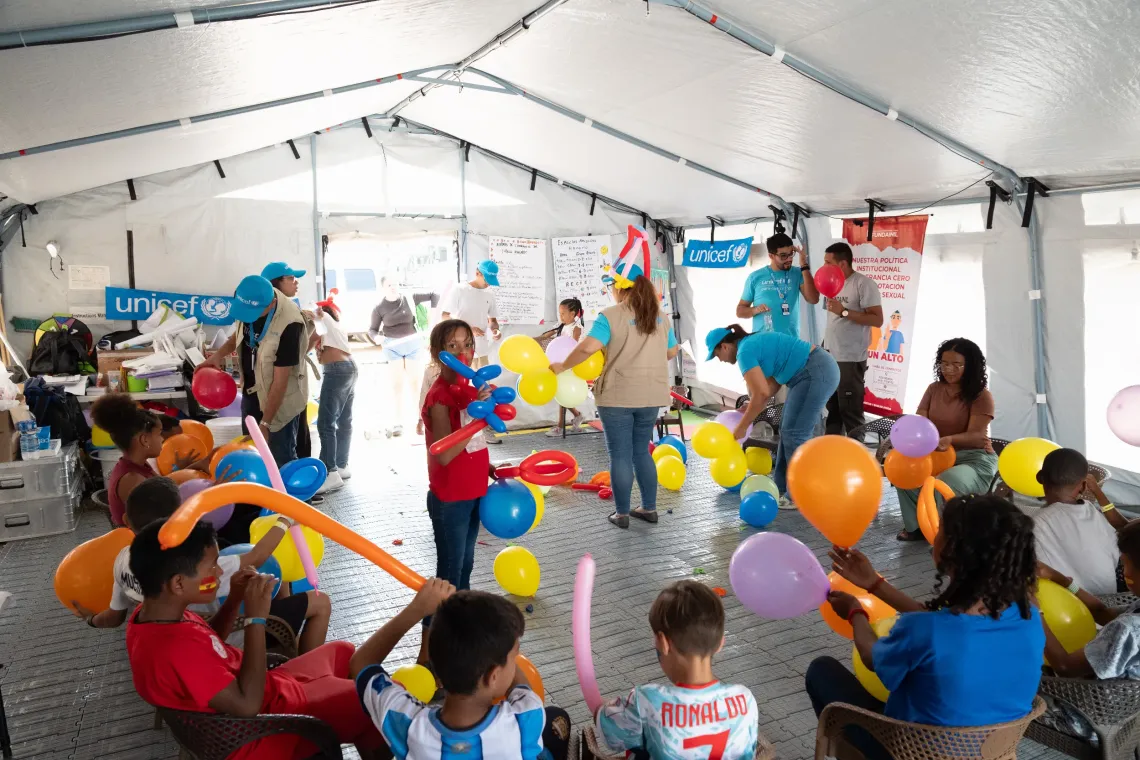
At UNICEF-supported child-friendly spaces, children find safe environments where they can play, spend time with their peers, express their feelings and receive psychosocial support. Through guided activities, they learn simple tools, such as breathing exercises, to manage stress and regain a sense of calm.
UNICEF's child protection support operates across three connected levels: in camps, through child-friendly spaces and psychosocial support; in communities, by bringing activities and services closer to families; and with institutions, by strengthening continuity of care. In this way, the immediate response also helps sustain the protection of children and adolescents throughout recovery.
Returning to the sea
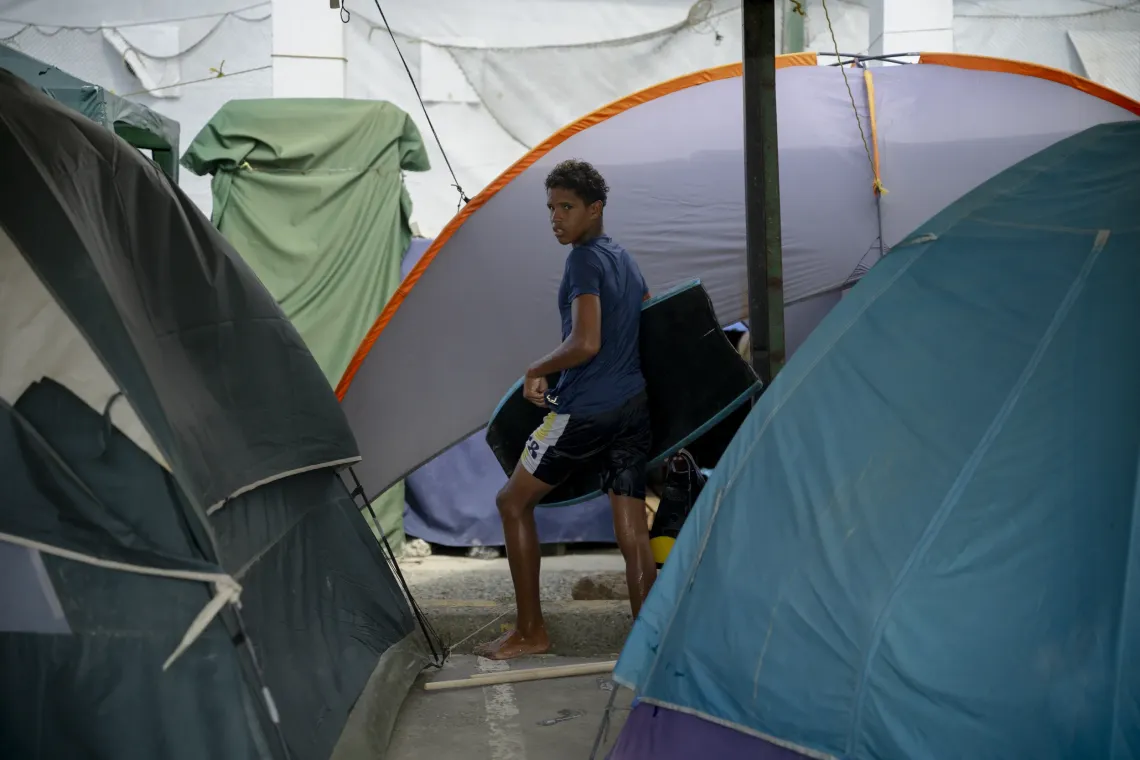
José Ángel was on the balcony when the earthquake began. The first thing he did was carry his two-month-old nephew to safety and help his mother and the rest of the family. He has lived in the Mare Abajo camp since that night. For the first three days, he says, they had no water.
Now, when he hears the water truck arrive, his mother asks him to take the hose. José Ángel fills four containers: one supplies the makeshift bathroom, built with wood and a sheet, while the other three remain outside the tent. Then he returns to what matters most to him.
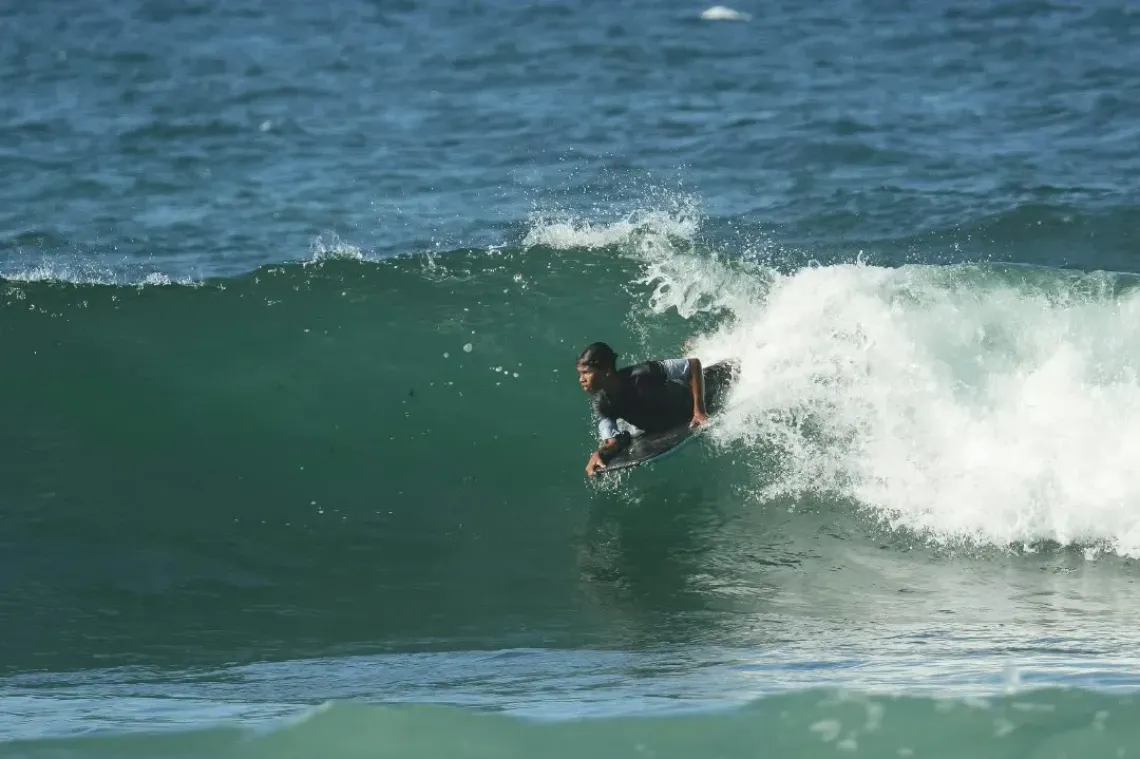
“Going to the beach calms me. When I go into the sea, I wait for the best wave so I can catch it.”
José Ángel has been surfing since he was six and has competed nationally. After the earthquake, he returned to the damaged building to retrieve his gear. The sea allows him to hold on to part of his routine and find a space of his own amid everything that has changed.
Returning to the sea is a sign of recovery, although José Ángel and his family still live in a tent and depend on services in the camp. His story shows how progress and unmet needs coexist at this stage.
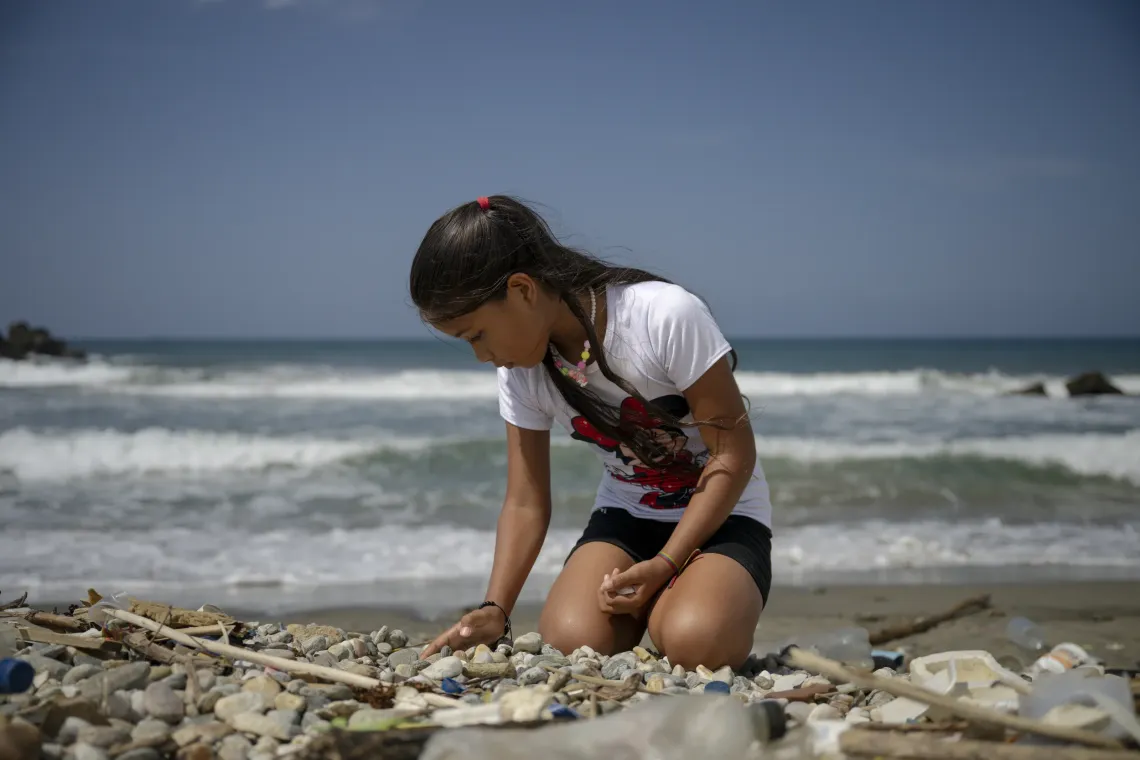
At the end of the afternoon, Derwimar walks to the beach with her family. She searches for shells among the stones, plays in the sand and sometimes goes into the water. Her home, school and many of her routines have yet to return. The plans she imagines for her future remain too.
“When I grow up, I want to be a veterinarian and an influencer. Both.”
What comes next
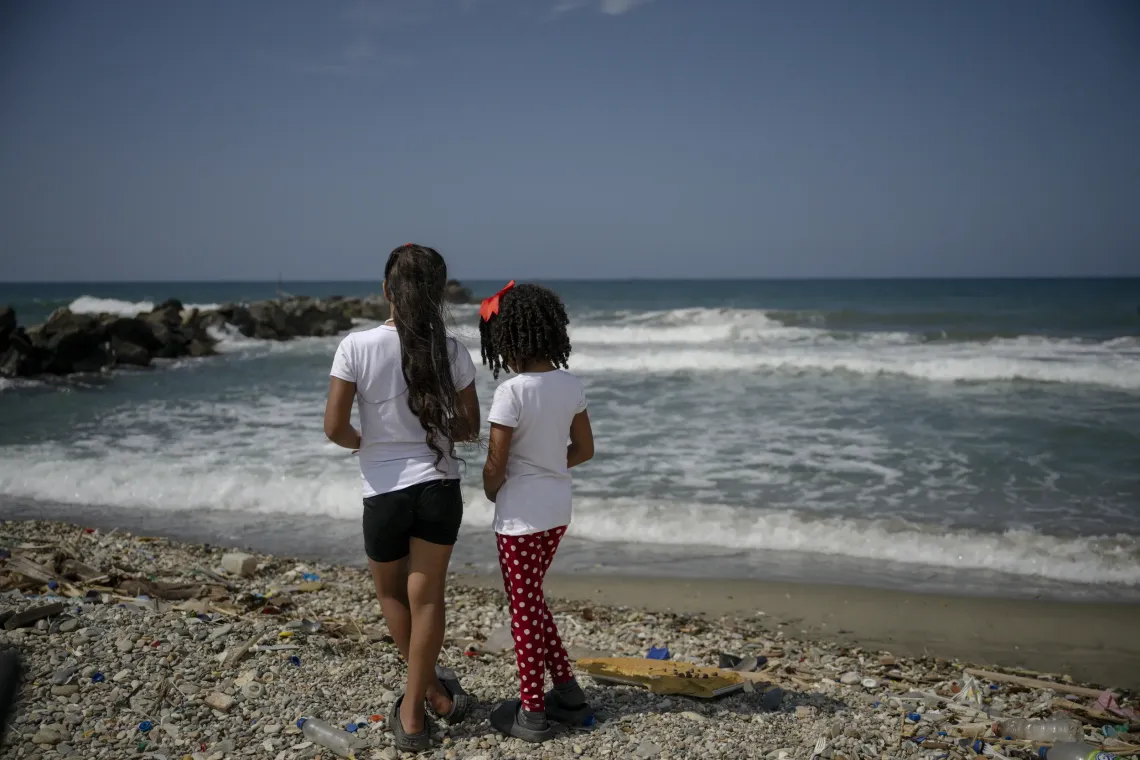
Two months after the earthquakes, humanitarian needs remain, while the response is also entering a new phase. UNICEF will continue working with the authorities, partners and communities to maintain access to safe water, health care, vaccination, nutrition, education, child protection and psychosocial support wherever these services are still needed.
At the same time, the work will move from temporary solutions towards restoring more sustainable services: re-establishing access to water and sanitation, ensuring continuity of health care and vaccination, supporting a safe return to school, and strengthening nutrition and child protection services. Creating these conditions will allow children and adolescents to reclaim their daily lives and continue moving towards the futures they imagine.