The climate change module & toolkit
Youth climate change modules

Highlights
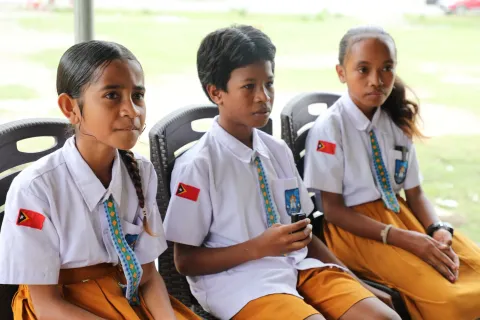
The Climate Change Module & Toolkit is a youth-focused set of learning and action resources with youth-friendly explanations designed to give young people the knowledge, skills and practical tools to understand climate change risk in Timor-Leste and take meaningful action in their communities.
Accessible and action-oriented, the materials support young people at different stages of their climate journey, from those learning about climate change for the first time to emerging youth leaders ready to turn their ideas and concerns into informed, measurable climate action.
These resources will guide young people through a progressive learning journey through seven interconnected resources:
- Youth Climate Change Module: Introduces the foundations of climate science using clear, youth-friendly explanations.
- International Climate Agreements Guide: Builds awareness of international climate frameworks and commitments and their relevance to young people.
- Climate Governance Guide: Connects global promises to national policies
- Youth Climate Action Guideline: Provides practical step-by-step support for actions
- Climate Action Tools: Provides practical tools to help young people plan, implement and track climate actions in their communities.
- Photo Essay Toolkit: Equips learners to document and communicate climate impacts, community experiences and solutions through visual storytelling.
- Climate Glossary Toolkit: Provides accessible explanations of key climate change terminology and concepts.
By turning climate knowledge into practical action, young people become active contributors to a more resilient and sustainable country, today and for generations to come.
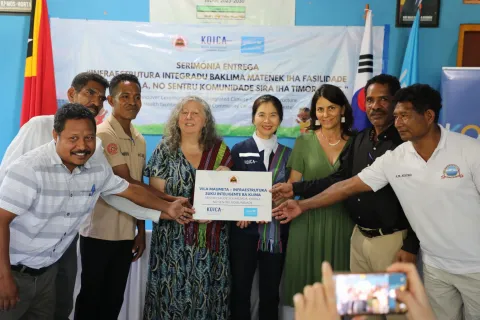
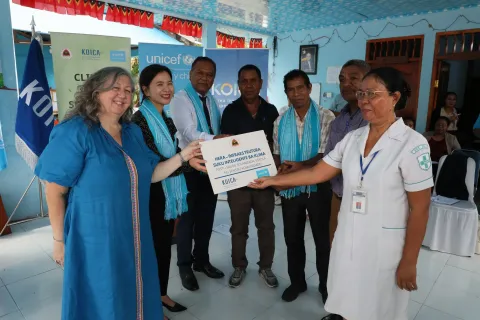
The Module and Toolkit were developed in partnership with the Ministry of Youths, Sports, Arts and Culture (MoYSAC), the Ministry of Tourism and Environment (MTE), and the Laudato Si’ Movement (LSM) Timor-Leste, funded by the Korea International Cooperation Agency (KOICA). A series of consultations and field-testing activities with young people and government officials at the national and municipal levels helped shape the materials, ensuring that they reflect local realities and are relevant and responsive to the needs and priorities of young people in Timor-Leste.