How reliable energy is transforming daily life in Vila Maumeta, Atauro
Powered by the sun

When the sun rises over the village (suco) of Vila Maumeta in Atauro, it powers vaccine refrigerators, classroom lessons and community gatherings.
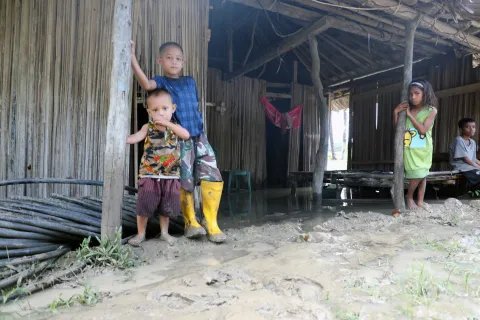
Reached primarily by boat from Dili, Vila Maumeta is home to 516 households. As a geographically isolated island community, it has long depended on electricity supplied through the government grid. When the often-occurring blackouts happened, the community had no backup power source.
The impact was felt across the community. Health workers faced disruptions to essential services, teachers adapted less efficient learning activities around limited electricity, and administrative services at the community centre were often paused until power returned. Power outages affected services that children and communities relied on every day.
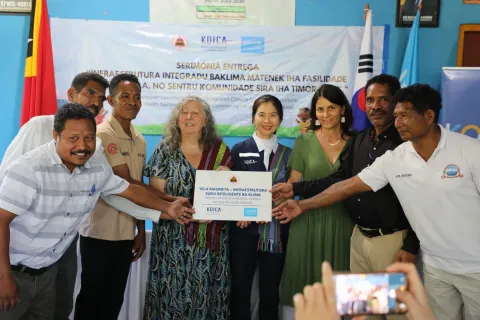
Today, solar energy is helping make that possible. In July of 2026, UNICEF handed over a solar power system in Vila Maumeta through a KOICA-funded 'Climate Action for the Last Mile: Reaching the Most Vulnerable Children' programme. Just two months later, the benefits are already being felt across three facilities at the heart of community life: the health centre, the primary school and the community centre.
Through the experiences of the people who use and manage these facilities every day, a story emerges of how reliable electricity is strengthening essential services, improving opportunities for children, and building resilience in this island community.
At the Vila Maumeta Health Centre, reliable electricity can mean the difference between interrupted services and lifesaving care.
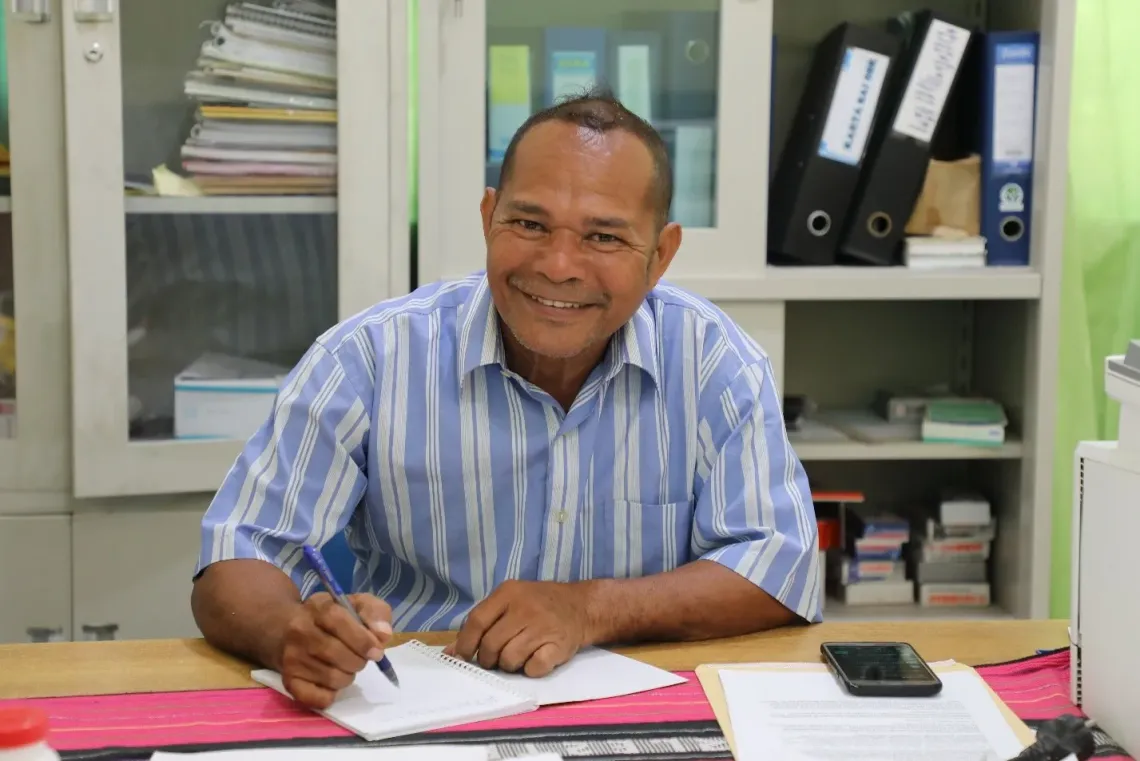
Manuel Pereira, Head of the Vila Maumeta Health Centre, recalls a prolonged blackout several years ago that put the facility’s vaccine supply at risk.
“Two or three years ago, there was a blackout that lasted for several days,” he recalls. “We only had one generator, so we moved the vaccines into cool boxes. Most were destroyed, and we had to carefully check each vaccine and keep records of those that had been damaged,” says Manuel.
For a remote island community, the loss was significant. Without reliable electricity, maintaining the cold chain needed to store vaccines safely was a constant challenge.
Today, solar energy provides the health centre with reliable, around-the-clock electricity. Vaccines can be stored safely, reducing the risk of damage during extended power outages and helping ensure that children continue to receive essential immunization services.
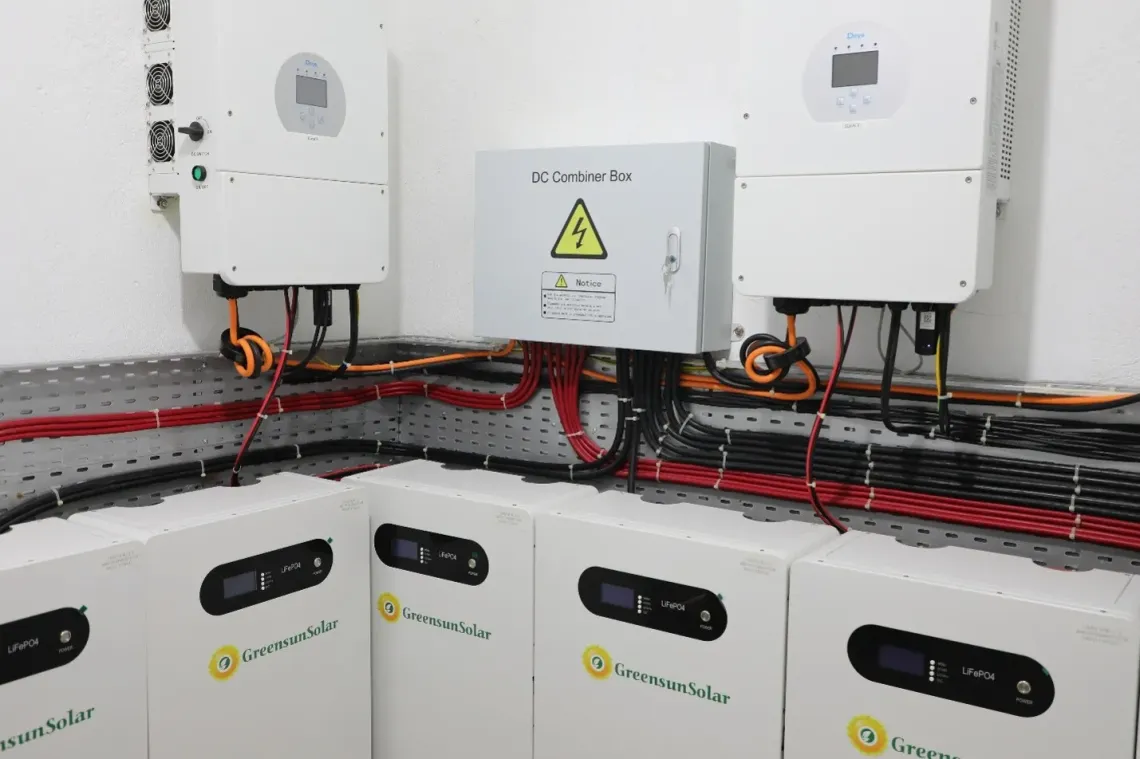
The benefits extend beyond vaccine storage. Previously, the health centre depended on government-supplied electricity available only between 6 a.m. and midnight. Outside those hours, health workers had limited capacity to respond to emergencies.
With 24-hour access to electricity, the health centre is better equipped to respond to emergency cases and provide uninterrupted care for the families who depend on its services.
This change is an important part of climate adaptation. As climate change increases pressure on health systems through extreme weather, heat and changing patterns of climate-sensitive diseases, resilient health facilities need to be able to continue delivering essential services. Reliable renewable energy reduces a critical vulnerability: dependence on electricity supply that may be interrupted when services are needed most.
Alongside installing the solar power system, three health centre staff, including Manuel, received training on its operation and maintenance. The training focused on practical tasks such as cleaning the solar panels, monitoring the system, and understanding when to switch off certain functions during adverse weather conditions.
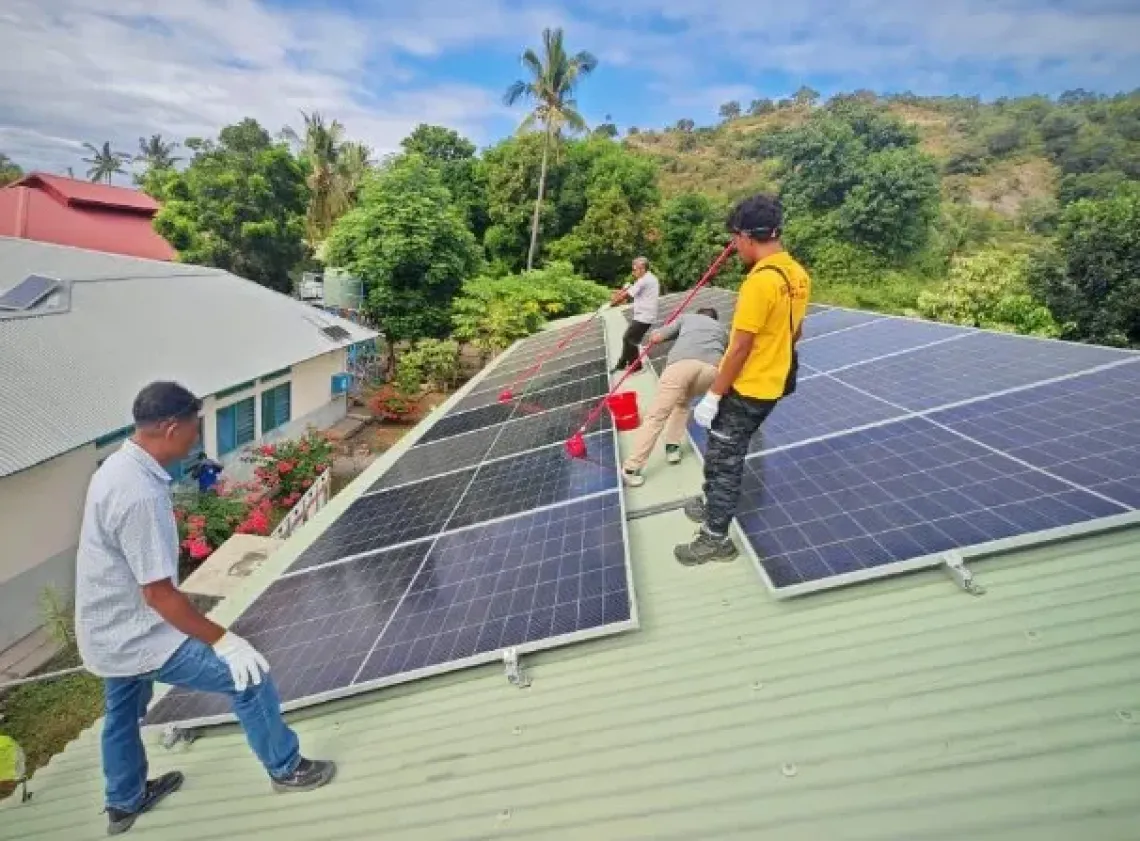
"We received training on how to maintain the system, especially how to clean the panels," says Manuel. "The cleaning is very important, and we learned how to do it properly. For more technical issues, the solar company provides support when needed."
By learning how to carry out routine maintenance themselves, the health centre team has taken on an important role in helping ensure the system continues to support the facility. It is a small but significant step towards strengthening the long-term reliability of services for the community.
At the Xefi Suco Community Centre, reliable energy is helping keep essential community services running. Jessé Lopes Nobre Mouzinho, the Suco Chief of Vila Maumeta, has seen firsthand how access to stable power has changed the office's day-to-day operations.
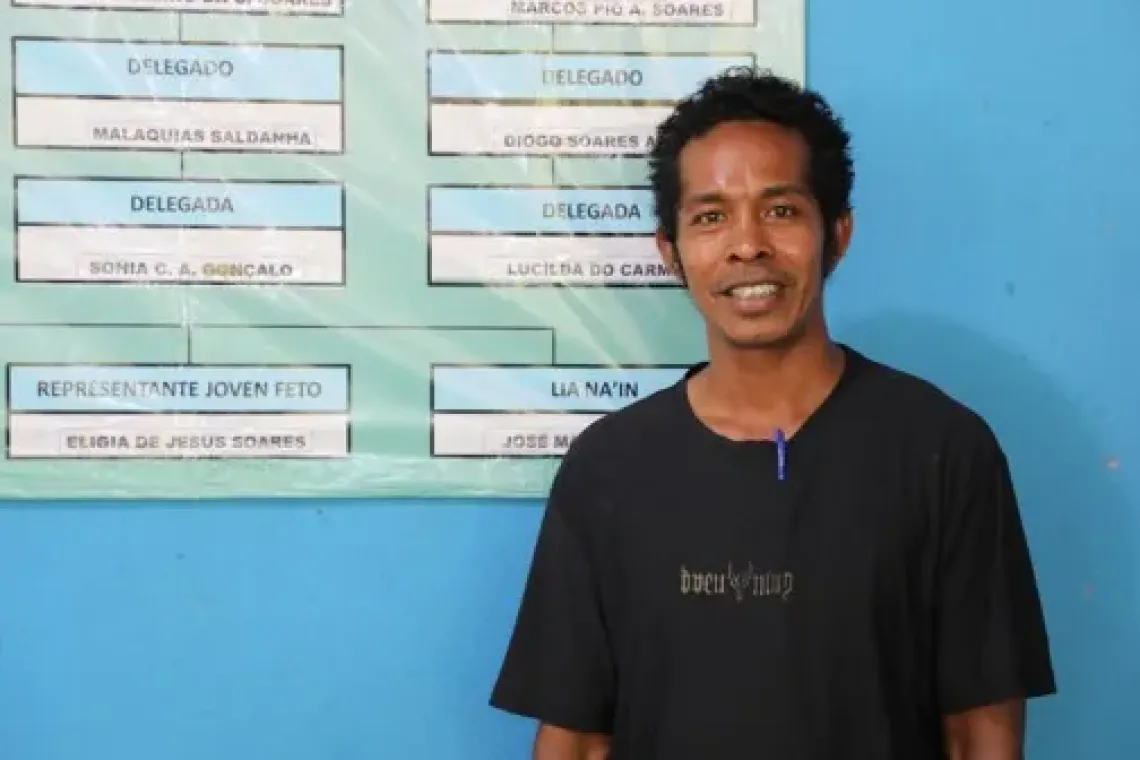
“Our suco office now receives electricity from the solar power system installed at the health centre,” he says. “The new system replaced the old electrical infrastructure in our office, including the lighting, power poles, electrical outlets and fuse box.”
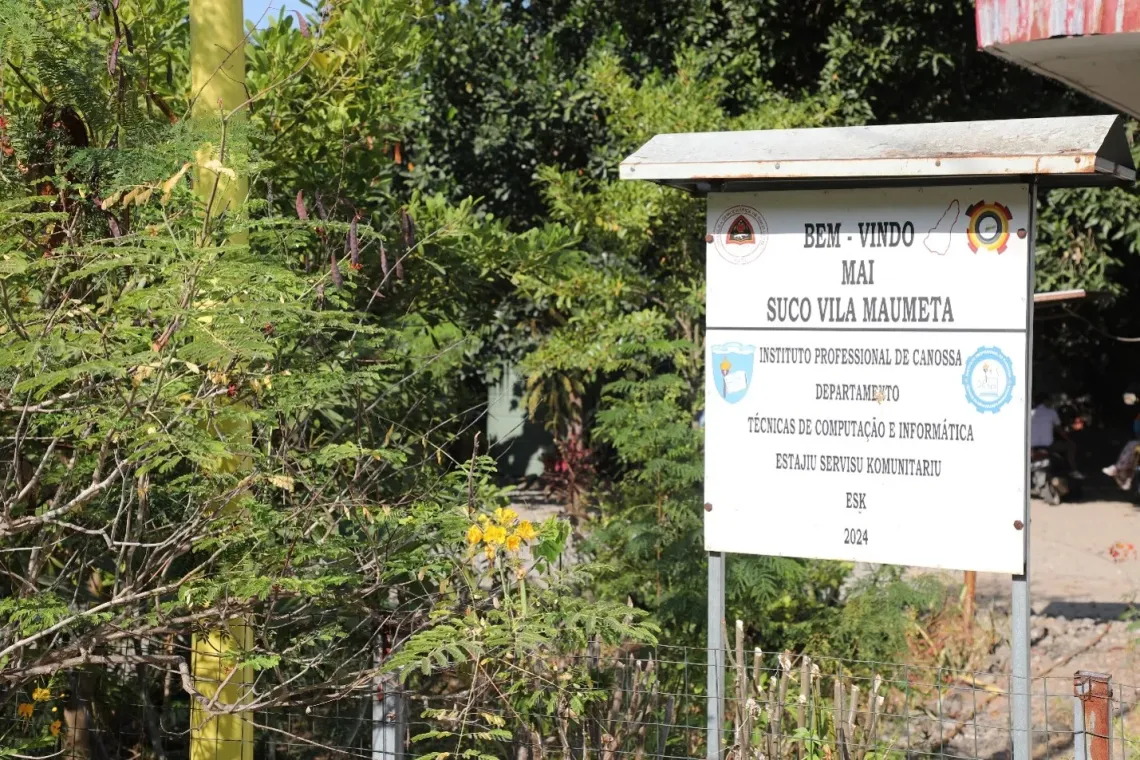
Before the new system was installed, the community centre relied on a small generator. Frequent technical problems often disrupted services and created challenges for staff carrying out their daily responsibilities.
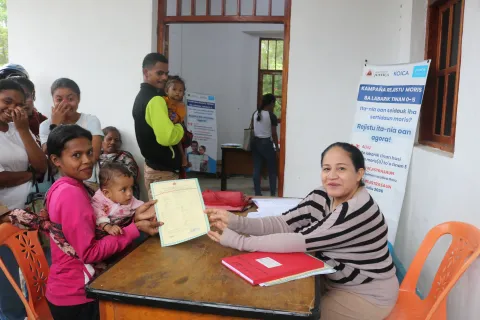
The office provides a range of administrative services that community members depend on, including birth registration, recommendation letters for passport applications, declaration letters for veterans, official correspondence, and letters of good conduct signed by the village chief. When electricity was unavailable, these services had to be delayed until power was restored.
Today, reliable access to electricity helps the office operate more consistently, enabling staff to better serve the needs of 2,155 people who call Vila Maumeta home.
Strengthening community-level services is another important element of climate adaptation. When communities face climate-related shocks, functioning with local institutions can play a critical role in coordinating information, connecting families with services, and supporting local response and recovery. Reliable energy helps keep these systems operational when communities need them most.
Powering a climate-resilient learning environment.
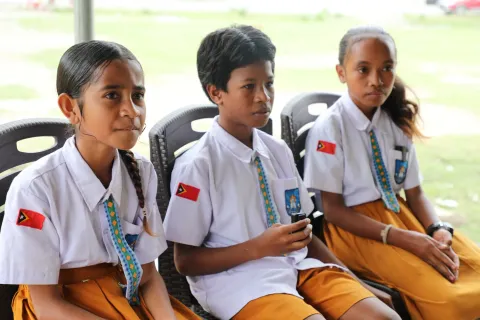
The same solar power systems installed at the health centre also benefit the neighbouring primary school, Escola Café. Like the health centre and community centre, the school previously depended on electricity supplied through the public grid; at times, it operated without electricity for two or three days.
Now, with a reliable supply of electricity from the solar system, the school no longer needs to worry about disruptions to teaching and learning. The system powers projectors, computers, printers, electric fans and lighting in more than 20 classrooms and offices. It also supports everyday activities such as charging mobile phones and preparing meals for students.
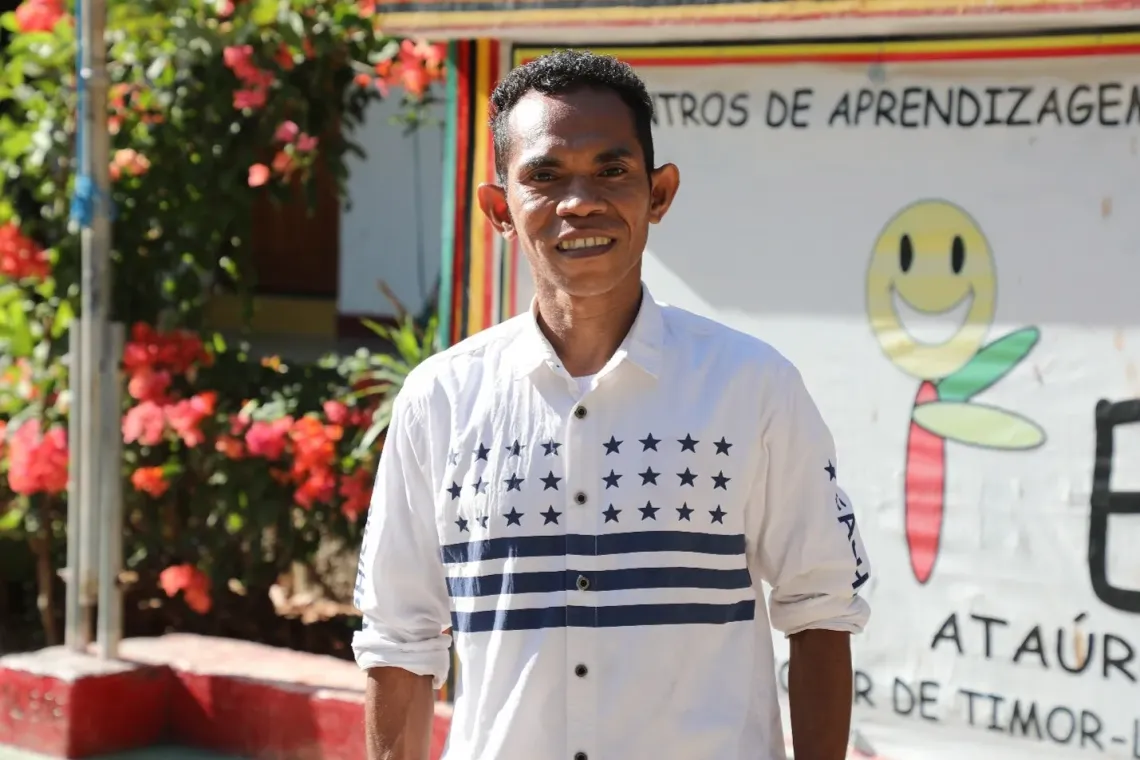
For Jonedito Araújo, Officer-in-Charge Coordinator at Escola Café, the benefits are felt throughout the school.
"The solar system is highly beneficial because it uses clean, modern technology," he says. "It provides a reliable source of electricity for the school while helping reduce spending on electricity credits. It is also environmentally friendly because it uses energy from the sun and requires no fuel. This makes it particularly suitable for a place like Atauro."
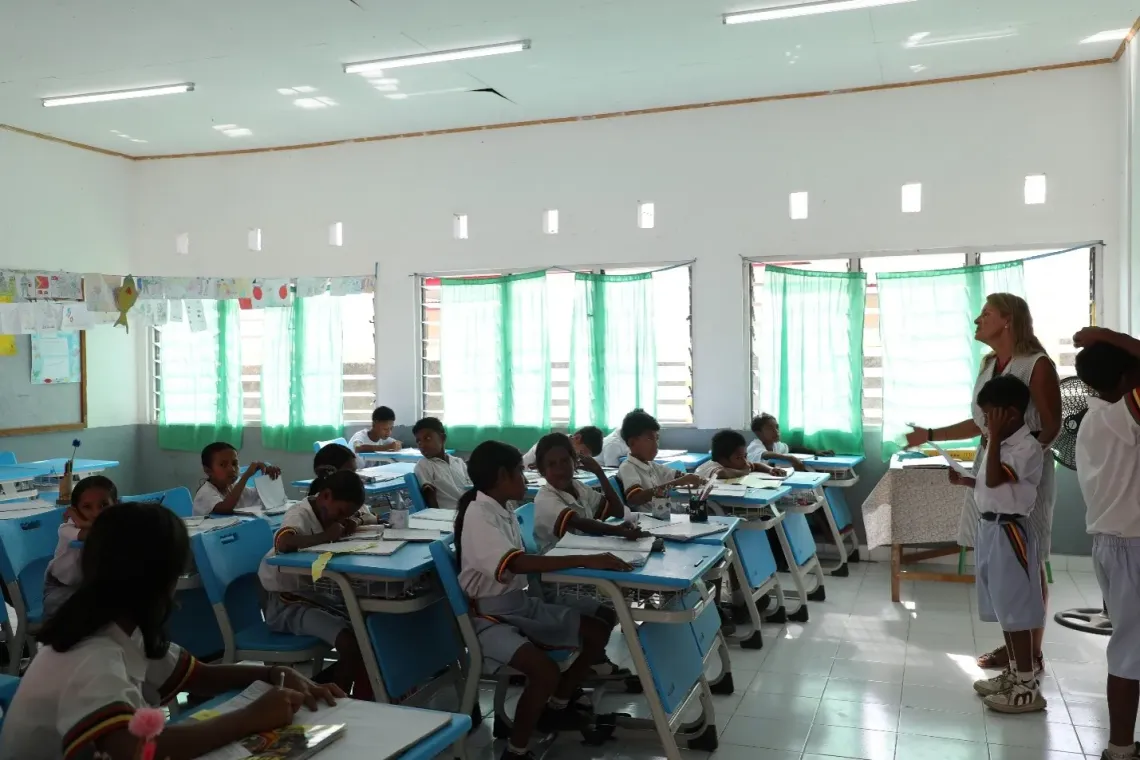
With a dependable electricity supply available throughout the day, teachers and students can focus on learning without worrying about power disruptions. For a remote island community, reliable energy helps create a more supportive learning environment and ensures essential school services can continue uninterrupted.
As the sun sets over Vila Maumeta, the energy collected throughout the day continues to power the services that keep the community connected. For this island community, reliable energy is more than electricity. It helps create new opportunities and supports a brighter future for children and families.