A visual glimpse on the impact of UNICEF's work in providing essential supplies for children.,
UNICEF Supply Annual Report 2025
Supply in focus: results for children achieved in close collaboration with partners around the world.
In 2025 – a year marked by instability, conflict, disease outbreaks, and climate shocks – supplies remained a lifeline for children and families. In both development programmes and humanitarian action, supplies have been critical to protecting and realizing the rights of children across the world.
With an unwavering focus on children, in 2025 UNICEF and partners continued to leverage end-to-end supply chain capabilities – from procurement and financing to delivery and system strengthening – to reach children and their families with lifesaving supplies and services, wherever they are.
This report presents supply results for children achieved in close collaboration with partners across the globe, with a special focus on strategic procurement, global logistics and warehousing, humanitarian action, and supply chain optimization.
“Stronger supply chains mean more focused and impactful delivery for children and their rights. As we reflect on 2025, we reaffirm our commitment to ensuring that every child, everywhere, can access the supplies and services they need to survive and thrive – supported by strong and agile supply chains.”
Procurement
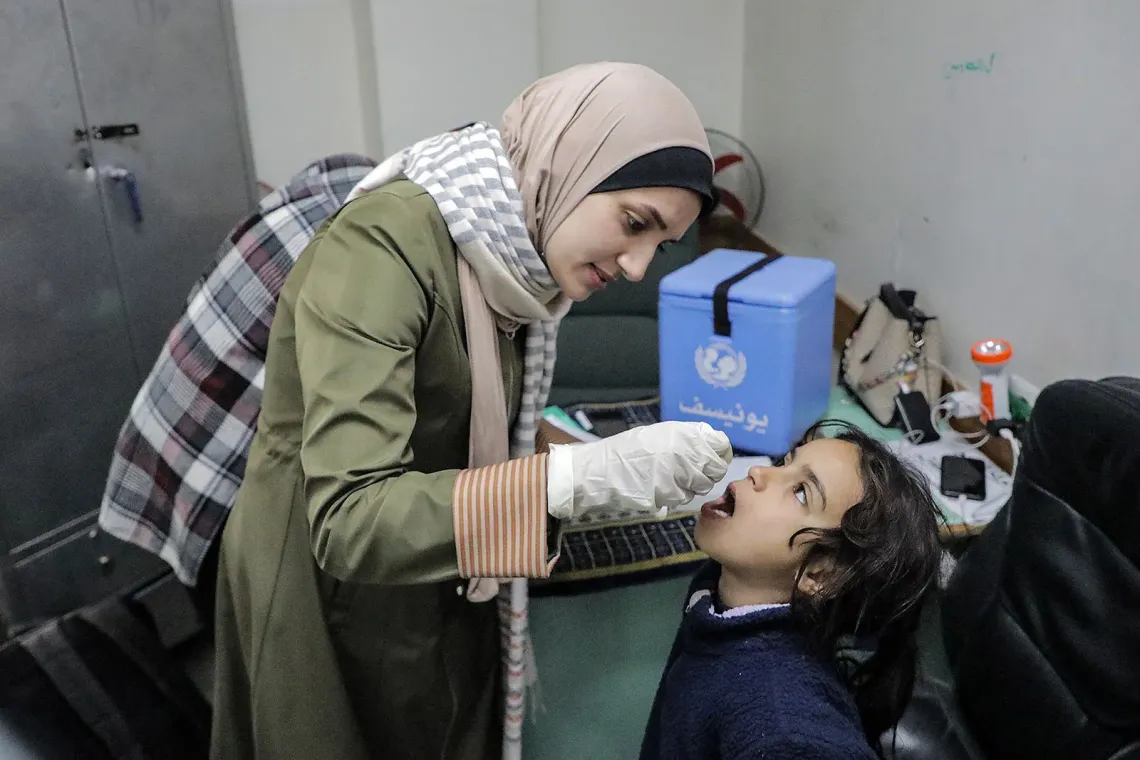
In 2025, UNICEF procured $5.677 billion worth of supplies and services for children in 164 countries and territories, marking a slight increase from the previous year and continuing an upward trend in procurement driven by growing humanitarian and development needs and enabled by strategic partnerships, enhanced localization efforts, digital transformation and a deepened focus on sustainability.
53.8 per cent of supplies were procured in collaboration with United Nations agencies.
2025 key supply procurement data
Supplies, accounting for US$3.826 billion, including:
Vaccines
US$2.446 billion
Nutrition
US$278 million
Pharmaceuticals
US$167 million
Medical supplies and equipment
US$163 million
Water, sanitation, and hygiene
US$154 million
Cold chain equipment
US$144 million
Education supplies
US$113 million
Shelter and field equipment
US$48 million
Power generation
US$35 million
Clothing and footwear
US$26 million
Services, accounting for US$1.851 billion, including:
Construction services
US$302 million
Contracted personnel*
US$229 million
In-country logistics and warehousing
US$164 million
International freight
US$163 million
Water, sanitation, and hygiene services
US$137 million
Cash and voucher assistance
US$113 million
*To share expertise with partner governments, implement social mobilization campaigns and provide temporary labour for programmes.
Humanitarian action
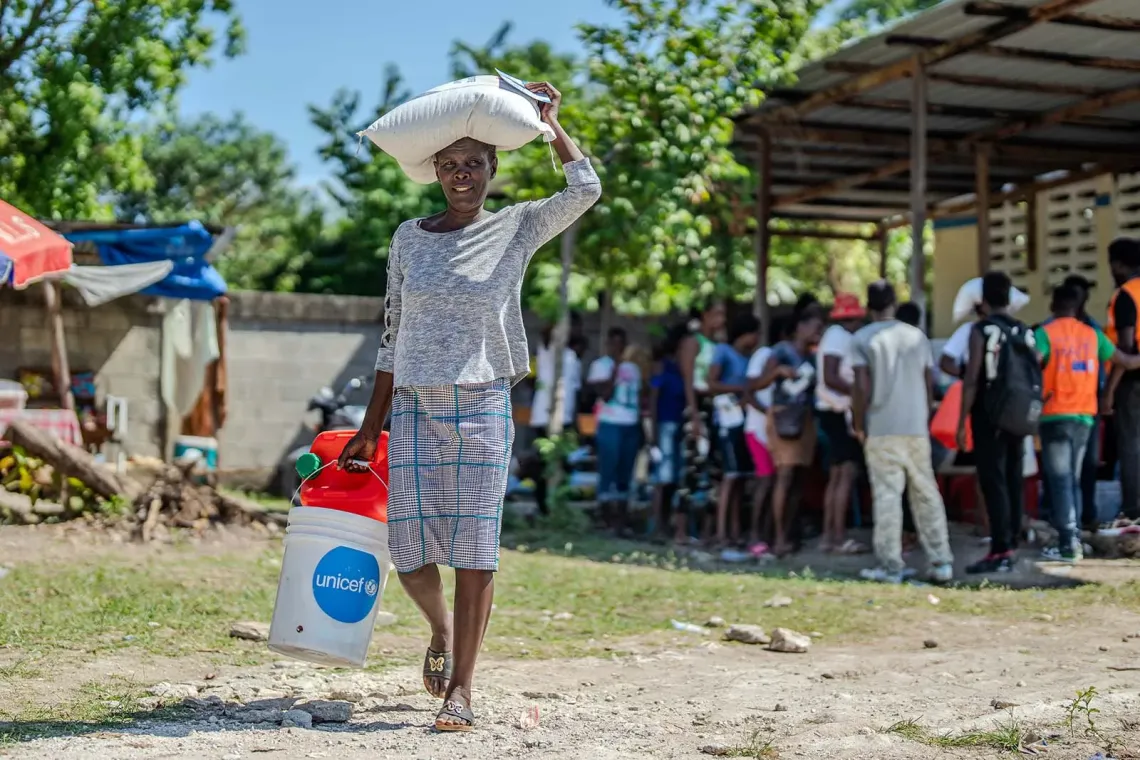
In a year marked by overlapping emergencies, UNICEF and partners enabled the rapid delivery of $1.442 billion worth of life-saving supplies to 67 countries, sustaining continuity of care for children affected by conflict, displacement, and crises.
Global logistics and warehousing
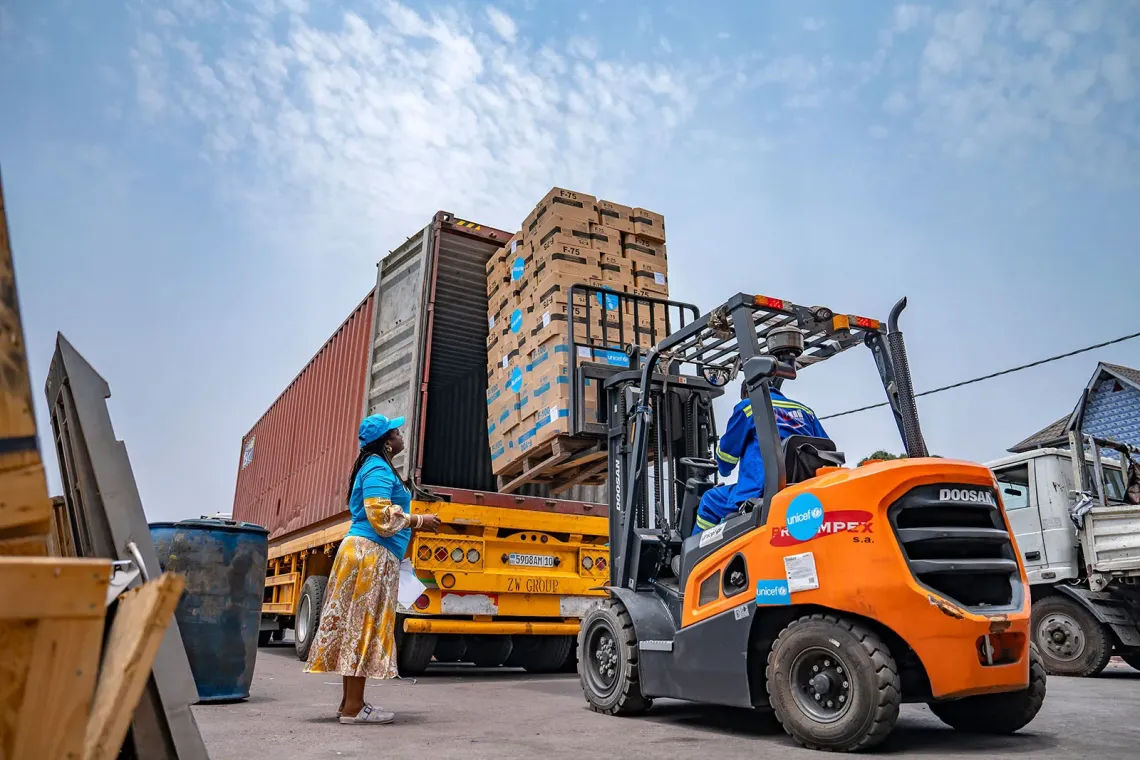
A trusted partner in large-scale logistics, UNICEF operates an extensive network designed for speed, scale, and cost-efficiency – handling 11,431 international shipments in 2025, supporting deliveries to 146 countries despite disruptions from conflict, climate events, and transportation challenges.
Supply chain optimization
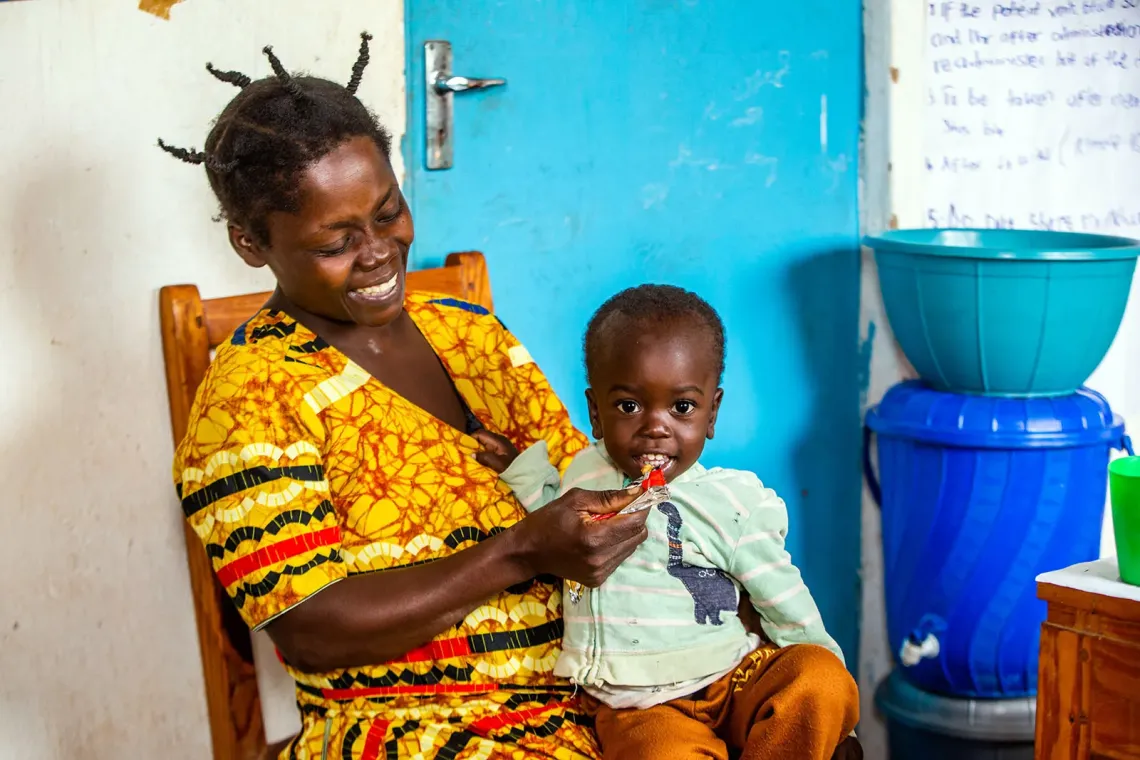
UNICEF continued to strengthen national supply systems through localization efforts, and to optimize global supply chains with its digitalization drive and commitment to sustainability.
Highlights
Use the links to the right to read or download the full report and its annexes.