

COVAX: “We have achieved something that has never been done before.”
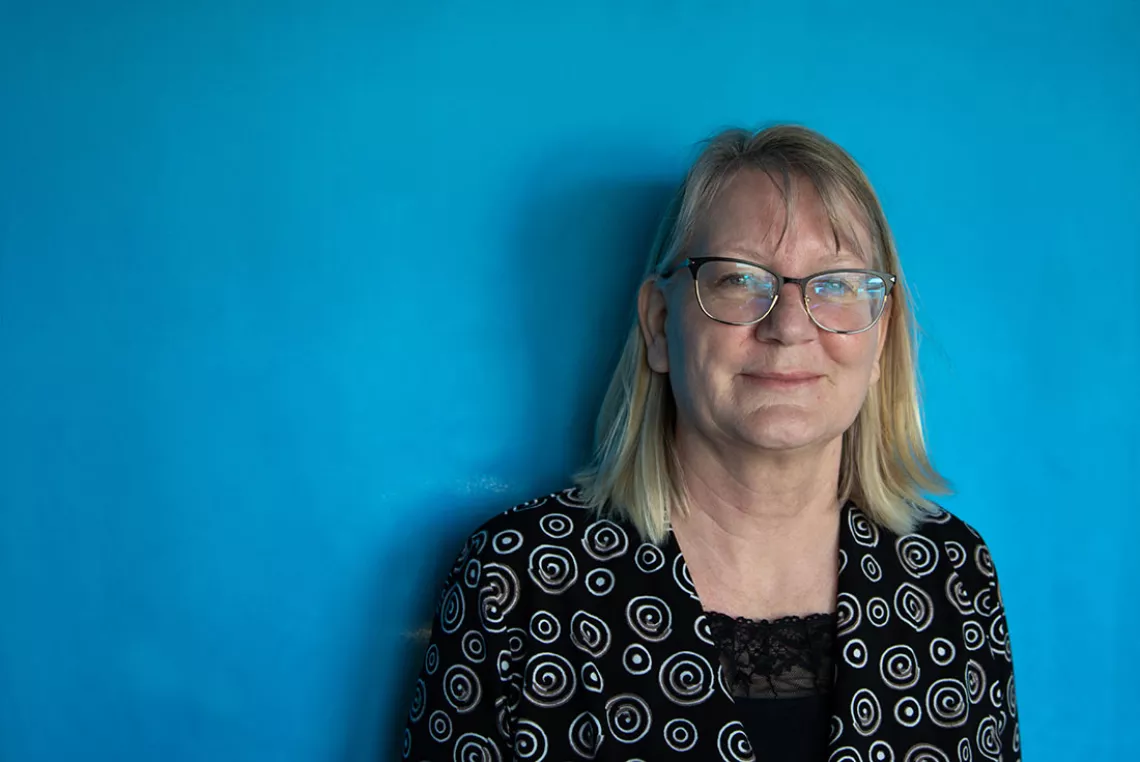
Meet our experts – Ann Ottosen, Senior Manager with UNICEF Supply Division’s Vaccine Centre, on what it takes to introduce a new vaccine to respond to a pandemic and how UNICEF’s vast experience is helping us now.
What does your work with vaccine contracts management involve?
I am leading a team which secures vaccines for global vaccination programmes. Each year, UNICEF delivers over 2 billion vaccines to around 100 countries, protecting children against deadly diseases like diphtheria, measles and polio.
Our job is to secure the right vaccines, in the right quantities at the right time to support routine vaccination programmes and preventative campaigns, as well as to stockpile vaccines when supply markets are insufficient to meet sudden surges in demand caused by outbreaks of diseases like polio or Ebola. We work closely with programme partners on right sizing, and we work closely with manufacturers planning well in advance to secure the necessary supply as demand evolves. We do this, because it can take up to two years to produce a vaccine.
"I have been working with vaccines for 25 years – it is in my blood, it is my big passion."
Securing and delivering vaccines is our standard business, and it is something we know how to do well. That is what UNICEF did before the COVID-19 pandemic, that is what we continue to do. With the COVID-19 pandemic, we have drawn on existing expertise and added new teams to ensure the adequate human resources capacity to meet the ambitious target of securing access to 2 billion COVID-19 vaccine doses within one year.
How are you involved in the roll-out of the COVID-19 vaccines?
Securing vaccines supply to immunize the world against COVID-19 to tackle the pandemic in 2021 is a race against time and will require the largest and fastest scale up of vaccine production, vaccine procurement and supply operation in history.
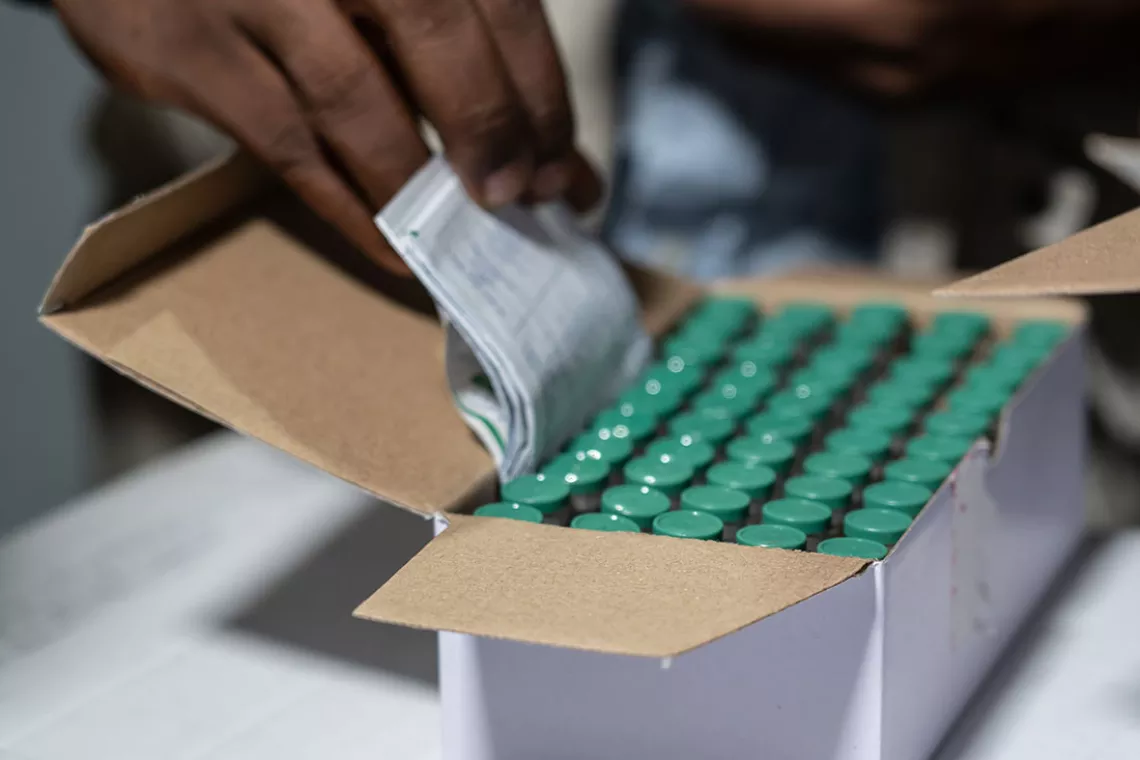
UNICEF Supply Division has two main roles in this. One is that we procure the vaccines: we tender, secure the contracts with manufacturers that implement the advance purchase agreements of the COVAX Facility, negotiate delivery terms and place purchase orders. We also coordinate with countries and manufacturers to secure a supply of the vaccines and to ensure they are ready and available on time for the freight forwarders that we contract to deliver without delay. This is extremely complex given the scale of the operation, the constant evolving supply situation, the urgent worldwide need, and the strict cold chain conditions that must be met to keep the vaccines at the right temperature.
UNICEF also acts as the procurement coordinator for COVAX. This includes providing reliable supply forecasts for the COVAX allocation mechanism and supporting self-financing participants to access supplies directly with manufacturers in accordance with COVAX allocations.
The supply forecasts are provided to the WHO allocation model which then determines how many doses go to each country. This work is key to turn this beautiful idea of equitable access into the reality of vaccine doses arriving in country and going to the arms of people who need them most.
How did you feel when the first shipment of COVID-19 vaccine doses procured through the COVAX Facility landed in Ghana?
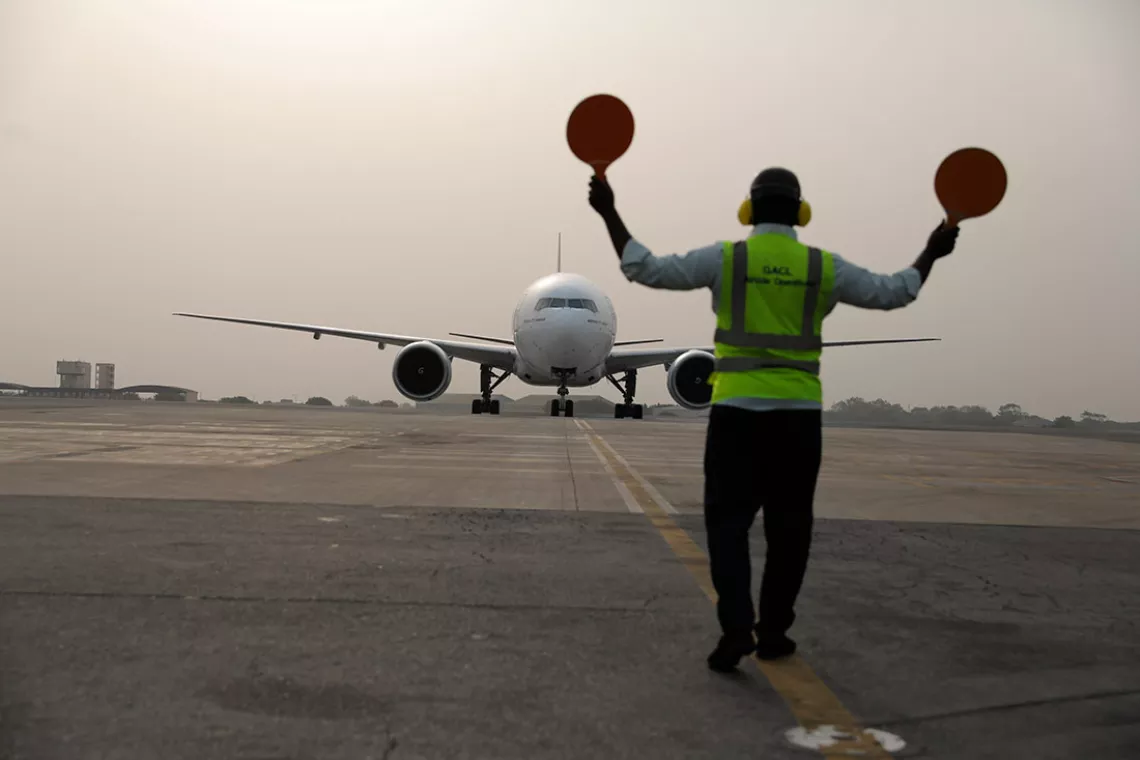
The moment we were informed that the first shipment of vaccines arrived in Ghana was incredible. I was so happy and proud to see the result of all the hard work that so many people have put in over so many long days and nights. I also felt a huge sense of relief, because there was a lot of pressure on the COVAX Facility to deliver doses and many high income countries had already started vaccinations.
That first shipment was actually organized extremely quickly. The first vaccines landed in Ghana on 24 February, and they were only approved by WHO on 15 February. Within nine days the vaccine doses were already in the country, helping to save lives – and Ghana has also been fast in getting the vaccination campaigns off the ground. We were able to move so rapidly thanks to the preparatory work by UNICEF and partners. For example, we made sure contracts and agreements were in place with the manufacturers in advance and all were on standby to secure the paperwork for export authorizations, purchase orders, documentation and shipping and logistics.
What is the biggest challenge you face in achieving the COVAX Facility’s mission?
The biggest challenge we are facing right now is access to vaccine supplies.
There are delays from some manufacturers, as we expected, but these are not specific to COVAX as other buyers have also been affected by delays. We have experienced delays with scaling up of both new and well-known vaccines in the past, so we knew this was a real risk, particularly given the rapid development of the vaccines, the regulatory processes, and the huge volume required.
There are also some new supply chains that have only just been established with a number of teething problems, a strong dependency on tech transfers and use of contract manufacturing networks instead of the traditional in-house production. And there are a number of manufacturers that have not supplied to UNICEF before and are therefore not familiar with our operations. Because the COVID-19 vaccines were developed in record time and are being taken to scale even faster, there is an unprecedented complexity in the supply chains, with different production processes taking place in different facilities in different countries.
We are also looking at a roll-out in 190 countries in one year of the COVID-19 vaccine, in many countries targeting groups for which there are no existing systems in place to reach these populations. In other new vaccine introductions, we usually see a more phased approach over a longer period of time into well-established systems, typically into children’s immunization programs.
So, there are some challenges, but we are working with partners and manufacturers to overcome these.
"I hope [COVAX] can become a model for equal access to vaccines at the global level in the future."
In 20 years, how would you like people to tell the story of the COVAX Facility to children and young people?
I would be very happy if COVAX is considered a success story based on its ability to meet its commitment – to tackle the acute phase of the pandemic in 2021. More than that, I hope that it can become a model for equal access to vaccines at the global level in the future. If we could achieve that, then it would be amazing, and I would be extremely proud of being part of that work.
We should also appreciate everyone who is working, helping and supporting this effort in all different ways. This is a team effort across UNICEF, countries and partners, and we should all be proud of being part of this historic initiative.
We have now delivered around 60 million doses of COVID-19 vaccines to over 122 countries since that first delivery on 24 February in Ghana, and this is a great achievement – we hope to accelerate further, as more supply becomes available to secure equitable access. This is really amazing. Together, we have very quickly achieved something that has never been done before.


