Health on wheels: Bringing lifesaving care to families cut off by war
In the remote village of Fatasha, a UNICEF-supported mobile clinic is often the only hope for mothers, children, and entire communities with no access to health services.
- English
- العربية
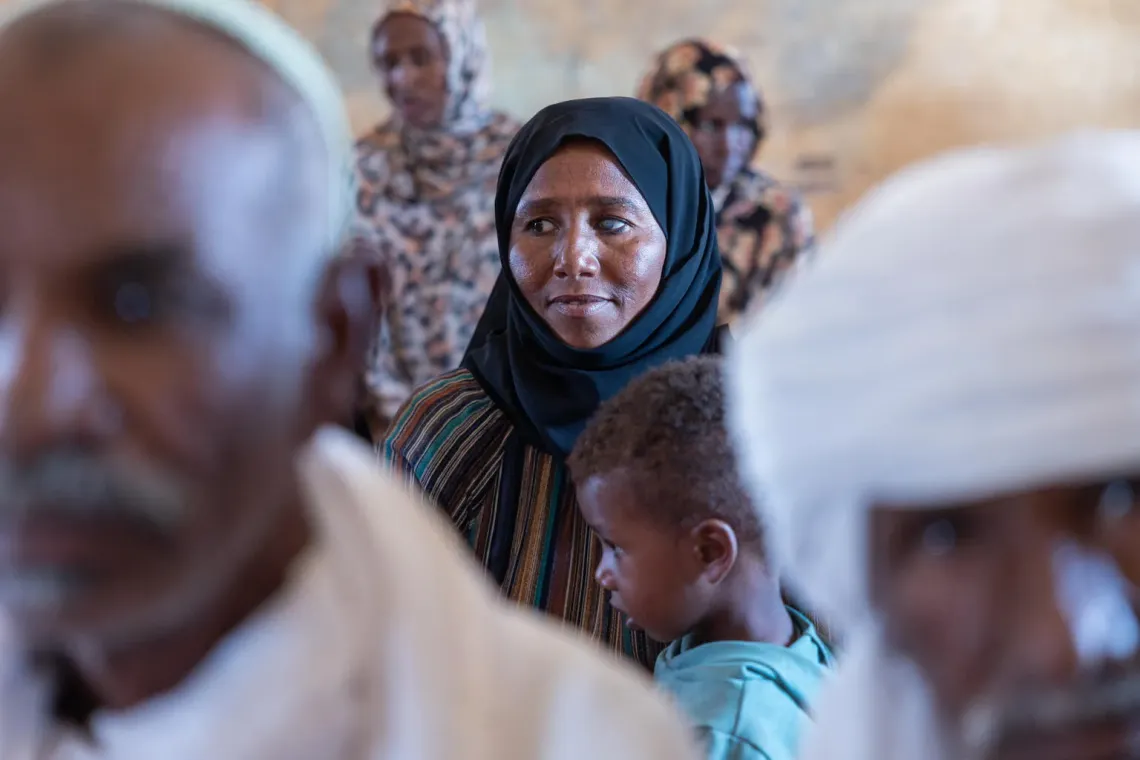
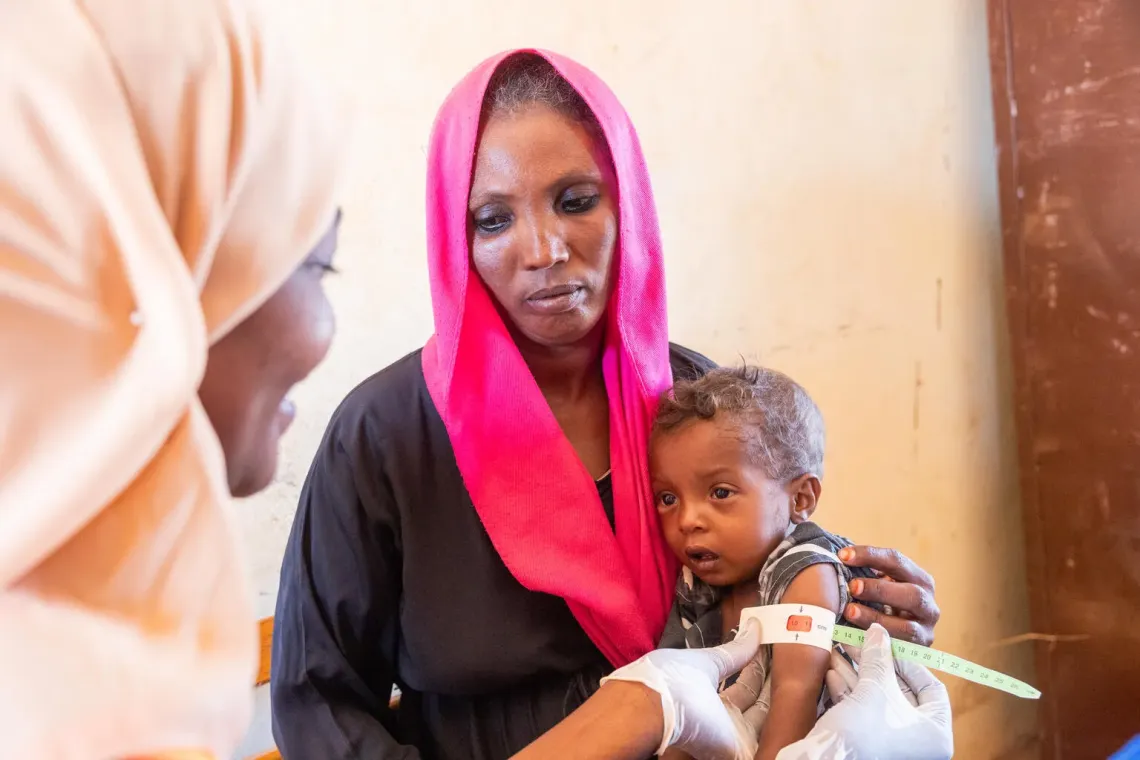
For three days, Eiman watched her son struggle with a high fever and a worsening cough. With the nearest health facility non-functional, all she could do was wait — and hope — for the mobile clinic.
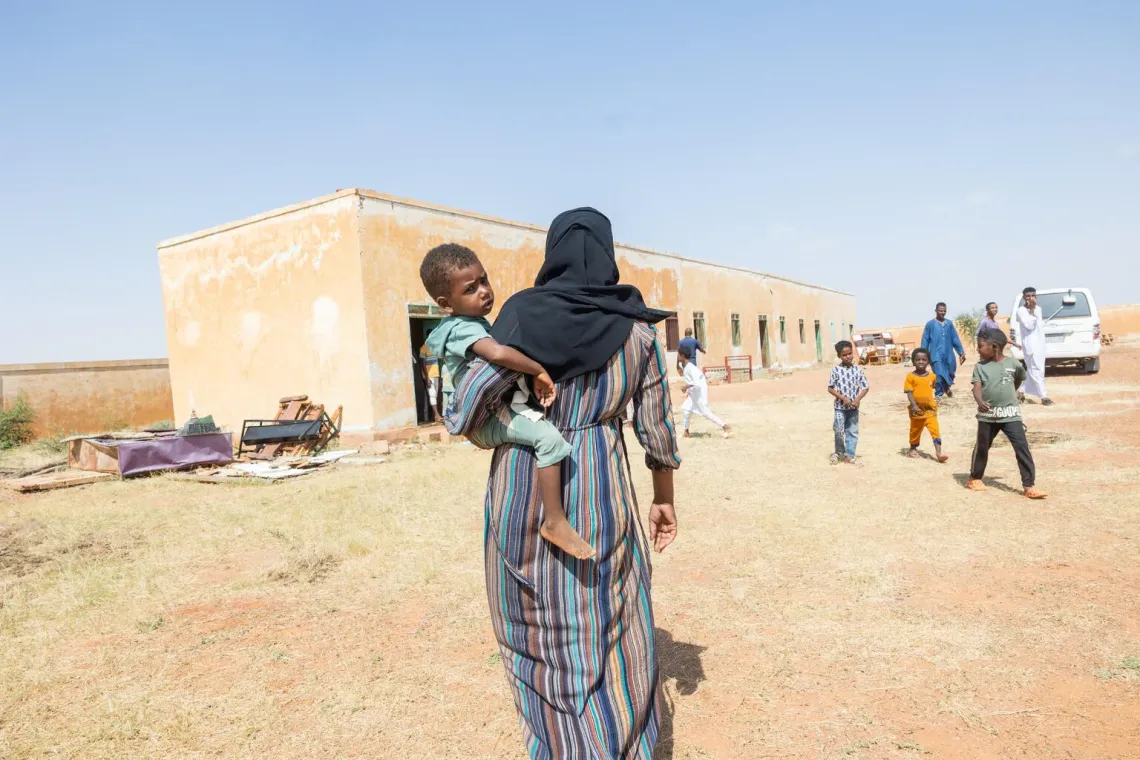
Fatasha, her village in West Omdurman near the North Kordofan border, has long been a hard-to-reach area. Even before the conflict, families had limited access to basic services. Today, livelihoods have collapsed, food is scarce, health facilities and schools are shut, and frontline workers are no longer available.
“The health situation is very poor,”
Eiman said softly as she held her son close.
“We have one health centre, but it has nothing — only one health worker. We have no immunization services, no nutrition support, no medicines, no pharmacy, no laboratory.”
Across Khartoum state — where access is gradually improving — UNICEF, through the World Bank–funded Sudan Health Assistance and Response in Emergencies (SHARE) project, is restoring essential healthcare. One of the most critical interventions: mobile clinics, delivering lifesaving services to families who would otherwise go without care.
Each mobile team includes a midwife, nutritionist, vaccinator, medical assistant, and a doctor. Together, they provide integrated services such as immunizations, maternal and newborn care, screening and treatment for malnutrition, outpatient consultations, management of childhood illnesses, and essential medicines.
The mobile clinic reaches Fatasha
When word spread that the mobile team was finally coming, relief washed over the village. Mothers arrived early, carrying children on their hips. Elderly men rested under the shade, waiting their turn.
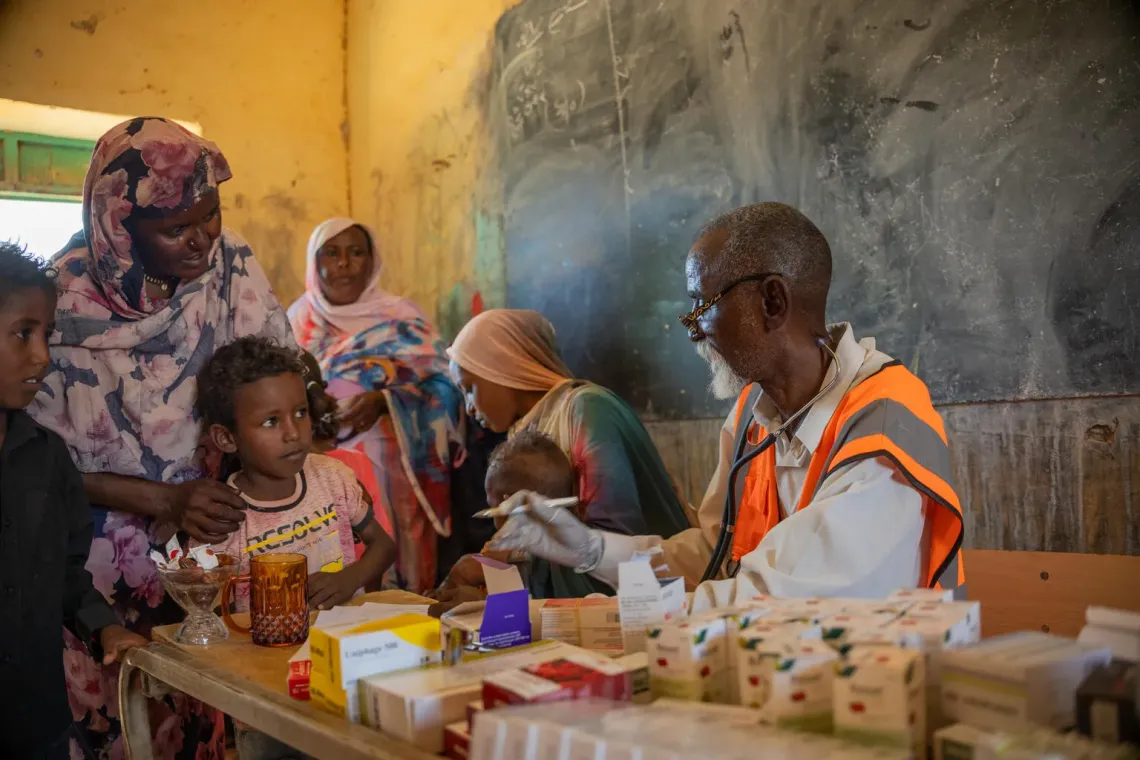
After a long four-hour journey on dusty, uneven roads, the team arrived — turning a simple classroom into a functioning clinic for the day.
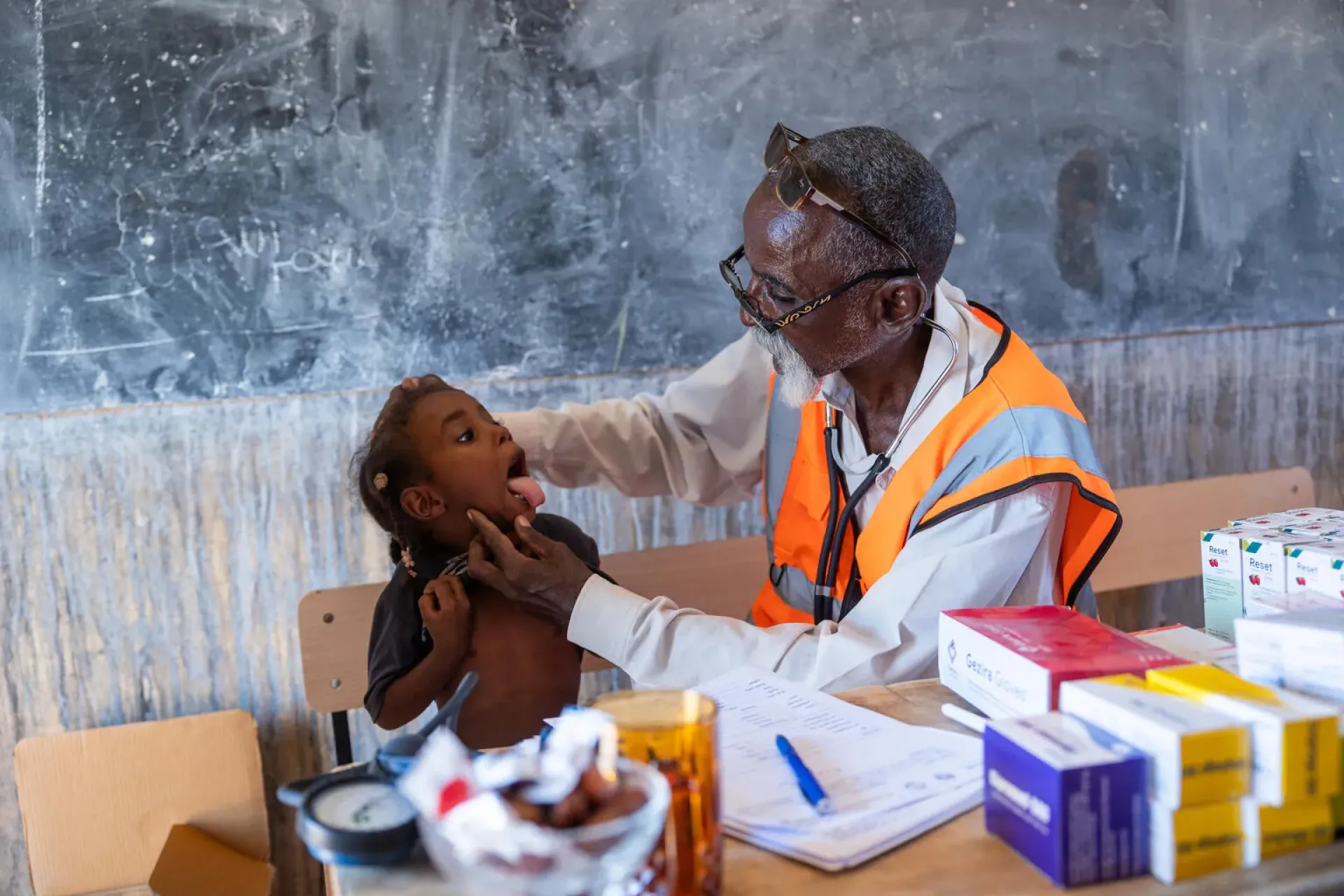
At the centre of the bustling room is Khalifa, the medical doctor leading the team. Week after week, he travels to remote communities like Fatasha, undeterred by distance, poor roads, or long days.
The mobile clinic operates twice a month, aiming to reach at least 450 people across 35 villages — but the needs far surpass that.
“I often see around 170 patients a day — elderly men, women, and children,” Khalifa shared. “The areas we visit don’t have any health services at all.”
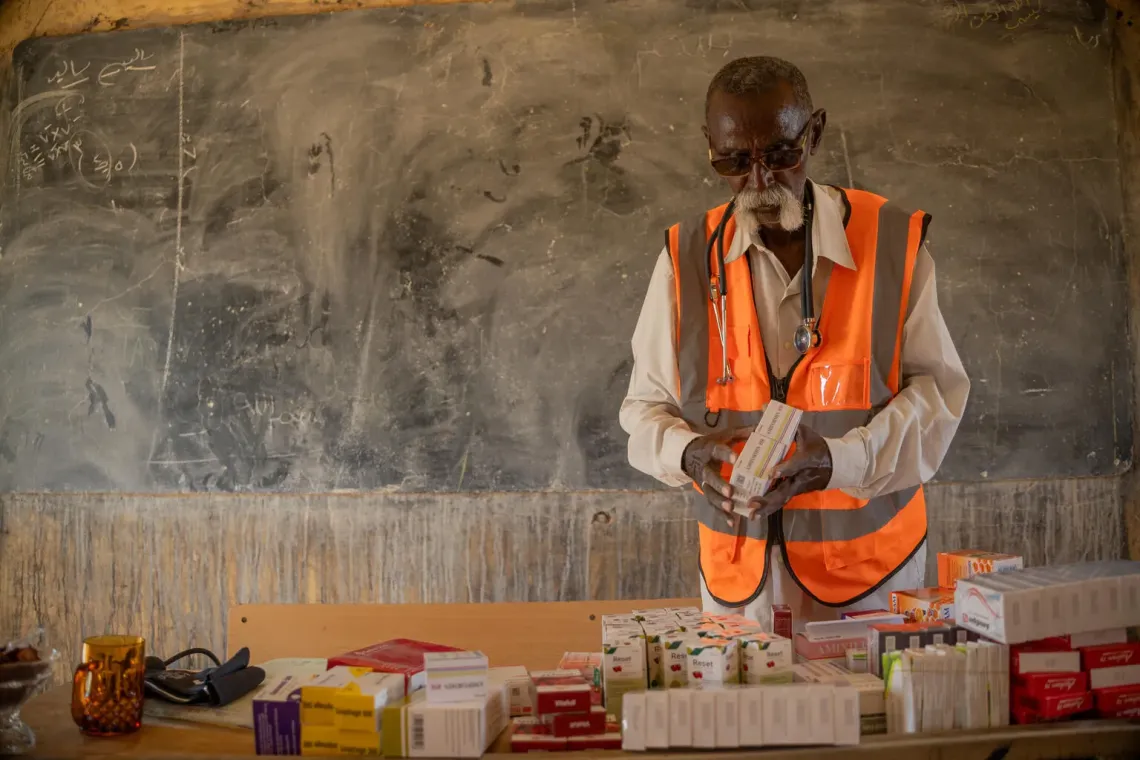
Sometimes, the team stays overnight to continue treating patients. Returning to base means hours of travel — and delaying care for those who need it most.
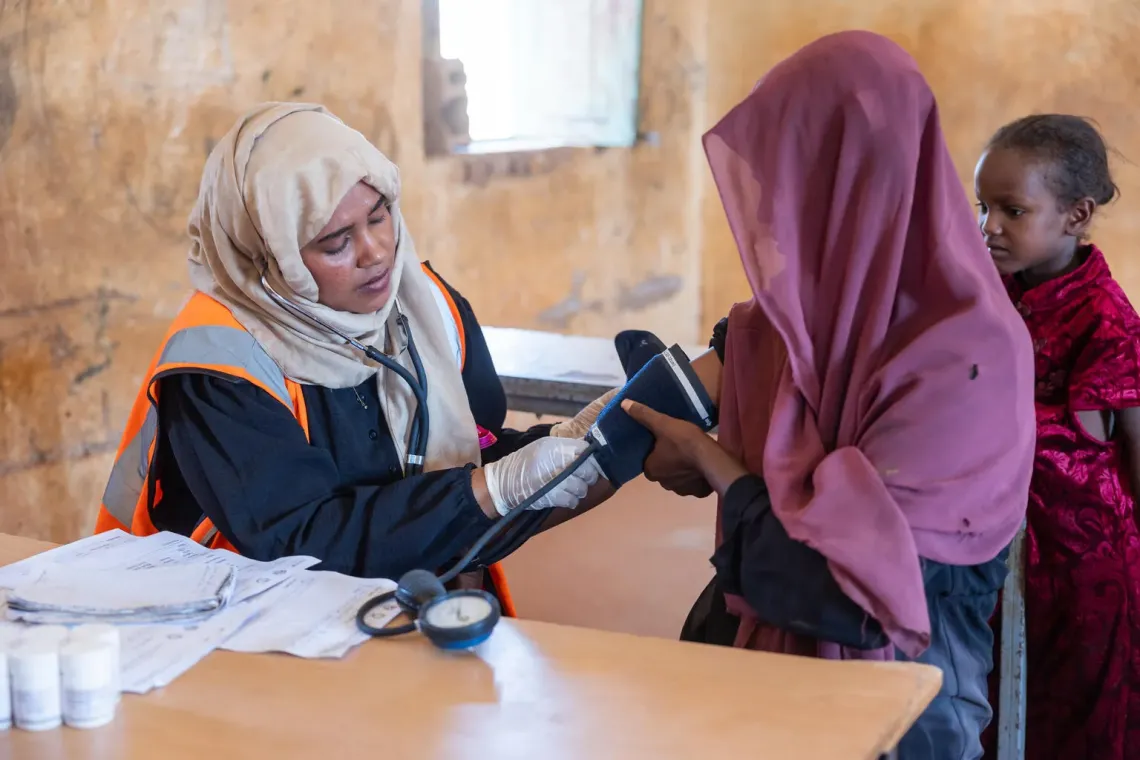
Across the makeshift clinic, each corner transforms into a vital service point.
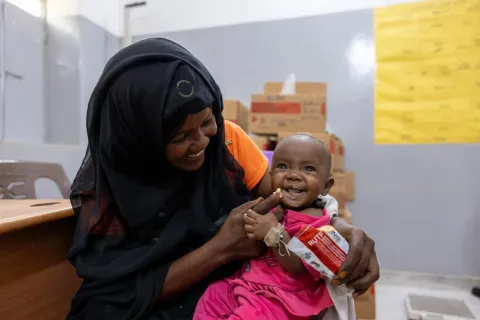
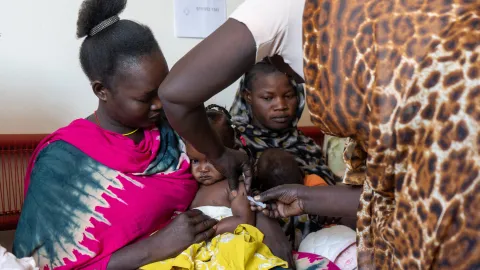
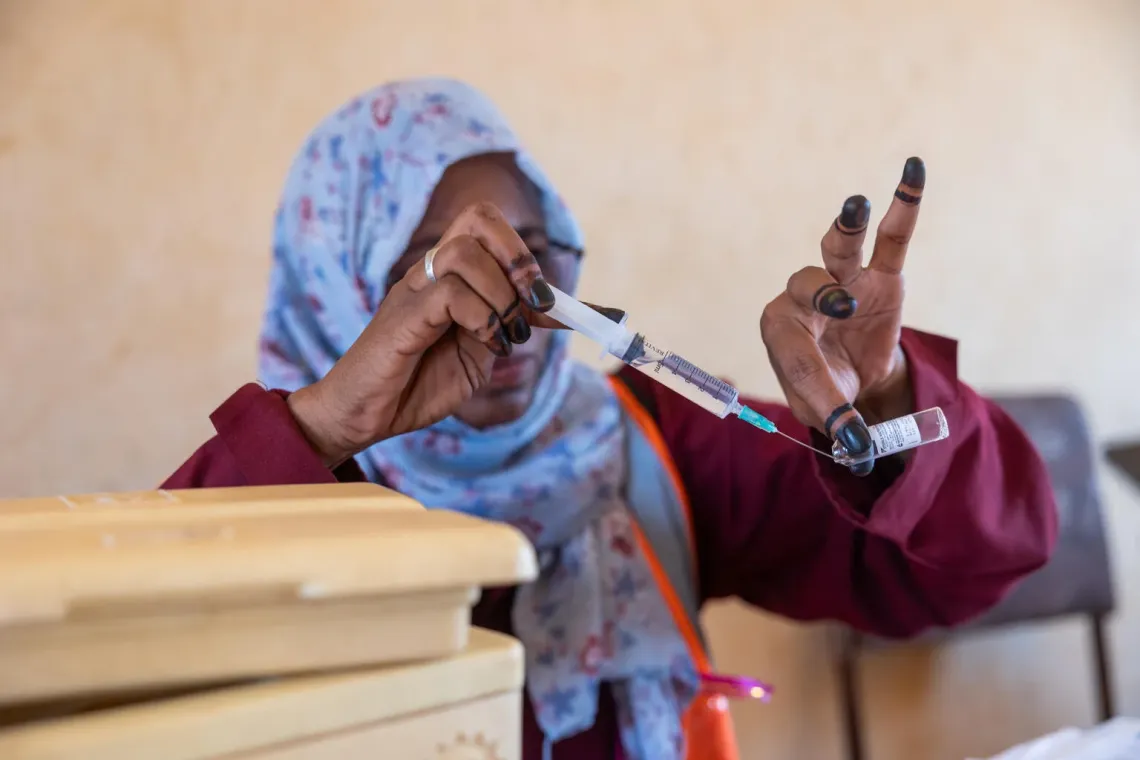
Children are screened for malnutrition and treated. Infants receive vaccines that protect them from deadly diseases. Pregnant and lactating mothers meet with the midwife. Patients with fevers, respiratory infections, and other illnesses receive treatment and medicine.
For many, this is their only access to quality healthcare.
Fifteen-year-old Amara limps into the consultation room. She has been living with a pelvic infection for months. After a careful examination, Khalifa provides her with treatment and medicines.
“This is what happens when people lack easy access to healthcare,” he said with concern. “But she will now get the support she needs.”
Nearby, Eiman leaves the clinic smiling, medicine in hand, her son finally treated.
“I am very happy that the mobile clinic came today,” she said. “The doctor helped him.”
As the sun sets, Khalifa and the team pack up, preparing for the long journey to the next village.
“We need mobile clinics for these remote areas with no assistance, no services, and no medical staff,” Khalifa said. “People depend on us.”




Supporting communities on the edge
Under the SHARE project, mobile teams remain critical to improving access to primary healthcare services by extending services to hard-to-reach areas. To keep them running, UNICEF is providing medical equipment, essential medicines, training health workers, and more.
“I hope mobile clinics continue,” Khalifa said. “Communities are in urgent need.”