

UNICEF South Africa Youth Advocates
Meet our young partners – thinkers and doers for a better world for children.
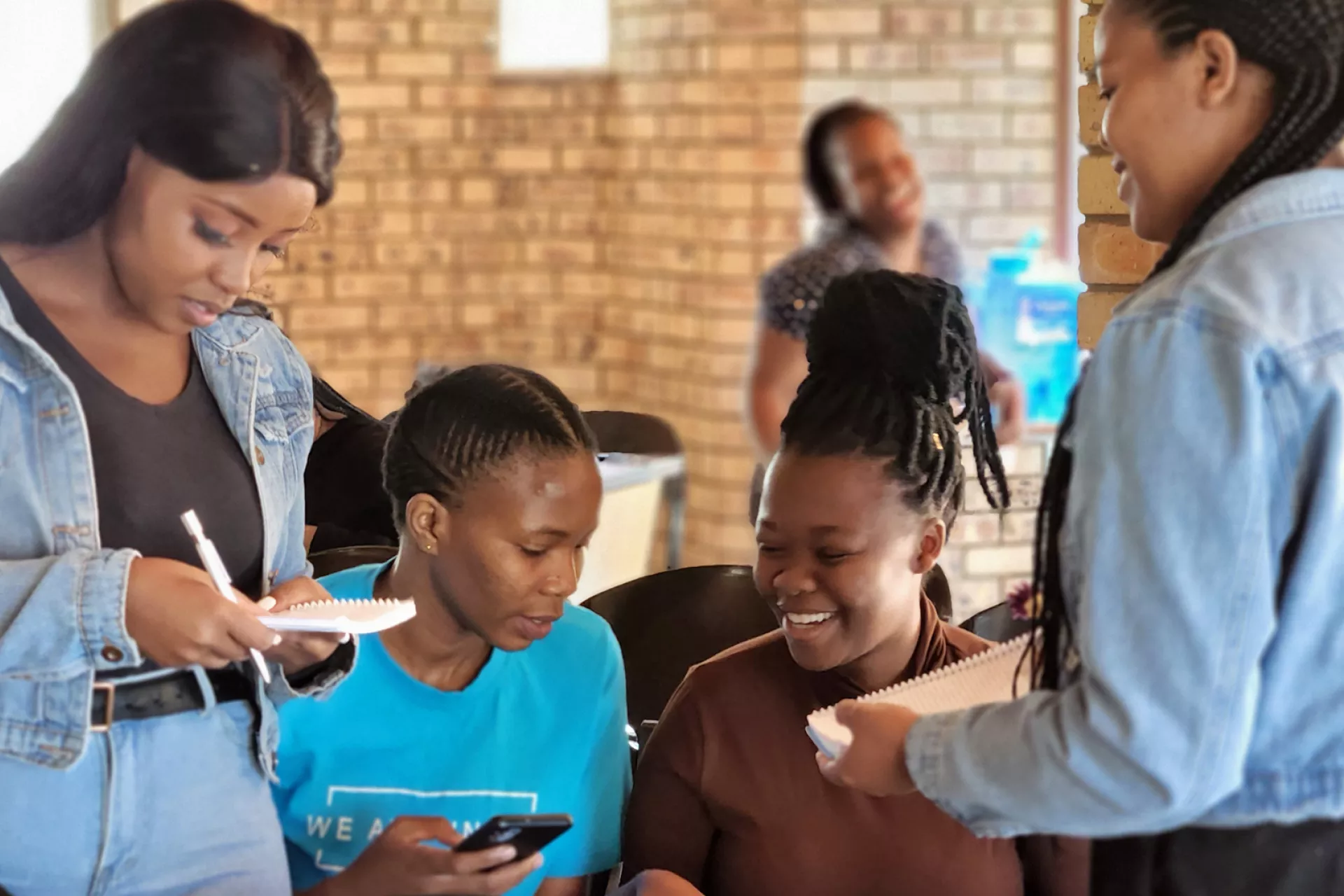
UNICEF South Africa’s Youth Advocates come from every corner of the country, united in their pursuit of universal goals. From creating a more climate-resilient planet to fighting against gender-based violence to championing the rights of children to have access to healthy food, these young people are speaking out and taking action for children’s rights in South Africa.
Fix My Food Youth Advocates
South Africa’s Fix My Food youth advocates are actively working to bring about changes in the local food environment. These passionate youth know that people need to be more aware of how the food system is failing society. They are also asking for stronger regulations so that children, youth and all consumers are protected from misleading health claims and pervasive food marketing.
Get to know our youth advocates:
Fix My Food Youth advocates
Alusani, 24, is frustrated with the dominant culture of unhealthy eating, particularly amongst the youth. She finds that the constant marketing and accessibility of unhealthy foods can be overwhelming, and is concerned about the implication that it is important to consume such foods. This mentality can lead to unhealthy eating choices, neglecting the importance of nutritious food options. As a passionate advocate for good nutrition, and aspiring clinical psychologist, Alusani wants a future where there is equal access to healthy food for all society.
Bawinile, 23, from the Durban University of Technology is frustrated to see how corporations profit at the expense of people's health, as they drive the manufacturing and the marketing of unhealthy food. She sees their tactics at work in schools and workplaces with unhealthy vending machines and cafeteria options. She envisions a world where young people thrive with equal access to healthy food and a reduced risk of diet related diseases.
Bontle, says that big food corporations work against the national goal of ensuring good nutrition for all through deceptive marketing tactics. She notes how with the rise in social media, her cell phone apps are constantly flooded with promotions, deals and various marketing tactics to push consumer purchase beyond traditional marketing tactics. She hopes that a healthier longer life would become a reality for all and that non-communicable diseases would not plague our society.
Chantel (aka Simphiwe), 21 is frustrated that healthy foods are expensive and those from disadvantaged backgrounds are mostly exposed to unhealthy, ultra-processed food. Chanel sees the daily marketing and easy access of unhealthy foods and argues that this makes cooking healthier meals harder. She asks for her university to change the food environment into a healthier one by selling healthier food options on campus and planting more vegetable gardens. As a final year student at the University of KwaZulu Natal (Pietermaritzburg) and aspiring to be a psychologist, Chantel recognizes the vital role that the food industry plays in shaping the physical and mental health of our society.
> Read Chantel's blog: “I was bullied because of a flawed food system”
Eshley, 24, is a economics student at Tshwane University of Technology. She is frustrated by the manipulative marketing techniques used by the food and beverage industry. She argues that their misleading claims are damaging the health and wellbeing of young people now and in the future, creating a health crisis. She is calling for stronger advertising regulations and clear front of pack warning labels so that people are protected and informed to make better food choices.
Ithutheng, 24, from the University of Free State is a student and changemaker, that champions for better health, education, and environmental standards. She is committed to creating sustainable solutions that not only improve communities but also protect the planet for future generations. Her concern is that we are surrounded by fast food and processed snacks, and without clear, visible labels we are often left unsure about the nutritional content. It is easy for companies to push unhealthy products without accountability!
Jacob, 20, is concerned about how big food companies are invading consumer’s pricacy with aggressive and misleading marketing tactics. Big food companies benefit with increased corporate profit, while children and youth pay the price with their health. Jacob is angry with how ultra processed foods alter the chemistry of the brain to make them addictive. This means, junk food very often becames a coping mechanism, leading to overconsumption and a range of health issues, including non-communicable diseases and overweight and obesity. Jacob is passionate about the environment, social justice and animal rights. He is currently on a gap year prior to starting tertiary studies.
Joseph, 23, from the University of Johannesburg, believes that healthy food is a basic human right for all children. He is frustrated that this right is being revoked forcefully by big food companies through unethical practices and misinformation. Young people are facing health challenges because of tactics of big food companies and the lack of regulation. As a Fix My Food advocate, Joseph wants to inform all young people are their rights and responsibilities and to advocate for change to benefit everyone.
Khaurisa, 20, hails from the University of Western Cape. An accomplished poet, Khaurisa believes in the power of the spoken word to evoke emotion to bring about change. As an “Advocate for Change”, Khaurisa is angered that the true health impact of food that is constantly marketed is not spoken about. Her question is why do we know the brands, but not what they do to our health?
> Read Kaurisa's blog: The sugar always punished us for its sweetness
Langalihle is an International Relations, Political Studies and Media Studies student at the University of Witwatersrand. Her observation is that South Africa has a food crisis, where part of the population suffers from food insecurity and others suffer from unhealthy food because of food corporations. She adds that fast food outlets full of unhealthy ultra processed food, and they are often the only source of food on campus. Langalihle advocates for the availability of healthy food options ranging from simple things such as water and fruits.
Lusaso, 22, from the University of KwaZulu Natal (Pietermaritzburg) is working towards a postgraduate degree in Public Policy and Development. She is a passionate advocate for policies that support the well-being and rights of children and women, as well as those that address climate change. She notes how the food system continuously perpetuates inequality by using selective marketing based on location and demographic markers. She believes that by applying restrictions to manipulative marketing tactics, the risk of non-communicable disease and food related illnesses amongst young people can be reduced.
Maleeqah, 21, is a youth advocate promoting a fairer food environment. She is angry to learn that billions of rands are spent on subliminal advertising that persuades people to purchase unhealthy foods. She adds that misleading health claims, characters on products that target children, and indifference of big food companies on the impact their ingredients have on a population's health, are extremely concerning. She wants misleading advertisements to be regulated. The bombardment of advertisements also needs to be limited so that youth are not the harassed by big food companies.
Read blogs by Maleeqah:
>> Power to the people!
>> Healing and self-development in the face of depression
>> Let’s talk about obesity and... food marketing
Mamkhabela, 23, is a passionate advocate about children’s rights, climate change and economic empowerment. This law student is angry about the disregard shown to the most vulnerable members of our society, especially the poor. She argues that South Africa has a nuanced problem when it comes to nutrition. The first aspect relates to hunger being a consequence of poverty and the second aspect is the unavailability of healthy food. So, if you are poor, you are hungry and when you can afford to eat something you are only afforded unhealthy food. Mamkhabela is at the University of Pretoria.
Onthatile is a BCom student from the University of Witwatersrand. She is concerned that food is for sustenance and is meant to benefit its consumers, however it has become a profit-making scheme and no longer serves its initial purpose. Healthy food tends to be more expensive and out of the reach of most students. She argues that students need access to affordable healthier food so that they can enjoy a balanced diet.
Osborn, 22, from the Mangosuthu University of Technology is a musician who is concerned that his food environment is overpopulated with fast food chains and there are no healthy food options. He is also frustrated about the lack of transparency in front of packaging labelling and questions how this is influencing young people’s immune system, energy levels and risk of non-communicable diseases.
Read: From youth volunteer to youth advocate: How Osborn found his voice for change
Owami from the University of Pretoria believes in being the change that she wants to see in the world. She is passionate about using digital media to bring about change and is a regular volunteer to campaigns that aim to reach people on the less fortunate side of the digital divide. Owami is concerned that the food environment has become another form of inequality. People who lack access to affordable healthy foods are less disadvantaged and their health suffers. Her question is why unhealthy food is the star of the show, while good healthy food in left in the shadows…
> Read Owami's blog: “A health scare showed me the truth of food labeling!”
Phindo, 22, hails from the University of Free State. As an avid reader and a passionate advocate for youth, women, and children, Phindo highlights how consumers often lack information about where their food comes from, how it's produced, and what's in it. This transparency gap results in a lack of accountability regarding the role food producers play in non-communicable diseases (NCDs) and obesity. Without clear labelling and access to nutritional information, consumers struggle to make informed dietary choices, exacerbating public health issues. She wants stricter regulations on the advertising of unhealthy foods, especially to children, and to reduce the glamorization of these products.
Reitumetse, 23, hails from the University of Western Cape. This aspiring international law human rights attorney is fighting for regulations that obligate universities to sell affordable healthy food options and for companies to stop flooding our campuses with unhealthy food. She argues that equal access to nutritious food means that young people would be less likely to get non-communicable diseases and lead healthier and happier lives.
Read: Youth volunteer, candidate attorney: How volunteering became my stepping stone
Samantha, 22, from the University of Western Cape is angry that we are not warned about just how unhealthy certain food items are for us. She says that it is our right to know this before making a purchase. Sam adds that it is also frustrating that these unhealthy options are always there and far more affordable than the healthier food options. As a student, Sam is advocating for our rights to have a healthy life and to have more access to healthier food options.
Senzo, 20, is a big health advocate (and avid YouTuber too!). He comes from the University of Western Cape. He is angry with how the food system works today, where affordable, healthy options are often hard to find, and cheap, unhealthy foods are everywhere. He adds that it is so difficult to make smart choices about what to eat given that marketing of processed foods is often misleading. Senzo argues that if the campus offered more nutritious choices and promoted healthy eating, it would help him make better decisions about what to eat.
Simphiwe is currently a Youth Programmes Intern at Youth@SAIIA. As a young adult who uses social media as a tool to advocate, work, and share information, she is angered with how the unhealthy food environment is constantly flooding her social media pages. She is asking for change so that the lives of young people can be bettered, with healthier and more affordable food options being available.
Siphosethu, 24, is a passionate youth advocate from the Durban University of Technology. He was involved in the “Blueprint for improving the South African school food environment” project and is concerned that the learning environment is being infiltrated, not with nutritious meals or food education, but with promotional items, junk food, and sugary drinks. He questions why this manipulation is normalised and tolerated, despite clear evidence that it is driving a health crisis.
In March 2025, he became the voice of young people at the Nutrition for Growth (N4G) Summit in Paris, where he delivered powerful presentations and joined high-level panels, challenging global leaders on the exploitation of children by big food and beverage companies.
Read more: Paris event amplifies global call to prioritize nutrition in school meal programmes
Thulani, 24, is from the University of Johannesburg and an advocate for child welfare in the health and education sector. He is frustrated that food companies do not tell us what is in the food they provide and that they intentionally conceal what’s in our food and how much of it. Thulani argues that the food environment on campus environment could change if there were regulations in place to regulate the food system and to promote healthier products.
> Read Thulani's blog: Sparking change through Fix My Food
Tiisetso, 21, hails from the University of Free State. He notes how the advertising of unhealthy food products has been overpopularised and argues that the connections to health issues in young adults is not discussed enough. During his daily commute on campus he is bombarded with unhealthy food advertising. This influences his and other students' decisions, often leading to poor food choices. He calls for regulation of advertising of unhealthy foods to improve dietary behaviours.
Vuyiswa, 24, is a masters student at the University of the Witwatersrand (Wits). She has a strong interest in under-5 child malnutrition and is passionate about transforming food environments to support healthier communitites. She is concerened that children and vulnerable communities are not protected from the aggressive marketing of unhealthy foods. This contributes to poor nutrition, rising non-communicable diseases, and deepens inequality in health outcomes. Vuyiswa is particularly committed to making a difference in her home country, Lesotho, where food insecurity remains a pressing challenge for vulnerable populations.
Ziyanda, 22, from the University of Johannesburg is concerned that nutritious food is not easily accessible, deepening the inequality in South Africa. She is frustrated by the food industry’s deceptive marketing tactics and the lack of transparency in the food environment. She asks why she has to do her own deep research about what big food companies are meant to be honestly sharing! She finds the promotion of unhealthy food at shopping centers irresistible and calls out these tactics. Ziyanda believes in a fairer world for all who live in it. She is an aspiring diplomat and a human rights advocate with a specific interest in nutrition, sexual violence and mental health.


