“Eat right for a better life!”
National Nutrition Week 2024 is commemorated with youth advocates

Cape Town, 10 October 2024: Adopting healthy food practices at an early age can pave the way for our present and future health. However, the current food environment in South Africa is flooded with ultra-processed foods and this makes healthy options difficult to access.
Indeed, non-communicable diseases (NCDs) including diabetes, heart disease and cancer are the leading cause of death and disease in South Africa and carry huge costs for patients, families, communities, the health system and the economy at large. A poor diet with excessive sugar, salt, and saturated fat, as well as physical inactivity all contribute to the high rates of NCDs both in this country and globally.
As we commemorate National Nutrition Week (NNW) - observed annually from 9 to 15 October – we are reminded of the critical need to promote healthy eating practices and options to ensure a healthier future.
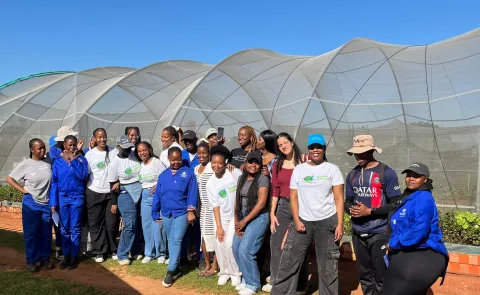
The theme for NNW 2024 is “Eat right for a better life!”, which serves as a clarion call to prioritise nutritious options, balanced nutrition, and more informed food choices for improved health outcomes. Healthy eating does not necessarily mean buying expensive food from big brands retailers, and can include home-grown vegetables as well.
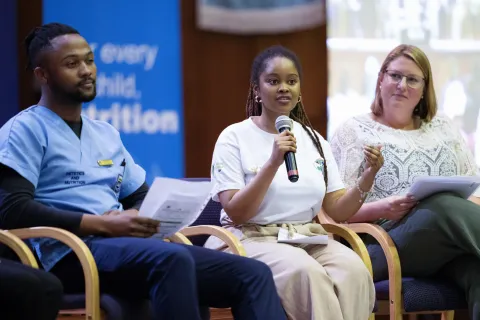
This year, young people are taking a leading role in the official commemoration of NNW, hosted by the National Department of Health and UNICEF South Africa at the University of the Western Cape, to raise awareness of the need to transform the food environment to make healthy choices easier, affordable, and more available.
“The dedication and passion of our youth advocates as they promote good food practices and improvements to the food environment is truly inspiring,” said Irfan Akhtar, UNICEF South Africa Representative (a.i.). “These young leaders are at the forefront of creating a healthier future as they champion the cause for nutritious, affordable and diverse diets for all children and young people.”
The commemoration event, featured the Deputy Minister of Health, Dr. Joe Phaahla who engaged with students and youth advocates on issues relating to good food practices and accessing nutritious, diverse and healthy diets.
“Healthy eating does not have to be expensive. Choose a variety of healthy foods that are affordable such as fruits and vegetables. It is important to maintain hygiene by always washing these fruits and vegetables before consumption,” said Deputy Minister Phaahla. “Consider meat-free days during the week and include dry beans, peas, lentils, fatty fish such as canned pilchards and sardines which are affordable options that are high in protein. Drink clean, safe water instead of sugary drinks. If you do not have access to clean, safe water, purify water by boiling it or by adding one teaspoon of bleach for few hours before using”, he added.
The youth advocates also shared their vision of a healthy food environment that would offer nutritious food options. They believe this change can improve the health of all children and youth today, and in the future. The youth advocates are supported by UNICEF South Africa to better understand issues relating to good nutrition and strengthen their advocacy skills.
Notes to Editors
- The health of more than 1 in 5 children in South Africa is at risk of a future impacted by food-related illnesses.[1]
- Many unhealthy food products – such as packaged baked goods, chips, fizzy drinks, breakfast cereals, many ready-to-go meals – are filled with added sugars, fats, salts, colours, emulsifiers, flavours and other harmful additives that have been directly linked to more than 30 harmful health effects globally, including obesity, numerous non-communicable diseases (including heart disease, cancer, Type 2 diabetes and adverse mental health) as well as premature death.[2]
- Unhealthy foods high in sugar, salt and saturated fat, make up at least 40% of the diets of low-income families in South Africa.[3]
[1] https://data.worldobesity.org/country/south-africa-197/#data_prevalence
[2] https://www.bmj.com/content/384/bmj-2023-077310
[3] https://www.cambridge.org/core/journals/public-health-nutrition/article/dietary-intake-of-lowincome-adults-in-south-africa-ultraprocessed-food-consumption-a-cause-for-concern/CFB01CC949D18022B0FC1582C3EC63C9
Media contacts
About UNICEF
UNICEF, the United Nations agency for children, works to protect the rights of every child, everywhere, especially the most disadvantaged children and in the toughest places to reach. Across more than 190 countries and territories, we do whatever it takes to help children survive, thrive, and fulfil their potential.
UNICEF’s work is funded entirely through voluntary contributions.
Follow UNICEF South Africa on Twitter, Facebook, Instagram, YouTube, LinkedIn and TikTok