World Breastfeeding Week 2026: Strengthening breastfeeding support to give every child in South Africa the best start in life
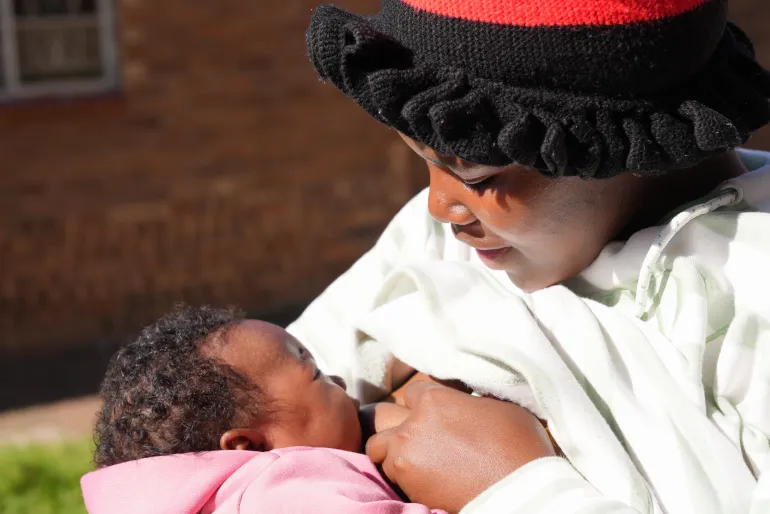
Pretoria, 6 August 2026 - Breastfeeding is one of the most effective ways to protect a child's health, support development and improve lifelong outcomes. This World Breastfeeding Week, the United Nations Children’s Fund (UNICEF) is calling for stronger investments in breastfeeding support and health systems to ensure every child gets the healthiest possible start in life.
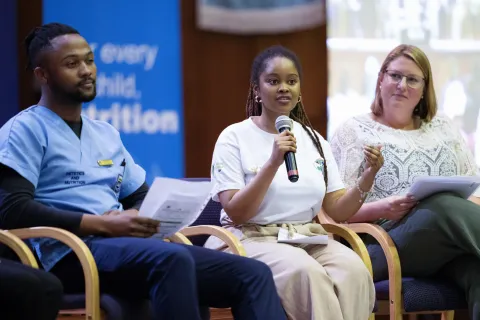
This week, UNICEF was pleased to join the National Department of Health, the Eastern Cape Provincial Health Department, the World Health Organization (WHO) and other stakeholders in the Chris Hani District of the Eastern Cape to highlight this critical issue.
Breastfeeding provides infants with optimal nutrition, strengthens immunity, protects against illness and supports cognitive development. Mothers also benefit through reduced risks of breast and ovarian cancers, and type 2 diabetes. UNICEF and the WHO recommend that babies are breastfed within the first hour after birth, exclusively breastfed for the first six months of life, and continue to receive breastfeeding alongside complementary foods up to two years of age and beyond.
Despite global progress, South Africa remains off track in meeting international breastfeeding targets. According to the 2024 National Food and Nutrition Security Survey, only 22 per cent of infants under six months are exclusively breastfed, making South Africa one of the lowest-performing countries in the SADC region. The global target is for countries to achieve an exclusive breastfeeding rate of at least 50 per cent. Access to breastfeeding support services is uneven, implementation of policies is inconsistent, and many mothers still lack the support they need at health facilities, in communities and in workplaces
"Breastfeeding Week is a reminder that mothers need a strong value chain of support, from health facilities and communities to families and workplaces," says Gilbert Tshitaudzi, Nutrition Manager at UNICEF South Africa. “Indeed, breastfeeding remains one of the most cost-effective investments in child survival, health and development,” adds Tshitaudzi.
South Africa has made important progress. In 2012, it became the first country in the SADC region to introduce the Regulations Relating to Foodstuffs for Infants and Young Children (R991), helping to protect families from inappropriate marketing of breastmilk substitutes.
Data tells us that every US$1 invested in breastfeeding promotion is estimated to generate US$59 in economic returns through lower healthcare costs, improved educational outcomes and increased lifetime earnings.
Under this year's World Breastfeeding Week theme, "Breastfeeding for a Sustainable Start in Life: Strengthen What Works," UNICEF calls on government, civil society, development partners and the private sector to:
- Strengthen health systems to provide quality breastfeeding support for mothers and newborns.
- Expand community-based counselling and peer-support programmes.
- Fully enforce and strengthen regulations that protect breastfeeding and align with the International Code of Marketing of Breast-milk Substitutes.
- Invest in paid maternity leave and breastfeeding-friendly workplaces.
- Integrate breastfeeding support into antenatal, perinatal and postnatal services.
- Increase investment in community-based breastfeeding support systems.
####
Note to the editors
About Breastfeeding Week: Observed annually from 1 to 7 August, World Breastfeeding Week highlights the importance of creating an enabling environment for breastfeeding and strengthening support for women to breastfeed successfully.
Media contacts
About UNICEF
UNICEF, the United Nations agency for children, works to protect the rights of every child, everywhere, especially the most disadvantaged children and in the toughest places to reach. Across more than 190 countries and territories, we do whatever it takes to help children survive, thrive, and fulfil their potential.
UNICEF’s work is funded entirely through voluntary contributions.
Follow UNICEF South Africa on Facebook, Instagram, X Channel, YouTube, LinkedIn, TikTok and WhatsApp Channel