Partnerships
The world's largest challenges need the world's largest team
UNICEF works in nearly every country on the planet to protect children’s rights and safeguard their futures. For 80 years, we’ve reached more kids in need than almost any other organization. But we don’t do it alone. To the partners and donors who keep us going, thank you.
Who partners with us
We team up with the public sector, private sector and civil society organizations to bring life-saving help and hope to children. Whether you’re looking to become a long-time partner or a one-time contributor, we’d love to hear from you.
South Africa is a middle-income country with one of the world's highest levels of inequality. Nearly 14 million children live in poverty. Despite significant government investment, too many children still fall through the gaps in health, education, protection, and opportunity. Closing these gaps requires more than government action alone, it requires partnership.
UNICEF invites businesses, foundations, philanthropists, and individuals to join us in making a lasting difference for South Africa's 20 million children.
Why partner with us
Effectiveness: UNICEF works in over 190 countries and territories, including in South Africa, to bring water, healthcare, education and protection to kids in need. For every rand we receive, 90 cents go directly to services for children, making us one of the most cost-effective organizations in global development.
Access: UNICEF operates by mandate of the United Nations to reach children others can’t and influence governments others won’t. We go the last mile to serve communities cut off from care in times of peace or crisis.
Equity: UNICEF prioritizes the kids most likely to be left behind, often because of who they are or where they live. Impartial and non-political, we’re never neutral when it comes to serving children in need.
Rapid response: UNICEF runs the largest humanitarian warehouse on the planet, shipping life-saving supplies within 72 hours. Water and medicine to children caught in conflict. Nutrition supplements and tents to those struck by climate disaster. We do what it takes to get there first and stay through the end.
Expertise: UNICEF brings decades of field-tested know-how with leading experts in child health, education and protection among our ranks. Our research and practice is trusted by world leaders to inform national policies and shape global agendas.
Trusted: Partnering with UNICEF means partnering with one of the most recognised, trusted, and scrutinised organisations in the world. UNICEF's brand is recognised and trusted by billions of people across the globe, and a partnership with UNICEF carries that weight.
Due diligence: Our due diligence processes meet the highest international standards, making us a safe, transparent, and accountable partner for any organisation or individual.
How to partner with us
UNICEF runs entirely on voluntary contributions.
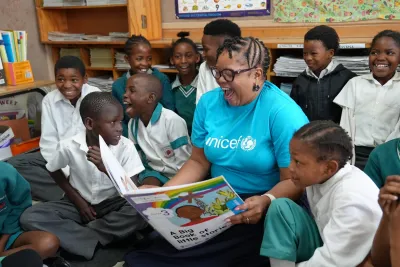
Public sector
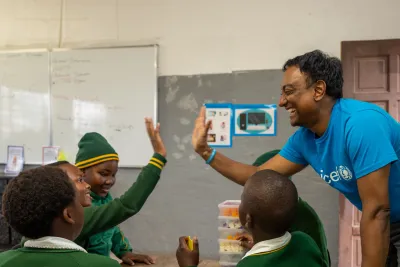
Private sector
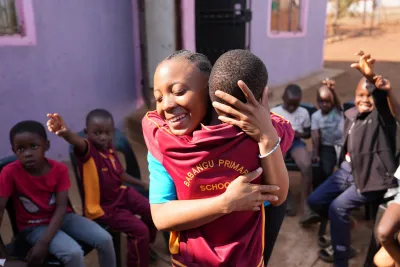
Philanthropists and individuals
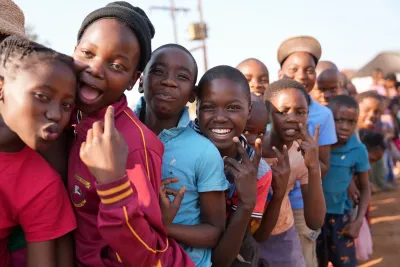
Investing in children
Types of funding
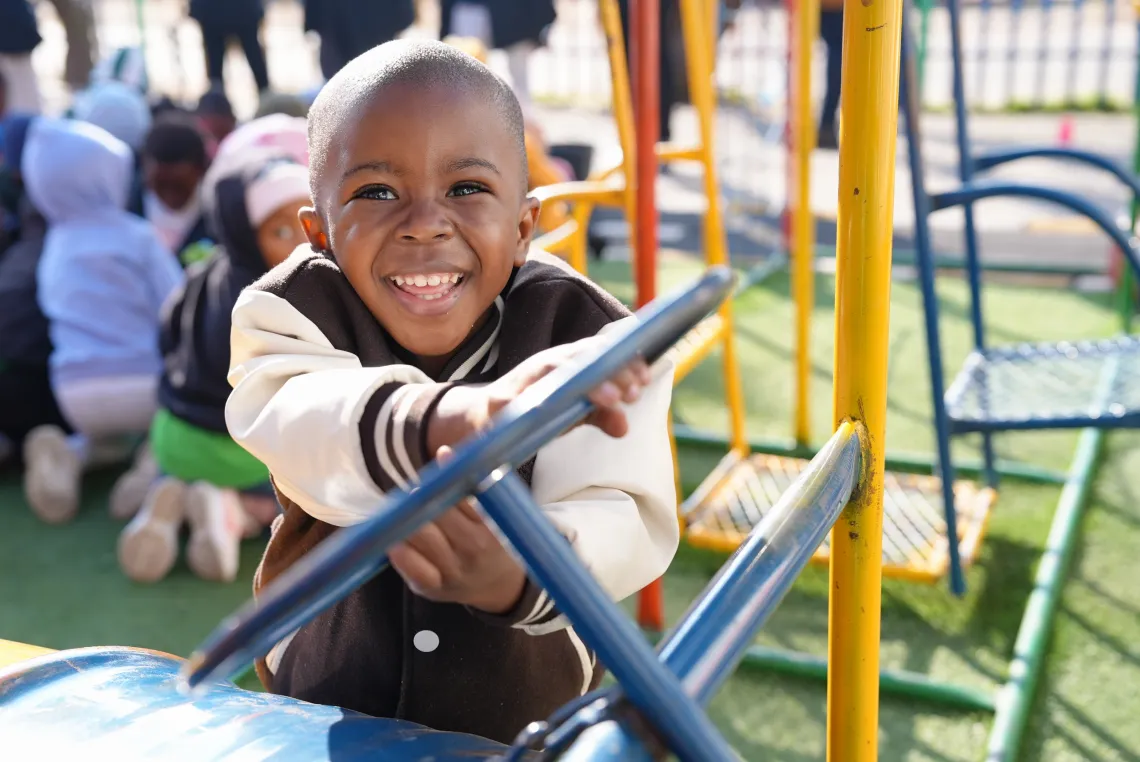
Regular resources or Core funding is the most flexible form of support, unrestricted funding that allows UNICEF to respond to needs where they are greatest, invest in long-term programmes, and maintain field presence. Regular resources are fundamental to UNICEF's ability to deliver.
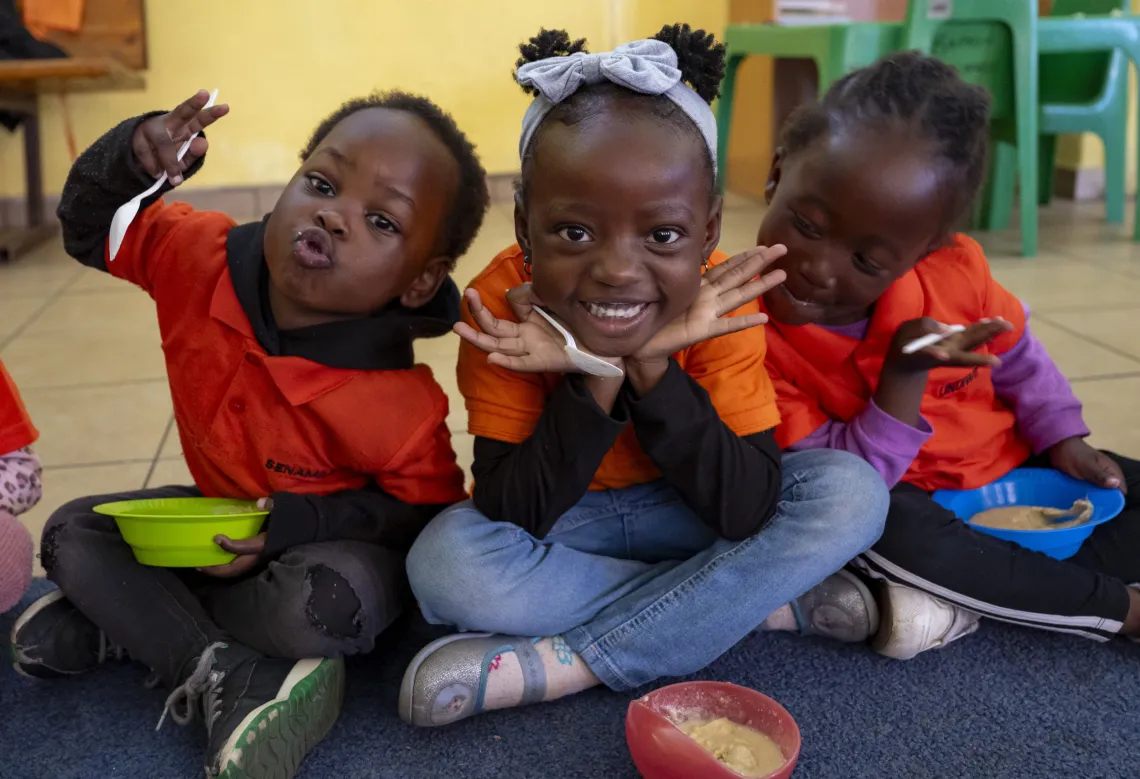
Other or flexible (softly earmarked) resources is funding directed to a broad theme, goal area or region, giving UNICEF flexibility within those parameters. This type of funding is increasingly valued as it enables UNICEF to respond dynamically to evolving needs.
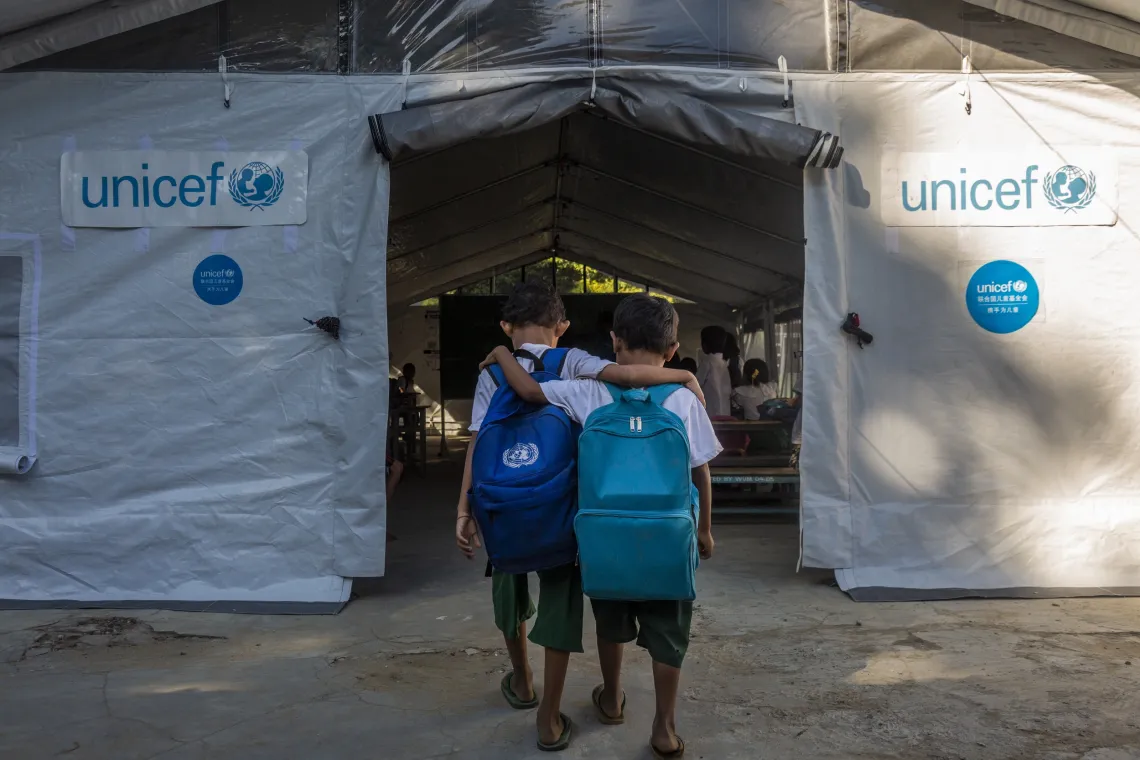
Emergency (Humanitarian action for children) resources is funding directed to UNICEF's Humanitarian Action for Children, supporting rapid response to crises including natural disasters, conflict, and disease outbreaks. UNICEF responds to an average of 300 emergencies per year across the globe.
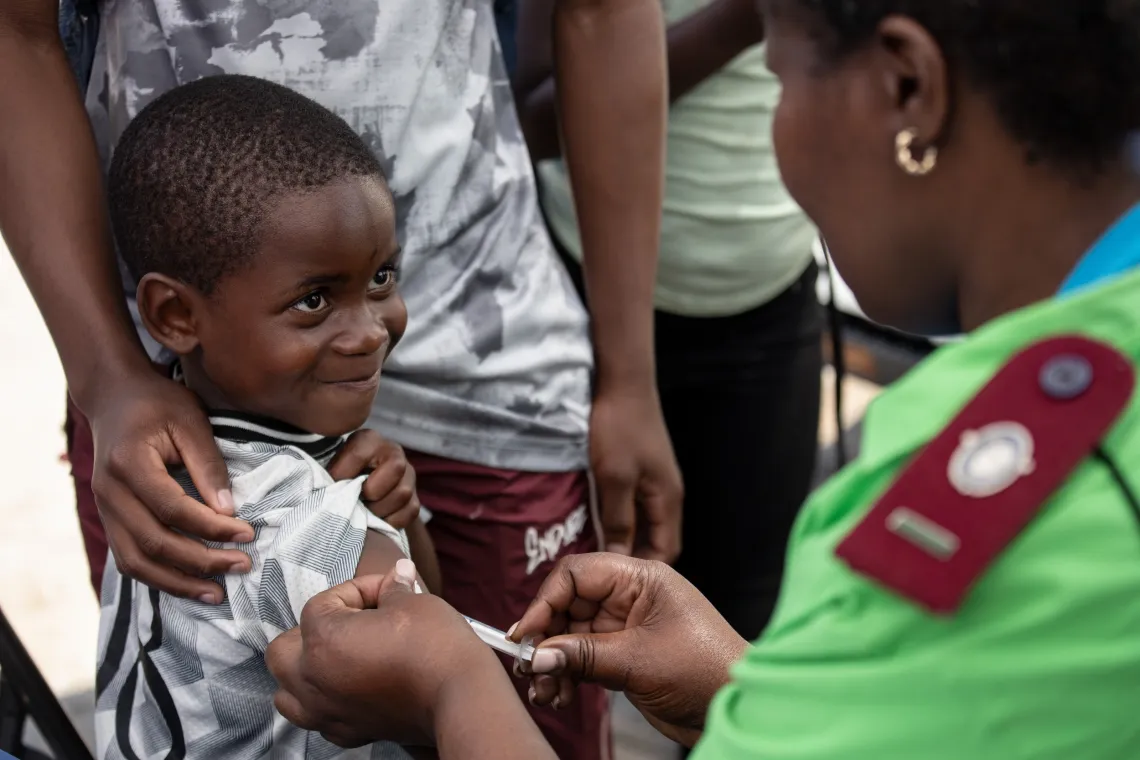
Thematic resources are contributions directed to a specific thematic area, such as education, nutrition, child protection, or water and sanitation, that can be deployed across multiple countries within that theme.

Earmarked resources is funding designated for a specific country, programme, or project. In South Africa, earmarked resources support our Country Programme priorities directly and are fully reported against agreed outcomes.
Get in touch to partner with us
We would love to hear from you. Whether you are exploring a first conversation or ready to formalise a partnership, our team is here to help.
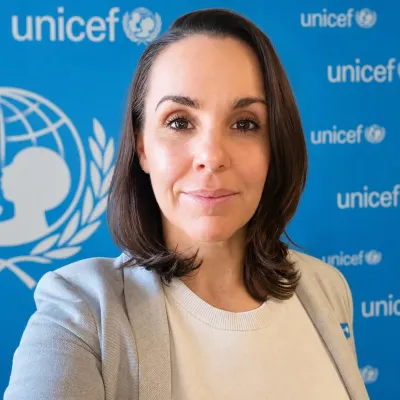
Sophie Chavanel
Chief of Communication, Advocacy and Partnerships
UNICEF South Africa
[email protected]
Drooti Kala
Partnerships Officer
UNICEF South Africa
[email protected]