Two years of war have left Gaza’s children reeling
UNICEF and partners remain on the ground responding to massive needs of families.
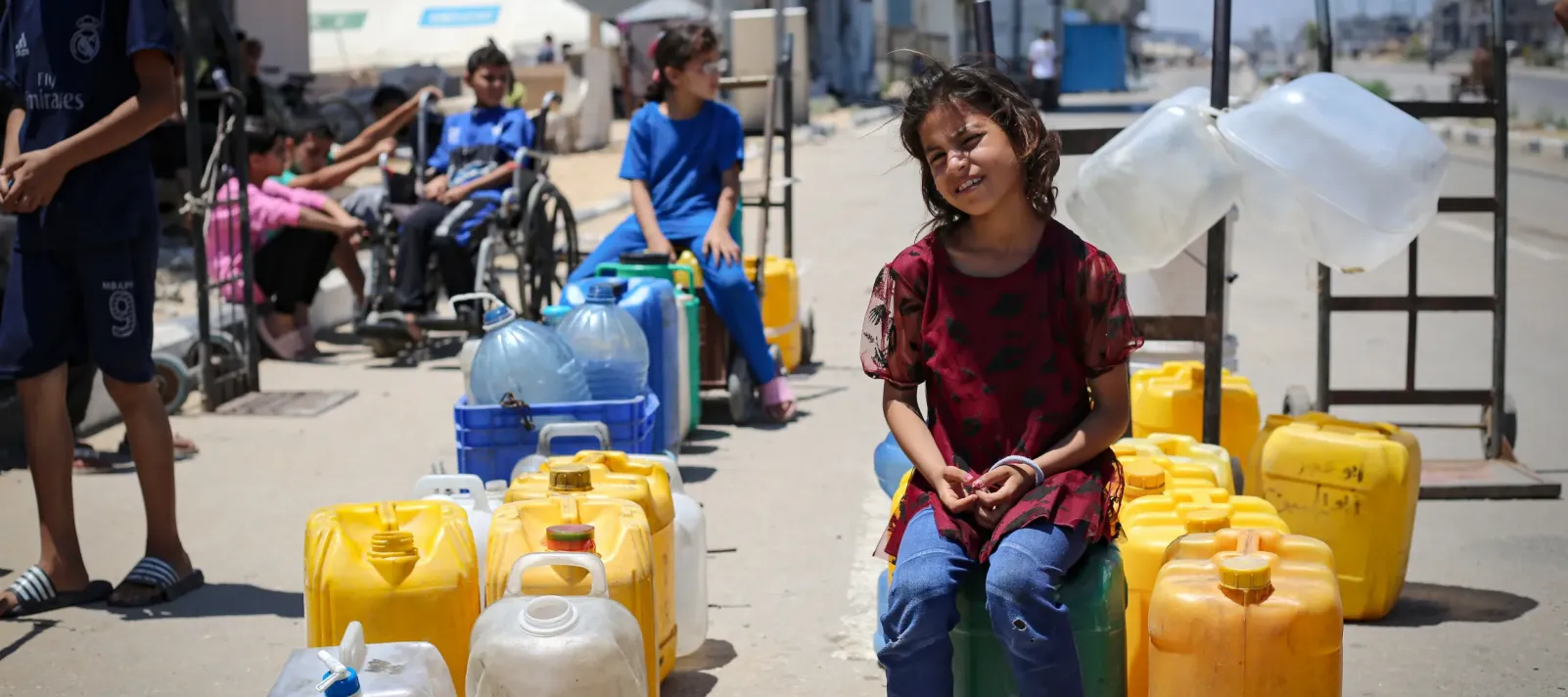
Intense bombardments and fighting have wrought catastrophic devastation across the Gaza Strip – more than 64,000 children reportedly killed and injured, and homes, hospitals and schools destroyed. The toll on children is unconscionable.
UNICEF welcomes the ceasefire, which must now afford humanitarian actors the opportunity to safely resume at scale the massive response that the children of Gaza so desperately need. Our focus now is providing urgent life-saving assistance while supporting early recovery, including:

Nutrition
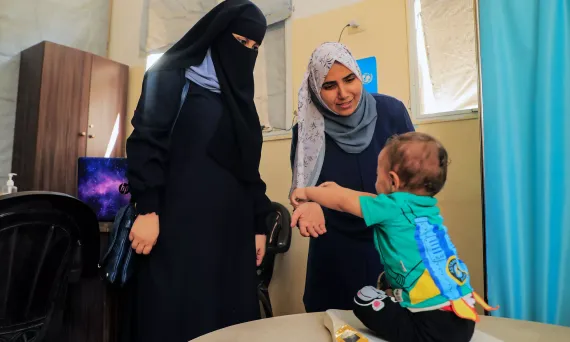
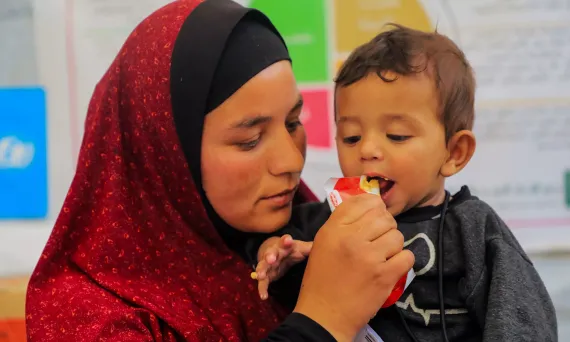
According to the new IPC report of December 2025, at least 1.6 million people - or 77 per cent of the population – are still facing high levels of acute food insecurity in the Gaza Strip, including over 100,000 children and 37,000 pregnant and breastfeeding women projected to suffer acute malnutrition through April next year. UNICEF is prioritizing life-saving treatment, prevention and sustained support to continue restoring essential services across the Gaza Strip.

Winterization
After two years of conflict and repeated displacement, children and their families in Gaza are living in extremely precarious conditions. Many have endured multiple displacements and are now sheltering under tarpaulins, light tents, makeshift structures, or heavily damaged buildings that offer no insulation, heating, or protection from the elements. As the winter season approaches, the risk of hypothermia, respiratory infections, and waterborne diseases will rise sharply, particularly among infants and young children. UNICEF’s winterization programme will provide winter clothing, blankets, tarpaulins, and family tents.

Education
The prolonged conflict and repeated displacement have left almost every school destroyed or severely damaged, while the psychological toll on children has been profound. Education has consistently emerged as one of the most urgent priorities for children and their families, representing a vital step towards recovery, healing, and a return to normalcy. With the ceasefire now in place, UNICEF is leading efforts to restore learning opportunities for all 658,000 school-aged children in Gaza by scaling up temporary learning spaces.
Water, Sanitation and Hygiene (WASH)
Restoring safe and reliable access to water and sanitation is critical both to the malnutrition response and to preventing further public health risks, particularly as Gaza faces the winter season when flooding and disease outbreaks become more likely. UNICEF is supporting the restoration of water supply and distribution systems, including the rehabilitation and operation of public and private desalination plants.

Social Protection
Expanding social protection is essential to reduce the extreme vulnerability of children and their families and to help prevent further deterioration of living conditions in Gaza. Multi-purpose cash assistance will play a critical role in enabling families to meet their basic needs while alleviating the impact of malnutrition among children.

Child Protection
With the ceasefire now in place, there is an urgent need to scale up child protection and mental health interventions to prevent the long-term psychological and physical impacts of two years of extreme violence, displacement, and loss. Every child in Gaza has been exposed to extreme levels of fear, violence, and often loss of family members, sustained injuries, or been separated from their caregivers. Protecting all children from further harm and addressing their mental health needs at scale are among UNICEF’s highest priorities.

Health
Two years of intense bombardment, displacement, and the huge levels of destruction of medical infrastructure has left many children without access to even the most basic care. Routine immunization has been interrupted, maternal and newborn services have been severely disrupted, and preventable diseases are rising rapidly. With the ceasefire now in place, restoring essential health services is critical to prevent further loss of life and to lay the foundation for recovery. UNICEF’s health response focuses on re-establishing primary healthcare for all children in Gaza, restoring immunization coverage, and ensuring the availability of life-saving neonatal and pediatric care.
Read more about the current situation in the Gaza Strip:
Latest humanitarian situation report | All humanitarian situation reports
Latest updates from the Gaza Strip
Recent stories and features
Impact in images